





Gothic Wooden Statues
Gothic wooden statues bring centuries of sacred devotion and master carving into a room, offering tangible links to medieval and revival workshops.
Gothic Wooden Statues
When buyers search for gothic wooden statues, they encounter ecclesiastical figures, saints, and devotional groups carved across centuries. The selection spans pre-16th century medieval church pieces and later 19th-century revivals.
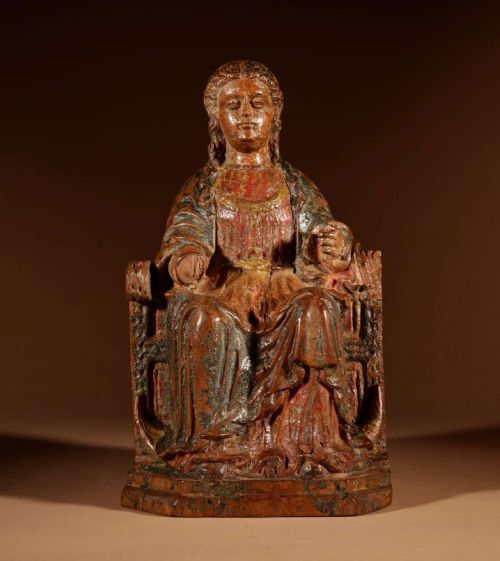
Most pieces represent religious subjects including the Madonna and child, individual apostles, and donor figures. These works originated across continental Europe, notably in Germany, Flanders, and France, often functioning as altarpiece panels or standalone devotional objects.
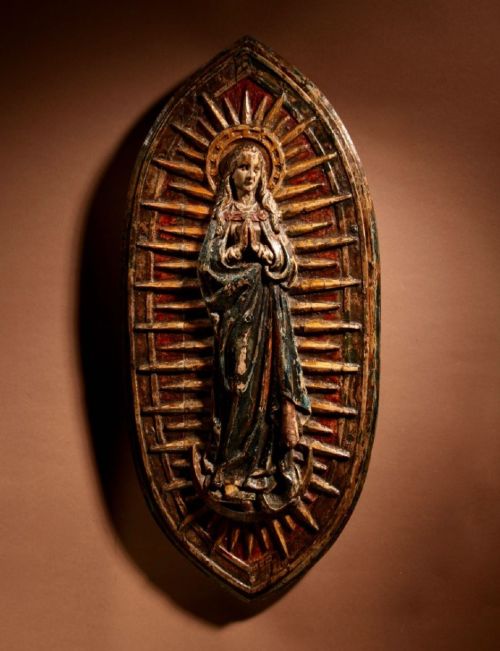
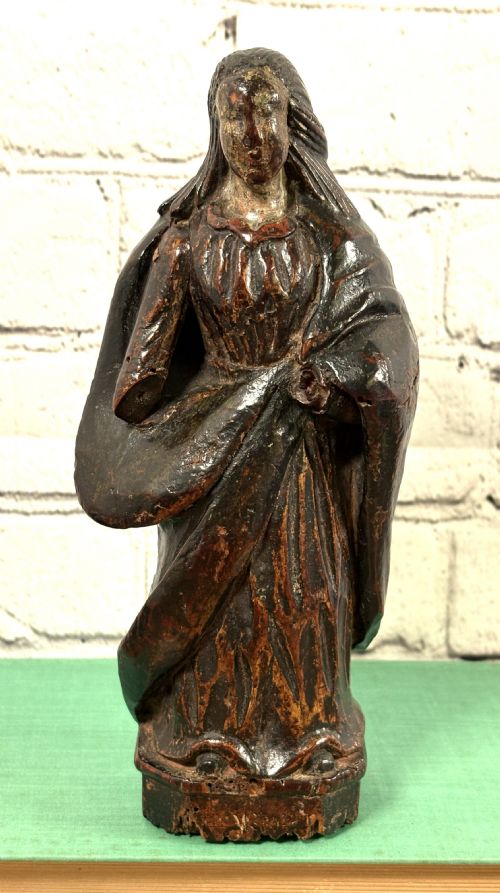
The material record includes substantial oak, limewood, walnut, and pine figures. Collectors find both full-relief standing sculptures and architectural reliefs intended for wall placement.
How they were made
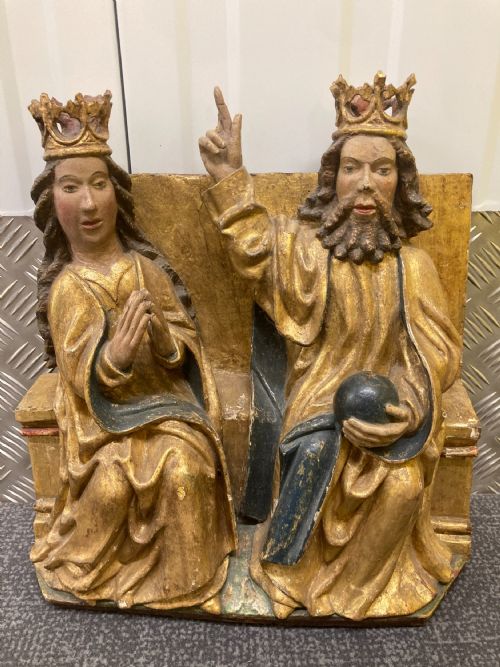
Surfaces frequently received applications of gesso as a smooth ground for polychrome paint and gilding. Pigments and gold leaf brought lifelike realism to sacred figures before centuries of natural wear altered the finishes.
Listings feature woods including oak, limewood, walnut, pine, and gesso-prepared surfaces across multiple centuries.
What varies in quality
The sophistication of the carving dictates the distinction between standard workshops and master hands. Superior pieces display anatomical understanding in hands and facial expressions, alongside fluid, naturalistic drapery that breaks cleanly over the carved figures.
The survival of original surface treatments plays a major role in evaluation. Statues retaining traces of early polychrome paint or gilding under later patination offer deeper historical context than stripped timber surfaces.
The Gothic Wooden Statues Glossary
- Polychrome
- Decorated in multiple colours. This term describes statues finished with historical paints and pigments applied over wood or gesso.
- Gesso
- A plaster mix used as a base. Carvers applied this substance to wood surfaces to create a smooth layer for subsequent gilding and painting.
- Giltwood
- Timber treated with gold leaf. This technique illuminated sacred figures by catching candle and natural light in church interiors.
- Altarpiece
- A devotional structure placed behind an altar. Central panels and flanking statues from these large assemblages frequently survive as independent sculptures.
- Memento mori
- An artistic reminder of human mortality. These skeletal or symbolic figures served as contemplation pieces regarding the transience of life.
Gothic Wooden Statues: Frequently Asked Questions
How old are these statues?
The pieces span from pre-16th century medieval church carvings up to 19th-century Gothic Revival interpretations. Dating relies upon wood species, tool marks, and stylistic conventions of drapery and facial design.
Earlier examples originate from active religious workshops in regions like the Low Countries and Germany. Later revival pieces replicate these medieval forms using traditional timber working methods.
Where were they originally placed?
Many figures formed integral parts of larger architectural altarpieces, rood screens, or church chapels. Others functioned as standalone devotional statues for private prayer or monastic contemplation.
Relief sculptures typically mounted directly onto interior church walls, while heavier freestanding figures rested on dedicated plinths or altars.
How should I clean wood carvings?
Maintenance requires only gentle dusting with a soft, dry brush to prevent particle accumulation within carved crevices. Avoid using liquid cleaners, waxes, or polishes that might damage historical wood surfaces or remaining polychrome pigment.
Stable indoor environments away from direct sunlight and dramatic humidity shifts protect the timber from cracking and warping.
What is polychrome paint?
Polychrome paint refers to the historical practice of applying various coloured pigments to wooden sculptures to render garments and flesh tones lifelike. Artisans layered these paints over gesso preparations to enhance the visual impact of religious figures.
Surviving traces provide crucial evidence for how these sacred carvings originally appeared in medieval and Renaissance ecclesiastical settings.