


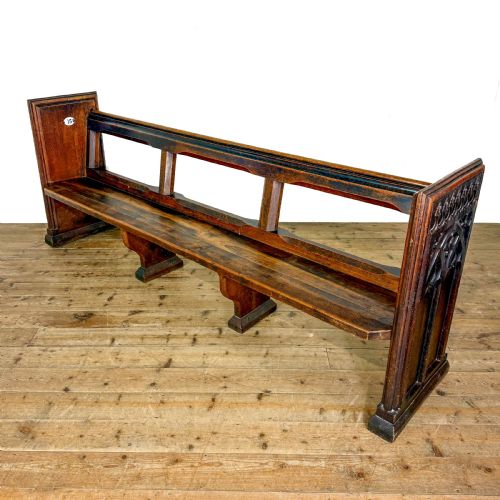


Gothic Wooden Pew
A gothic wooden pew brings monumental ecclesiastical character straight into a domestic interior, offering solid timber construction built to endure for centuries.
Gothic Wooden Pew
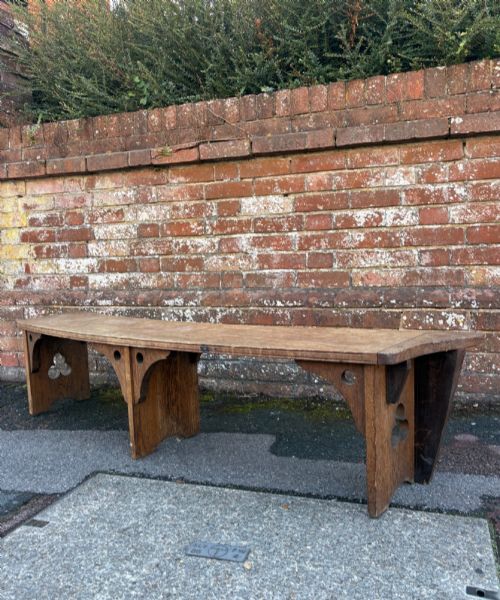
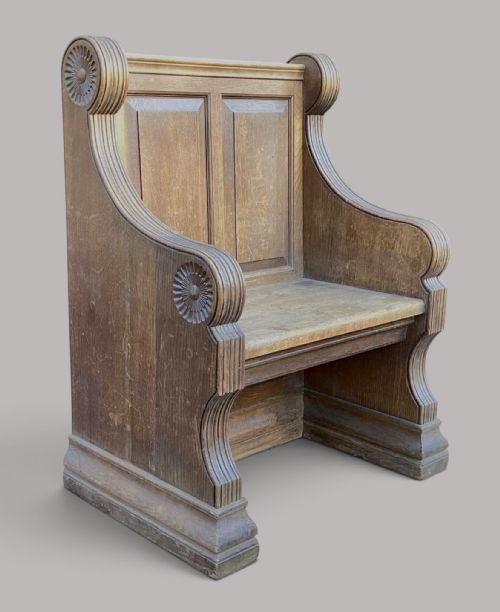
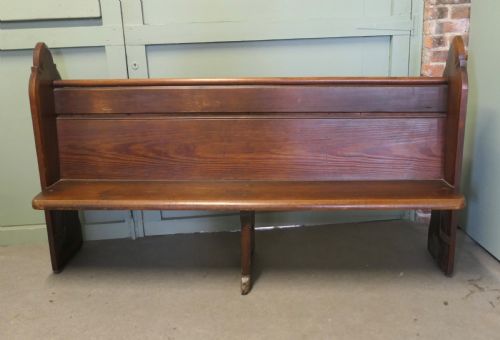
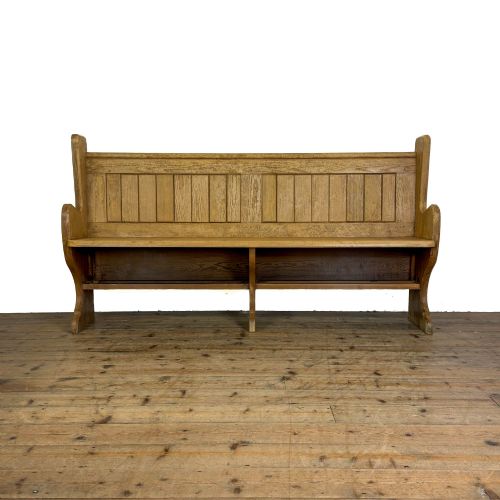
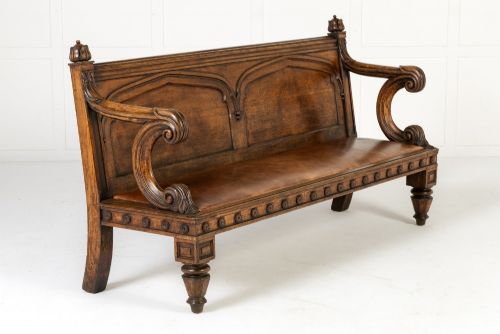
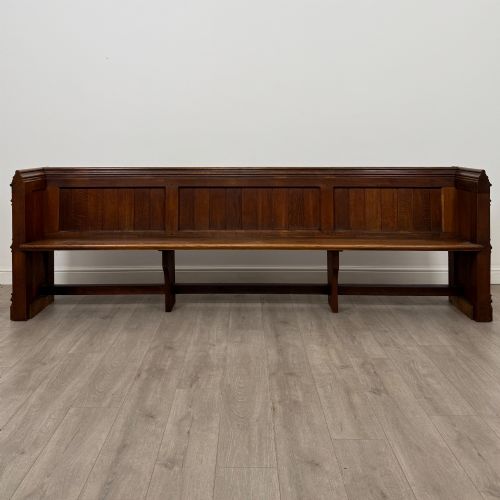
A gothic wooden pew is a substantial seating form rooted in ecclesiastical and architectural history, frequently found in churches, chapels, and large halls. These pieces range from severe pitch pine chapel seating to elaborate architectural benches with carved supports.
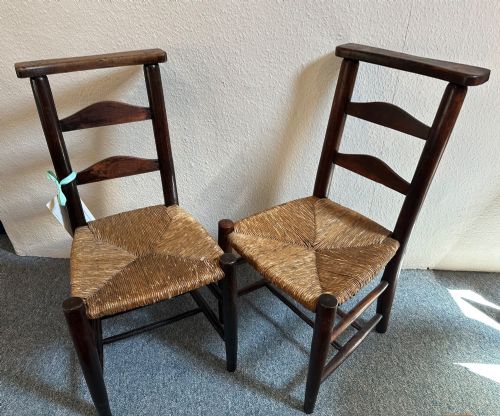
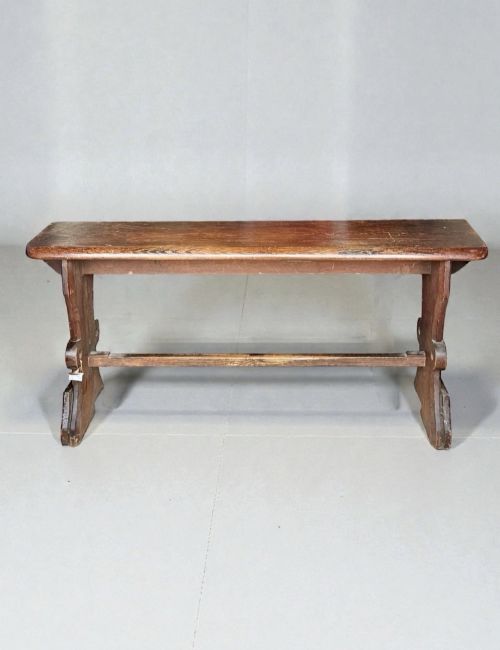
The variations seen here include curved Pugin style oak benches, large hall seats, and organist benches spanning the nineteenth century. Buyers encounter robust oak, pitch pine, and pine examples carrying distinct Gothic Revival and Arts and Crafts influences.
Originating primarily from church settings and country houses, these benches serve equally well in modern hallways or dining spaces. Their long profiles and high backs provide both a striking visual anchor and practical, sturdy seating.
How they were made
Makers constructed these pews using dense, durable timbers such as oak, pitch pine, and elm, selected for structural integrity and longevity. Joinery relied on traditional methods designed to withstand heavy daily use in ecclesiastical environments.
Surface ornamentation often incorporates trefoil carved supports, architectural panelling, and solid timber framing. Selected pieces feature specific institutional markings, brass details, or leather elements that reflect their original ecclesiastical purpose.
What varies in quality
The distinction between standard utility pews and exceptional pieces lies in the ambition of the timber selection and the precision of the architectural carving. Heavy oak examples with documented provenance or specific stylistic ties command greater interest than plain pine workshop seating.
Proportion and scale also dictate quality, as longer curved forms or high-back settles require superior timber lengths and skilful joinery. The crispness of carved details, such as trefoil motifs, separates utilitarian church furniture from bespoke Gothic Revival commissions.
The Gothic Wooden Pew Glossary
- Gothic Revival
- An architectural and design movement drawing inspiration from medieval forms, characterised by pointed arches, trefoils, and vertical emphasis.
- Pitch Pine
- A resinous, durable softwood heavily utilised in nineteenth-century church seating and architectural joinery.
- Settle
- A wooden bench with a high back, solid arms, and often a storage box beneath the seat, designed to block draughts.
- Trefoil
- A graphic ornament composed of three stylised lobes, frequently pierced through woodwork or carved in relief on Gothic pieces.
- Ecclesiastical
- Relating to the Christian Church or its clergy, describing furniture specifically manufactured for use within religious buildings.
Gothic Wooden Pew: Frequently Asked Questions
How do I style a church pew at home?
Place a long oak or pitch pine pew against a hallway wall or pair it with a large dining table for an informal seating arrangement. The linear profile makes them exceptionally well-suited to narrow spaces where traditional chairs fail to fit.
Soften the solid timber seat with simple cushions or sheepskins to balance the architectural austerity. Their substantial depth means they function best in rooms with generous proportions.
What timber is most common in these pews?
Pine and pitch pine appear frequently in nineteenth-century chapel and church seating due to their availability and strength. Oak is also common, particularly in examples associated with domestic halls or more ambitious Gothic Revival commissions.
Selected pieces incorporate secondary woods like elm or walnut, reflecting regional workshop traditions and the intended destination of the seating.
How do I date a nineteenth-century pew?
Examine the tooling marks, joint construction, and specific stylistic cues such as Arts and Crafts influences or strict Gothic Revival proportions. Institutional stamps or church markings can occasionally provide a precise point of origin.
Timber shrinkage, patination, and wear patterns offer further clues to the age and operational history of the piece.
Are these pews comfortable for daily use?
Original pews were designed for upright posture during services rather than lounging, meaning most feature rigid upright backs and solid wooden seats. Adding bespoke squab cushions transforms them into practical daily seating for dining or hallways.
Their deep proportions and sturdy construction provide reliable support once adapted for domestic lounging.