


Gothic Two Door Cabinet
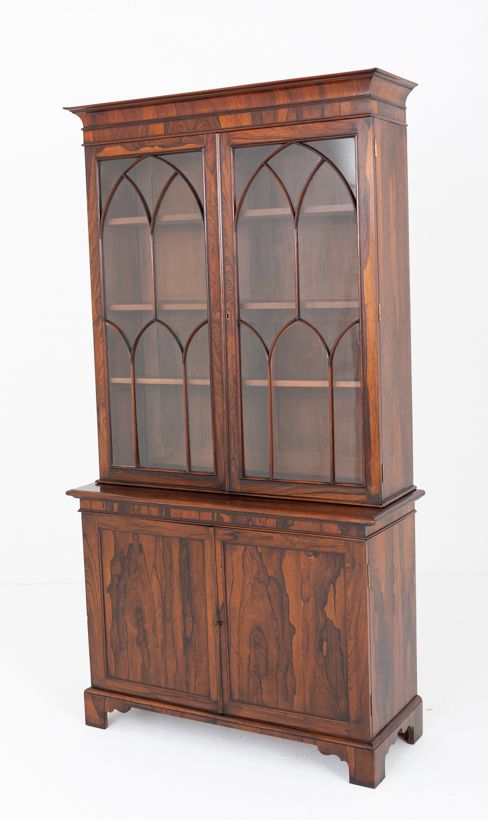
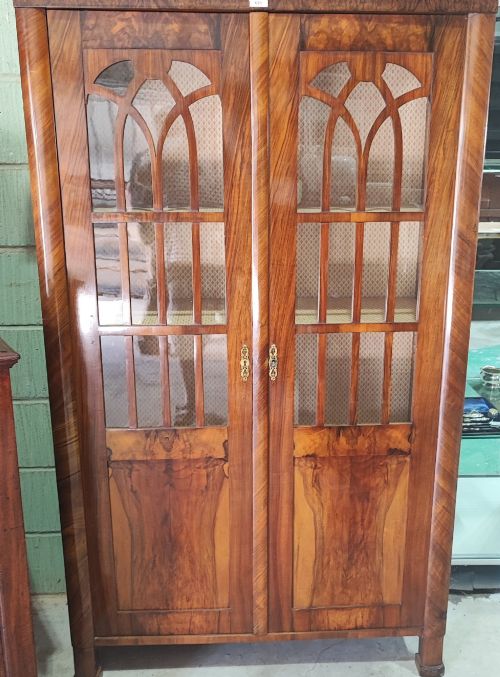
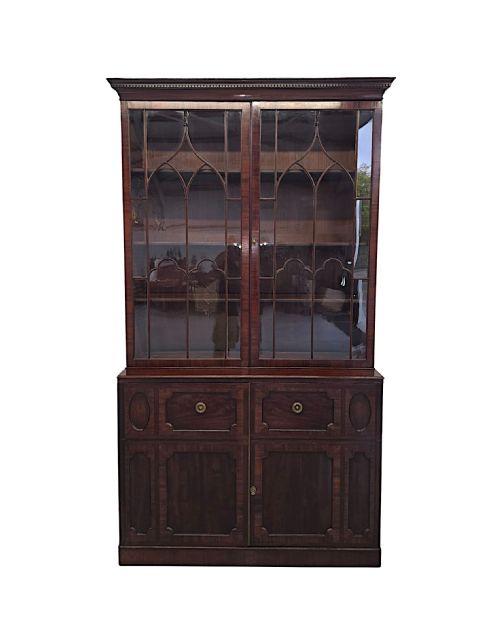
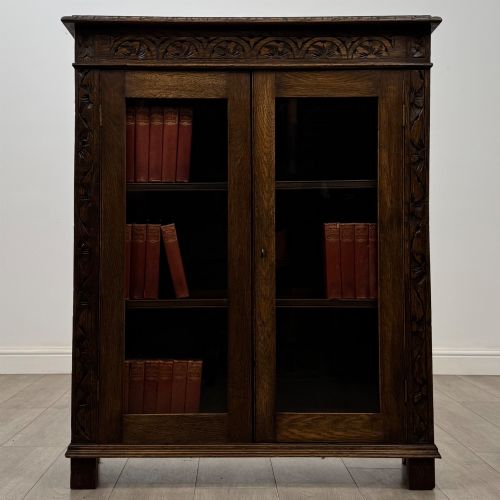
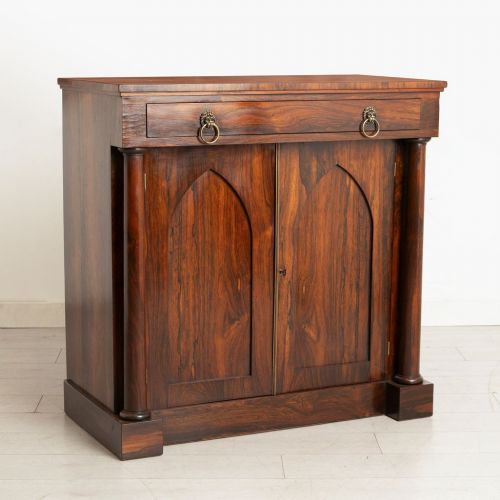
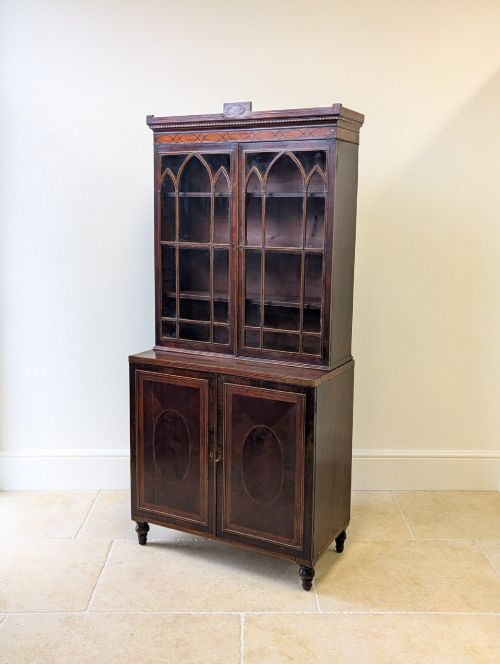
A gothic two door cabinet brings architectural presence and substantial storage into a room through pointed arches, heavy timbers, and symmetrical joinery.
Gothic Two Door Cabinet
A gothic two door cabinet unites practical storage with the soaring verticality and pointed motifs of medieval architecture. When searching for a gothic two door cabinet, buyers encounter pieces primarily executed in solid oak, walnut, and mahogany across the nineteenth and twentieth centuries.
Makers adapted the style through various periods, producing forms that function as bookcases, cupboards, and display cabinets with twin doors. Examples span from early nineteenth century interpretations to later revival pieces incorporating glazed panels, brass hardware, and intricate tracery.
The category overlaps closely with bookcases and sideboards, reflecting how cabinetmakers repurposed domestic storage forms to suit revival tastes. Buyers frequently find pieces influenced by regional vernacular traditions as well as grander metropolitan interpretations.
How they were made
Cabinetmakers constructed these pieces using dense hardwoods like oak, mahogany, and rosewood, often selecting figured timbers for door panels to create visual depth. Iron and brass hardware provided both functional hinges and decorative strapwork suited to the architectural aesthetic.
Joinery methods relied on sturdy frame and panel construction to accommodate seasonal wood movement in large double doors. Carved details such as tracery, crenelated cornices, and linenfold panels were worked directly into the solid timber or applied as separate mouldings.
What varies in quality
Quality rests upon the selection of timber and the crispness of the architectural carving executed across the facade. Superior pieces display tightly grained hardwoods and balanced proportions where doors hang true within their frames without sagging.
The integration of secondary elements, such as original brass fittings, hand-blown glass panes, and well-executed interior shelving, distinguishes workshop output. Finer examples maintain original surface finishes that reveal the natural figure of the mahogany, walnut, or oak.
James Winter and Sons
The Gothic Two Door Cabinet Glossary
- Gothic Revival
- An architectural and decorative style drawing inspiration from medieval design, featuring pointed arches and structural verticality. This movement heavily influenced nineteenth century cabinetmaking.
- Tracery
- Openwork stonework patterns translated into wooden cabinet panels or window glazing bars. It forms the primary decorative vocabulary on gothic doors.
- Crenelated cornice
- A battlelement-like architectural moulding running along the top edge of a bookcase or cabinet. It reinforces the medieval fortress aesthetic.
- Figured mahogany
- Timber exhibiting distinctive grain patterns such as flame or feather formations. Cabinetmakers reserved these boards for prominent exterior surfaces like doors.
- Chiffonier
- A low sideboard or cabinet with shelves or drawers, frequently produced during the Regency and Victorian periods. These pieces share storage functions with taller double door cupboards.
Gothic Two Door Cabinet: Frequently Asked Questions
What periods do these cabinets come from?
The listings span from the early nineteenth century through to the early twentieth century, encompassing Georgian, Regency, Victorian, and later revival periods.
Cabinetmakers continually reinterpreted medieval architectural motifs across these decades, resulting in diverse expressions from solid oak cupboards to glazed mahogany bookcases.
How were these two door cabinets originally used?
These pieces served as functional domestic storage for books, household linens, or displaying valued collections behind glass doors.
Larger variations combined lower cupboard storage with upper shelving, acting as central organizational furniture within libraries, dining rooms, and country house reception spaces.
What woods should I expect to find?
Construction primarily utilises oak, mahogany, walnut, and rosewood, occasionally supplemented by pine for internal elements and secondary framing.
Makers selected these dense timbers to support heavy architectural carvings and large double doors while ensuring structural longevity.
How do I distinguish between periods?
Early nineteenth century examples often display restrained classical proportions alongside emerging gothic motifs, while mid to late Victorian pieces frequently feature heavier, more aggressive architectural carving and tracery.
Twentieth century revival interpretations tend toward cleaner lines and solid oak construction, reflecting changing domestic tastes while retaining the foundational form.