


Gothic Revival Window Panel
These gothic revival window panel pieces are architectural fragments of ecclesiastical design, offering rich colour and historic character for modern interiors.
Gothic Revival Window Panel
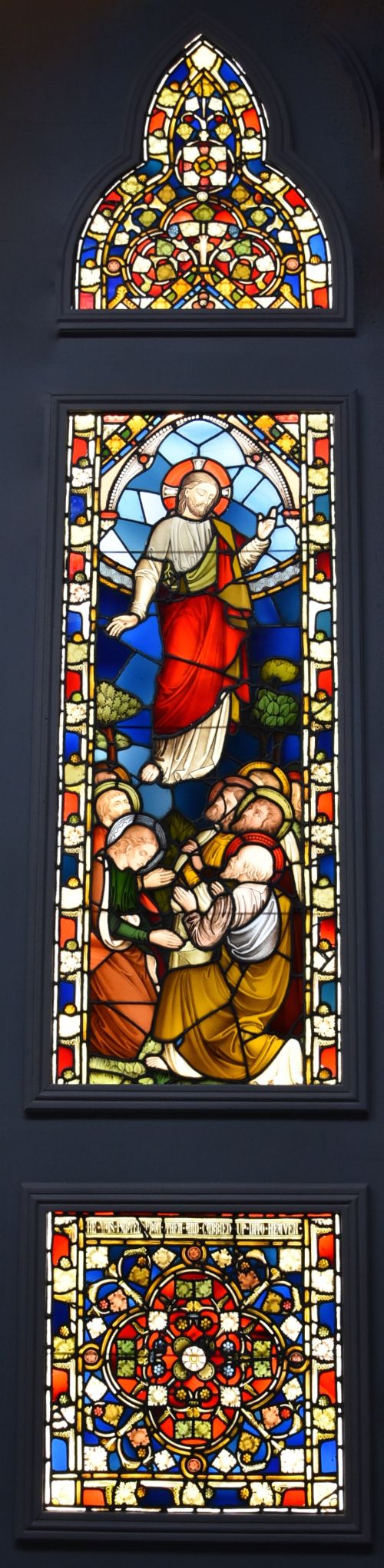
When you search for a gothic revival window panel, you are looking at architectural salvage originating from churches and ecclesiastical buildings dating through the nineteenth century. These items encompass stained glass panels, arched church windows, and carved wooden tracery sections that capture medieval architectural forms.
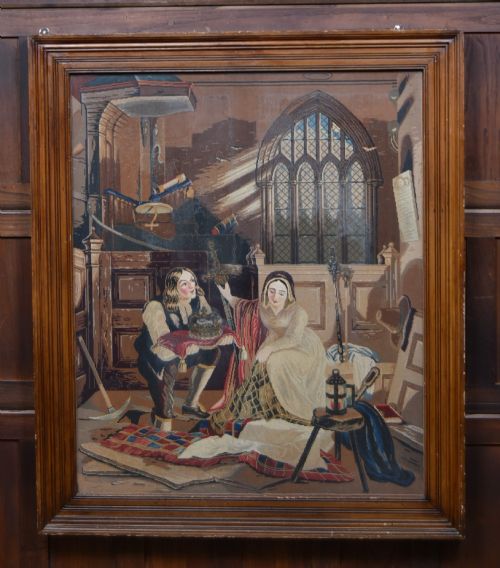
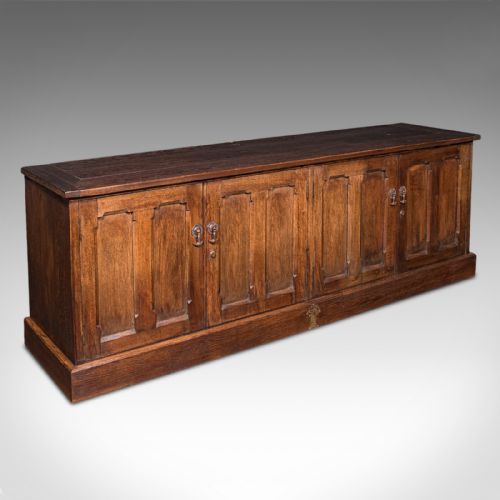
On this page, you are most likely to meet nineteenth-century stained glass panels and architectural woodwork featuring pointed arches and religious motifs. The selection includes leaded glass windows, timber dresser bases incorporating architectural elements, and painted panels depicting figures such as knights.
How they were made
The construction of these pieces relies on traditional craftsmanship involving lead, glass, wood, and iron. Artisans assembled stained and painted glass sections within flexible lead cames to form intricate pictorial and geometric designs.
Wooden components, including oak and pine, were hand-carved to create ecclesiastical church tracery and structural framing. Ironwork and lead reinforcement provided necessary support for large-scale windows exposed to structural pressures.
Listings feature items spanning the nineteenth century, including specific dates from eighteen-fifty to nineteen-hundred.
What varies in quality
Quality in these items is determined by the fineness of the hand-painted details on the glass and the complexity of the woodwork. Superior pieces exhibit intricate brushwork in figurative depictions, such as Victorian knights or religious scenes, alongside precise lead work.
The depth and execution of the carved wood tracery separate standard architectural salvage from exceptional examples. Original integration of materials and the preservation of authentic nineteenth-century patina dictate the standing of each piece within the range.
Sir Edward Burne-Jones
The Gothic Revival Window Panel Glossary
- Tracery
- The stonework or woodwork supporting glass in a gothic window, taking the form of intersecting ribs in geometric patterns. It defines the skeletal framework of ecclesiastical openings.
- Lead cames
- The slender grooved strips of lead used to hold pieces of stained glass together in a window panel. They form the dark linear network visible across the glass surface.
- Ecclesiastical
- Relating to the Christian Church or its clergy, describing buildings and furnishings designed for worship. Architectural salvage of this nature originates directly from religious properties.
- Pre-Raphaelite
- An artistic style associated with a nineteenth-century brotherhood rejecting academic art in favour of detailed observation and medieval aesthetics. Works from this movement often feature rich pigments and romantic narrative themes.
Gothic Revival Window Panel: Frequently Asked Questions
What is a gothic revival window panel?
It is an architectural salvage piece, typically made from stained glass, lead, and wood, created during the nineteenth century to emulate medieval church architecture.
These panels capture the revival of pointed arches, religious iconography, and traditional glazing techniques popularised during the Victorian era.
How were church windows originally installed?
They were built into stone or timber masonry openings of ecclesiastical buildings using iron armature bars for structural support against wind pressure.
Individual glass segments were held within lead cames and soldered together before being fixed into the structural window frame.
How do I hang a heavy glass panel?
Hanging these pieces requires secure wall brackets or internal window reveals that can support the combined weight of lead and glass.
Weight distribution must be managed carefully across the wooden or metal frame to prevent flexing and stress on the lead cames.
How can I tell nineteenth-century glass apart?
Nineteenth-century glass often displays hand-painted details, characteristic surface imperfections, and traditional lead joining techniques distinct from modern manufacturing methods.
Examining the back of the panel reveals the oxidation of the lead and the method of firing used for the painted pigments.