


Gothic Revival Storage Cabinet
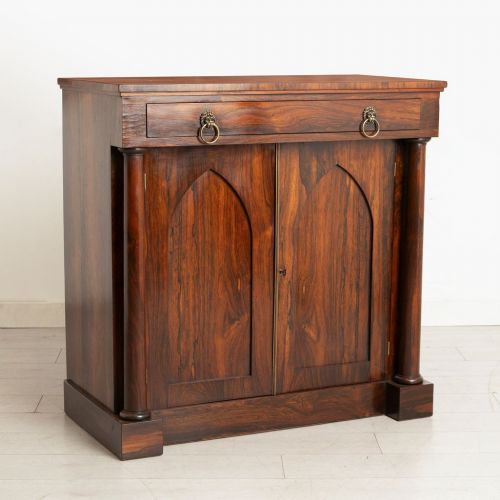
A gothic revival storage cabinet brings substantial architectural timber and medieval character directly into a modern interior.
Gothic Revival Storage Cabinet
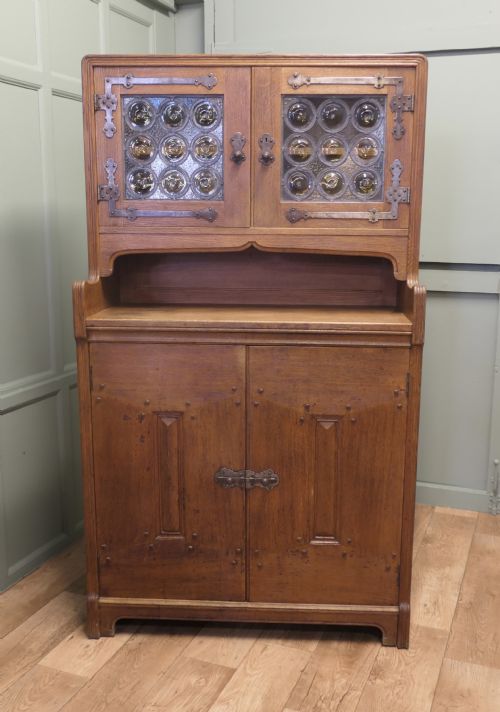
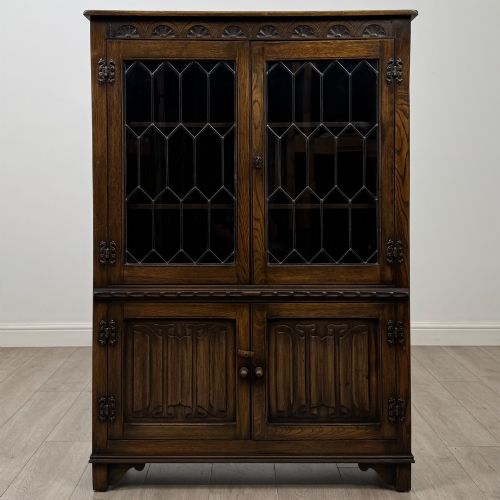
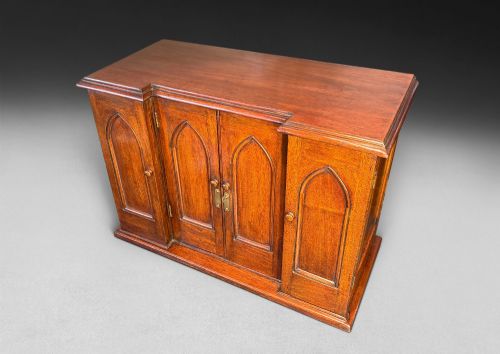
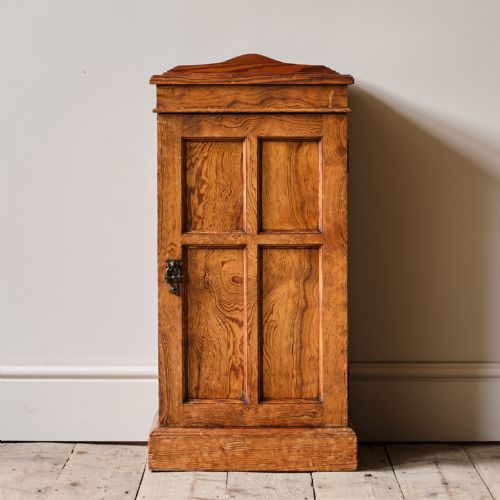
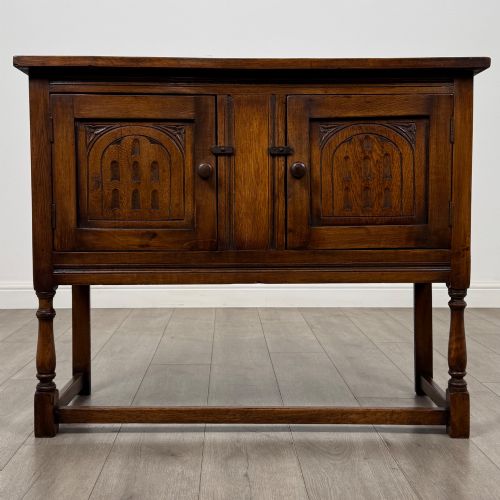
A gothic revival storage cabinet draws upon medieval ecclesiastical design, translating pointed arches, tracery, and linenfold panelling into functional domestic furniture. These pieces primarily date from the nineteenth century, including Victorian interpretations and later Edwardian variations produced in solid oak and pine.
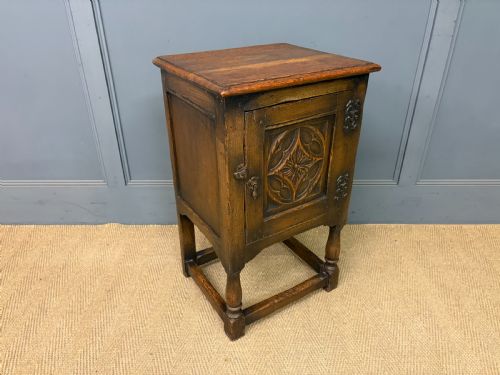
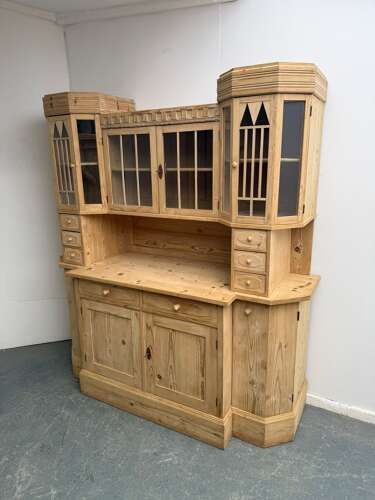
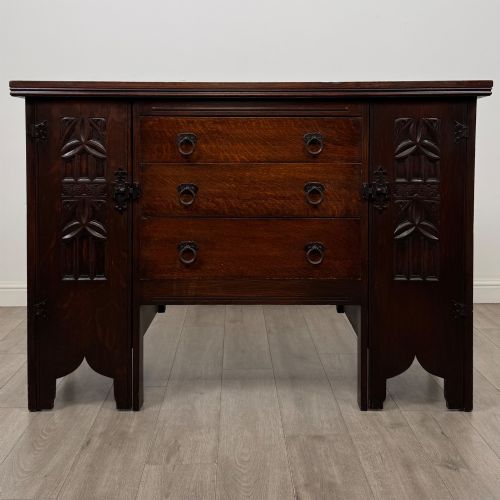
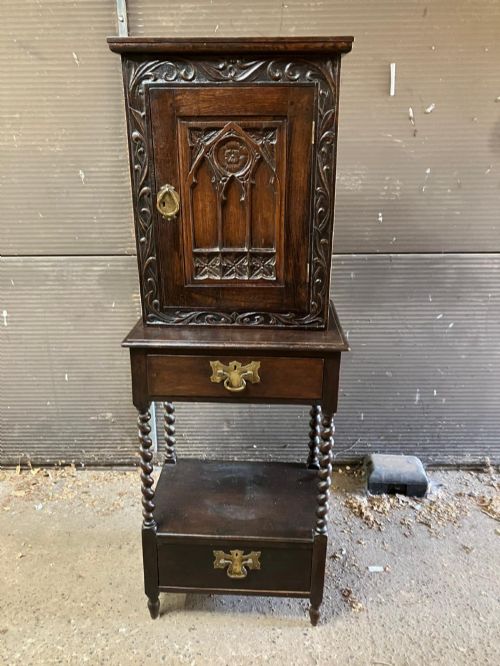
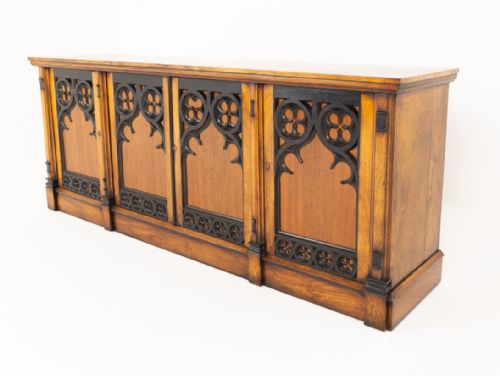
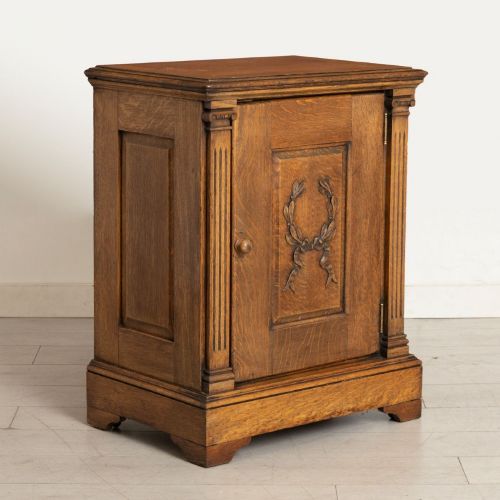
The format ranges from compact table-top collectors pieces and hall cupboards to large sideboards, bookcases, and livery cabinets. The version most commonly encountered on this page is the carved oak cupboard or sideboard, often displaying robust proportions and deep interior shelving.
Makers of these cabinets integrated structural storage with decorative motifs such as Green Man carvings, geometric strapwork, and glazed display doors. The regional influences vary from English Victorian revivals to continental French workshops and Arts and Crafts adaptations.
Materials and Construction
Carpenters relied heavily on solid oak, selected for its durability and suitability for deep relief carving, alongside secondary timbers like Oregon pine and deal in regional workshops. Timber was frequently waxed or polished to a dark, rich patina that emphasised the grain.
Metalwork played a structural and decorative role, with heavy wrought iron and brass hinges, lock plates, and drop handles securing heavy doors. Glass was utilised in glazed bookcase and display cabinet doors, sometimes held in place by traditional lead cames.
Listings span the nineteenth and early twentieth centuries, dominated by solid oak constructions alongside occasional Oregon pine and multi-wood pieces.
Assessing Craftsmanship and Proportion
Quality in these pieces rests upon the depth and precision of the timber carving, distinguishing crisp, hand-chiselled tracery from softer, mechanical mouldings. The integration of architectural elements, such as working panel doors and balanced proportions, defines the distinction between standard utilitarian storage and ambitious cabinet-making.
The integrity of the timber joints and the weight of the original brass or iron hardware indicate the original tier of production. Superior examples maintain structural stability in heavy oak doors without sagging, while retaining authentic patination accumulated over generations.
Liberty
The Gothic Revival Storage Cabinet Glossary
- Linenfold
- A style of wood carving that imitates folded parchment or linen, commonly used on cabinet doors in this tradition. It creates a subtle, textured vertical pattern across flat panels.
- Tracery
- Openwork stonework patterns adapted for woodwork, usually seen in the upper glazed or carved panels of cabinet doors. It mimics the geometric stone divisions found in gothic windows.
- Creedence cabinet
- A traditional sideboard or cupboard originally used for holding food or communion vessels. In later revival periods, the term describes low storage cabinets with ecclesiastical detailing.
- Livery cupboard
- A large storage cabinet traditionally used for provisions or clothing in great houses. These pieces offer substantial enclosed shelving behind heavy panelled doors.
- Green Man
- A sculptural architectural ornament depicting a human face surrounded by or sprouting foliage. It symbolises rebirth and appears frequently carved into the woodwork of these cabinets.
Gothic Revival Storage Cabinet: Frequently Asked Questions
How do I date a gothic revival cabinet?
Dating relies on examining the timber preparation, hardware types, and specific revival sub-styles present in the construction. Mid-nineteenth-century pieces often feature heavier, structural gothic elements, while later Edwardian examples incorporate lighter arts and crafts influences.
Secondary woods and the style of interior joinery further help narrow down the decade of manufacture. Comparing the patination and wear patterns to known dated examples provides additional clarity.
Were these cabinets used in churches?
While the decorative vocabulary borrows heavily from ecclesiastical architecture, these cabinets were built primarily for domestic households. They served practical storage functions in dining rooms, libraries, halls, and bedrooms.
The inclusion of linenfold panels and pointed arches was a deliberate aesthetic choice for Victorian homes rather than an indication of ecclesiastical origin.
How do I care for antique oak furniture?
Maintain solid oak cabinets by keeping them away from direct heat sources and dramatic humidity fluctuations, which can cause timber to split. Apply a traditional beeswax polish periodically to nourish the grain and protect the surface.
Avoid modern liquid silicone cleaners that can penetrate open wood pores and degrade the existing finish. Gentle dusting with a soft, dry cloth is sufficient for routine maintenance.
What is the difference between a sideboard and a livery cabinet?
A sideboard typically functions as a low serving surface, often featuring a combination of drawers and lower cupboards for dining room storage. A livery cabinet is generally a taller, enclosed cupboard designed for general storage.
Livery cabinets tend to present a more monumental facade with full-length panelled doors rather than open serving surfaces.