
Gothic Revival Oak Seating
Gothic revival oak seating brings architectural presence and rich period character into a room through sturdy timber and medieval forms.
Gothic Revival Oak Seating
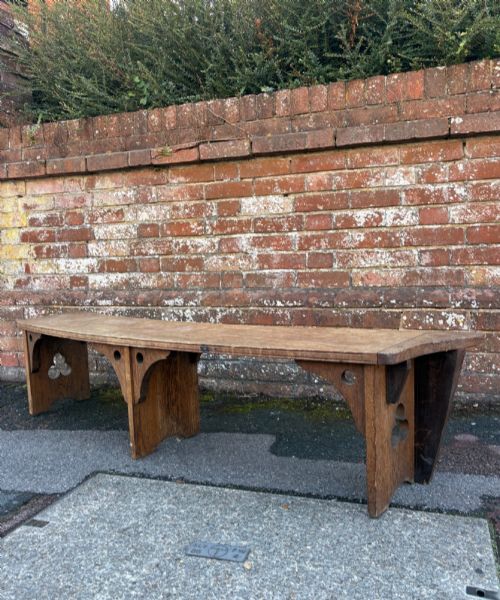
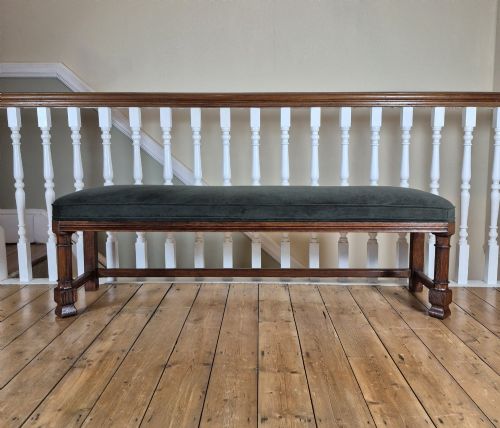
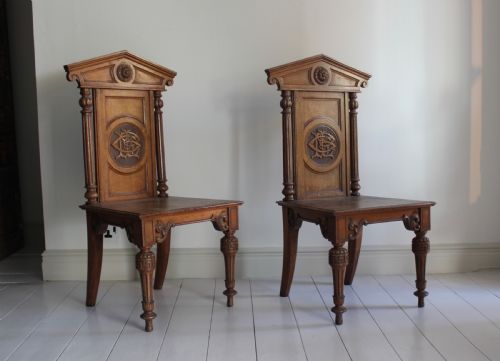
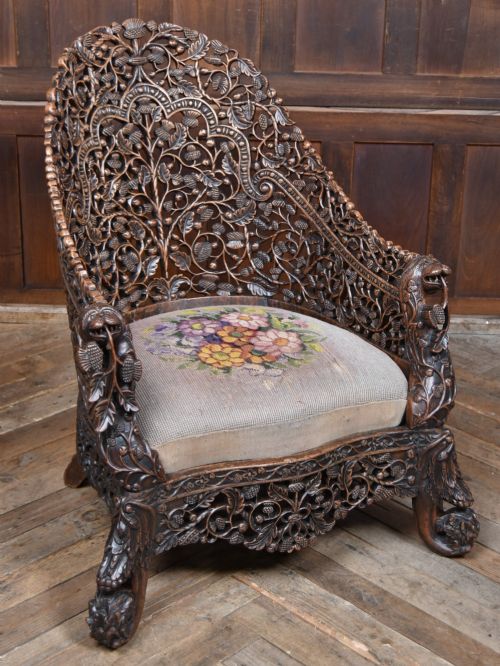
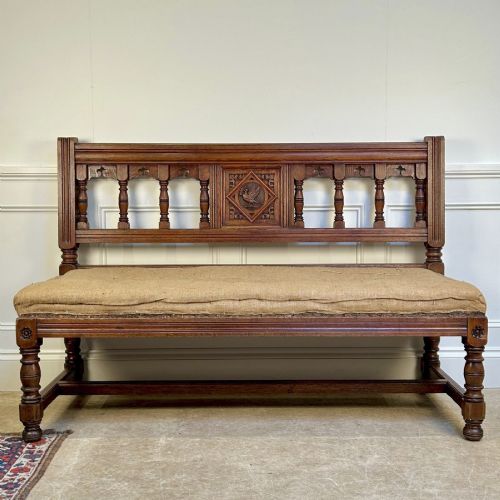
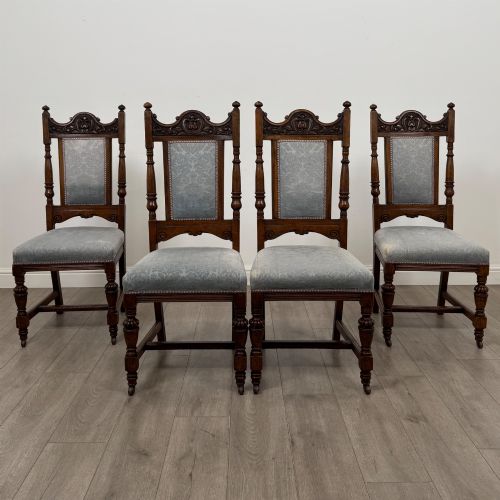
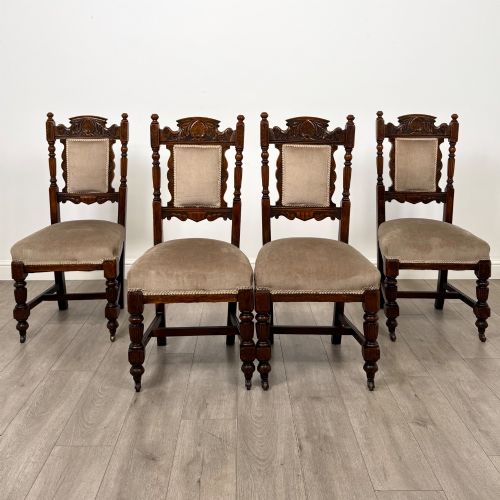
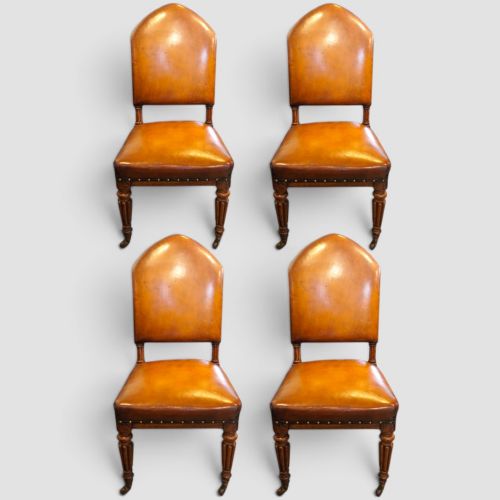
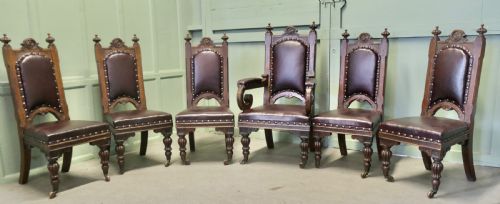
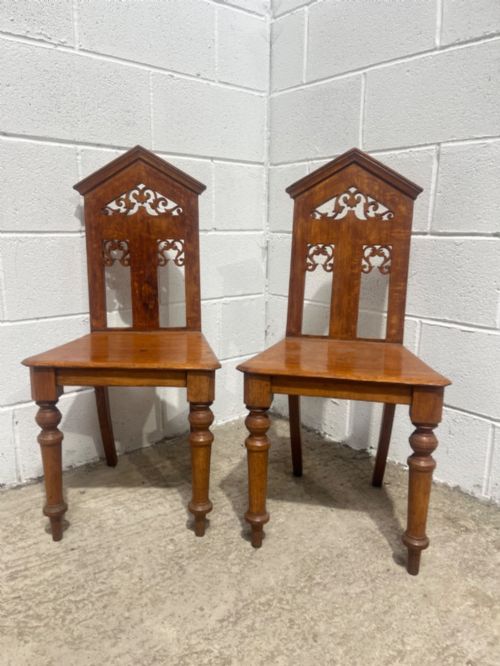
When searching for gothic revival oak seating, you encounter a range of functional furniture primarily spanning the nineteenth century, including the Victorian and Edwardian eras. These pieces comprise dining chairs, hall chairs, armchairs, benches, and window seats rooted in architectural forms.
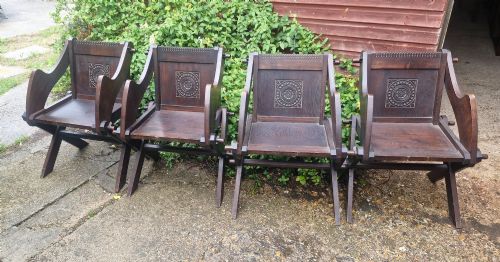
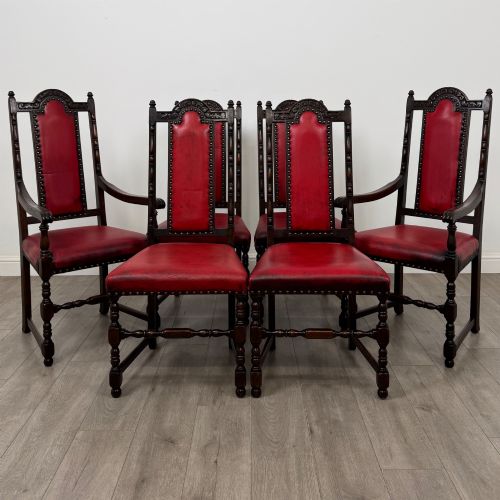
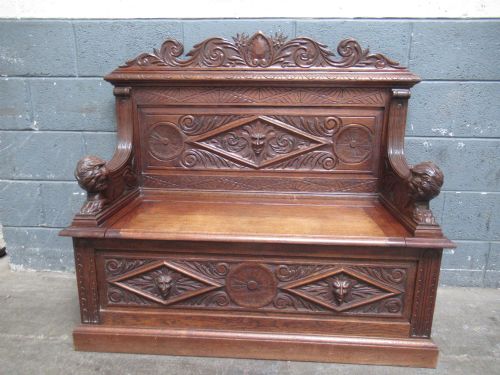
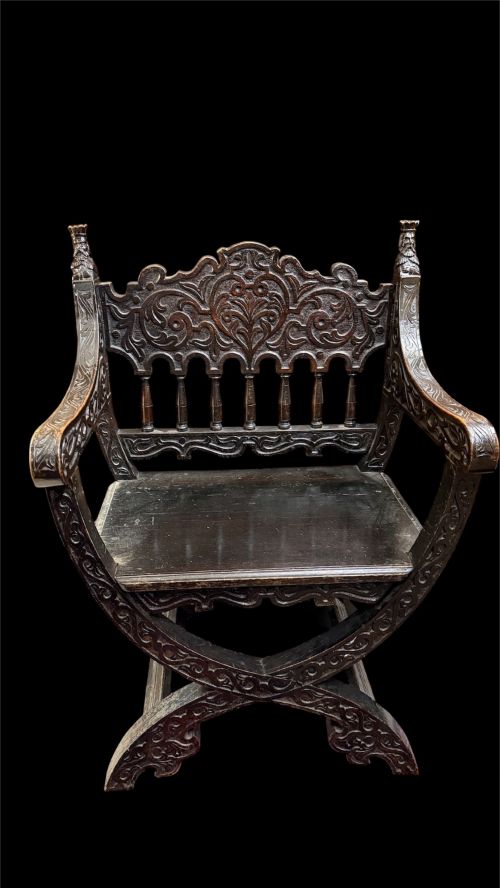
The selections on this page frequently originate from English and European workshops, displaying distinct revival styles such as Jacobean, Arts and Crafts, and Renaissance Revival. Common forms include high-back carved dining chairs, Glastonbury armchairs with trefoil details, and substantial hall benches.
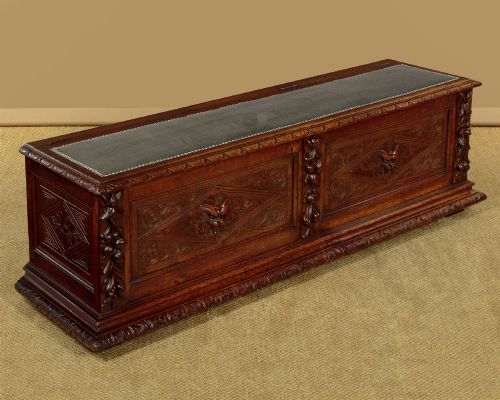
Makers and commissioners ranged from notable cabinet makers like Gillows to institutional commissions for locations such as St Paul's Cathedral. Pieces span from simple church chairs to heavily carved architectural settles and ottoman box seats.
What varies in quality
Quality reveals itself in the crispness and depth of the timber carving, distinguishing between sharply defined architectural details and softened or later ornamentation. The choice of oak timber itself sets pieces apart, particularly where golden oak or dense grain patterns are selected.
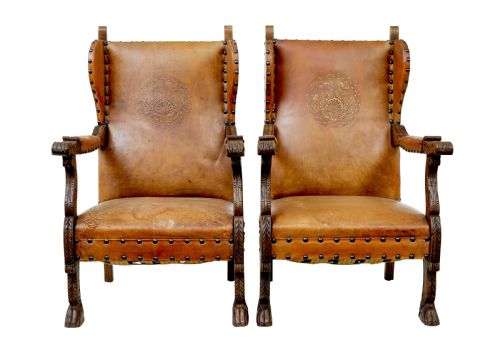
Construction integrity defines the upper tier of these pieces, seen in robust joinery that supports heavy use over generations. Original upholstery materials, such as period leather or hand-woven tapestry, elevate a piece compared to later replacements.
Listings feature solid oak combined with leather, brass, and velvet across Victorian and Edwardian periods.
Gillows·Bruce James Talbert
The Gothic Revival Oak Seating Glossary
- Glastonbury chair
- A type of folding armchair with an X-frame, sloped arms, and a panel seat, popular during the Gothic Revival period.
- Trefoil
- A graphic ornament composed of three intersecting circles or leaf-like lobes, commonly pierced through wooden chair backs and supports.
- Settle
- A wooden bench with high back, solid arms, and often a storage box beneath the seat, designed to keep out drafts in large halls.
- Tracery
- Openwork architectural ornamentation reminiscent of stone window divisions, translated here into wooden chair backs and gallery rails.
- Jacobean Revival
- A decorative style mimicking seventeenth-century English design, characterised by heavy turned legs, geometric moulding, and sombre oak panels.
Gothic Revival Oak Seating: Frequently Asked Questions
How do I date a gothic revival oak chair?
Dating relies on stylistic clues, construction methods, and period markers such as Victorian registry marks or maker stamps. Pieces range from the early nineteenth century through the Edwardian era.
Later Victorian and Edwardian examples often blend Gothic Revival with Arts and Crafts or Jacobean influences.
Were these chairs used in homes?
While some pieces originate from churches or cathedrals, many were made specifically for Victorian domestic spaces like reception halls, libraries, and dining rooms.
Hall chairs and benches served as functional seating for guests, while armchairs and settles provided heavier comfort near firesides.
What materials accompany the oak?
Makers paired solid oak with materials such as brass fittings, metal reinforcement, and elm for secondary woods. Upholstery included leather, embossed leather, velvet, and tapestry.
Some examples also feature painted finishes or upholstered pads secured with decorative studs.