
Gothic Revival Oak Furniture
Gothic revival oak furniture brings medieval architecture into the domestic interior through deep relief carving, pointed arches, and solid timber construction.
Gothic Revival Oak Furniture
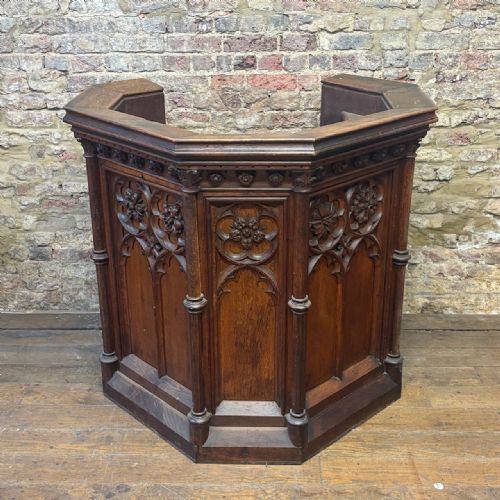
Gothic revival oak furniture draws inspiration from medieval ecclesiastical and architectural motifs, emerging strongly during the nineteenth century in domestic and religious settings. Buyers seeking this aesthetic will find robust seating, ecclesiastical desks, and storage pieces designed with ecclesiastical severity.
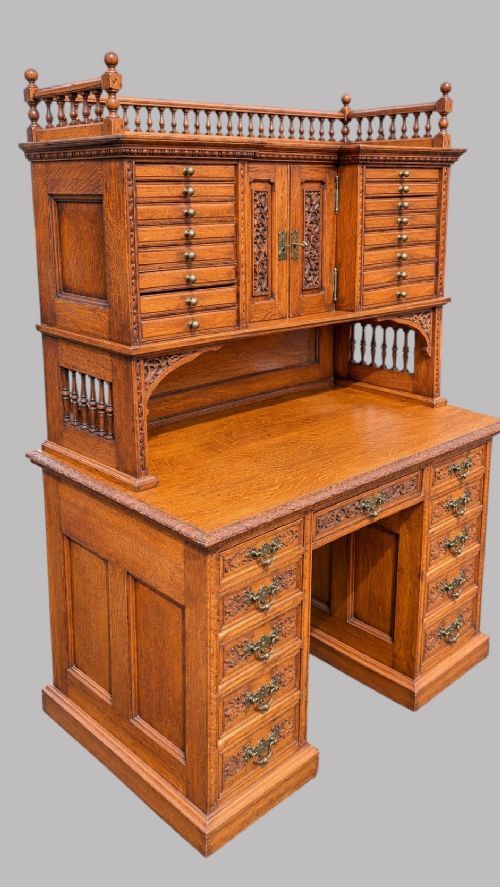
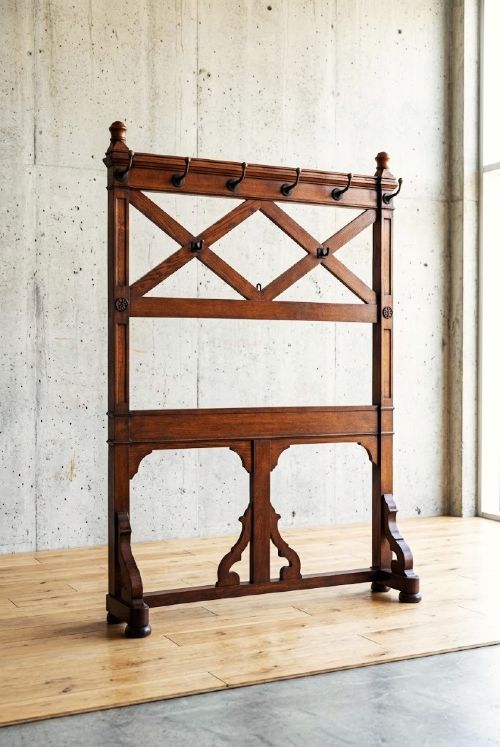
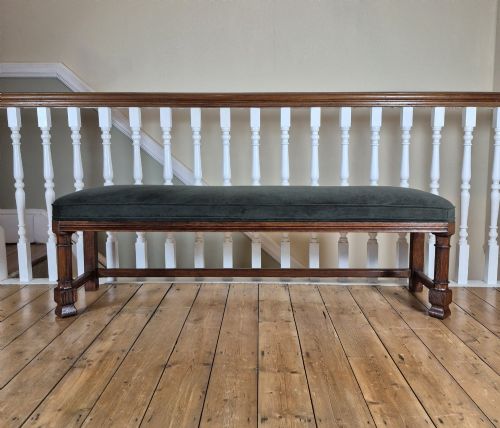
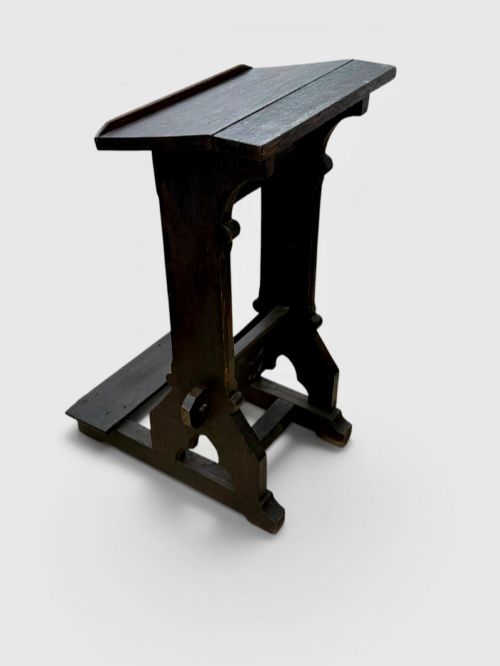
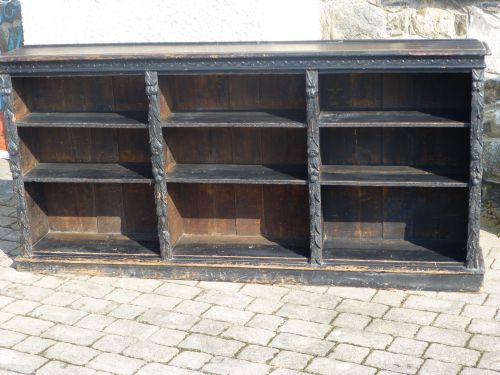
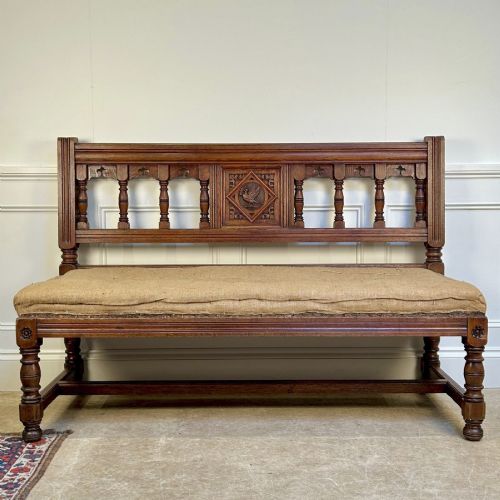
The pieces represented on this page span the Victorian and Edwardian eras, alongside related nineteenth century interpretations. Common forms include hall benches, side tables, bookcases, and prayer desks that utilise solid timber frames.
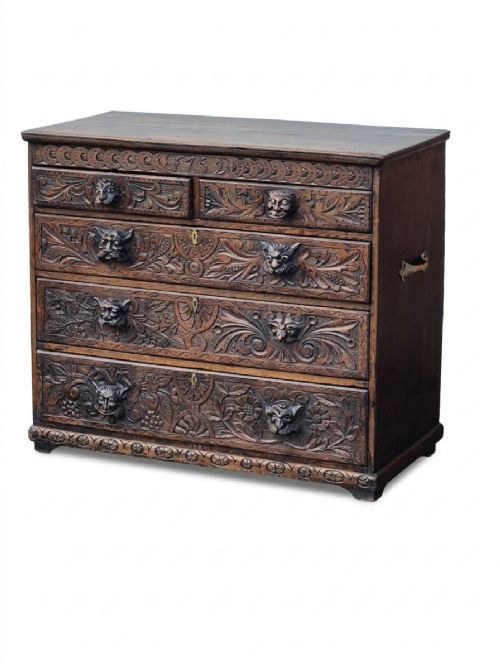
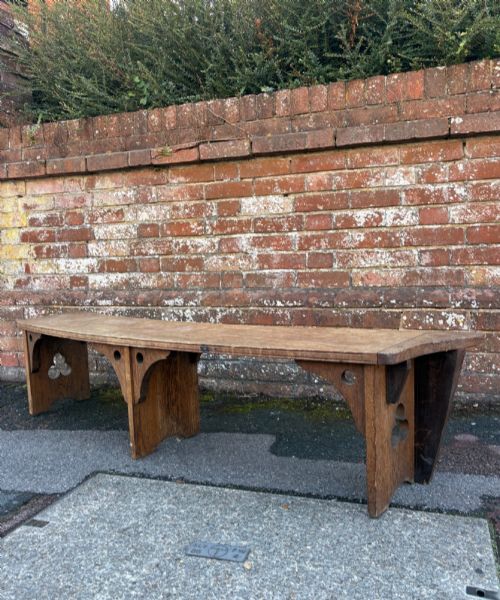
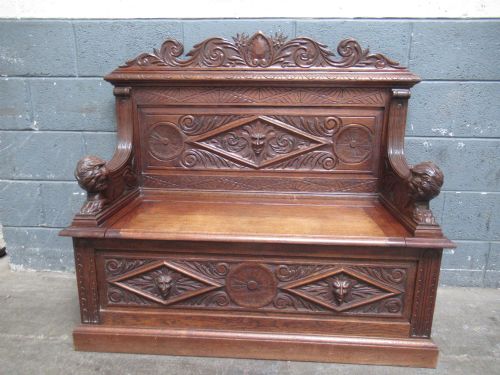
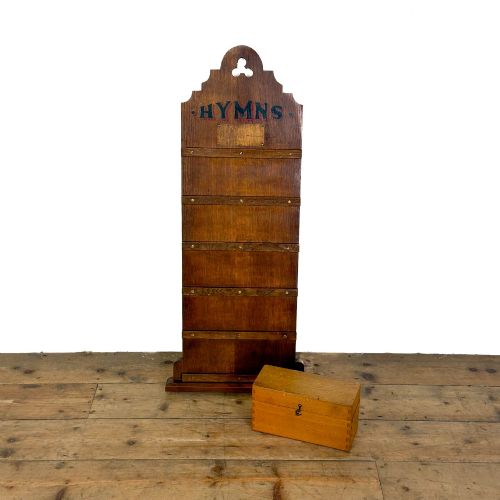
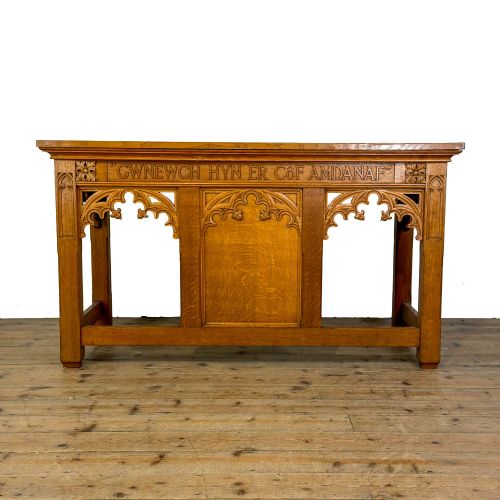
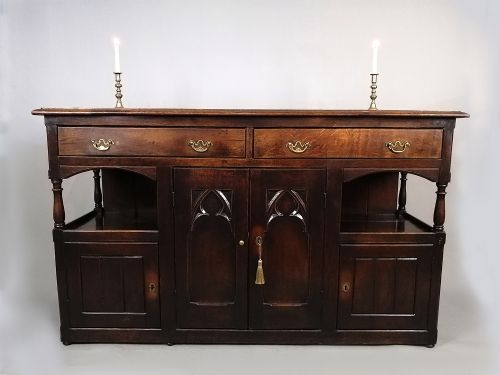
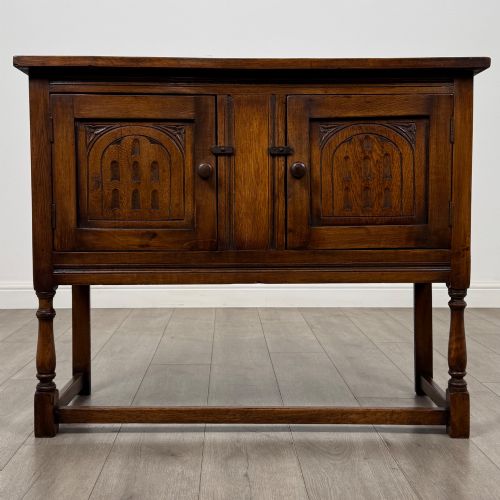
Makers adapted ancient pointed archways, trefoil carvings, and grotesque masks for everyday functional items. These domestic adaptations translate stone cathedral details into usable household timber.
Standards of Execution
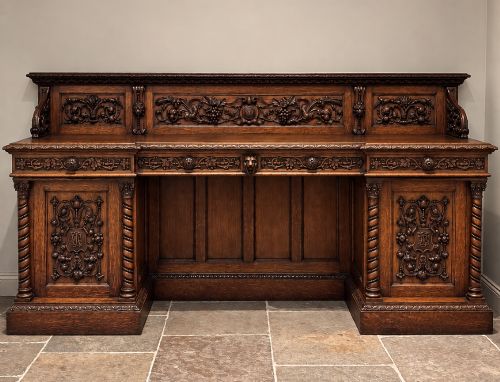
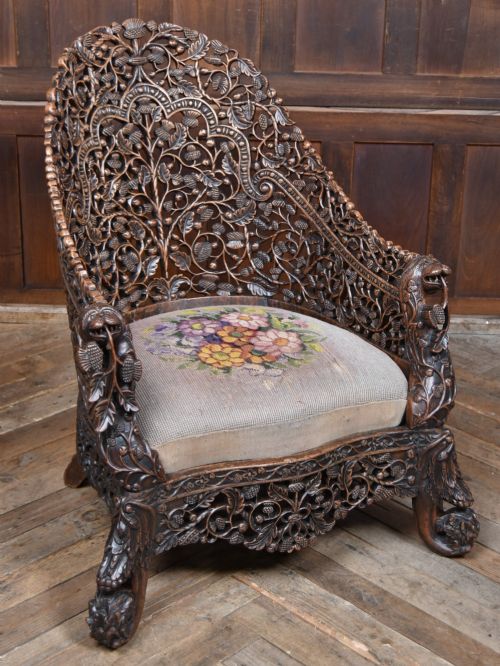
Quality rests primarily in the depth, crispness, and artistic execution of the hand carving rather than surface finish alone. Superior examples display sharply defined relief work with naturalistic detail in foliage and figures, whereas lesser pieces rely on shallow machine routing or simplified mouldings.
The selection of the timber grain and the integrity of the structural joinery dictate longevity and aesthetic harmony. Dense quarter-sawn oak with medullary rays denotes a higher grade of material preparation than plain flat-sawn alternatives.
Several pieces feature staring green man masks ready to oversee your hallway post.
Gillows·Arthur Simpson of Kendal·Heals·S and H Jewell
The Gothic Revival Oak Furniture Glossary
- Trefoil
- A three-lobed ornamental design resembling clover leaves, frequently pierced through the backrests or supports of Gothic seating.
- Green Man
- A sculptural motif depicting a human face disgorging foliage, common in medieval stonework and adopted by nineteenth century woodcarvers.
- Prie-Dieu
- A devotional desk designed for kneeling during prayer, typically fitted with an inclined shelf for books and a padded lower rail.
- Linenfold
- A style of wood paneling carved to resemble folded vertical sheets of fabric, popular in late medieval and revival interiors.
Gothic Revival Oak Furniture: Frequently Asked Questions
How do I care for oak furniture?
Maintain stable indoor humidity levels to prevent the heavy timbers from splitting or warping over time. Apply traditional beeswax sparingly to nourish the grain and buff gently with a soft cloth.
Avoid placing these pieces near direct heat sources or in prolonged direct sunlight, which can fade the rich natural tones of the wood. Dust regularly with a dry cloth to protect the intricate recessed carvings from dirt accumulation.
Where were these pieces used?
Original locations ranged from country house entrance halls and libraries to rectories and domestic studies. Church items such as pulpits and altar tables served formal ecclesiastical functions.
Domestic adaptations brought the same monastic aesthetic into Victorian parlours and dining rooms. Hall benches and coat stands furnished grand entranceways to impress arriving visitors.
How do I date a piece?
Examine the construction methods, tool marks, and hardware types used within the concealed joints of the furniture. Machine-cut screws and standardised fixings point towards later nineteenth or twentieth century production.
Stylistic shifts also provide clues, as mid-nineteenth century works often display heavier architectural proportions influenced by Pugin. Later Edwardian examples tend to incorporate lighter Arts and Crafts tendencies alongside standard Gothic motifs.
Can these fit modern interiors?
The substantial presence of dark timber anchors contemporary minimalist spaces by providing a strong focal point and textural contrast. Pairing a carved oak side table or bench with neutral walls highlights the intricate detail of the woodwork.
Practical forms like bookcases and small desks integrate easily into everyday living areas without overwhelming the room layout. Their enduring structural utility matches their distinct historic character.