




Gothic Oak Hall Bench
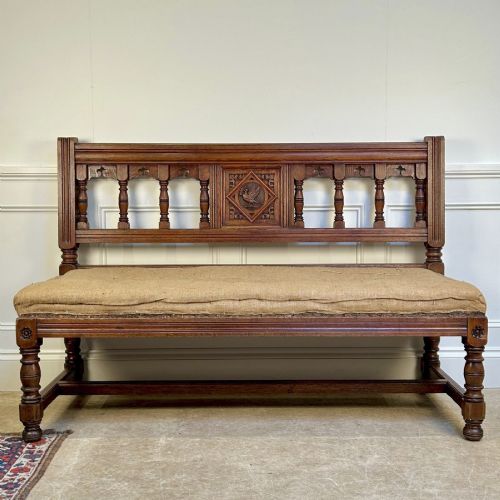
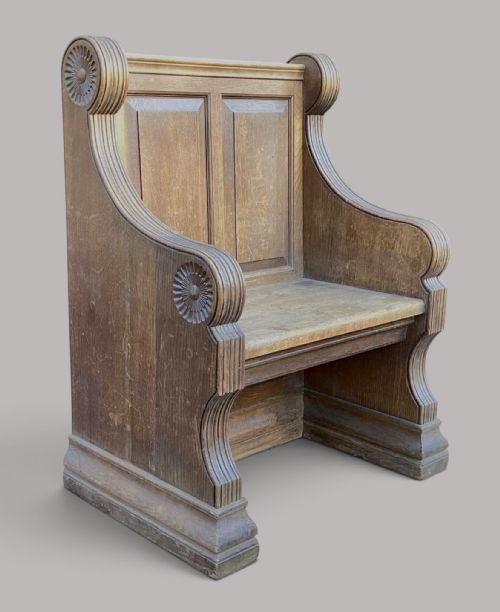
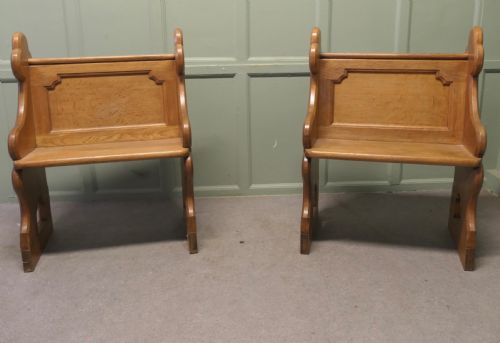
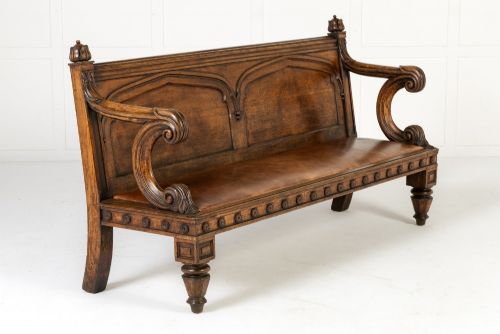
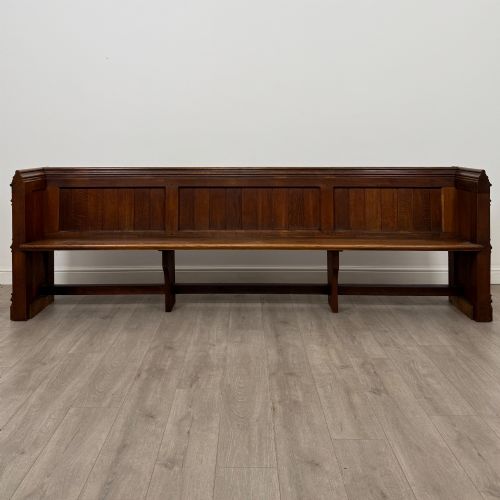
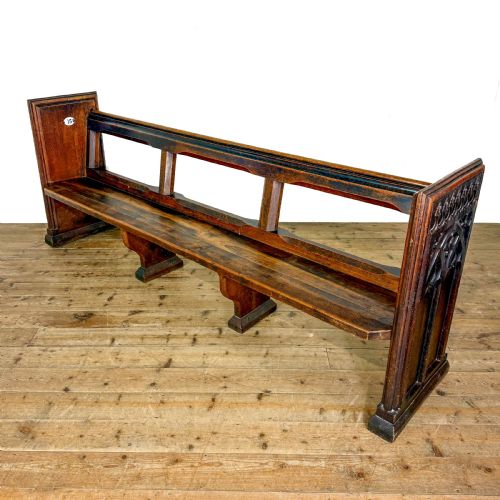
Gothic oak hall bench designs combine sturdy nineteenth-century architectural forms with dramatic carved tracery to anchor an entrance hall.
Gothic Oak Hall Bench
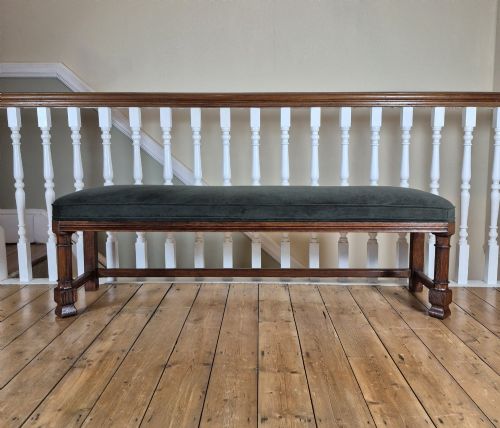
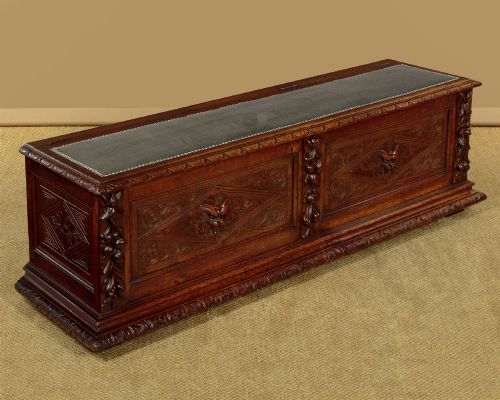
A gothic oak hall bench serves as a substantial seating option for entryways, reception rooms, and hallways, often incorporating storage within lift-up seats or settle boxes. Most pieces seen on this page date from the nineteenth century, ranging through Victorian, Arts and Crafts, and Gothic Revival styles.
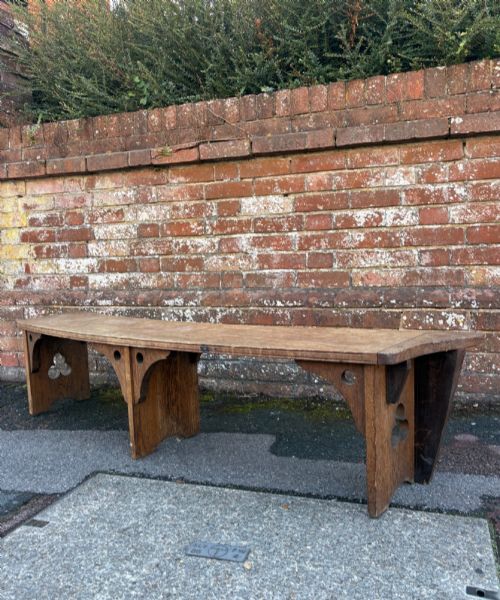
The form draws on architectural traditions, featuring panelled backs, trefoil cut-outs, and structural members reminiscent of ecclesiastical woodwork. Makers produced variations from long pews and settle benches to compact window seats and monks benches.
Makers utilised solid timber frames to construct heavy furniture designed to withstand the daily traffic of domestic halls. Examples frequently display stylistic influences from the Victorian era alongside revival movements such as Jacobean and Renaissance forms.
What varies in quality
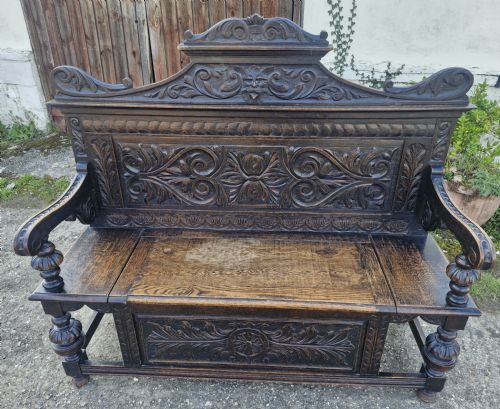
The depth and crispness of the timber carving separate standard production pieces from finer examples bearing the hallmarks of specific workshops and designers. Crisp relief work on trefoils, linenfold panels, and figural details indicates superior bench execution.
The selection of timber grain and the integrity of the solid oak construction dictate the longevity and structural stability of each hall seat. Superior examples maintain original lift mechanisms, uncompromised joints, and patinated surfaces untouched by excessive restoration.
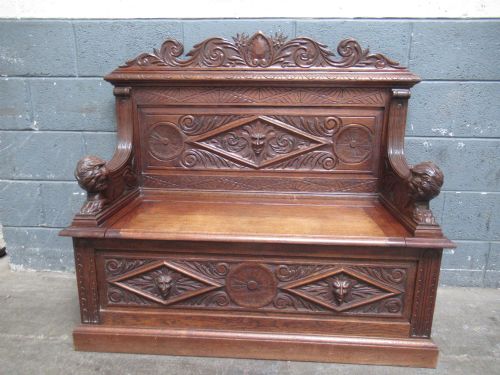
Several Victorian benches secretly watch over the hallway by incorporating watchful Green Man faces carved straight into the timber.
GIllows
The Gothic Oak Hall Bench Glossary
- Gothic Revival
- An architectural and decorative style popular during the nineteenth century that revived medieval forms such as pointed arches, trefoils, and heavy structural framing.
- Settle
- A wooden wooden bench with a high panelled back, solid arms, and frequently a box compartment beneath the seat for storage.
- Monks bench
- A convertible piece of furniture featuring a hinged back that folds down over the arms to form a flat table top.
- Trefoil
- A three-lobed ornamental design resembling clover leaves, frequently pierced through the timber backs and supports of Gothic furniture.
- Green Man
- A sculptural architectural motif representing a human face surrounded by or sprouting from foliage, commonly found on nineteenth-century carved woodwork.
Gothic Oak Hall Bench: Frequently Asked Questions
Where should I place a gothic oak hall bench?
These benches suit entrance halls, wide corridors, and reception rooms where their substantial depth and architectural backing can be appreciated against a plain wall. They also function well in large living spaces as window seats or secondary seating.
Ensure you measure the clearance space for lift-up lids or folding monk bench mechanisms before positioning the piece in a narrow hallway.
How do I maintain an antique oak bench?
Regular dusting with a dry, soft cloth preserves the timber surface, while occasional applications of beeswax nourish the grain without building up heavy chemical residues. Keep the bench away from direct heat sources and severe temperature fluctuations to prevent the oak from splitting.
Check joint stability periodically and tighten internal fixings gently if natural timber shrinkage occurs over time.
How can I tell a Victorian gothic bench from earlier work?
Nineteenth-century revival pieces display mechanical saw marks, standardised hardware, and specific Victorian interpretations of medieval tracery rather than genuine medieval wear patterns. Most surviving examples date between eighteen-fifty and nineteen-hundred.
Construction methods utilising machine-planed boards combined with hand-carving point directly to the nineteenth-century revival workshops.