
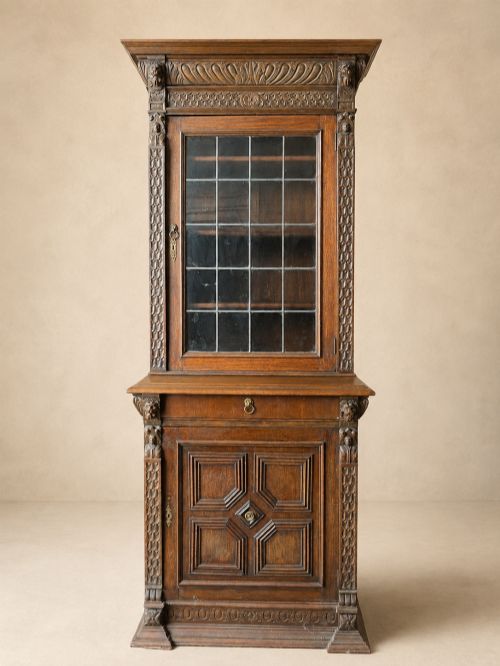
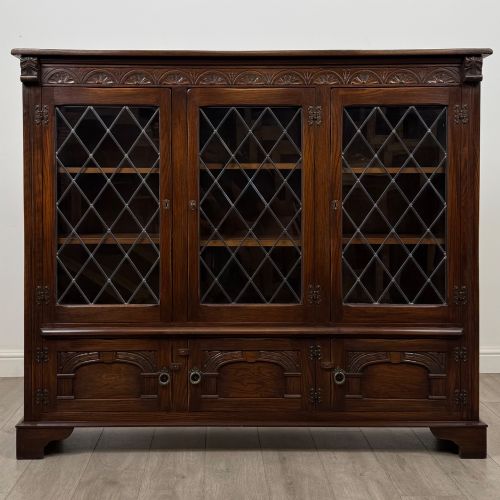
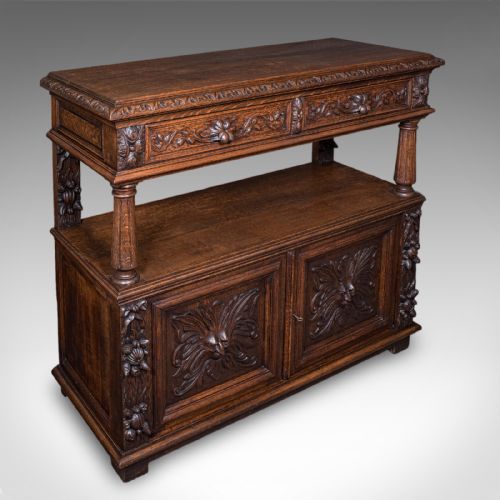
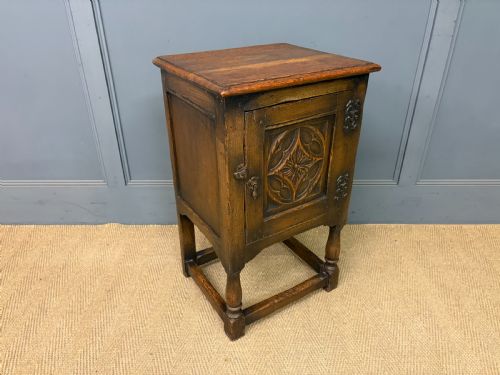
Gothic Oak Cupboard
A gothic oak cupboard brings medieval presence and robust construction into a room, offering practical storage disguised in rich, carved architectural forms.
Gothic Oak Cupboard
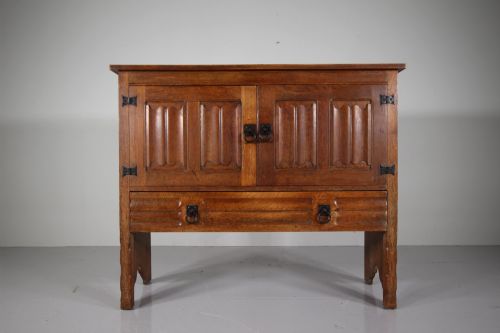
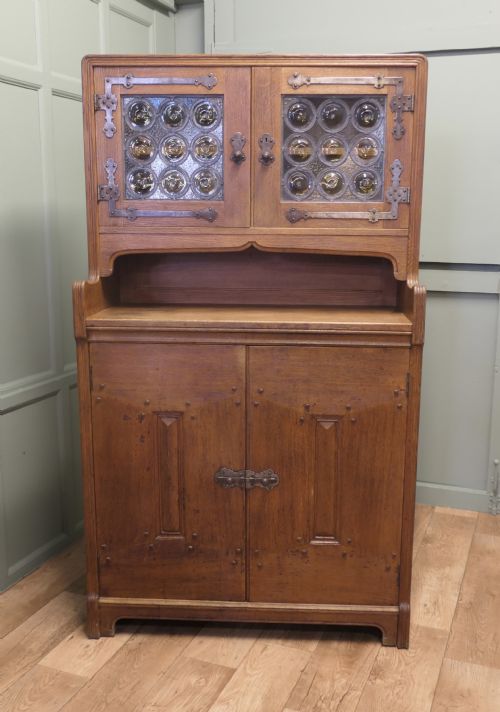
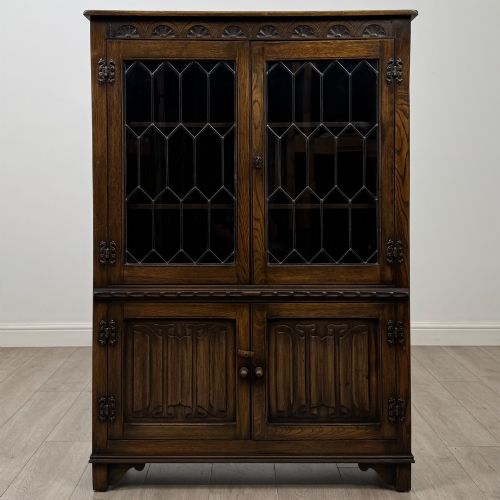
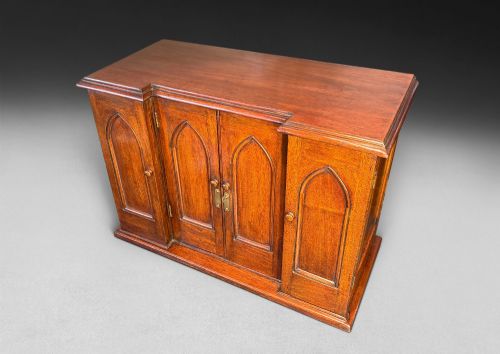
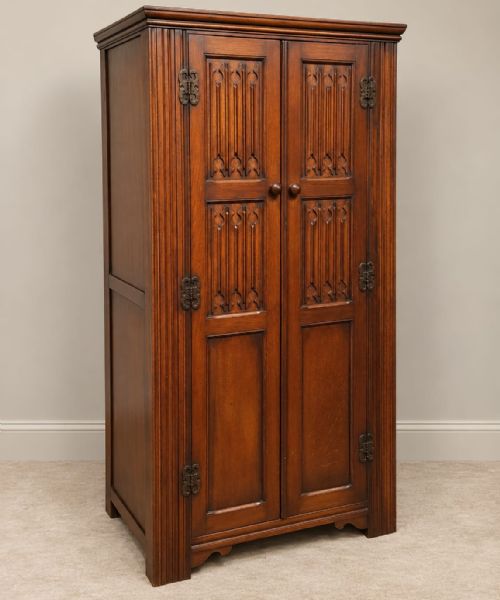
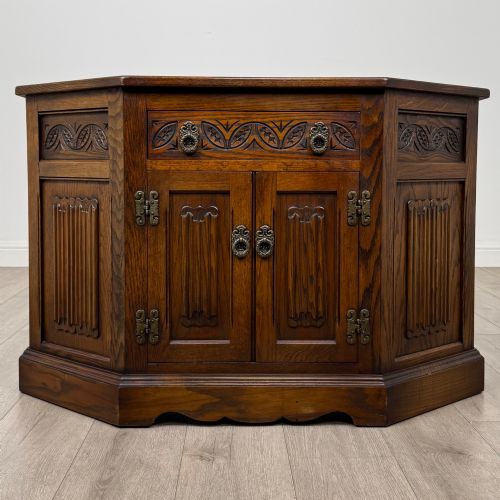
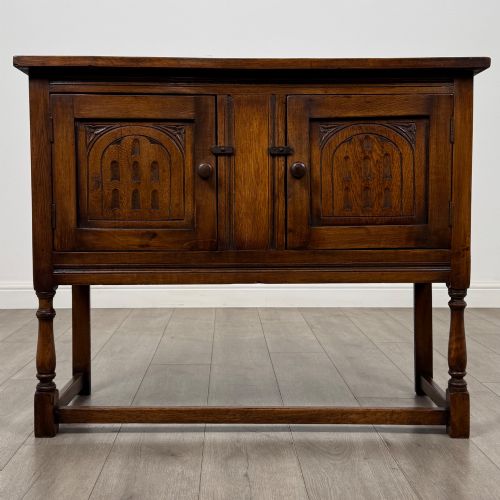
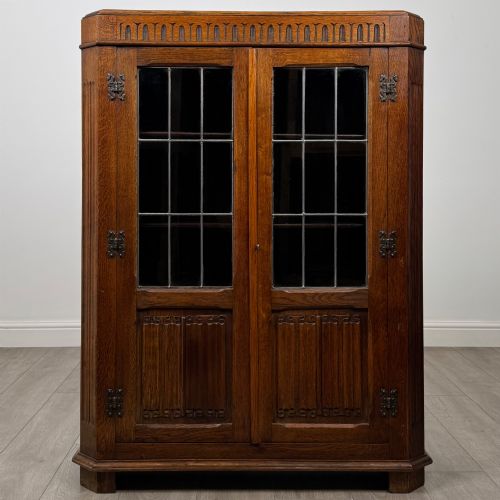
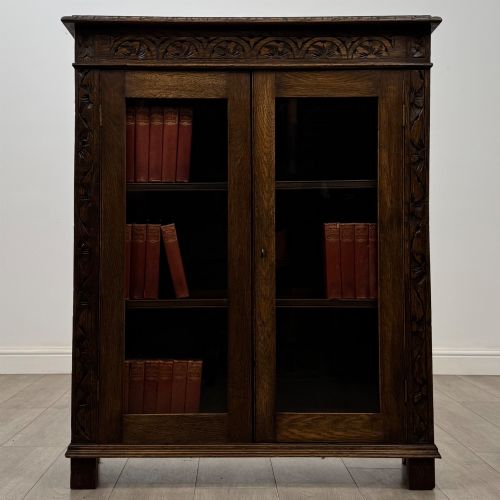
A gothic oak cupboard unites heavy timber construction with pointed archways, tracery panels, and ecclesiastical motifs drawn from medieval architecture. These pieces emerge primarily from the nineteenth and early twentieth centuries, spanning Victorian revivals, Edwardian adaptations, and Arts and Crafts interpretations.
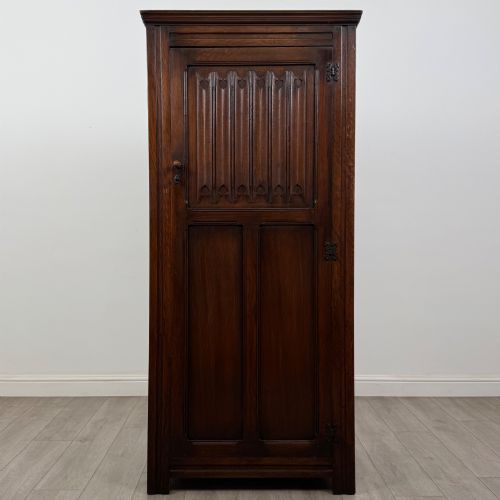
The forms vary widely across domestic and regional uses, taking shape as corner cupboards, vestry presses, wall-mounted cabinets, and court cupboards. Most examples display the deep brown tones of solid oak or golden oak, sometimes accented by pollard oak sections or painted surfaces.
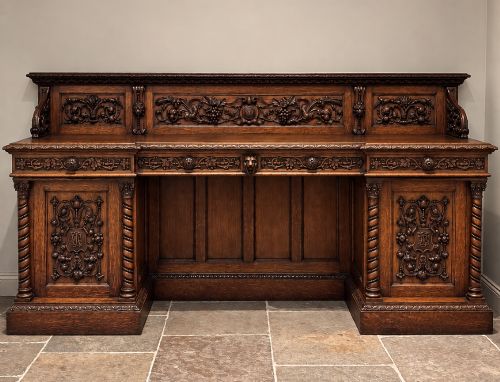
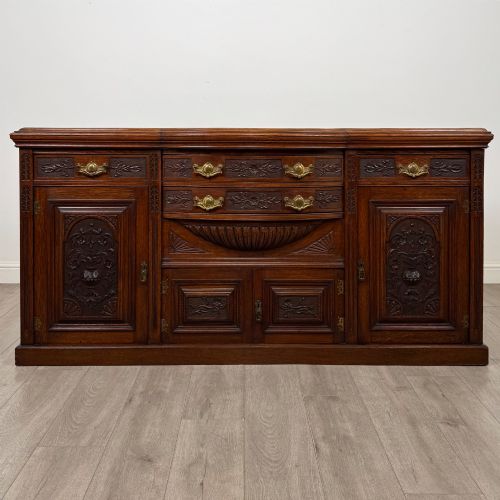
Buyers encounter country pieces alongside formal revival sideboards and ecclesiastical cabinets, reflecting a broad nineteenth-century enthusiasm for medieval design. Each variation shares a reliance on sturdy joinery and dense timber to support elaborate surface carving.
Materials and construction methods
Cabinetmakers relied heavily on solid oak, utilising its dense grain to support deep relief carving without losing structural integrity. Selected pieces incorporate pollard oak for decorative contrast, alongside pine or secondary softwoods in internal framing.
Hardware played both a functional and decorative role, featuring wrought iron hinges, brass drop handles, and occasionally leaded glass panels within door frames. Joinery techniques prioritized mortise and tenon frames, allowing large timber panels to withstand seasonal movement.
Gothic Oak Cupboard Retail Price Guide 2026
Typical asking prices for gothic oak cupboard among the pieces listed under this phrase on Sellingantiques today, from the lower quarter to the upper quarter. They describe what is for sale here now, not the wider market.
Some cupboards hide grinning foliage-sprouting faces inside quiet corners, watching over your stored linens with leafy amusement.
Evaluating craftsmanship and proportion
Quality rests in the depth and crispness of the hand-carved ornament, where lesser pieces show flat, mechanical tooling and superior examples reveal sharp undercut tracery and expressive green man masks. The selection of timber grain, particularly matched quarter-sawn oak rays, separates ordinary utility pieces from ambitious revival commissions.
Proportion and architectural balance dictate the overall success of the piece, as poorly scaled cornices or heavy-handed additions disrupt the medieval aesthetic. Original hardware, tight panel joints, and untouched patination further elevate the standing of a cabinet.
The Gothic Oak Cupboard Glossary
- Tracery
- Openwork stonework patterns translated into wooden panel carvings, typically featuring intersecting arches or geometric shapes. This feature defines much of the gothic revival aesthetic on door panels.
- Linenfold
- A carved wood panel motif that imitates the appearance of folded vertical folds of fabric or drapery. It appears frequently on fifteenth-century and later revival cupboard doors.
- Court cupboard
- A traditional double-tiered storage piece featuring an enclosed upper section supported by pillars above a lower cabinet base. These pieces provide substantial display and storage space.
- Aumbry
- A small recessed cupboard or cabinet traditionally used in churches for storing sacred vessels and vestments. Domestic revival versions retain this compact, utilitarian wall-mounted character.
- Green Man
- A sculptural architectural motif consisting of a man's face surrounded by or sprouting from foliage and vines. It symbolizes rebirth and appears carved into various nineteenth-century furniture panels.
Gothic Oak Cupboard: Frequently Asked Questions
How do I date a gothic oak cupboard?
Dating relies on examining construction marks, timber preparation, and the specific style of revival ornament applied to the frame. Nineteenth-century pieces often display machine-sawn backing boards alongside hand-carved panels, while earlier examples show entirely pit-sawn or hand-riven timber traits.
Hardware styles, peg construction, and secondary woods like pine or deal offer further clues to whether a piece originates from the Victorian era, the Edwardian period, or earlier centuries.
Where were these cupboards placed originally?
Original locations ranged from country house dining rooms and entrance halls to ecclesiastical vestries and domestic bedrooms. Corner cupboards and wall-hung cabinets were designed to utilise modest domestic spaces efficiently.
Larger court cupboards and press cupboards served as principal storage for household linens and dry goods in grander living areas.
How do I care for solid oak furniture?
Maintain solid oak furniture by keeping it away from direct heat sources and sudden humidity shifts that cause timber to split. Regular dusting with a dry, soft cloth preserves the natural grain and finish.
Apply a microcrystalline wax sparingly when the wood appears dry, buffing gently to maintain a protective barrier against moisture.
What is the difference between revival styles?
Victorian Gothic revival pieces tend to feature heavy, dramatic carving with deep relief and architectural gables, reflecting romantic medievalism. Arts and Crafts interpretations focus on simpler structural lines, exposed joinery, and honest materials without excessive ornament.
Jacobean and Tudor revivals lean towards geometric strapwork, turned pilasters, and panelled box construction rather than ecclesiastical arches.