


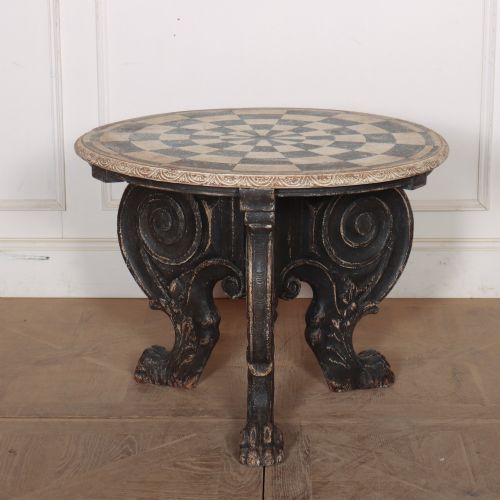


Gothic Oak Accent Table
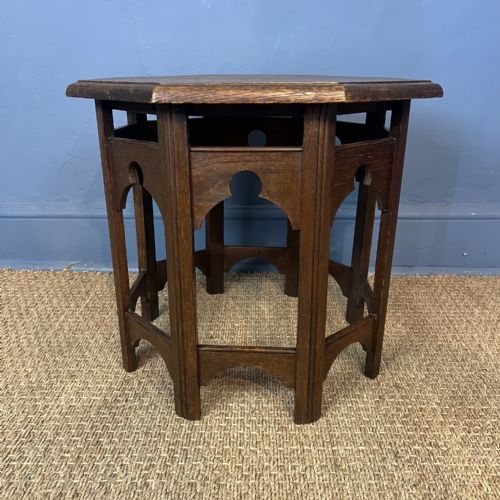
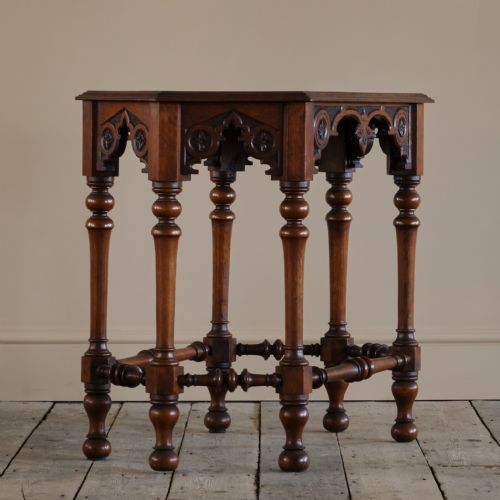
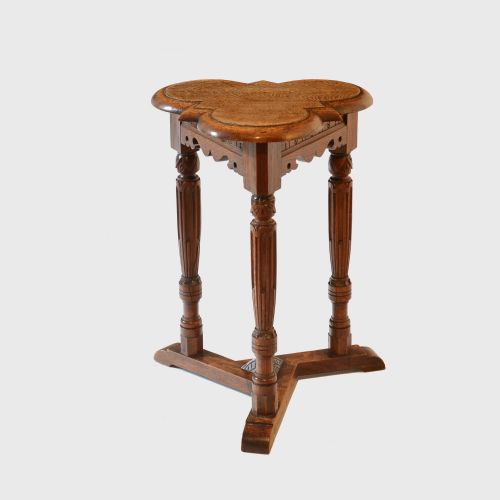
A gothic oak accent table brings heavy timber, pointed arches and rich ecclesiastical carving straight into a modern room.
Gothic Oak Accent Table
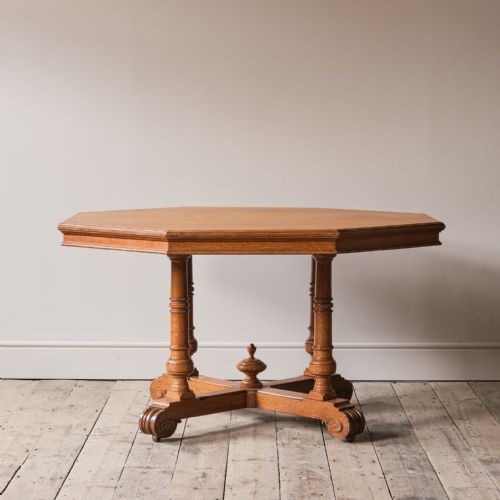
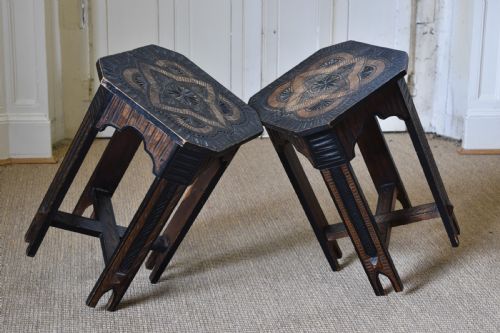
A gothic oak accent table covers a range of compact domestic furniture built primarily during the nineteenth century and the early decades of the twentieth. Side tables, occasional tables and octagonal centre tables dominate the selection, alongside stools and prayer desks adapted for modern living.
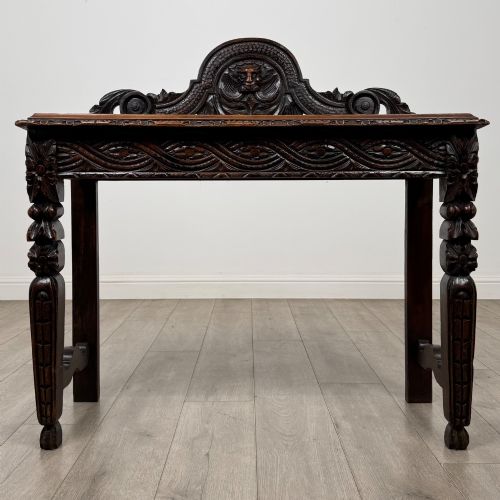
Most examples lean heavily on Victorian Gothic Revival taste or later Arts and Crafts interpretations. Pieces from the eighteen seventies and eighteen eighties often feature crisp architectural detailing, while later Edwardian and nineteen thirties items show simpler, chip-carved surfaces.
Materials and construction
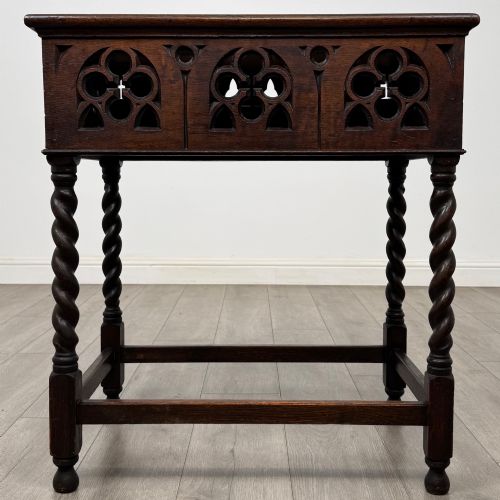
Solid oak forms the structural core of these pieces, sometimes treated with limed or bleached finishes to alter the tone of the grain. Workshops utilised traditional joinery methods alongside surface embellishments like chip carving, linenfold panels and geometric tracery.
Secondary materials remain sparse, though occasional brass hardware or ceramic tile inserts appear within specific regional or stylistic groups. The heavy timber construction ensures robust durability across decades of daily domestic use.
One unexpected Victorian parlour table comes complete with hand-carved zodiac signs, ready for predicting the future over afternoon tea.
Judging the work
Quality rests in the crispness of the timber carving and the architectural proportion of the base. Pieces showing deep, hand-chiselled details outshine mass-produced factory work with shallow stamping.
The choice and figuring of the oak timber itself dictates value, as does the integrity of the original joints and surface patination.
Baillie Scott
The Gothic Oak Accent Table Glossary
- Gothic Revival
- An architectural and decorative movement reviving medieval forms. It heavily influenced nineteenth-century furniture makers.
- Chip carving
- A technique of removing small chips from a wooden surface to create geometric patterns. It appears frequently on regional pieces.
- Trefoil
- A graphic ornament composed of three interlocking arcs. This motif often pierces the stretcher rails of tables.
- Prie-dieu
- A low wooden desk designed for prayer featuring a sloping shelf and a kneeling board. These items double as compact display surfaces.
- Limed oak
- Timber treated with a white pigment to highlight the open grain. This finish lightens the appearance of heavy dark wood.
Gothic Oak Accent Table: Frequently Asked Questions
Where should I place a gothic oak accent table?
These pieces suit hallways, living rooms or studies where their architectural timber details can stand against plain walls. They work well holding lamps or small collections.
Avoid placing them in direct sunlight or damp areas to protect the dry historic oak surfaces.
Are these tables sturdy enough for daily use?
Solid oak construction makes these items remarkably durable and stable for everyday placement in a busy room. Check the leg joints and stretcher bars for any looseness.
Most items handle normal household weight easily without risking structural strain.
How can I tell a Victorian piece from later ones?
Nineteenth-century examples tend to display heavier ecclesiastical carving, deep mouldings and darker original patination. Later pieces often feature lighter limed finishes or simpler geometric chip carving.
Examine the underside and drawer linings for tool marks and timber ageing clues.