


Gothic Metal Lighting
Gothic metal lighting brings heavy historic character to a room through dark iron, beaten brass and ecclesiastical lanterns.
Gothic Metal Lighting
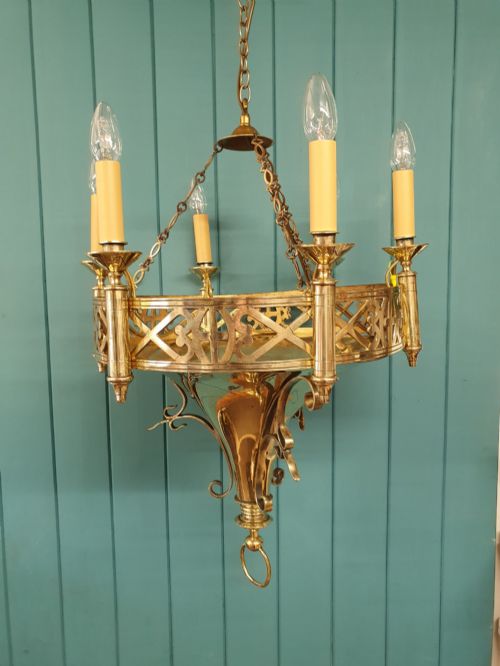
When buyers search for gothic metal lighting, they encounter substantial fixtures built for architectural spaces, churches and grand domestic halls. These pieces originate largely from the nineteenth century and early twentieth century, spanning Victorian, Arts and Crafts and Gothic Revival movements.
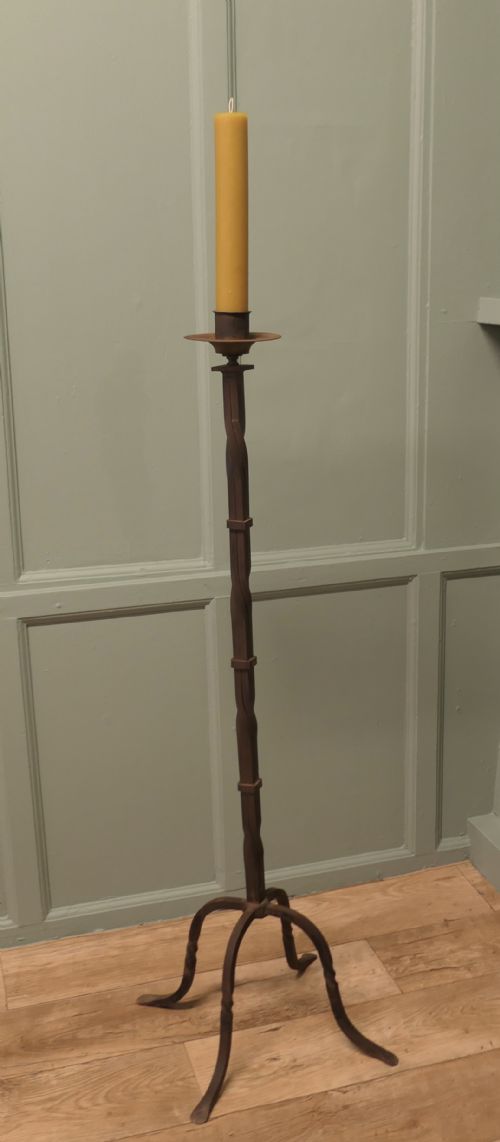
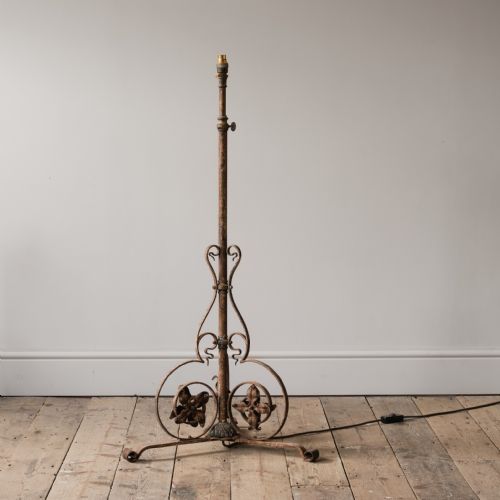
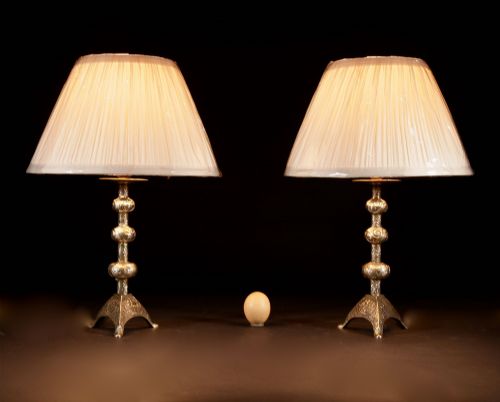
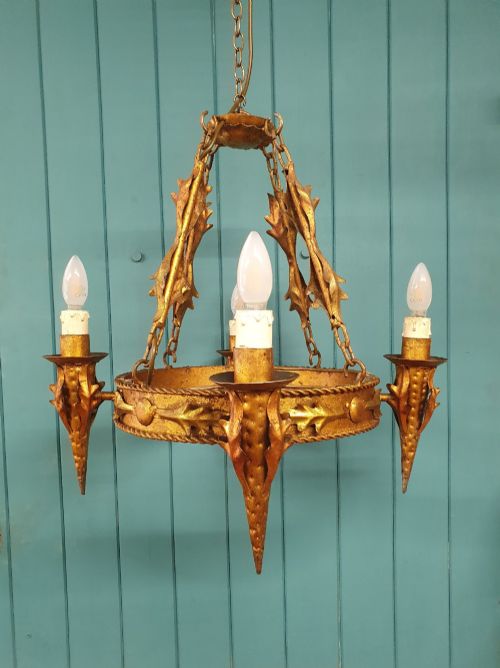
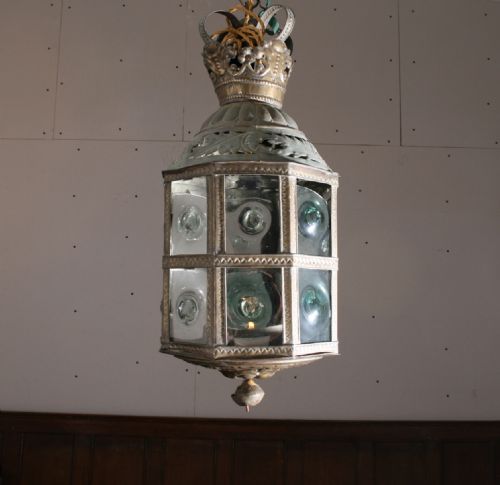
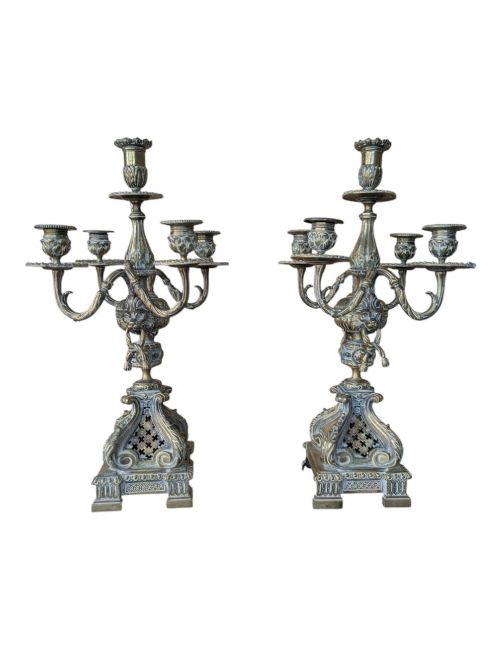
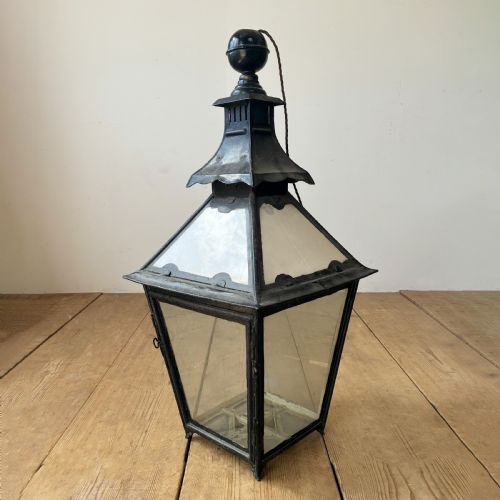
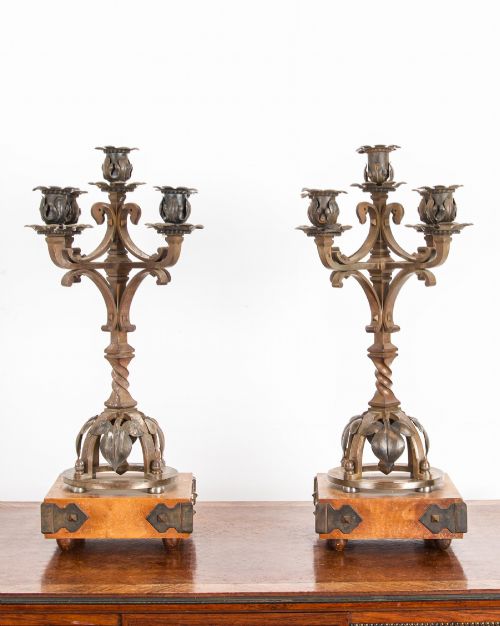
The most common forms on this page include wrought iron floor lamps, heavy brass candlesticks, bronze candelabra and large hanging hall lanterns. Pieces often incorporate period motifs such as quatrefoils, coronets and ecclesiastical styling reminiscent of medieval foundation work.
Materials and construction
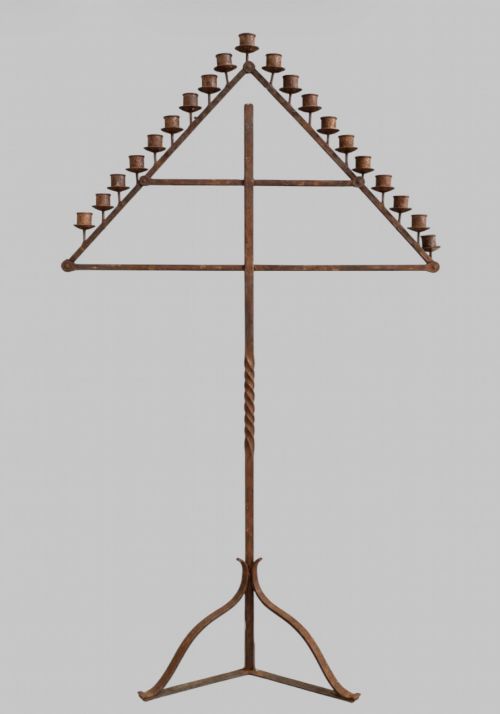
Blacksmiths and metalworkers shaped these objects using traditional hot-working methods, relying heavily on wrought iron, cast iron, bronze and brass. Wrought iron elements show hammer marks and hand-forged joins, while brass and copper components are often beaten, spun or cast.
Lighting components frequently incorporate hand-blown glass, including bulls-eye panes and textured panels within lanterns. Surface treatments range from silver plating and gilding to natural patinated metal and dark protective finishes.
Listings span the eighteenth century through to the nineteen-thirties, showcasing wrought iron, brass, bronze, copper and hand-blown glass.
Judging quality and integrity
Quality rests upon the integrity of the metalwork, the weight of the casting and the crispness of decorative detailing like tracery and surface tooling. Hand-forged ironwork with distinct individual character stands above mass-produced industrial casting from later decades.
Proportion and architectural presence dictate the value of larger items such as hall lanterns and floor standards. Pieces retaining original glass, unpolished patination and authentic period fixings command greater regard than heavily restored examples.
The Gothic Metal Lighting Glossary
- Pricket candlestick
- A candle holder featuring a sharp metal spike upon which the base of the candle is impaled. This form originates from medieval church altars.
- Quatrefoil
- A decorative element composed of four partially overlapping circles arranged in a symmetrical cloverleaf shape. It appears frequently in Gothic architecture and metal tracery.
- Coronet
- A small crown used as an architectural or decorative motif on hanging corona lights and chandeliers. These often feature pierced metalwork.
- Candelabra
- A branched candlestick designed to hold multiple candles simultaneously. Examples from this tradition often use bronze or cast iron.
- Standard lamp
- A tall floor-standing lighting fixture, often telescoping or fitted with an adjustable arm. Victorian examples frequently employ heavy wrought iron bases.
Gothic Metal Lighting: Frequently Asked Questions
How do I hang a heavy iron lantern?
Large wrought iron and cast iron lanterns require structural ceiling fixings into joists rather than standard plasterboard plugs. The weight demands rated steel chains and hooks capable of supporting heavy historic metal.
Consult a professional electrician to ensure the ceiling box and wiring can safely carry the load of nineteenth-century fixtures.
Were these lights originally electric?
Most pieces from the nineteenth century began life as oil lamps, gasoliers or candle holders. Conversion to electricity generally occurred later during twentieth-century modernisations.
Rewiring is essential for safety, and modern fabric flex or twisted silk cord is typically threaded through the original internal channels.
How do I clean patinated brass and iron?
Historic metal surfaces benefit from gentle dusting with a dry microfibre cloth rather than aggressive chemical polishing. Preserving the dark oxidation and surface age maintains the character of the piece.
Applying a microcrystalline wax helps protect iron and bronze from atmospheric moisture without stripping the historic finish.
What is the difference between Gothic Revival and Arts and Crafts lighting?
Gothic Revival pieces lean heavily into medieval architectural motifs, pointed arches and ecclesiastical ornamentation. They evoke cathedrals and castles with dark metals and heavy proportions.
Arts and Crafts lighting focuses more on visible construction, hammered copper surfaces and honest utility inspired by hand production values.