


Church Style Light
A church style light brings ecclesiastical gravity and dramatic verticality into domestic interiors through time-tested metalwork and carved timber.
Church Style Light
When you search for a church style light, you encounter a specialised category of interior illumination and display pieces rooted in ecclesiastical design. These items bridge domestic living spaces and liturgical tradition, channelling the solemn aesthetic of chapels and abbeys into functional home decor.
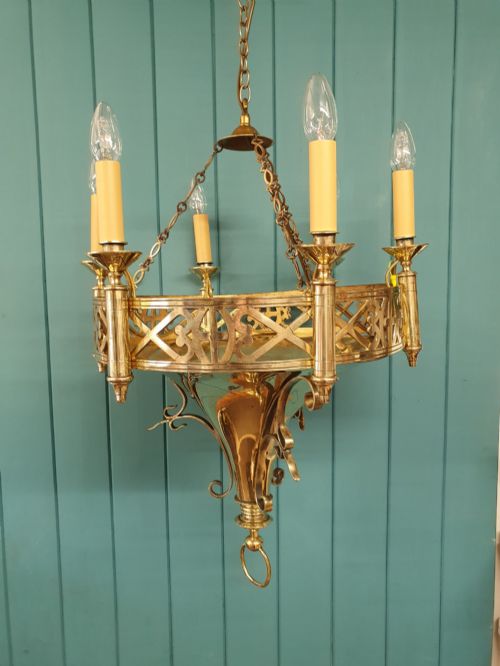
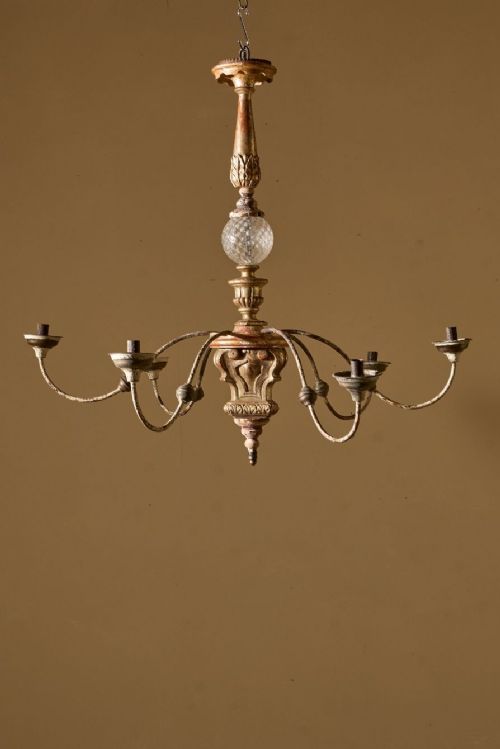
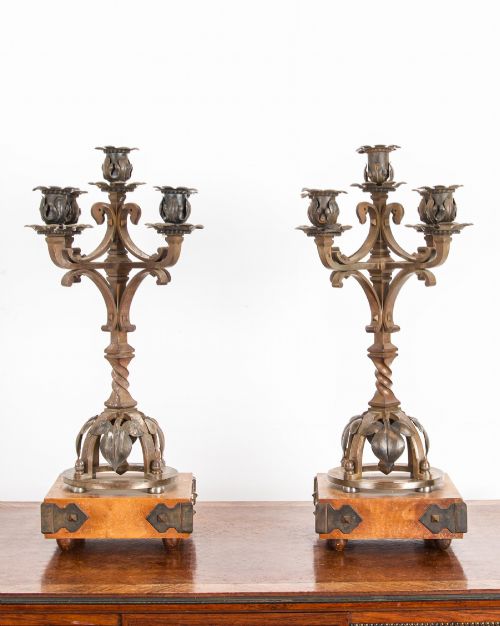
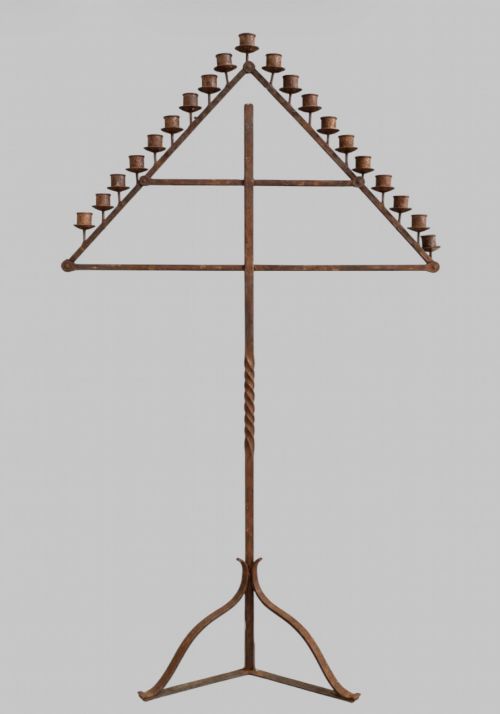
The selection here encompasses several distinct forms, most notably towering floor candelabras, multi-branched chandeliers, altar-style candlesticks, and wall-mounted gas light fixtures. Materials lean heavily towards cast and spun brass, wrought iron, and carved wood finished with giltwood, gesso, or silvered mecca.
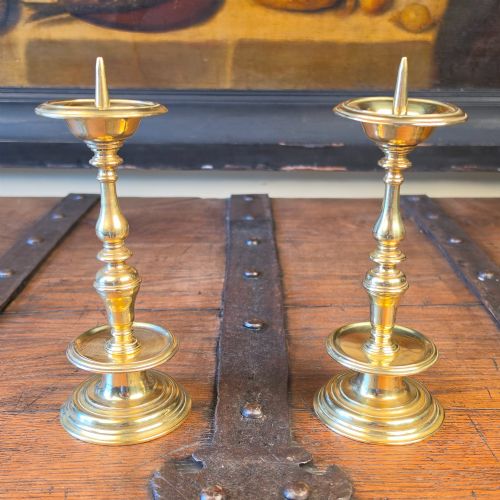
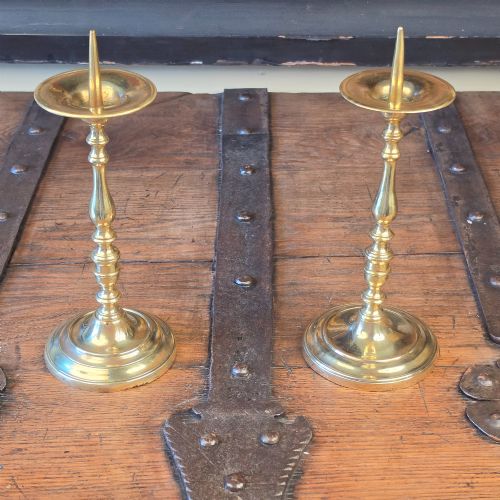
Stylistically, pieces draw from Gothic Revival, Victorian, and Baroque traditions, spanning periods from the late eighteenth century through to the early twentieth century. You will frequently find pairs of tall candlesticks alongside substantial chandeliers that originally illuminated larger halls or ecclesiastical interiors.
What varies in quality
The standard of a piece depends heavily on the crispness of its casting and the depth of its hand-carved detail. Finer examples display cleanly rendered Gothic tracery, sharply defined mouldings, and well-balanced proportions that maintain stability despite their considerable height.
Surface finish plays a decisive role in distinguishing finer items from standard production. Original gilding, layered polychrome paint, or authentic patinated brass surfaces command greater appreciation than later, unsympathetic repainting or overly polished metals.
Structural integrity and the retention of original components, such as prickets, drip pans, and suspension hardware, elevate a piece's authenticity. Items that have survived with their original decorative schemes intact demonstrate superior craftsmanship and historical intactness.
Listings feature items from the eighteenth century through to the 1930s, executed in brass, wrought iron, giltwood, and carved pinewood.
Joseph Wilmotte
The Church Style Light Glossary
- Pricket
- A sharp metal spike set in the drip pan of a candlestick to hold a candle in place. This traditional mounting method is frequently found on older altar-style pieces.
- Torchère
- A tall ornamental stand designed to support a light or candle. These freestanding wooden or metal columns often feature elaborate carving and decorative finishing.
- Giltwood
- Wood that has been treated with a thin layer of gold leaf or gold paint. This technique creates a rich decorative surface commonly applied to baroque and neoclassical altar-type pieces.
- Mecca
- A transparent golden varnish applied over silver leaf or silvered wood to imitate real gold. Italian makers frequently used this technique on eighteenth and nineteenth-century candlesticks.
- Corona
- A circular crown-shaped hanging light fixture suspended from chains. English Gothic examples often feature this distinctive overhead format for multiple candles.
Church Style Light: Frequently Asked Questions
What is a pricket candlestick?
A pricket candlestick uses a sharp metal spike rather than a socket to secure the candle during use. This design is historically associated with church altars and large ecclesiastical candle stands.
Over time, this format became a defining feature for collectors seeking authentic liturgical lighting forms in domestic settings.
How do I style a floor candelabrum?
Floor candelabras act as striking architectural statements and work best in spaces with high ceilings or generous proportions. Positioning them in corners or flanking large fireplaces enhances their vertical presence.
Because of their substantial height and heavy metal or wooden construction, they require stable placement away from heavy household traffic.
What periods do these lights cover?
The pieces span from the late eighteenth century through to the early decades of the twentieth century. Design influences draw heavily from earlier periods, including seventeenth-century Baroque and medieval Gothic traditions.
Revival movements during the Victorian era and the Arts and Crafts period successfully reinterpreted these historic ecclesiastical forms for domestic architecture.
Are these fixtures wired for electricity?
Many items retain their original candle-only configuration, while others have been adapted as table lamps or fitted with gas light mechanisms in the past. Converted fixtures allow for modern electrical use while preserving the antique aesthetic.
Buyers should examine the internal wiring and consult a qualified professional if modern electrical safety updates are required.