

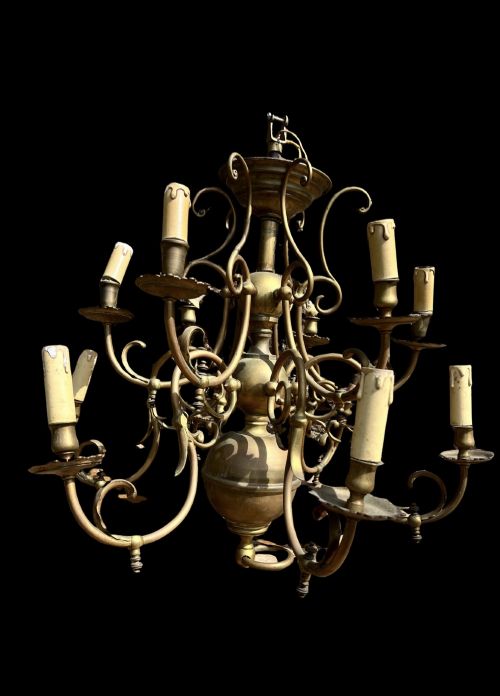


Gothic Brass Pendant
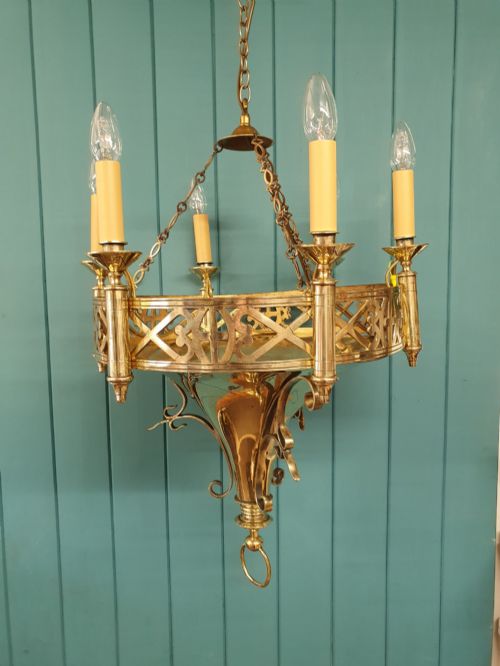
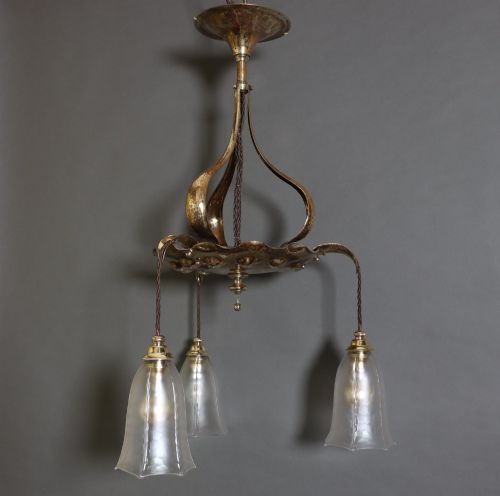
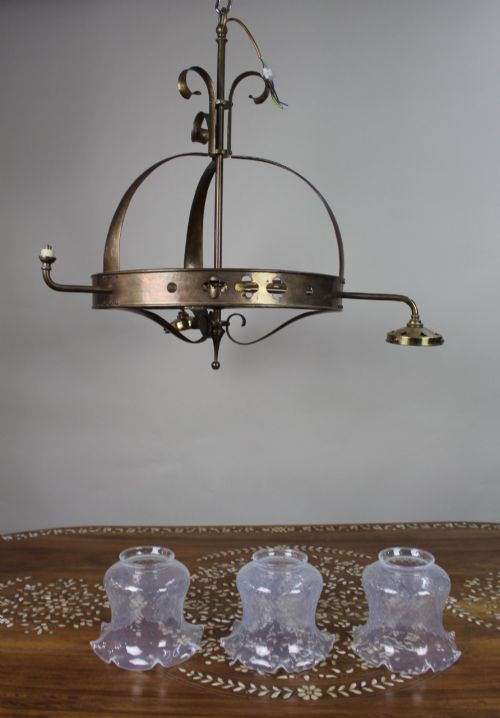
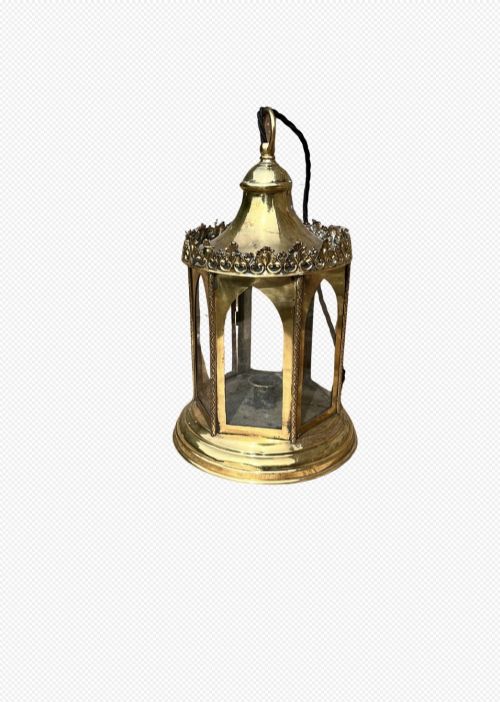
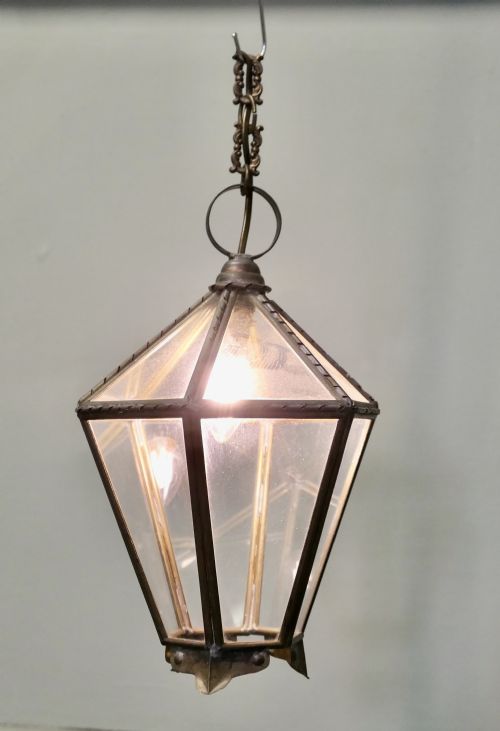
A gothic brass pendant brings heavy architectural line and warm metalwork into a hallway or porch.
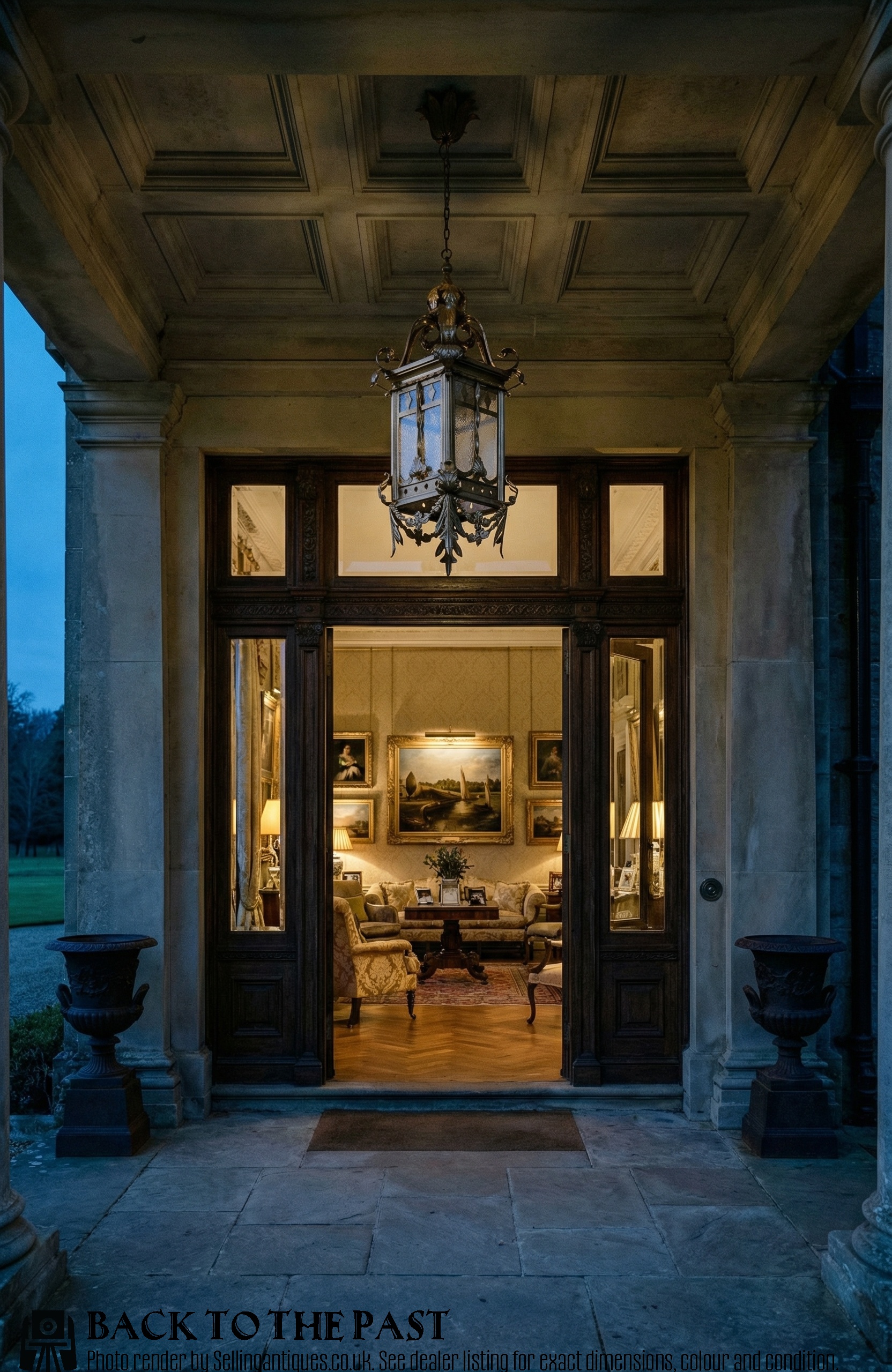
Gothic Brass Pendant
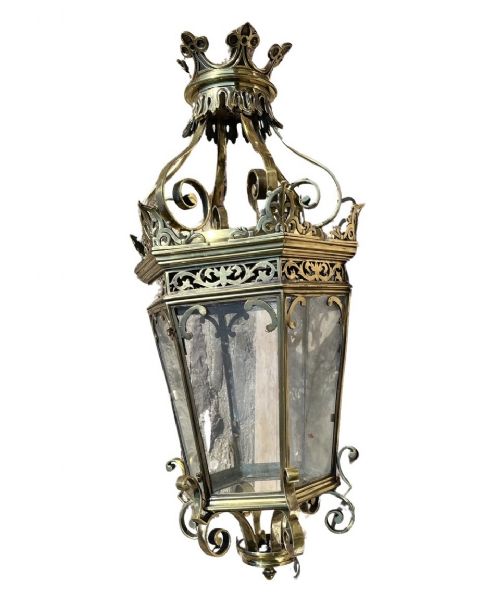
A gothic brass pendant is a hanging ceiling light rooted in Victorian, Edwardian, and Arts and Crafts design. These fixtures draw directly upon medieval architectural forms, translating stone tracery and pointed arches into domestic metalwork.
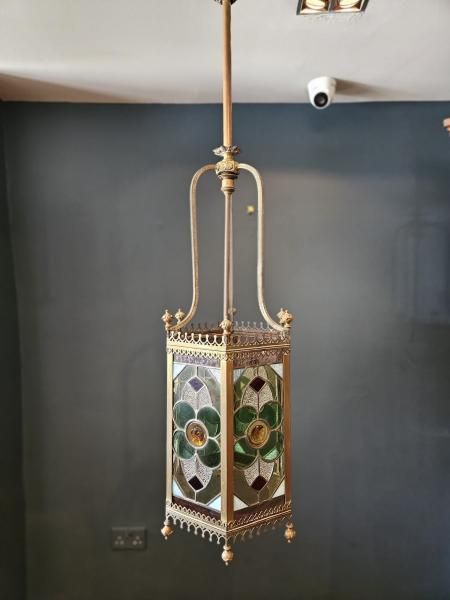
Most examples found here date from the nineteenth and early twentieth centuries, spanning periods from eighteen-fifty to nineteen-hundred. They appear primarily as lanterns, chandeliers, and hall lights designed to hang from entrance ceilings and stairwells.
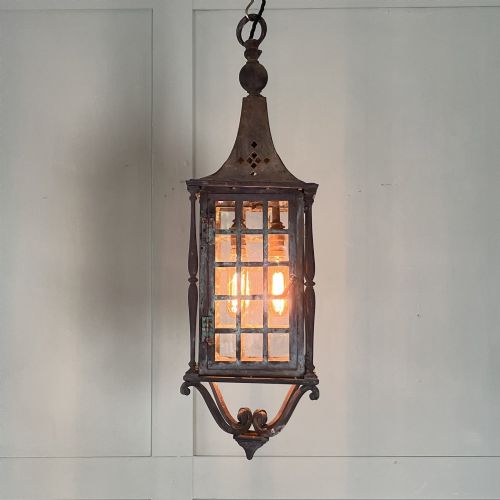
The aesthetic merges ecclesiastical grandeur with domestic utility. Buyers select them to anchor high-ceilinged spaces with the substantial presence of brass, leaded glass, and dark patinated metal.
How they were made
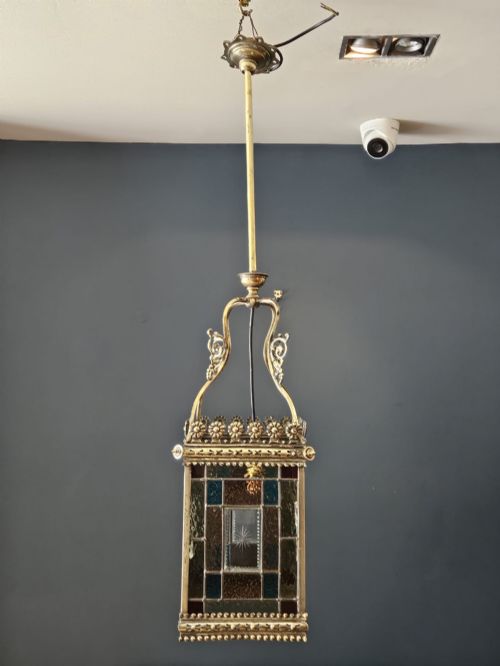
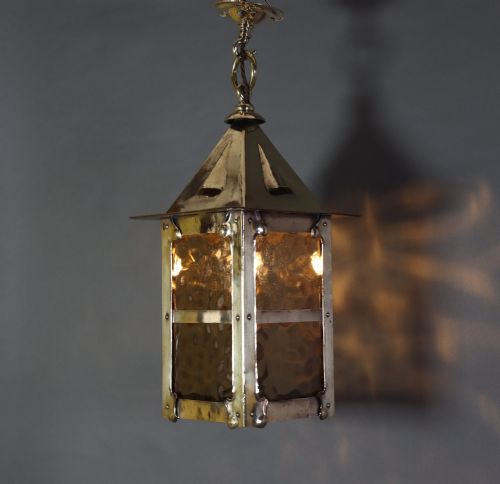
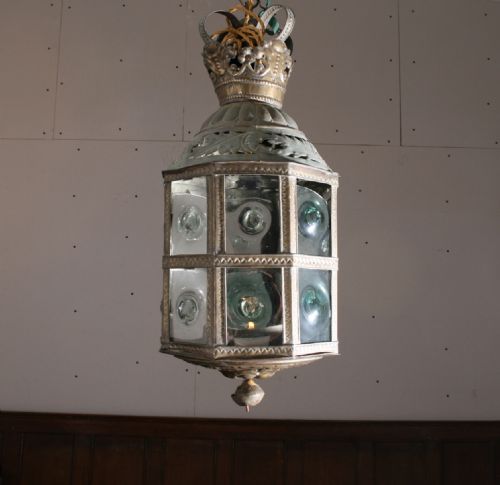
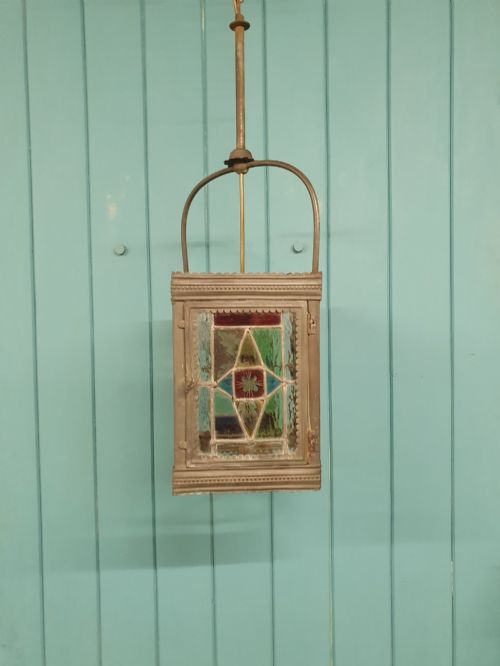
The construction relies heavily on cast and sheet brass, frequently combined with leaded, bullseye, or coloured glass panels. Frames are assembled with structural solder and mechanical joins, supporting heavy glass elements within rigid metal cages.
Surface treatments range from natural polished brass to gilded finishes and darker bronze patination. Many early pieces incorporate gas fittings that were later adapted for electric bulbs, retaining their original cast burner keys and heavy ceiling roses.
Listings span from eighteen-fifty through to nineteen-forty, predominantly featuring Victorian and Edwardian brass, glass, and wrought iron.
What varies in quality
Quality rests in the weight of the casting and the precision of the architectural detailing. Superior pieces display crisp tracery, heavy gauge brass, and hand-blown or leaded glass with genuine depth and variation.
Maker attribution and provenance elevate certain chandeliers above standard production models. The presence of complex multi-branch formations, original gilded surfaces, and integrated hardware distinguishes workshop pieces from simpler commercial lanterns.
Joseph Wilmotte Liege
The Gothic Brass Pendant Glossary
- Gasolier
- A ceiling fixture originally designed to burn coal gas for illumination before being converted to electricity. These often feature heavy brass tubing and original stopcocks.
- Bullseye glass
- A round, thick pane of blown glass featuring a central swirl or protrusion from the punty rod. It distorts light and adds texture to lantern panels.
- Gilded brass
- Brass coated with a thin layer of gold leaf or gold wash to enhance brilliance. This finish responds well to ambient light in dark hallways.
- Tracery
- Openwork stonework patterns translated into metal frames to support glass panels. It forms the skeleton of many gothic hanging lanterns.
Gothic Brass Pendant: Frequently Asked Questions
How do I hang a heavy brass lantern safely?
These fixtures require direct ceiling joist attachment or a rated metal bracket to support the substantial weight of cast brass and glass.
Consult a qualified electrician to ensure the modern wiring can bear the hanging load safely.
Can I convert a gasolier for modern electricity?
Most antique gasoliers and lanterns have already been adapted for standard electrical bulbs over the past century.
Rewiring preserves the original brass body while bringing the internal components up to contemporary safety standards.
How do I clean antique brass without damage?
Dust the metalwork gently with a dry microfibre cloth and avoid harsh chemical dips that strip away historical patination.
Preserving the darkened surface maintains the authentic age of the nineteenth-century finish.
What rooms suit a gothic brass pendant?
High-ceilinged hallways, stairwells, and entrance porches provide the ideal spatial volume for hanging lanterns and multi-branch chandeliers.
The architectural lines look best against neutral walls that allow the cast metal silhouette to stand out.