
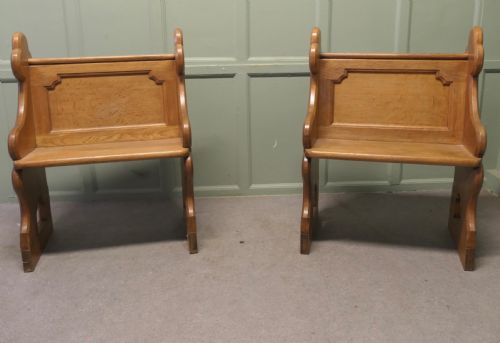
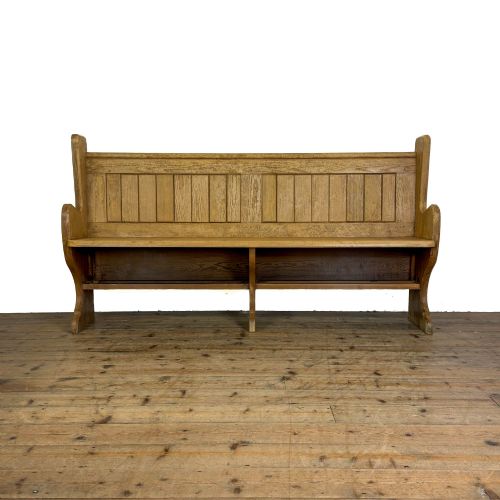
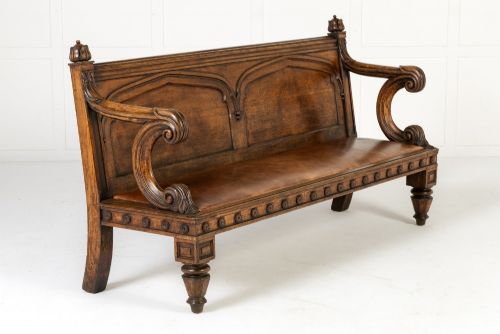
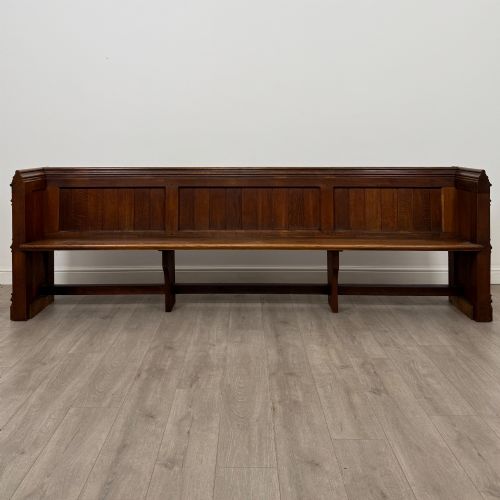
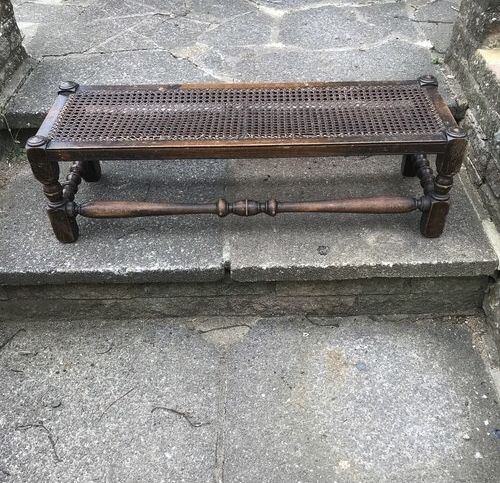

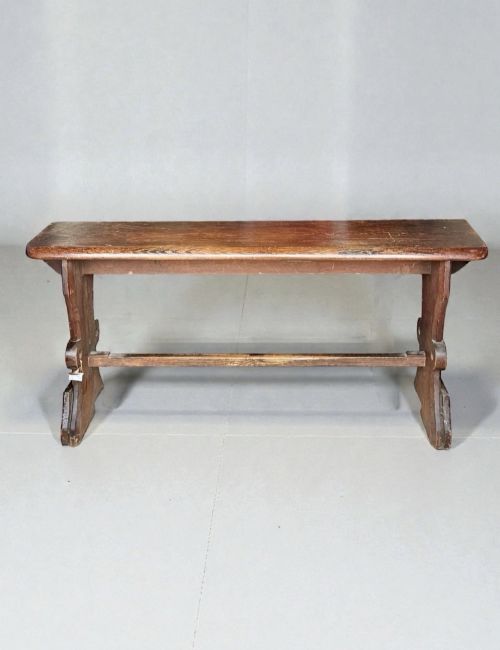

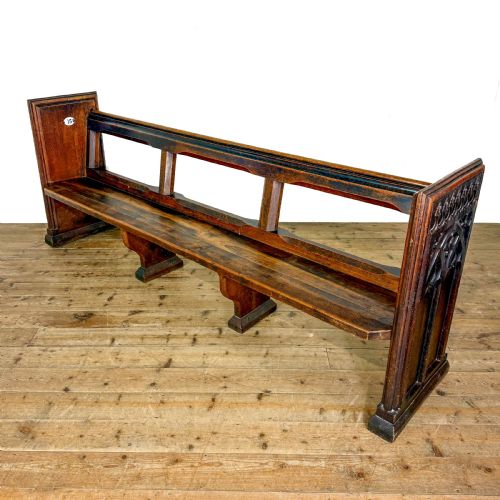


Gothic Church Bench
A gothic church bench brings serious architectural presence and ecclesiastical history straight into a domestic interior.
Gothic Church Bench
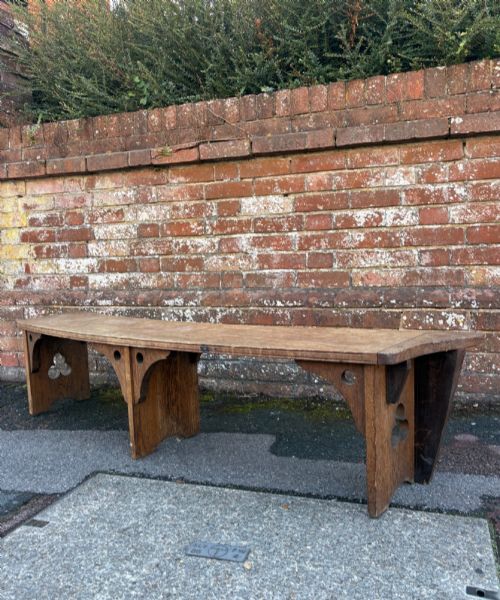
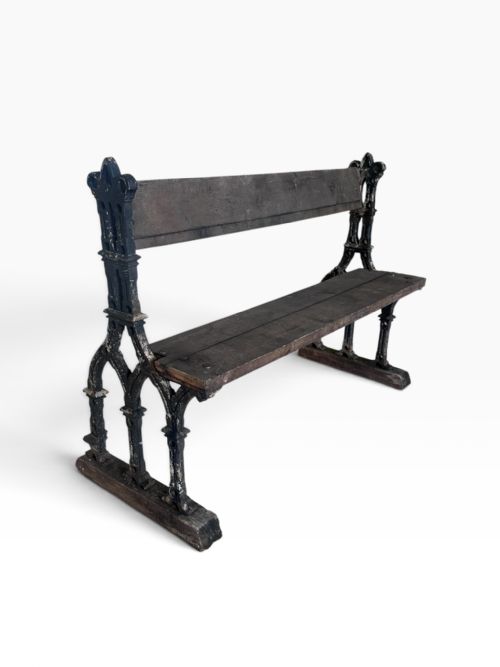
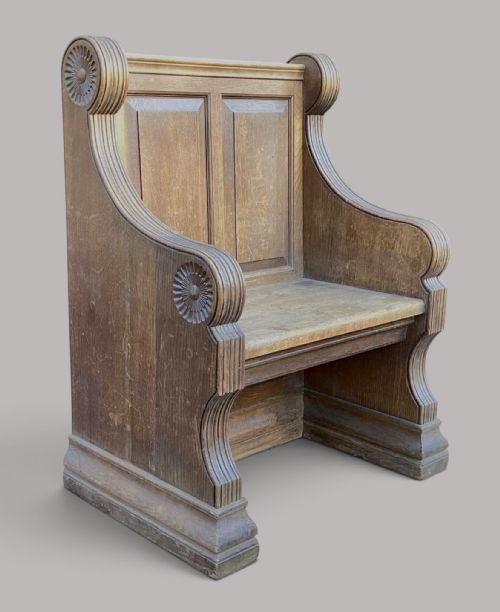
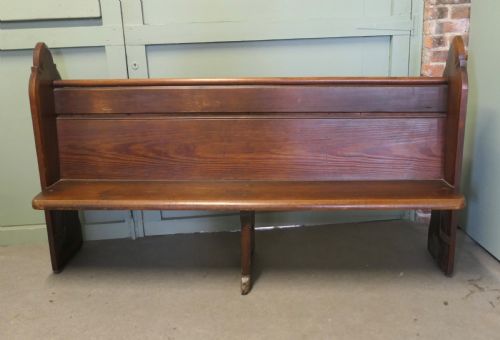
When you search for a gothic church bench, you encounter robust seating originating from ecclesiastical and domestic settings primarily across the nineteenth century. These pieces range from simple pine chapel pews to substantial oak architectural forms bearing distinctive pointed arches and trefoil carvings.
The versions most commonly met on this page span the Victorian era and the Arts and Crafts movement, often reflecting a distinct Gothic Revival aesthetic. Alongside standard church pews, the selection encompasses hall seats, prayer desks, and garden benches utilising similar ecclesiastical design principles.
What varies in quality
The distinction between standard utility church seating and top-tier pieces rests on the grade of timber and the ambition of the design. Dense solid oak with crisp, hand-carved architectural details sits firmly above plain pine workshop items.
Provenance and specific stylistic attribution elevate certain pieces, particularly those bearing direct links to specific churches or recognizable design movements like Arts and Crafts Gothic Revival. The sophistication of joinery and the survival of original surface patination further separate exceptional examples from ordinary ones.
One determined organist can finally practice at home on a dedicated organist bench.
The Gothic Church Bench Glossary
- Gothic Revival
- An architectural and design style popular in the nineteenth century that revived medieval forms like pointed arches and trefoils. This aesthetic defines the overarching character of most pieces found in this category.
- Poppy Head
- An ornamental carved capping on the top of a bench end, frequently shaped like a leaf or flower bud. These detailed carvings indicate higher craftsmanship on ecclesiastical seating.
- Prie-Dieu
- A small desk or kneeling chair designed for private prayer. These items share the religious function and stylistic vocabulary of larger church benches.
- Pitch Pine
- A durable resinous softwood utilised extensively for nineteenth-century church pews and benches. It offers a distinctive striped grain pattern when finished.
- Trefoil
- A three-lobed decorative shape resembling clover leaves, commonly pierced through woodwork or applied as relief carving. It remains a hallmark motif of gothic design.
Gothic Church Bench: Frequently Asked Questions
Where should I put a church bench?
These long benches suit large entrance halls, dining tables, or long corridors where their linear form and architectural backing provide strong vertical lines. Placing one against a plain wall allows the carved details and timber grain to stand out without overwhelming the room.
In smaller spaces, shorter chapel pews function effectively as alternative seating in living rooms or studies. Their narrow depth ensures they occupy minimal floor space while offering substantial seating capacity.
How do I care for antique oak?
Maintain the timber by dusting regularly with a soft, dry cloth and occasionally applying a traditional beeswax to nourish the wood. Avoid placing these pieces near direct heat sources or strong sunlight, which can dry out the historic timber and cause splitting.
Keep humidity levels in the room relatively stable to protect both the wooden structure and any incorporated iron or brass elements. Gentle care preserves the original surface patination accumulated over centuries of use.
Are pitch pine and oak very different?
Pitch pine is a softer, highly resinous timber with a prominent, striated grain pattern that tends to deepen in colour over time. It was widely utilised for utilitarian church pews and offers a robust yet slightly lighter alternative to hardwood.
Oak is a dense hardwood valued for its strength and dark, figured grain, frequently chosen for grander architectural furniture and detailed carving. While both woods weather decades of use gracefully, oak generally carries a heavier presence and finer carved definition.
What defines Arts and Crafts gothic style?
This style combines medieval ecclesiastical forms with the movement's emphasis on visible construction, honest materials, and handcrafted detail. Pieces often feature clean structural lines alongside deliberate, skilled carving rather than mass-produced factory ornamentation.
Designers working in this tradition drew inspiration from pre-industrial craftsmanship, resulting in benches and chairs that feel both architectural and domestic. The aesthetic bridges strict church utility with late nineteenth-century artistic reform.