


Gothic Cast Iron
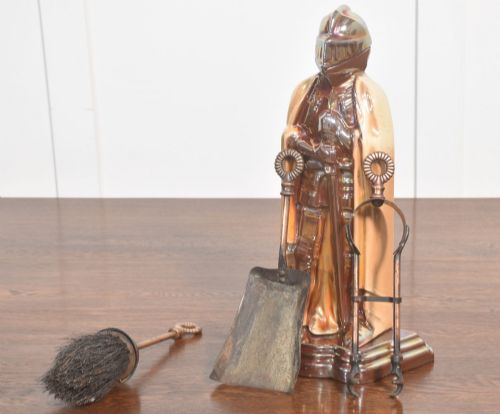
Gothic cast iron brings together heavy metalwork and medieval motifs to form durable furniture, garden seating and fireplace accessories.
Gothic Cast Iron
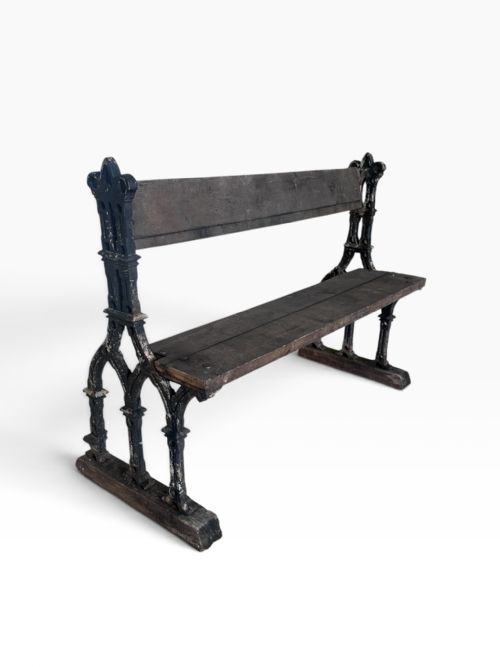
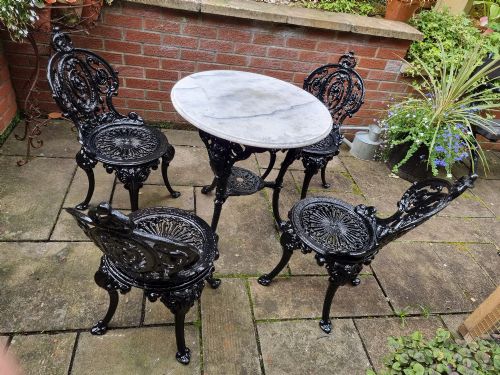
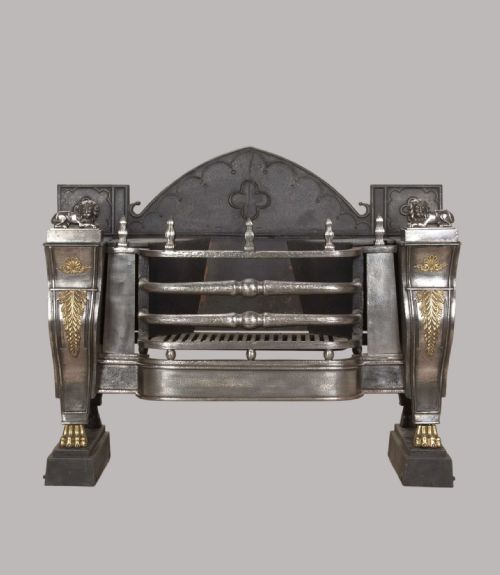
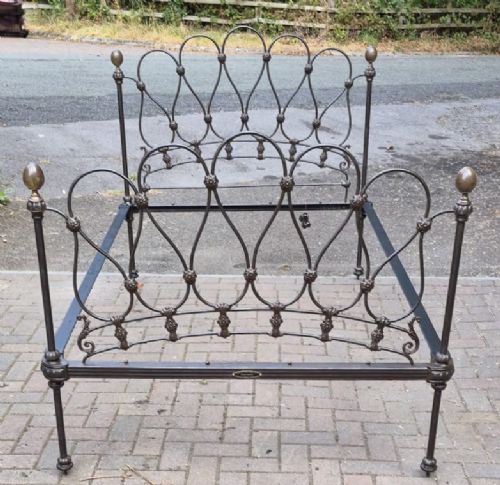
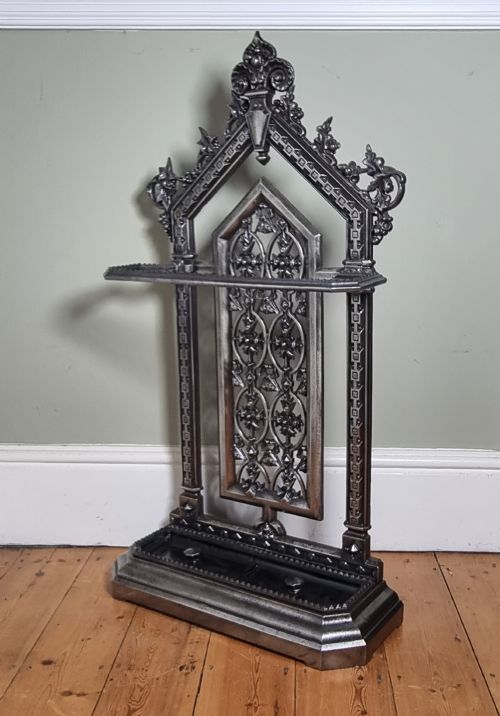
When searching for gothic cast iron, collectors encounter structural ironwork spanning the Victorian period and the nineteenth century alongside later twentieth-century interpretations. The selection heavily comprises functional items for the home and garden, including stick and umbrella stands, fire grates, beds and garden benches.
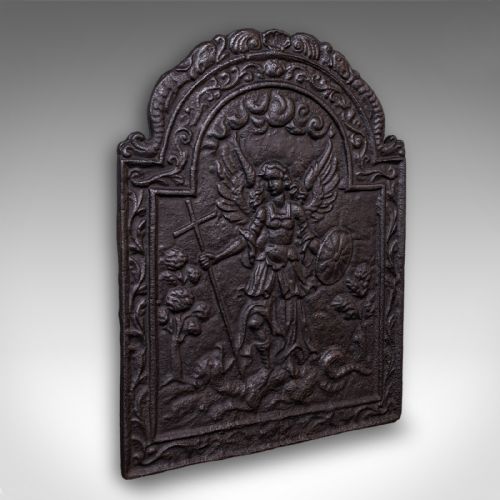
Domestic and garden utility shapes dominate the available forms, reflecting the nineteenth-century enthusiasm for medieval revival aesthetics in everyday items. Hall stands, boot scrapers and architectural fire backs translate ecclesiastical motifs into sturdy household fixtures.
Assessing the Metalwork
Quality rests in the crispness of the casting and the depth of the relief detailing, where sharper mouldings distinguish superior foundry work from softer secondary castings. The intricacy of the Gothic Revival ornamentation dictates the overall sophistication of the piece.
The integrity of the structural joins and the retention of original maker marks or design registrations elevate an object's standing. Proportion and balance within large items such as garden benches and umbrella stands also determine execution standards.
Gothic Cast Iron Retail Price Guide 2026
Typical asking prices for gothic cast iron among the pieces listed under this phrase on Sellingantiques today, from the lower quarter to the upper quarter. They describe what is for sale here now, not the wider market.
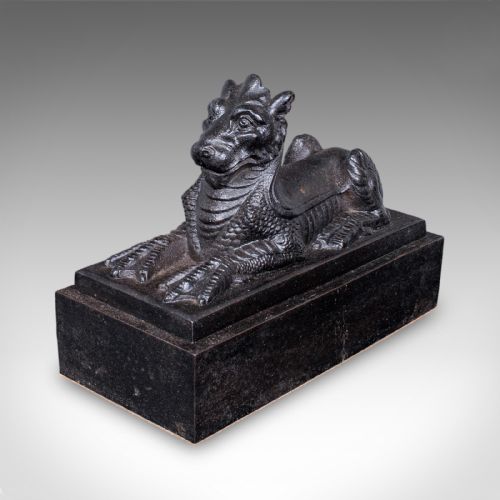
Guardian lions stand ready at doorways, reminding visitors that even a boot scraper deserves a touch of mythology.
Coalbrookdale·Thomas Jeckyll·Osborne Garrett & Co
The Gothic Cast Iron Glossary
- Cast iron
- An iron-carbon alloy poured into moulds to create rigid forms. This method allowed Victorian foundries to mass-produce elaborate Gothic patterns with high precision.
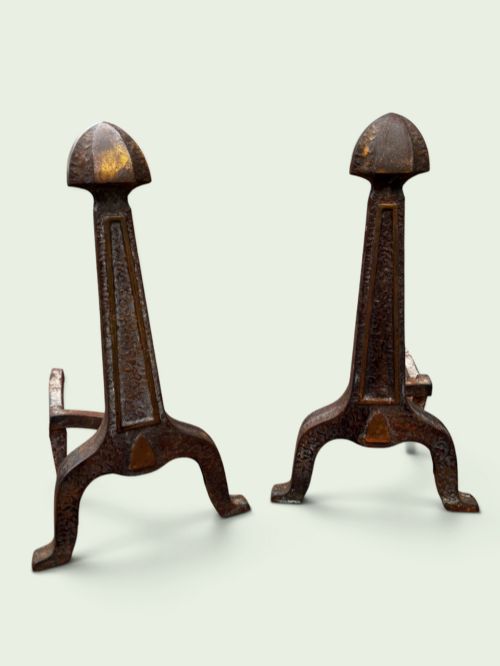
- Firedog
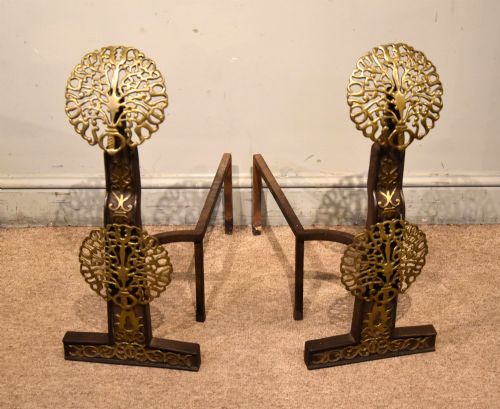
- A metal support used to hold logs in an open fireplace. Pairs of these irons frequently incorporate ornate medieval or architectural designs.
- Boot scraper
- A stationary metal blade fixed near an entrance to clean mud from footwear. Townhouse examples in iron often take decorative scrolled or Gothic shapes.
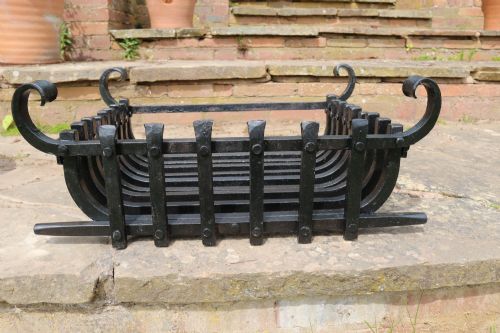
- Fire grate
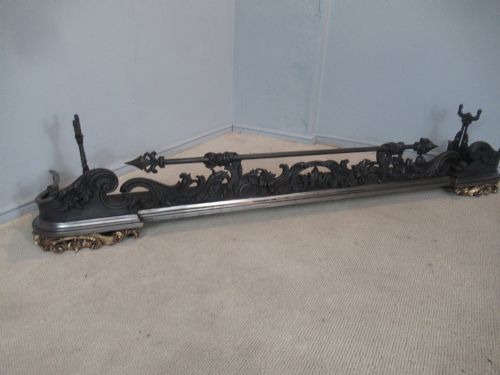
- A metal basket holding fuel inside a hearth. These units range from simple open grates to elaborate cast designs with integrated fire backs.
- Stick stand
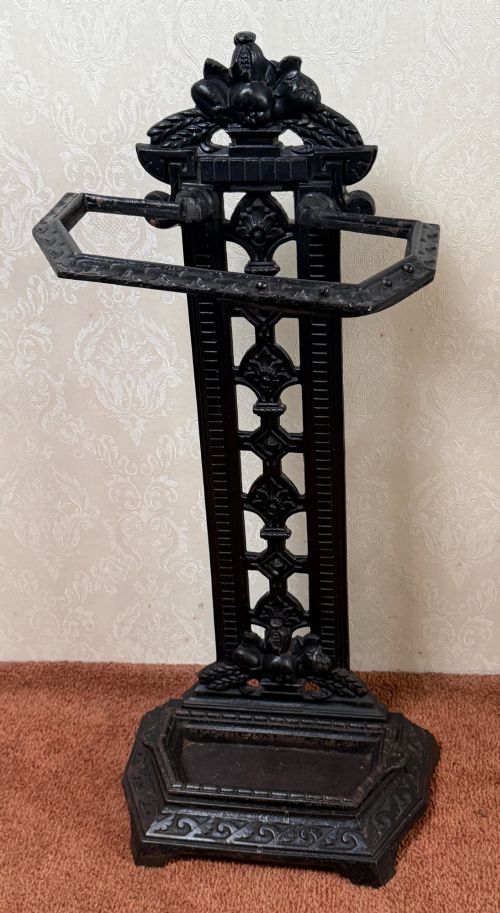
- A hall item designed to hold walking sticks and umbrellas. Cast iron versions utilise drip pans and open fretwork frames to manage moisture.
Gothic Cast Iron: Frequently Asked Questions
What is gothic cast iron?
Gothic cast iron comprises utilitarian and decorative metal objects produced primarily during the nineteenth century using medieval architectural motifs. These items combine heavy foundry work with pointed arches, quatrefoils and ecclesiastical tracery.
Foundries shaped molten metal into robust forms for both interior domestic spaces and exterior gardens. The category includes seating, umbrella stands, fire grates and architectural plaques.
How do I care for cast iron?
Cast iron requires protection from moisture to prevent oxidation and rust formation, particularly for items kept outdoors. Regular dusting and occasional light waxing preserve the painted or dark metal surfaces.
Interior pieces need minimal maintenance beyond gentle cleaning with dry cloths. Garden benches and tables benefit from sheltered storage during harsh winter weather.
How are periods identified?
Periods are determined through stylistic indicators, foundry marks, and manufacturing techniques characteristic of Victorian and later nineteenth-century production. The presence of registration numbers or specific designer signatures helps narrow the dating.
Early Victorian examples often display heavier, more literal interpretations of medieval stone architecture. Later twentieth-century pieces adopt lighter framing whilst retaining traditional decorative vocabulary.
Where were these pieces used?
These items served functional roles in Victorian hallways, gardens, and principal reception rooms. Boot scrapers and hall stands greeted visitors at the entrance, while fire grates warmed the interior.
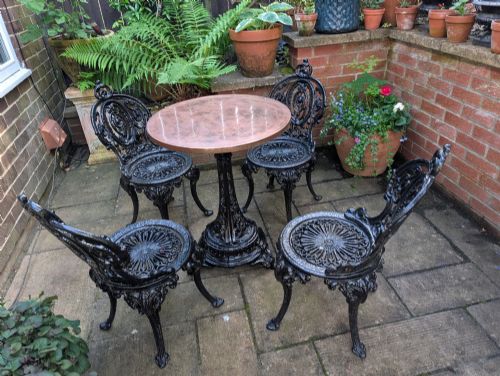
Garden benches and tables furnished lawns and courtyards with durable seating. Churches and grand townhouses utilised specialised ironwork such as book rests and umbrella stands.