




Golden Wood Chest
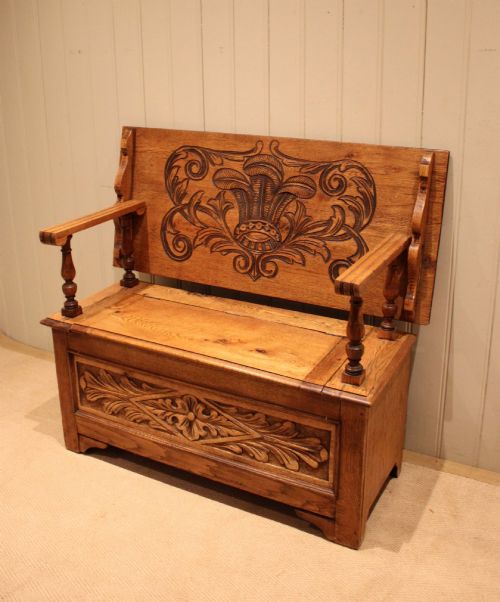
A golden wood chest brings warmth and distinct grain to a room through timbers like satinwood, birch and walnut.
Golden Wood Chest
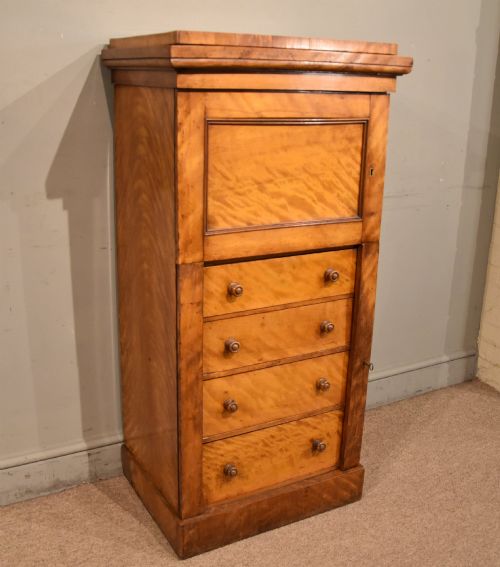
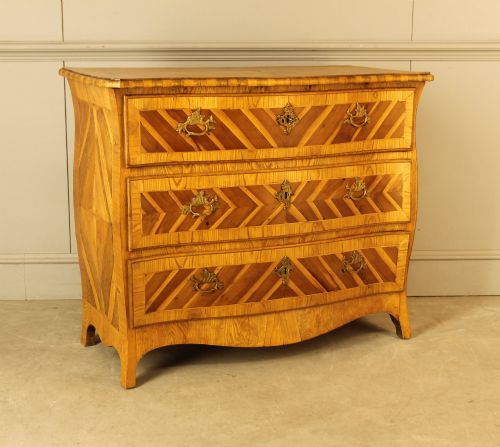
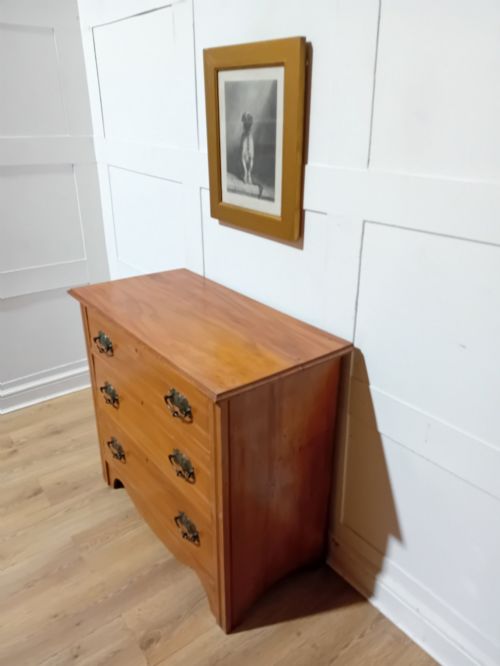
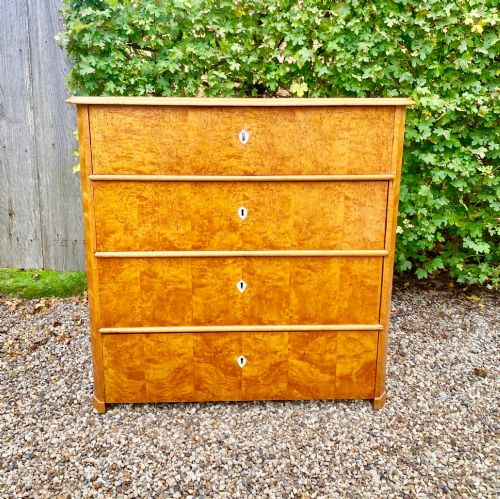
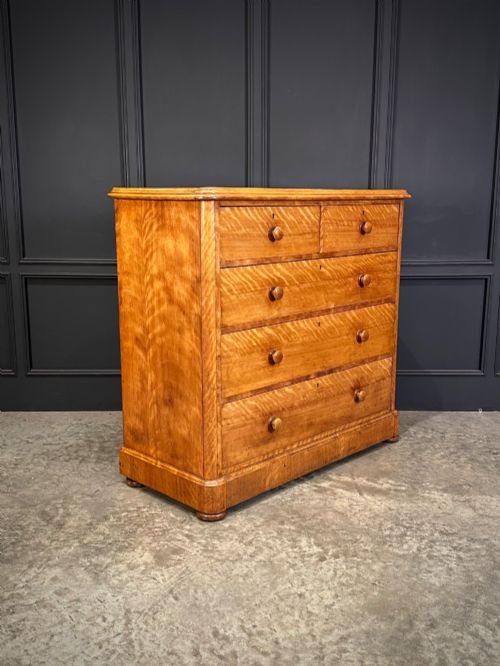
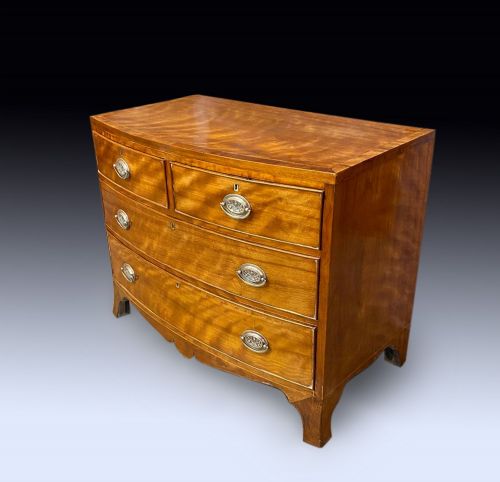
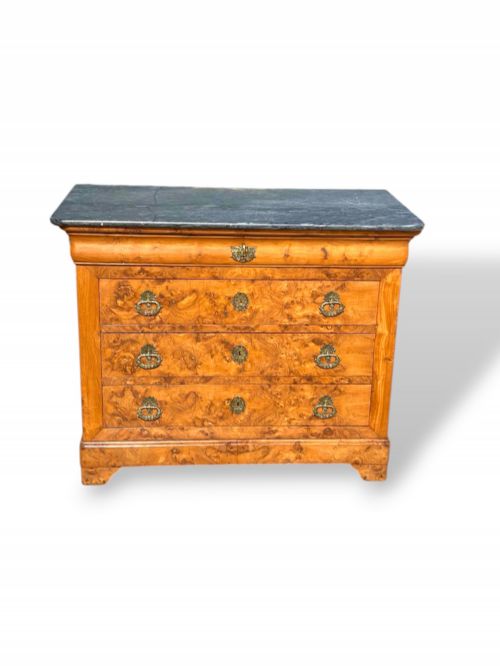
The version you are most likely to meet on this page is a nineteenth-century chest of drawers in birch or satinwood. These originate from British workshops or Scandinavian makers working in styles from Georgian to Victorian and Biedermeier.
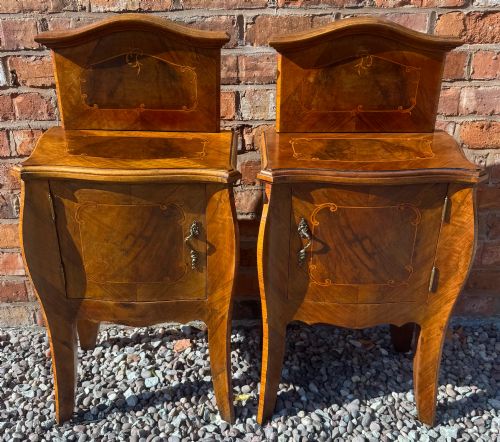
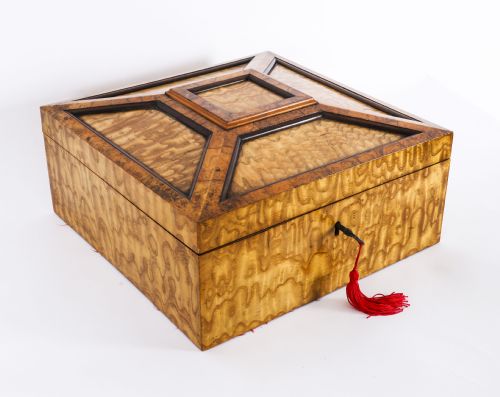
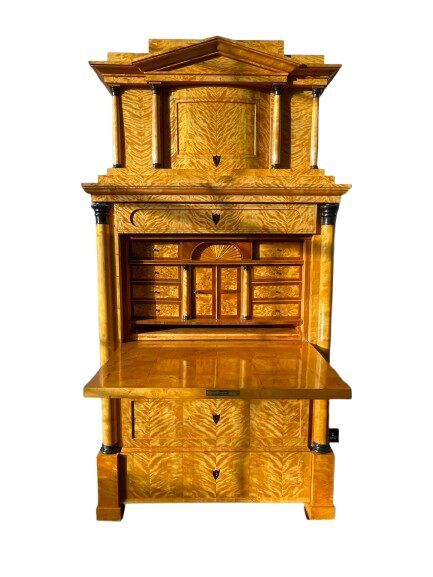
Alongside standard chests, the listings include specialised forms such as secretaire chests, tallboys, commodes, and smaller tabletop caddies or boxes. Each piece utilises the natural golden tone of the wood as its primary decorative asset.
How they were made
Cabinetmakers constructed these pieces using solid timbers and decorative veneers applied to secondary woods like pine. Woods such as satinwood, birch, and walnut were chosen for their natural lustre and striking grain patterns.
Construction techniques involve traditional joinery, dovetail drawers, and delicate stringing or shell inlays in contrasting woods, bone, and brass. Surfaces received polish or wax finishes to enhance the golden tones of the timber rather than masking them with heavy stains.
Some nineteenth-century dressing chests include built-in candle sconces for illuminating the mirror during evening routines.
What varies in quality
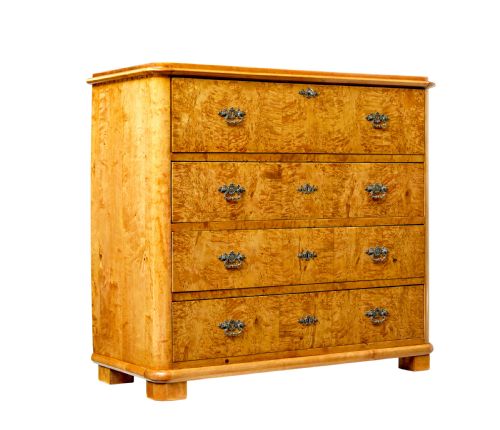
Quality in these pieces rests upon the selection of the timber and the skill of its preparation. Highly figured veneers like burr birch or burr walnut indicate a superior grade of construction compared to plain planking.
The integrity of the joinery and the subtlety of decorative details such as brass handles and inlaid banding determine the standing of an individual piece. Finer examples retain original surfaces and proportional balance that elevate them above standard utility furniture.
HARRIS LEBUS of TOTTENHAM
The Golden Wood Chest Glossary
- Satinwood
- A durable, hard timber with a natural golden sheen and smooth texture, frequently used for high-status eighteenth and nineteenth-century cabinet work. It accepts polish exceptionally well.
- Biedermeier
- A Central European style spanning the early to mid-nineteenth century that emphasises clean lines, minimal ornamentation, and the natural beauty of blonde woods like birch.
- Secretaire
- A cabinet or chest featuring a fitted pull-down writing drawer that conceals small compartments and pigeonholes. It combines storage with a compact desk surface.
- Tallboy
- A tall chest of drawers, typically constructed by stacking a smaller chest on top of a larger base chest. This form maximises vertical storage space.
- Caddy
- A small box originally designed for storing tea leaves, often fitted with internal compartments and a lock. They showcase fine miniature cabinetwork.
Golden Wood Chest: Frequently Asked Questions
What is a golden wood chest?
A golden wood chest is a storage piece constructed from naturally pale or honey-coloured timbers such as satinwood, birch, and oak. These pieces range from large chests of drawers to compact caddies and cabinets.
Cabinetmakers utilised the distinct grain patterns of these woods to create decorative surfaces without relying on heavy paint or dark stains.
How do I date a wooden chest?
Dating relies on examining construction methods, hardware, and timber choices. Hand-cut dovetails, secondary woods, and specific stylistic markers help place a piece in periods like the Georgian era or the nineteenth century.
Changes in handles, lock mechanisms, and veneer thicknesses also provide clear clues to age.
How do I care for satinwood?
Satinwood furniture requires protection from direct sunlight and excessive moisture to prevent fading and veneer lifting. Regular dusting with a soft, dry cloth maintains the natural lustre.
Applying a traditional beeswax polish occasionally helps nourish the timber and preserve the golden surface.
Where were birch chests made?
Birch chests on this page frequently originate from Scandinavia, particularly Sweden, during the nineteenth century. Makers there favoured tiger birch and burr birch for their striking patterns.
These regional pieces often feature clean architectural lines characteristic of the Biedermeier and Art Nouveau styles.