

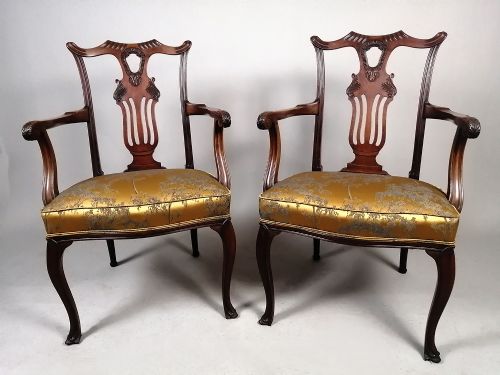
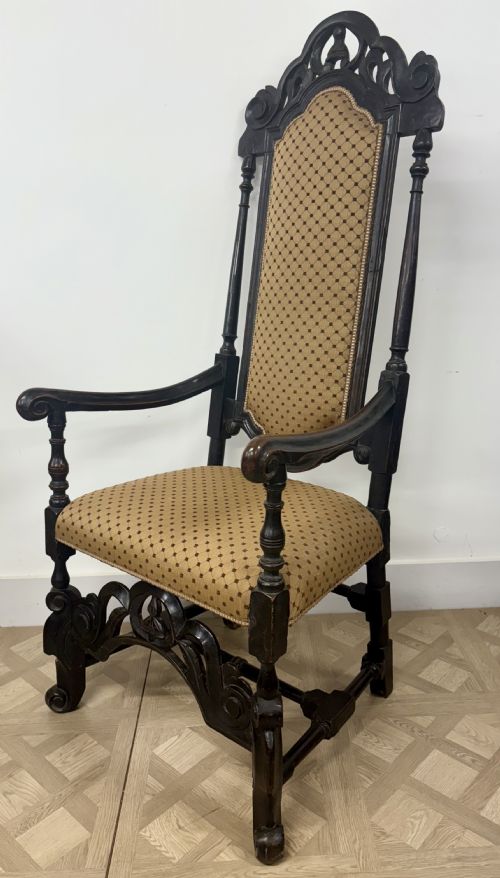
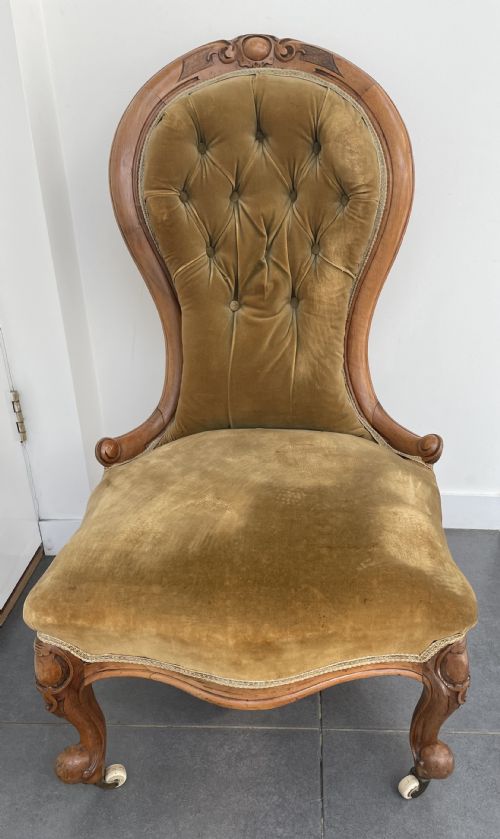
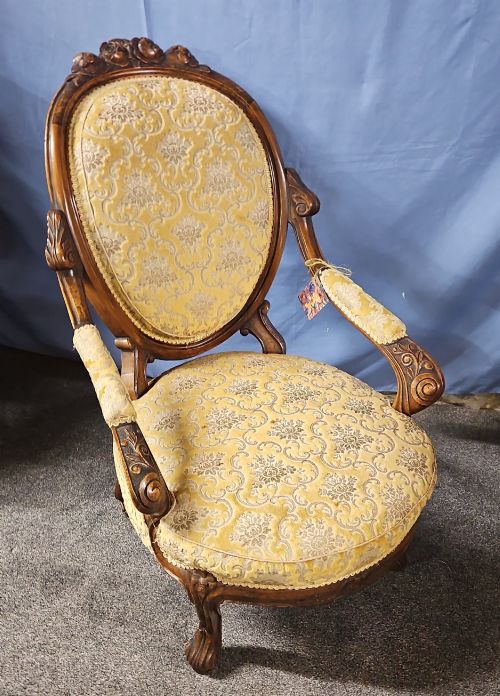
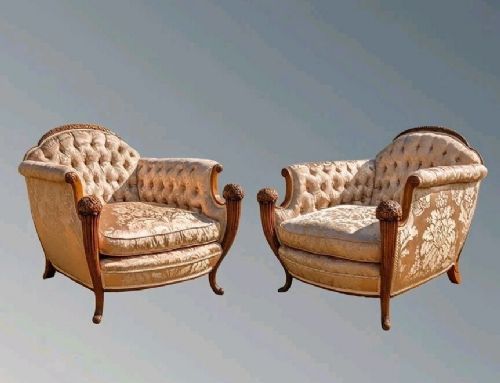
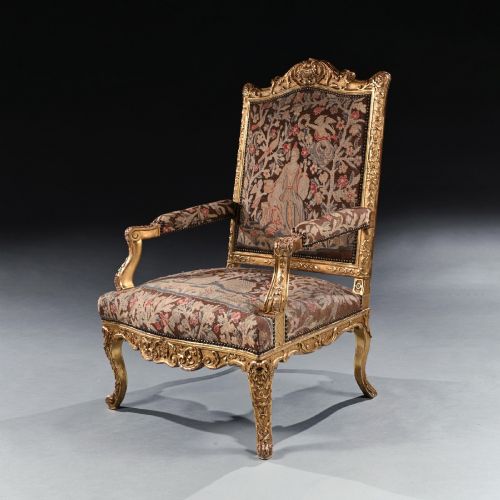
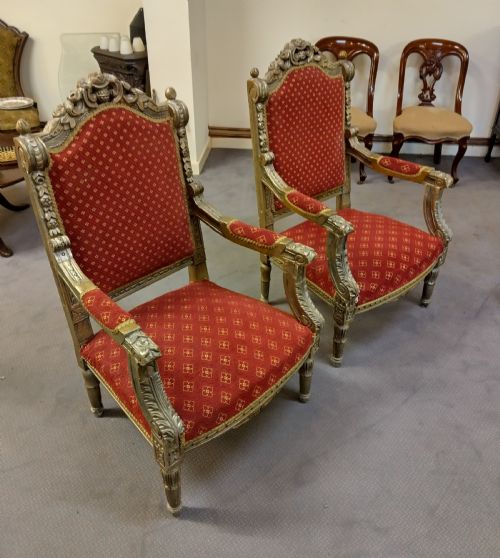
Gold Upholstered Chairs
These gold upholstered chairs bring gilt finishes and rich textiles together across centuries of salon and dining seating.
Gold Upholstered Chairs
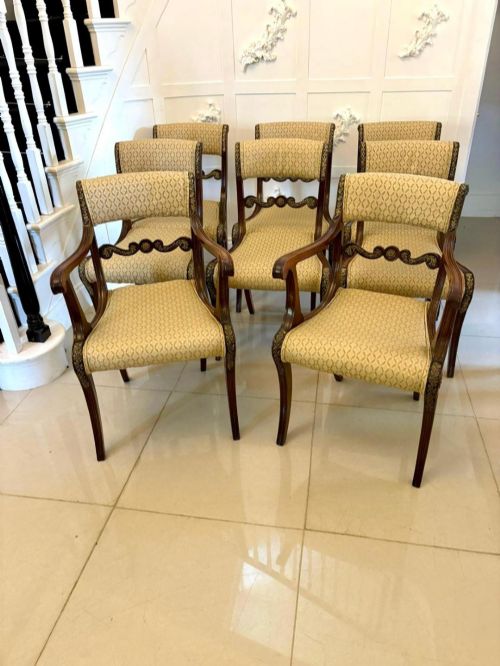
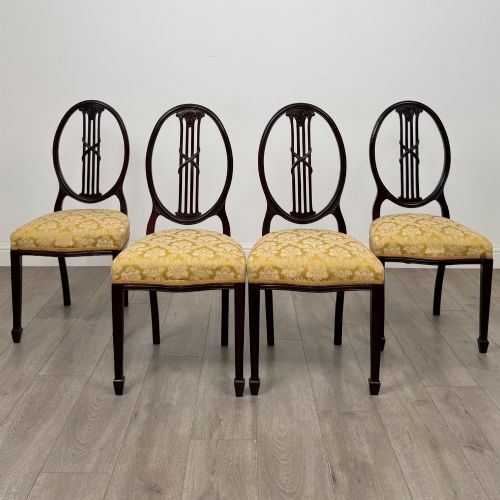
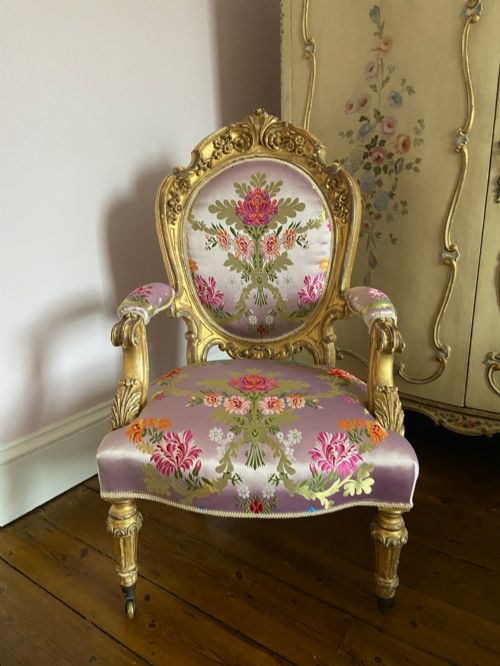
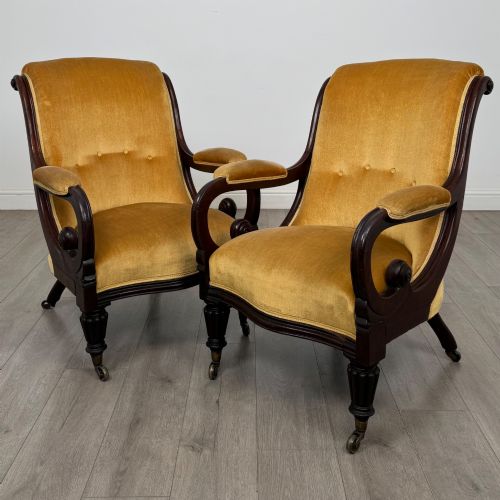
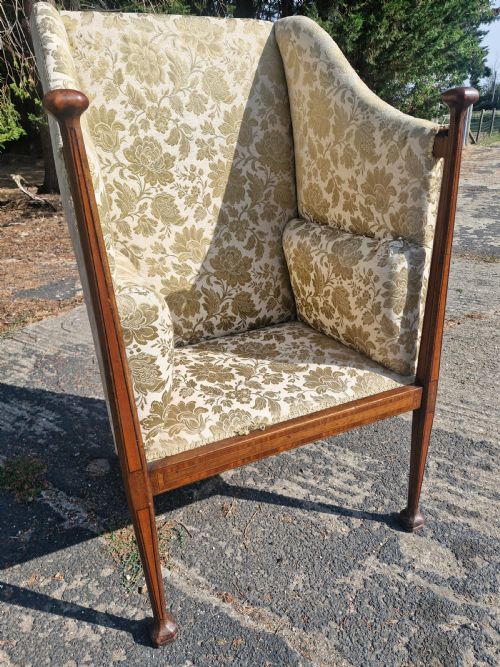
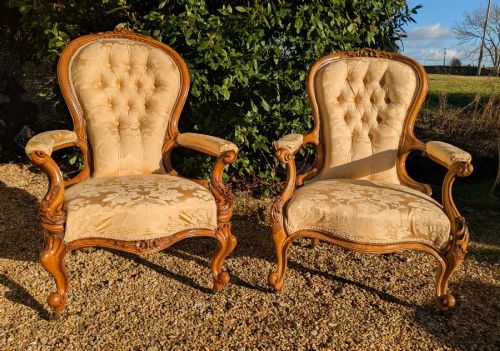
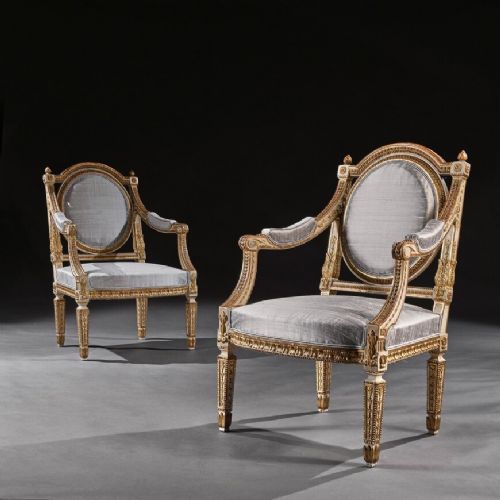
Gold upholstered chairs encompass armchairs, dining chairs, side chairs, and occasional pieces that combine gilded frames with fabric, silk, or velvet coverings. Buyers seeking gold upholstered chairs will find numerous French and English examples drawing on Regency, Victorian, and Louis XVI styles.
The selection ranges from carved giltwood armchairs and painted salon chairs to mahogany and walnut frames finished with gilt highlights. Many pieces originate from the nineteenth century, alongside eighteenth-century forms and twentieth-century revivals.
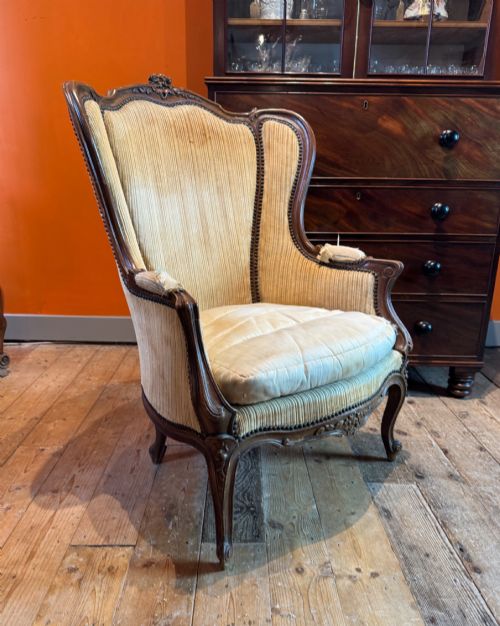
Armchairs, bergères, and chaise longues dominate the seating forms, frequently upholstered in silk or decorative fabrics. These pieces function as decorative seating for drawing rooms, salons, and formal dining spaces.
Materials and Construction
Makers shaped these chairs from hardwoods including mahogany, walnut, and rosewood, applying layers of giltwood, parcel gilt, or brass mounts to the wooden frames. Structural carvings often feature scroll arms, detailed mouldings, and classical ornamentation.
Upholstery relies on traditional textiles such as silk, velvet, and patterned fabrics, sometimes paired with exposed wood or polished brass frameworks. Frame construction utilises period joinery techniques suited to nineteenth-century and earlier cabinet making.
Gold Upholstered Chairs Retail Price Guide 2026
Typical asking prices for gold upholstered chairs among the pieces listed under this phrase on Sellingantiques today, from the lower quarter to the upper quarter. They describe what is for sale here now, not the wider market.
The listings feature walnut, mahogany, and rosewood frames paired with silk, velvet, and fabric upholstery.
Assessing Quality and Execution
The distinction between standard production and exhibition quality rests on the crispness of the wood carving and the depth of the gilding on the frame. Superior pieces display finely detailed hand-carved elements, well-balanced proportions, and robust structural joinery in walnut or mahogany.
Material selection for the upholstery further separates the pieces, with heavy silk fabrics and period-appropriate textiles indicating higher-tier execution. The integration of ormolu mounts and precise joinery distinguishes finer Continental salon chairs from simpler regional variants.
Blaise Maucuy·Holland & Sons
The Gold Upholstered Chairs Glossary
- Giltwood
- Wood that has been coated with gold leaf or gilt finish. This treatment defines the bright, reflective frames seen on many period salon chairs.
- Bergère
- An enclosed upholstered armchair with wooden framing around the sides and back. This French form frequently appears in walnut or giltwood.
- Ormolu
- Cast bronze that has been gilded and applied as a decorative mount to furniture frames. It appears on revival side chairs and cabinets.
- Fauteuil
- An open-armed French armchair with an exposed wooden frame. These chairs typically feature carved armrests and padded elbow rests.
- Spoonback
- A chair back curved in the shape of a spoon to fit the human spine. This silhouette is common on Victorian walnut seating.
Gold Upholstered Chairs: Frequently Asked Questions
What periods do these gold upholstered chairs come from?
The listings span from the late seventeenth century through the Victorian era and into twentieth-century revivals. Many examples date from the nineteenth century, incorporating earlier design influences.
French and English workshops produced these pieces across various reigns and periods, including Regency, Louis XVI style, and Napoleon III.
Where were these chairs used historically?
These seating forms served primarily in formal settings such as drawing rooms, parlours, and grand dining rooms. Armchairs and bergères provided comfortable seating in private salons.
Side chairs and occasional chairs functioned as movable seating for entertaining guests in reception rooms.
How do I care for antique silk upholstery?
Silk and delicate textiles require protection from direct sunlight to prevent fading and fibre degradation over time. Gentle dusting and professional textile cleaning help maintain the fabric.
Avoiding excessive moisture preservation keeps the underlying wooden gilt frames secure and stable.
How do I distinguish Louis XVI style from Regency?
Louis XVI style chairs typically display neoclassical symmetry, straight fluted legs, and carved oval or square backs with gilt finishes. Regency chairs draw on British classical design with sabre legs and mahogany frames.
Continental pieces often emphasise ornate giltwood carving, whereas Regency examples focus on clean architectural lines.