

Gold Spark Guard
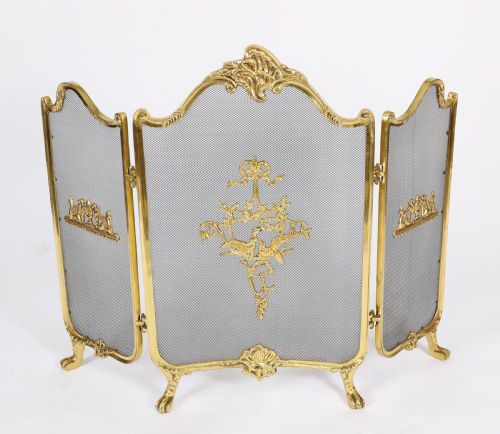
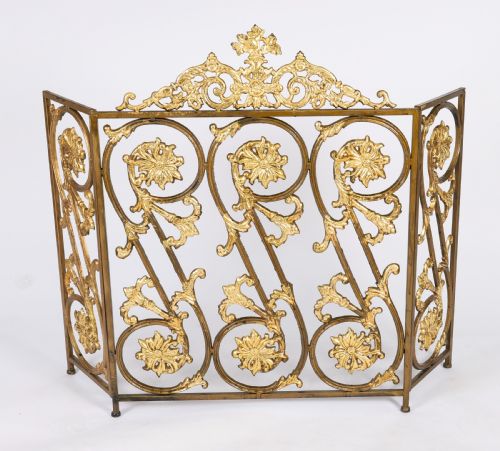
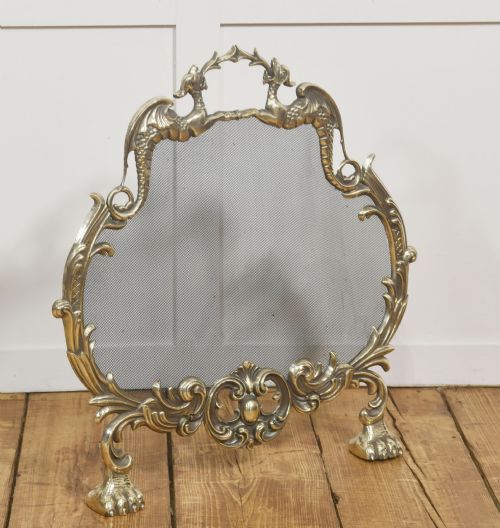
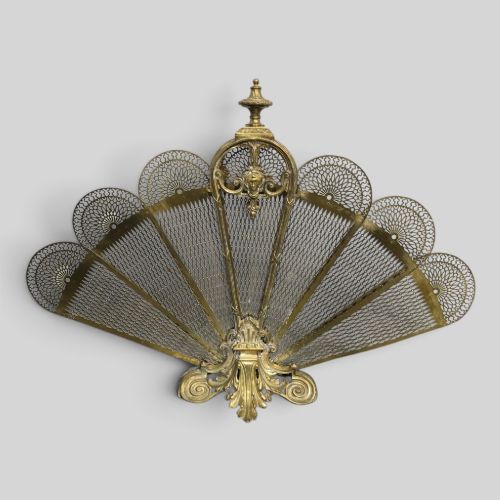
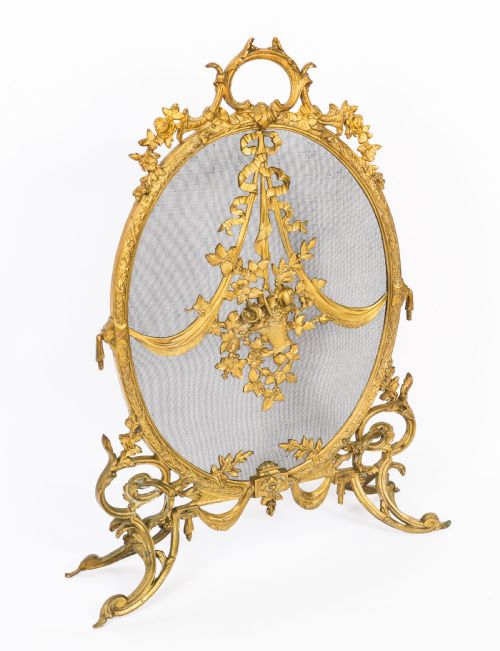
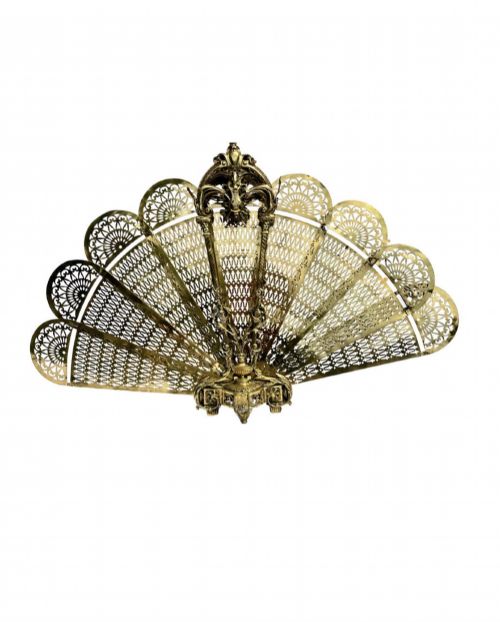
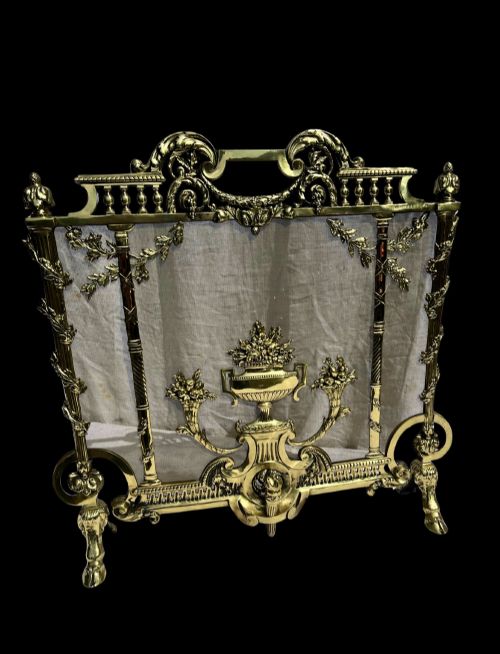
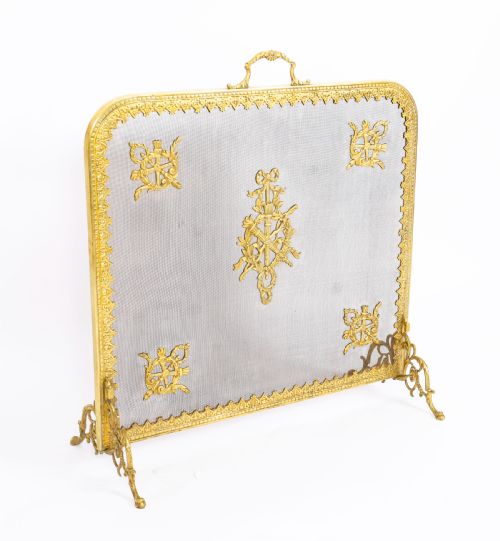
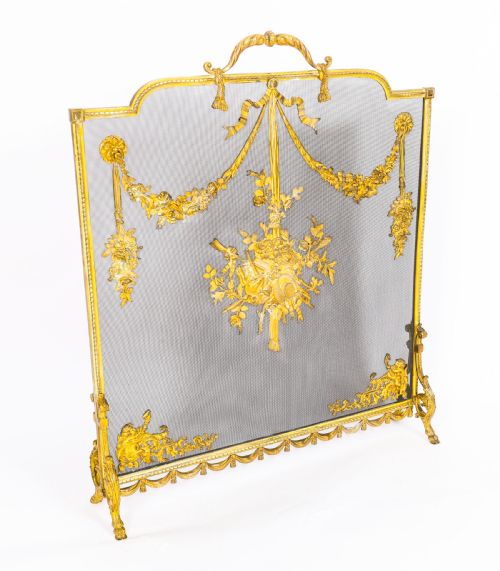
A gold spark guard is a practical brass or gilt bronze screen that protects rooms from hearth embers with distinct period style.
Gold Spark Guard
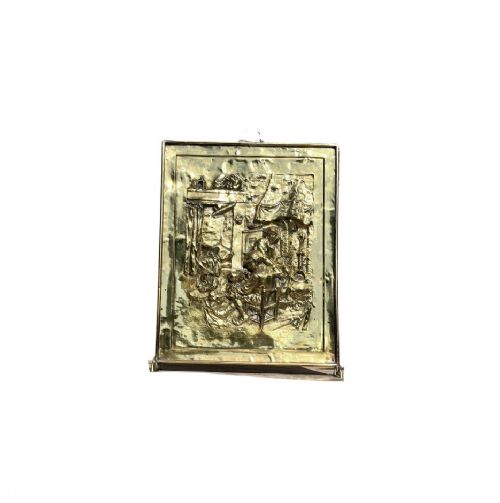
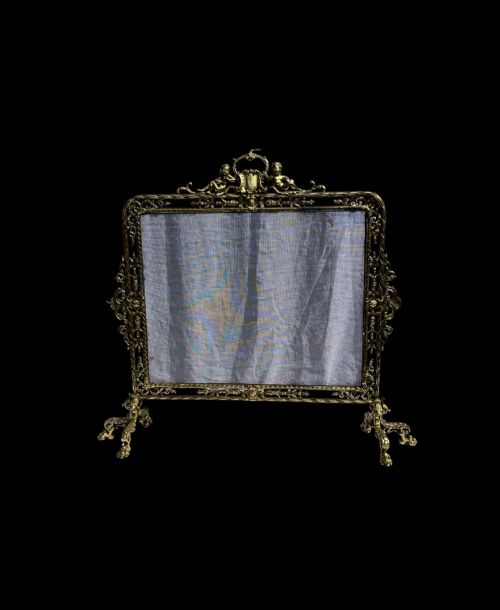
The objects combine utility with decorative metalwork, frequently adopting French Rococo, Louis styles, and Empire Revival motifs. These pieces range from simple wire mesh barriers to ornate pierced brass frames housing mirrors or decorative panels.
Quality and Distinction
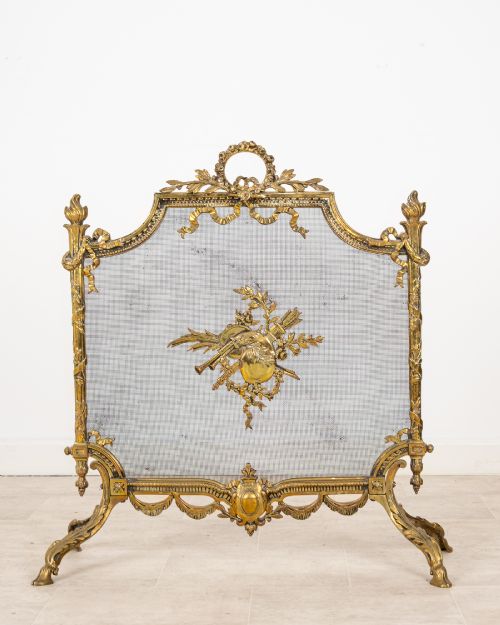
Quality rests upon the weight and crispness of the metal casting, distinguishing heavy gilt bronze and chased ormolu from lighter pressed brass iterations. The refinement of decorative details, such as hand-pierced foliage and cast trophies, separates standard utilitarian guards from elaborate salon pieces.
Structural integrity in folding mechanisms and the tightness of the wire or steel mesh also define the superior examples.
Listings feature items spanning the nineteenth century through the 1920s, utilising brass, wire mesh, gilt bronze, mirror, and glass.
The Gold Spark Guard Glossary
- Gilt bronze
- Metal cast and coated with a thin layer of gold, providing a durable and luminous finish on decorative screens. This technique appears frequently on French revival pieces.
- Ormolu
- Finely chased and gilt bronze popular in French decorative arts. The term describes the high-status golden mounts and frames found on nineteenth-century hearth guards.
- Wire mesh
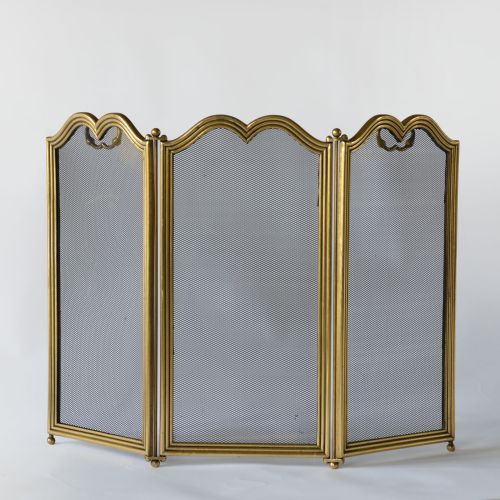
- Interwoven metal wire forming the protective screen barrier. It stops sparks while allowing heat to radiate into the room.
- Rococo Revival
- A nineteenth-century design style marked by asymmetric scrolls, shell motifs, and exuberant curves. It dominates the ornamentation of many brass fire screens.
- Tripartite
- Composed of three sections or panels, often hinged for folding. This construction allows the guard to adjust around hearth openings.
Gold Spark Guard: Frequently Asked Questions
What is a gold spark guard?
A gold spark guard is a decorative metal screen placed in front of an open fireplace to catch flying embers. They utilise brass, gilt bronze, and mesh to protect flooring and furnishings.
These items double as ornamental focal points for a room when the hearth is unlit. Their designs often incorporate historical revival styles from the nineteenth century.
How do you use a fire screen?
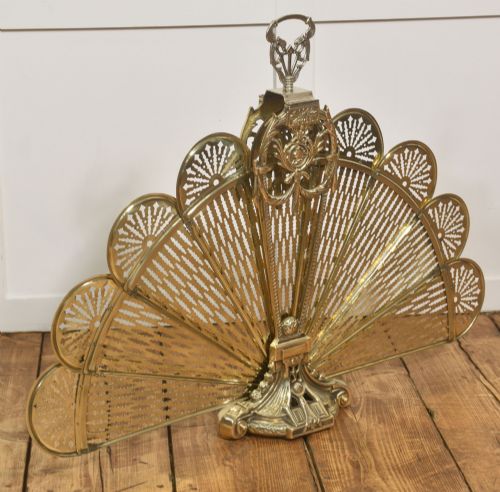
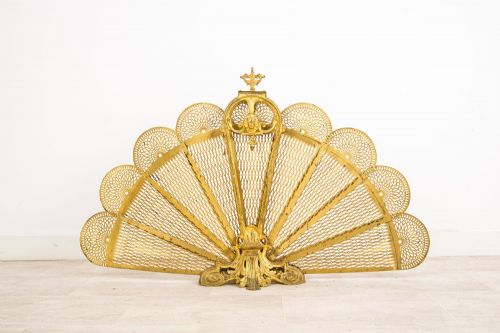
Fire screens stand freely on the floor directly in front of the fireplace opening during or after a fire. Folding fan versions open out to cover wider hearth areas.
When the fire is not burning, they remain in place to hide the empty grate. The reflective brass and mirror surfaces also help brighten darker fireplace recesses.
How do I identify Victorian brass guards?
Victorian brass guards typically feature robust construction with floral pierced patterns or folding fan blade configurations. They reflect the industrial metalworking capabilities of the nineteenth century.
Many examples incorporate heavy cast brass frames paired with fine wire mesh. Makers often utilised straightforward mechanical hinges for tripartite folding designs.
What is the difference between French and English styles?
French styles on these screens generally display elaborate Rococo, Louis XIV, or Empire Revival motifs like musical trophies and flaming torches. They frequently employ gilt bronze and ormolu finishes.
English or domestic Victorian pieces tend to focus on functional folding fan shapes and floral pierced brass fenders. Their ornamentation is often less theatrical than their continental counterparts.