





Gold Rope Twist Mirror
A gold rope twist mirror delivers sculptural texture to a room, framing reflections with carved architectural turns and metallic warmth.
Gold Rope Twist Mirror
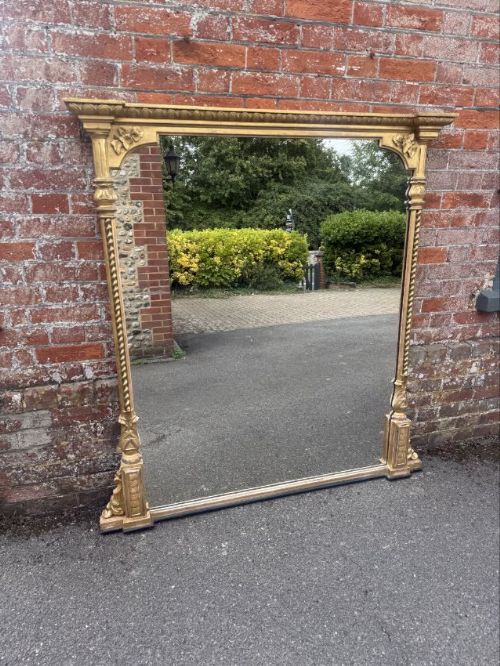
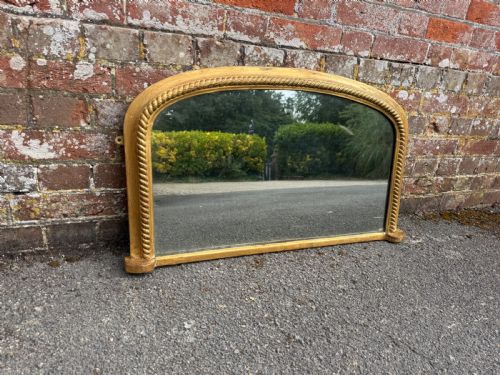
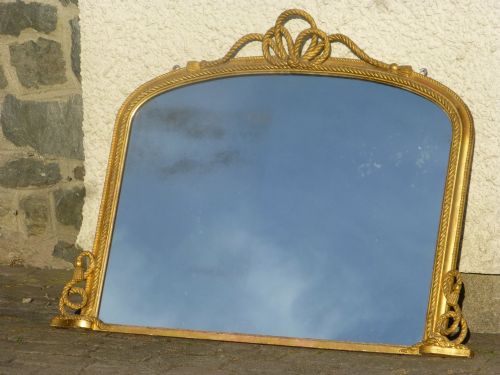
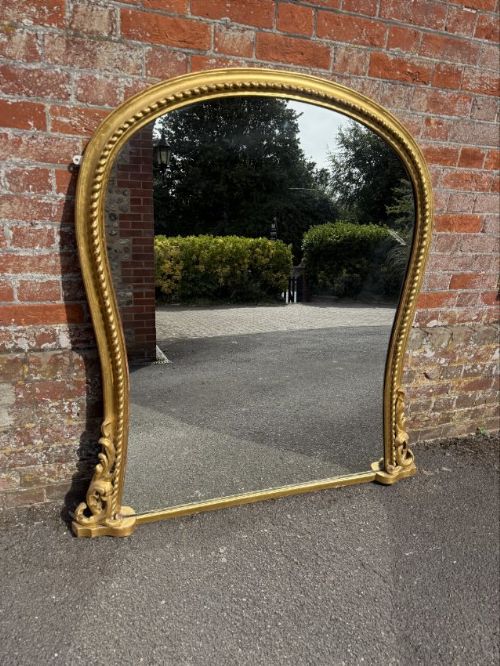
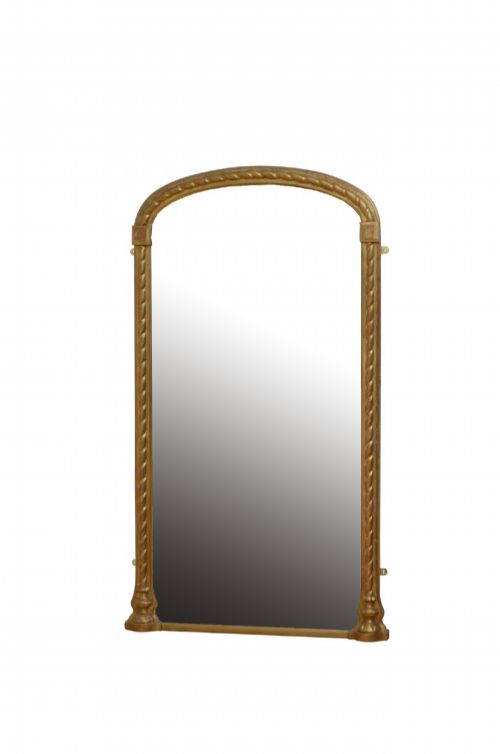
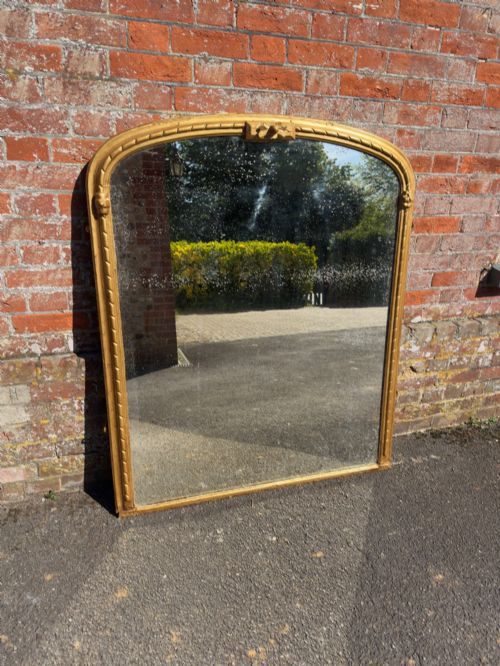
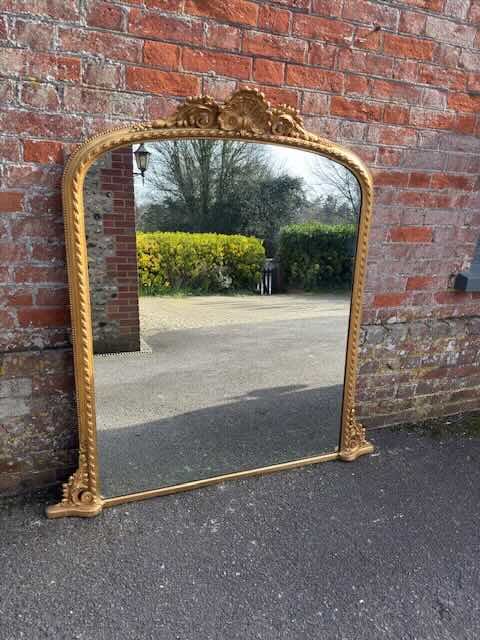
A gold rope twist mirror uses a distinct twisted cable moulding to enclose the glass, drawing the eye through continuous circular carved rhythms. These pieces appear frequently across the nineteenth century, spanning Regency, Victorian, and Edwardian periods.
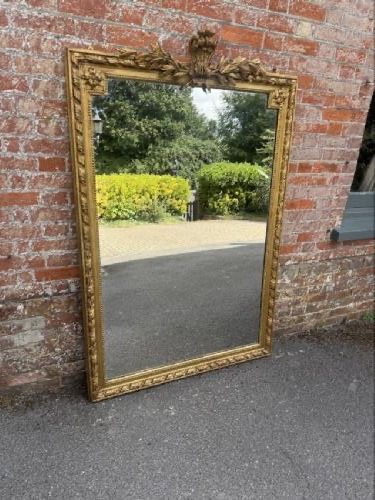
The format is dominated by large overmantel mirrors and substantial wall mirrors designed to command a principal reception room. Architectural proportions predominate, particularly arched tops, pier glass formats, and grand scale circular layouts.
English and French workshops produced the majority of these items, utilising heavy wooden substrates finished with decorative gesso and gold leaf. Examples range from simple rope carvings to elaborate compartmented plates and girandole configurations.
How they were made
Makers constructed the primary carcasses from timber, employing carved wood or moulded composition over a wooden substrate to build up the three-dimensional rope twist profile. Gesso was applied to the underlying structure to create a smooth, dense base capable of holding crisp relief details.
Surface brilliance relied on the application of gold leaf or gilding over the prepared gesso, providing the characteristic metallic sheen seen on these frames. Mirror glass was then fitted into the rebate, secured at the rear with traditional backing boards.
Several mirrors include nautical overtones in their rope carving, bringing a subtle maritime texture inland to dry nineteenth-century drawing rooms.
What varies in quality
The distinction between tiers rests upon the depth and sharpness of the carving within the twist moulding and the proportion of hand-carved wood versus moulded composition. Crisp undercut definition in the rope turns separates superior workshop output from simpler, softer press-moulded iterations.
Gilding technique dictates the overall visual weight, with genuine gold leaf application exhibiting a warmer, more nuanced patina over time compared to uniform modern paint finishes. The integrity of the original glass plates and the structural stability of the heavy wooden overmantel frames also define the tier of craftsmanship.
The Gold Rope Twist Mirror Glossary
- Gesso
- A plaster-like mixture applied to wood frames to provide a smooth surface for gilding. It is built up in layers before being carved or moulded.
- Giltwood
- Timber that has been coated with gold leaf or gold paint. This material forms the primary golden structure of the frames.
- Overmantel Mirror
- A large mirror specifically proportioned to hang above a fireplace mantel. These pieces often feature horizontal emphasis or arched tops to match architectural chimney breasts.
- Pier Mirror
- A tall, narrow mirror designed to hang on the wall space between windows. They frequently incorporate lower consoles or simple rectilinear frames.
- Girandole
- A decorative wall mirror fitted with attached candle sconces. The candle arms reflect additional light into the room from the glass surface.
Gold Rope Twist Mirror: Frequently Asked Questions
Where should I hang a large overmantel mirror?
These mirrors traditionally anchor the space directly above a drawing room fireplace, reflecting light and establishing a central focal point in the interior.
Alternatively, positioning one opposite a window maximises natural daylight and opens up smaller room proportions.
How do I identify a nineteenth-century frame?
Examine the construction materials at the back and edges to spot hand-applied gesso over solid timber carcasses rather than modern synthetic resins.
Signs of age include subtle shrinkage cracks in the gesso and foxing or oxidation within the silvering of the antique mirror glass itself.
What is the difference between a pier glass and an overmantel?
Pier mirrors are vertically proportioned to fit narrow wall spaces between architectural openings or windows. Overmantel mirrors are broader and wider, built to span the horizontal width of a fireplace surround.
How do I clean a gilded rope twist frame?
Dust the raised carved wooden twists gently with a soft, dry brush to prevent accumulation in the recesses. Avoid all liquid cleaners and chemical solvents, as moisture damages fragile historic gesso and gold leaf surfaces.