

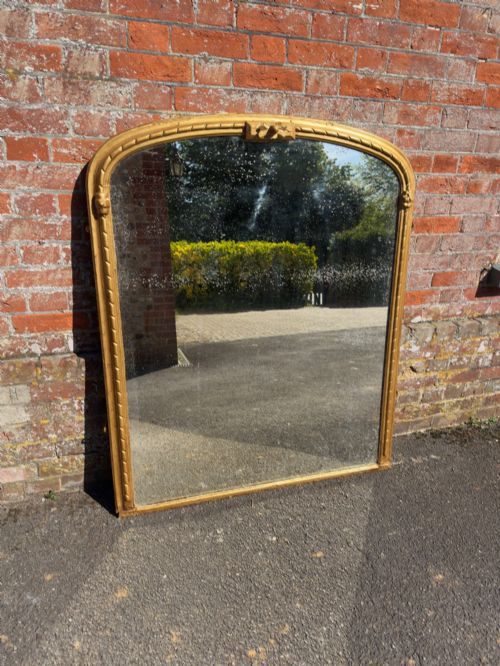


Carved Rope Twist Frame
A carved rope twist frame turns the traditional looking glass into a sculptural statement, bringing tactile warmth and intricate maritime detail to period interiors.
Carved Rope Twist Frame
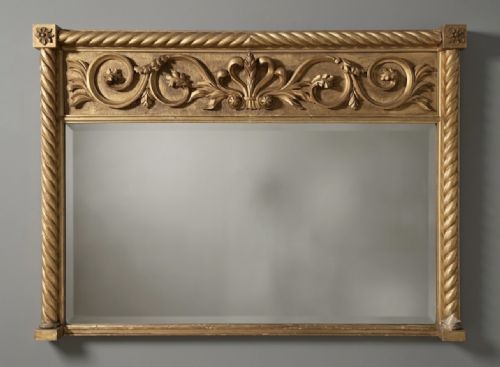
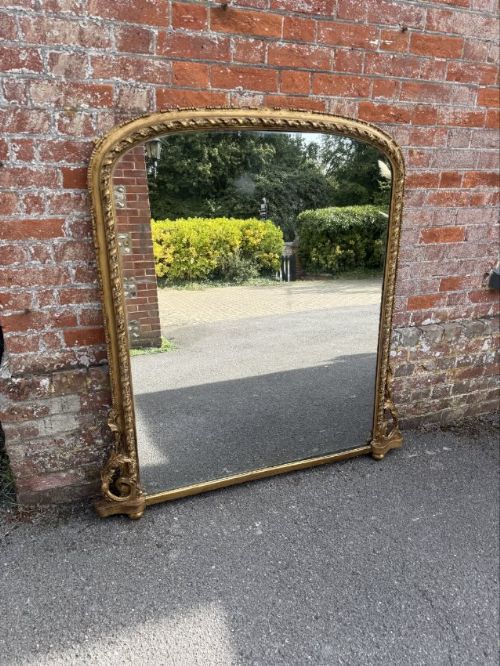
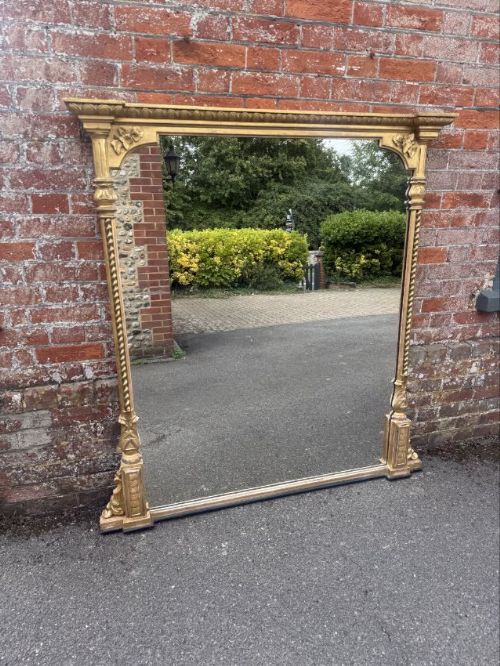
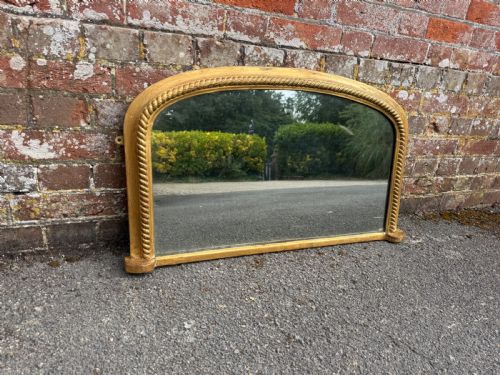
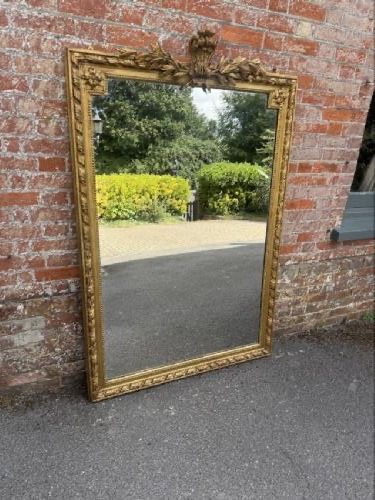
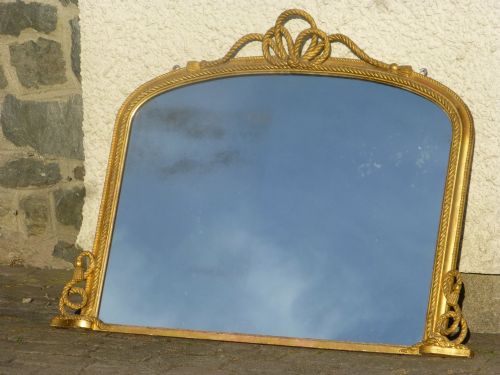
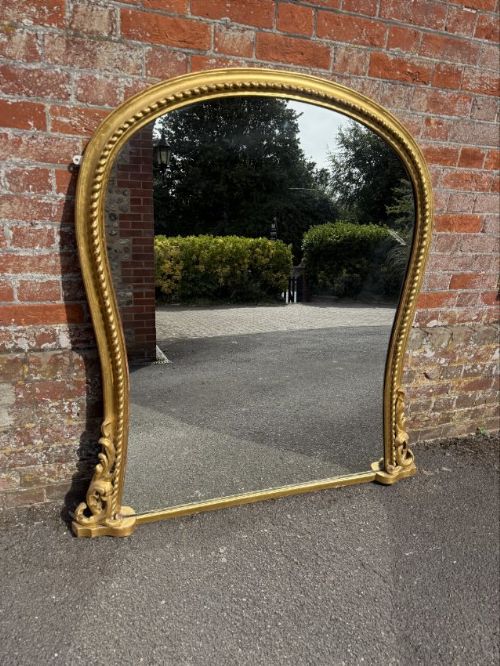
A carved rope twist frame typically defines substantial nineteenth-century overmantel and wall mirrors designed to draw the eye in principal reception rooms. The form bridges English Regency, Victorian, and French regional aesthetics, frequently appearing with arched tops or grand proportions meant for mounting above a fireplace.
Most examples encountered here combine structural pine or hardwood carcases with applied gesso mouldings that render the helical rope motif with crisp precision. Beyond mirrors, the twisted cord pattern occasionally surfaces on functional instruments such as oak barometers from the Victorian era.
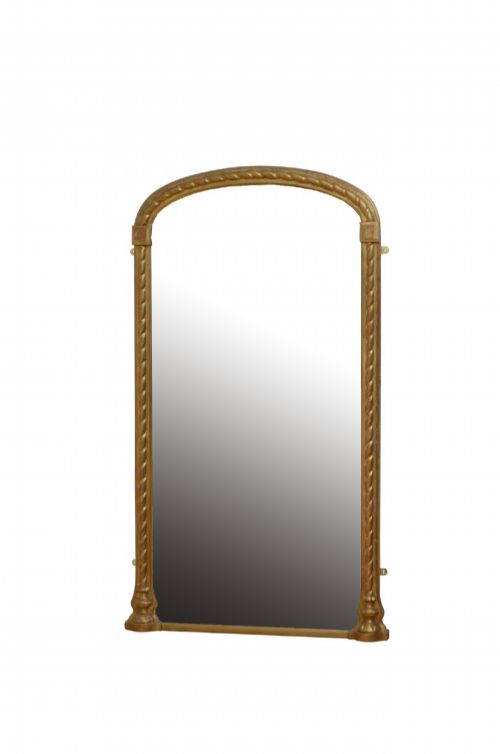
Originating largely from English and French workshops, these pieces vary from restrained architectural pier glasses to decorative cushion mirrors and triptychs. The recurring helical twist provides a unifying decorative rhythm across diverse nineteenth-century styles.
How They Were Made
Craftsmen built the primary structure using timber such as pine or native hardwoods, carving the underlying rope twist directly into the wood or building up the helical contours in thick gesso. Composition paste was frequently pressed into moulds to achieve the crisp, repeating strands of the twist along the rebate and outer moulding.
Guilders applied thin sheets of gold leaf over a prepared bole layer, or coated the gesso in specialist paint finishes, sealing the intricate carved surfaces to catch ambient light. Original mirror glass, often showing slight age foxing, was secured from behind within the heavy timber frame.
Even ships at sea occasionally lent their aesthetic to dry land, as sturdy oak barometers adopted the same jaunty nautical rope twist.
What Varies in Quality
The distinction between ordinary and exceptional pieces lies in the depth and sharpness of the hand-carved or moulded rope twist, where crisp undercut strands demonstrate superior artisan skill over soft, shallow impressions. The integrity of the original giltwood or painted surface also dictates the piece's character, as heavy overpainting or clumsy gesso repairs obscure the definition of the twists.
Proportion and scale play a vital role, with larger overmantel and pier mirrors demanding precise joinery to support heavy glass plates without warping the main frame. Pieces retaining their original backing boards and untouched mercury or plate glass command greater appreciation among purists.
The Carved Rope Twist Frame Glossary
- Gesso
- A plaster-like mixture applied to wood frames to create a smooth surface for gilding or to be moulded into decorative relief details like rope twists.
- Overmantel Mirror
- A large horizontal mirror specifically scaled to hang on the wall directly above a fireplace mantelpiece.
- Giltwood
- Timber that has been coated with thin layers of gold leaf or gold paint to give a luxurious metallic appearance.
- Pier Glass
- A tall, narrow mirror traditionally hung on the pier wall between two windows to reflect additional light into a room.
- Cushion Mirror
- A frame style where the outer moulding swells outward in a convex profile resembling a soft pillow, often wrapped in carved rope work.
Carved Rope Twist Frame: Frequently Asked Questions
Where should a rope twist mirror hang?
These large mirrors traditionally occupy the prominent wall space directly above a mantelpiece, where their substantial proportions anchor the room.
Alternatively, narrower pier versions suit spaces between tall windows to amplify natural light and balance the interior architecture.
How do I care for antique giltwood frames?
Gilt surfaces require very gentle maintenance using a dry, soft brush to remove dust from the intricate recesses of the carved rope twist.
Liquid cleaners and abrasive cloths must be avoided entirely, as moisture and friction will strip the delicate gold leaf or gesso layers.
Are these mirrors made of solid wood?
The primary structural carcase is typically constructed from timber such as pine or hardwood to provide necessary strength for wall mounting.
The intricate rope twist and decorative motifs are usually formed from applied gesso or composition moulded over the wooden core.
How do I distinguish French and English mirrors?
French examples from the nineteenth century frequently feature shaped or cushion profiles with softer painted or distressed finishes alongside traditional gilding.
English pieces tend toward architectural rectangular or arched overmantel formats with crisper gesso work and heavier timber framing.