


Gold Porcelain Fruit Bowl
These gold porcelain fruit bowl pieces bring rich nineteenth and twentieth century British and international table craft directly into your dining room.
Gold Porcelain Fruit Bowl
When you search for a gold porcelain fruit bowl, you are looking at an array of decorative table vessels spanning the nineteenth century through to the mid twentieth century. These items include large centrepiece bowls, punch bowls, sugar bowls, and cabinet dishes designed for display or formal service.
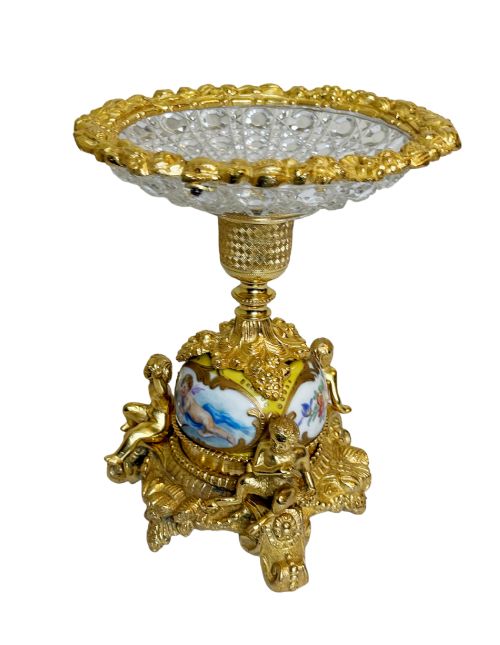
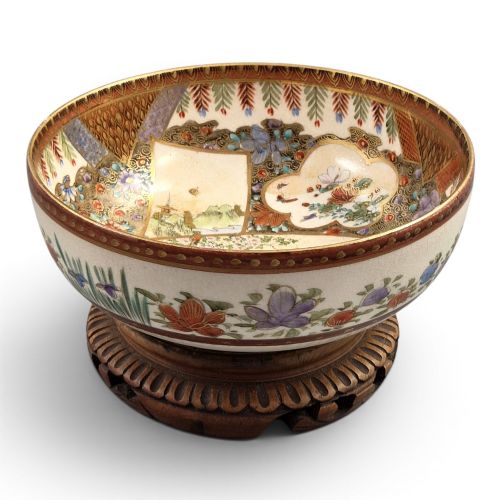
The pieces appearing here draw from diverse aesthetics including Edwardian, French Rococo Revival, Art Nouveau, and the Meiji period. Makers and manufacturers range from English factories like Royal Worcester and Doulton to continental and Japanese workshops.
You will most commonly encounter Edwardian and mid twentieth century English porcelain pieces featuring painted fruit designs or intricate gilding. Each gold porcelain fruit bowl reflects the prevailing dining customs and decorative tastes of its specific decade.
Materials and methods
The foundations of these objects rely upon fine porcelain, bone china, and occasionally gilt bronze or cut crystal mounts. Potters shaped the clay bodies into baskets, lattice bowls, and comports before firing them in kilns.
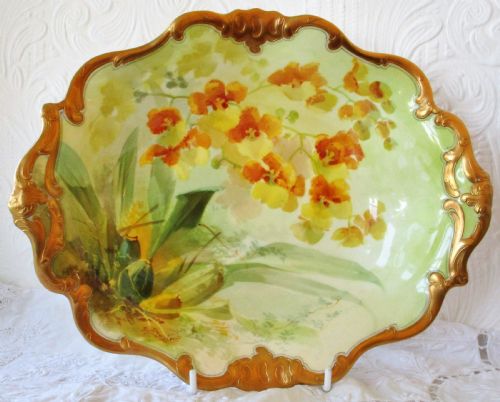
Decoration involved hand painted motifs, particularly botanical studies and fruit scenes, complemented by gold leaf, lustre glaze, and rich gilding. Artisans applied metallic oxides and gold leaf layers which required subsequent firings to bond permanently to the porcelain surface.
Several pieces feature hand painted fruit alongside American eagles and writhing dragon motifs.
Assessing quality and execution
Quality in these bowls rests upon the precision of the hand painting and the application of the gold leaf or gilding. Superior examples display detailed brushwork by named artists and thick, burnished gold rather than flat metallic paint.
The refinement of the porcelain body and the complexity of the moulding, such as lattice work or cast bronze mounts, distinguish standard production wares from exceptional studio and factory pieces.
Royal Worcester·Doulton Burslem·Royal Doulton·Wedgwood·Samson Porcelain
The Gold Porcelain Fruit Bowl Glossary
- Bone China
- A type of soft paste porcelain incorporating bone ash for strength and translucency. It allowed makers to form thinner, more delicate vessel walls.
- Lustre Glaze
- A metallic glaze that produces an iridescent sheen upon the ceramic surface. It is often associated with specialist Wedgwood and Edwardian production.
- Comport
- A raised dish or bowl on a foot, used historically for serving fruit or sweetmeats at dessert. They sit higher on the table than standard bowls.
- Gilding
- The application of gold leaf or gold powder to the porcelain surface for ornamentation. Skilled artisans burnish this gold to achieve a high reflective shine.
Gold Porcelain Fruit Bowl: Frequently Asked Questions
Can I use these for actual fruit?
These bowls are sturdy enough to hold fruit, but many owners choose to display them empty to protect the interior painted scenes from scratching.
Acidic fruits left for extended periods can sometimes react with older glazes. Consider placing a protective liner inside if you use the bowl for daily service.
How do I identify the maker?
Check the underside of the base for factory stamps, painted pattern numbers, or artist signatures. British factories like Royal Worcester utilised distinct date ciphers and backstamps.
Individual artists often signed their painted fruit panels near the edge of the design. Comparing these marks against established reference guides reveals the production era.
What is lustre glaze?
Lustre glaze creates a shimmering, metallic reflection on the ceramic body through the application of metallic salts during a specialised firing process. It became particularly popular during the Edwardian period for decorative tableware.
Pieces with this finish catch the light differently depending on the viewing angle. Wedgwood utilised this technique extensively on dragon patterns and shaded vessels.