
Gold Plated Mechanical Watch
A gold plated mechanical watch combines traditional hand-wound or automatic movements with a layer of precious metal over base materials.
Gold Plated Mechanical Watch
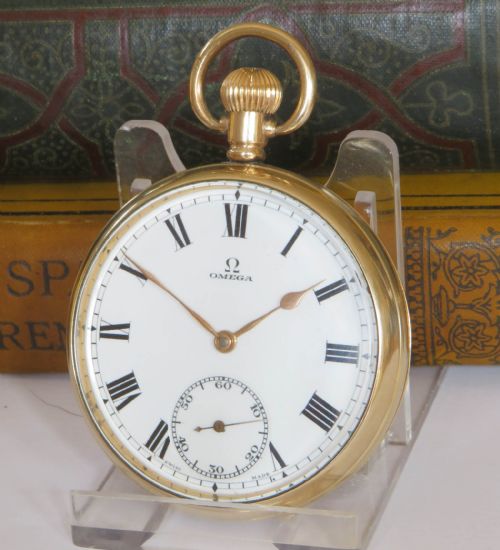
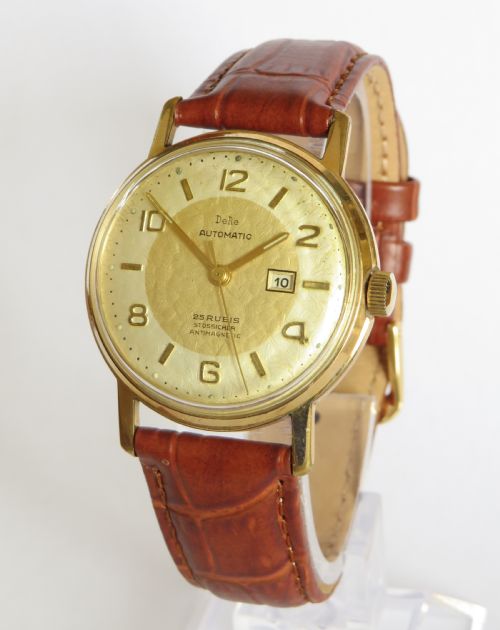
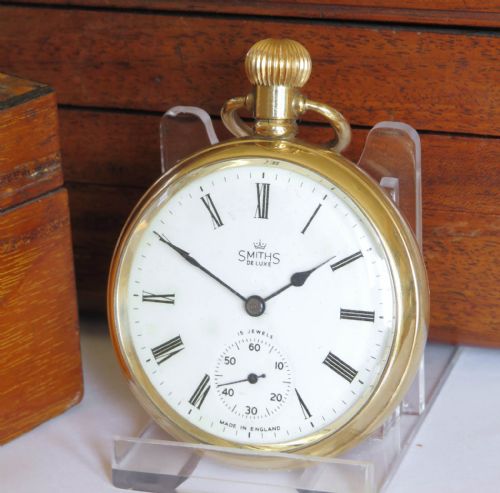
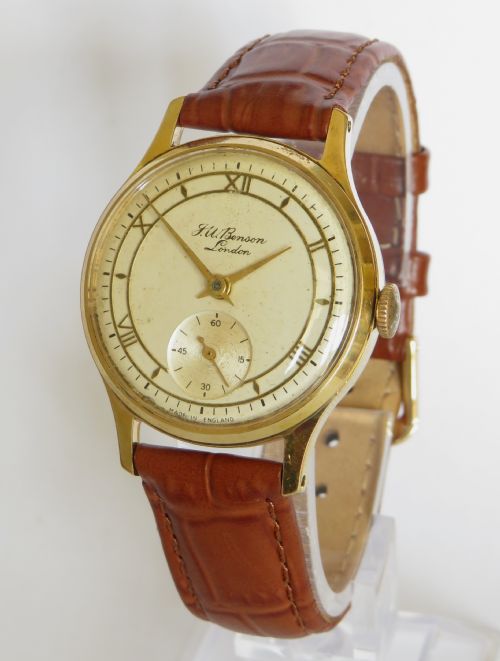
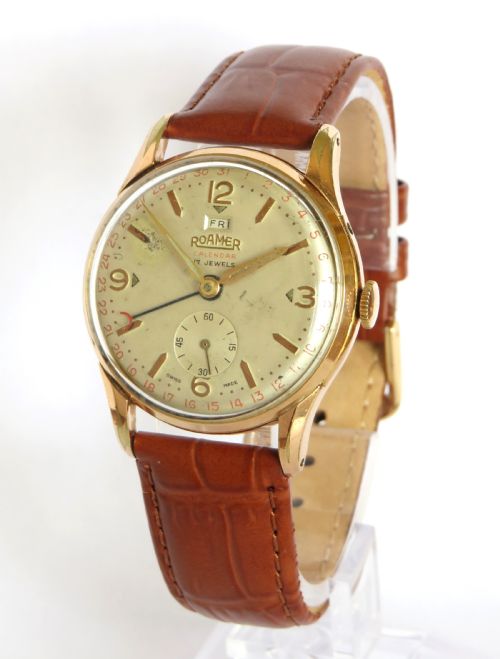
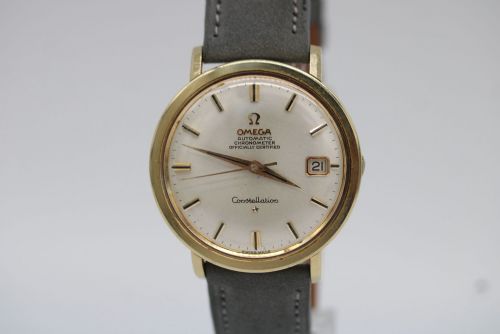
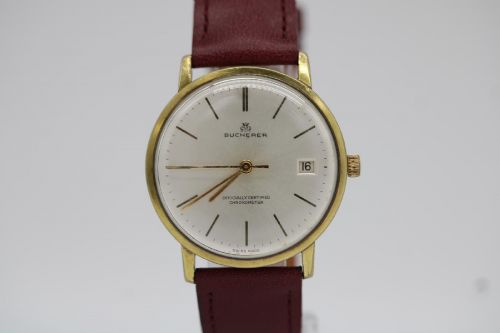
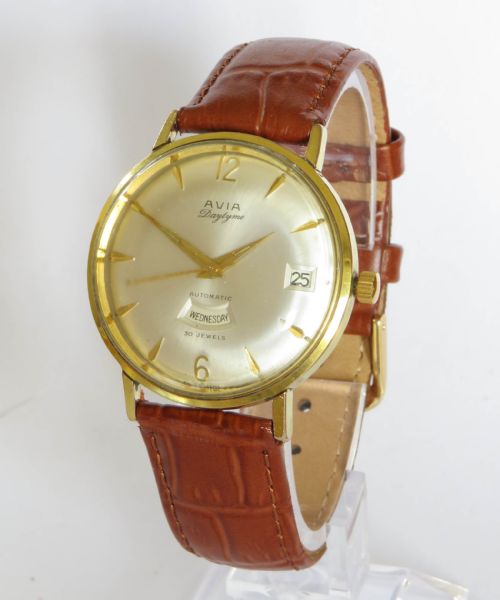
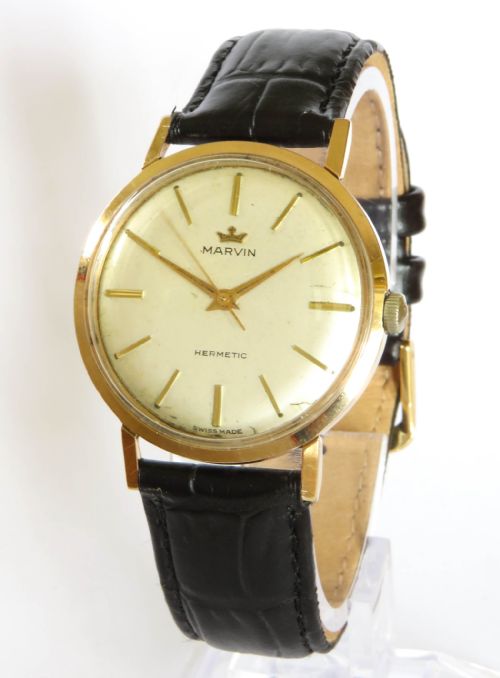
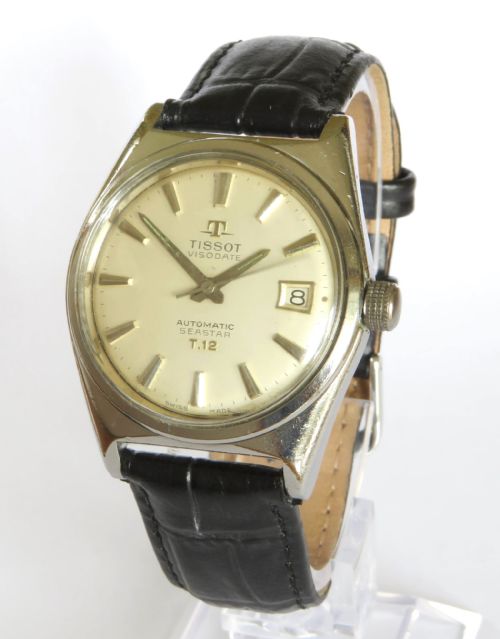
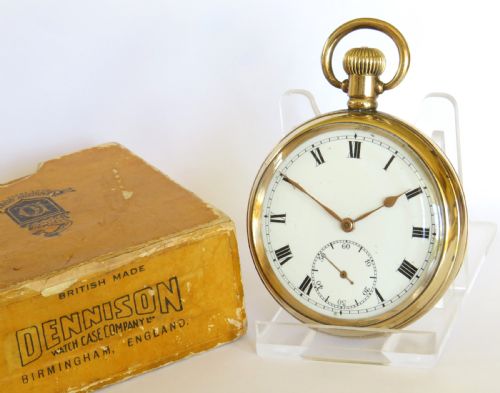
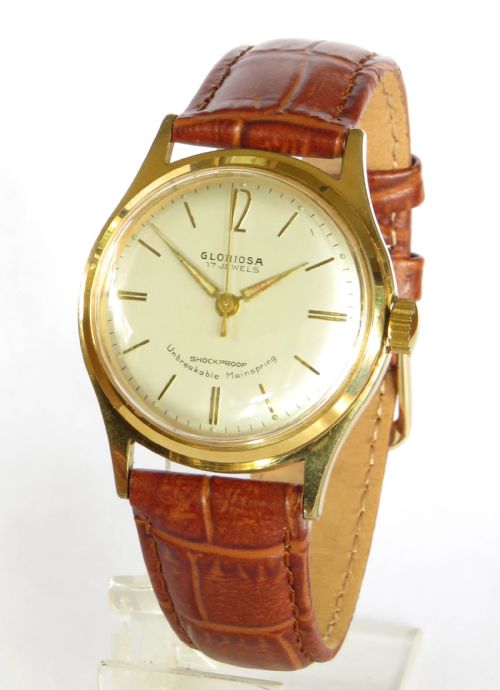
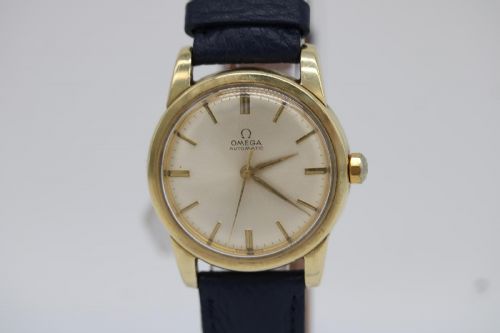
A gold plated mechanical watch represents a category of timepieces spanning from the nineteenth century through the mid-twentieth century, including items styled in Mid-Century Modern, Art Deco, Edwardian, and Victorian designs. Buyers searching for a gold plated mechanical watch encounter both wristwatches and pocket watches housed in metal cases with applied gold layers.
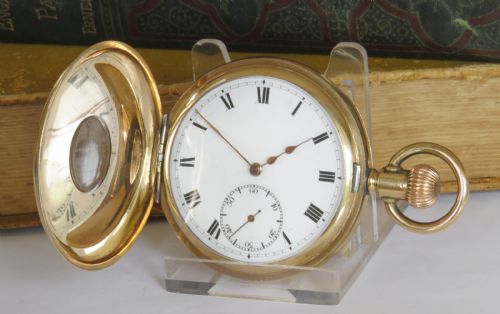
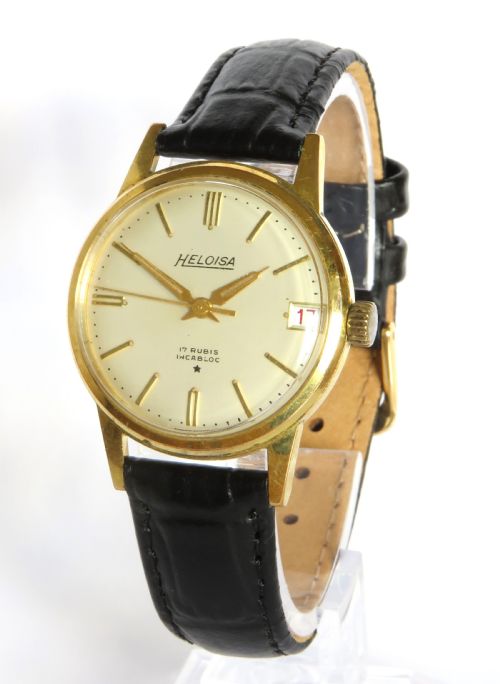
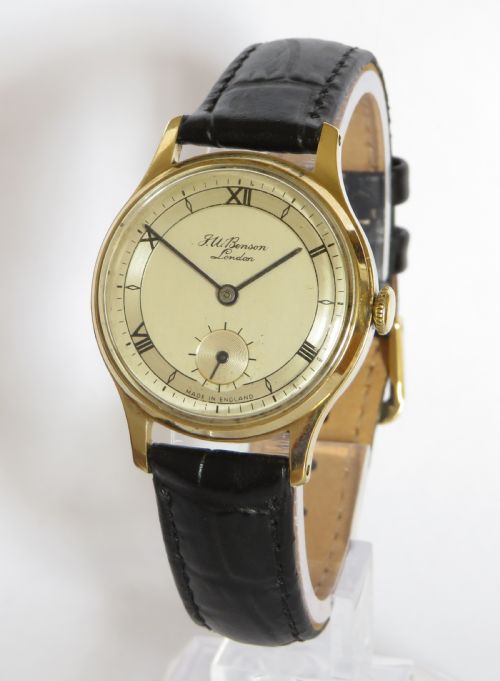
The selections on this page concentrate heavily on gentlemen's wristwatches from the 1950s and 1960s alongside pocket watches dating from the 1930s and earlier periods. Formats range from standard round wristwatch cases to half hunter and full hunter pocket watch designs accompanied occasionally by chains or original boxes.
Materials and construction
Cases utilise gold plate over base metals, paired with components made from stainless steel, glass crystals, enamel dials, and leather straps or acrylic elements. Mechanical movements inside rely on complex gear trains and springs rather than electronic circuits, requiring manual button winding or automatic weighted rotors to power the mechanism.
Dial faces incorporate painted or applied markers beneath glass or acrylic covers, whilst pocket watch variants often integrate hinged dust covers and protective outer cases. Straps combine stitched leather with metal buckles, or connect to matching metal expansion bands and pocket watch chains.
Many pocket watches retain their original metal chains, known as alberts, named after the consort of Queen Victoria.
Variations in quality
Quality differences emerge in the preservation of the surface plating and the crispness of case edges, where wear reveals the underlying metal. Dial legibility, original hands, and signed movements bearing specific calibre numbers distinguish standard production pieces from higher grade examples.
The mechanical sophistication of the internal movement, such as automatic winding systems or adjusted escapements, separates basic utilitarian timepieces from refined workshop productions.
Omega·Smiths·Zenith·Tissot·Certina
The Gold Plated Mechanical Watch Glossary
- Gold Plate
- A layer of gold bonded mechanically or chemically to a base metal core. This technique provides the visual appearance of solid gold while utilising stronger or more affordable underlying metals.
- Mechanical Watch
- A timepiece powered by a mainspring that drives a system of gears and an escapement. These movements require regular manual winding or automatic wrist motion to function.
- Half Hunter
- A pocket watch featuring a case with a small glass or open centre window on the outer cover. This design allows the wearer to read the time without fully opening the hunter case.
- Calibre
- The specific manufacturer designation for a particular watch movement design. Collectors use calibre numbers to identify the internal mechanism and verify originality.
- Automatic
- A self-winding mechanical movement that uses a weighted rotor turning in response to the natural motion of the wearer's wrist to tension the mainspring.
Gold Plated Mechanical Watch: Frequently Asked Questions
How do I wind a mechanical watch?
Turn the crown button clockwise between your thumb and forefinger until you feel firm resistance. Stop winding immediately when resistance increases to avoid damaging the mainspring.
For automatic models, normal daily wear keeps the internal weighted rotor moving to tension the spring automatically, though manual winding can jumpstart a stopped watch.
What is the difference between a pocket watch and a wristwatch?
Pocket watches are designed to be carried in a waistcoat or pocket, often secured with a chain or albert, and feature protective hinged covers like full hunter designs.
Wristwatches secure directly to the wrist using leather straps or metal bracelets, offering immediate visibility during active daily wear.
How do I identify the decade of a watch?
Examine the overall design style, dial typography, and case proportions, noting indicators such as Art Deco geometric lines from the 1930s or minimalist layouts from the 1960s.
Internal movement markings, serial numbers, and signed bridges often provide specific manufacturing periods corresponding to active production decades.
Are these watches waterproof?
Vintage gold plated mechanical watches generally lack modern rubber gaskets and screw-down crowns, making them vulnerable to moisture ingress.
Avoid submerging these timepieces in water or wearing them during swimming to protect the internal steel and brass components from rust.