
Gold Ormolu Mount
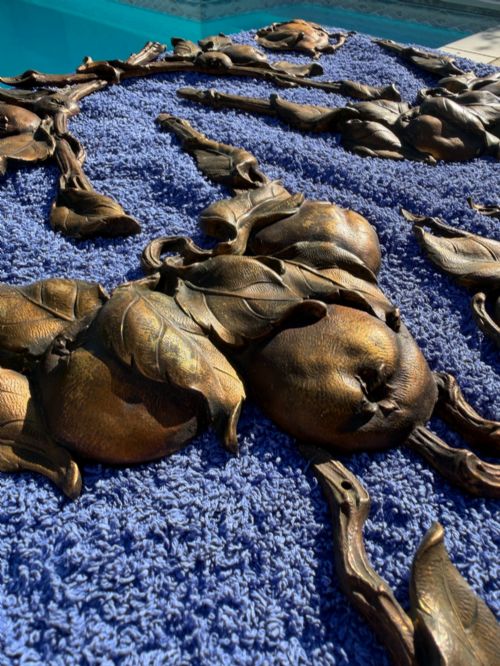
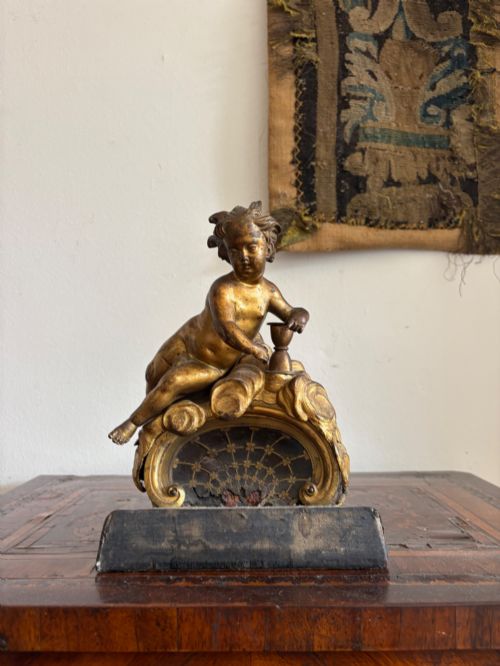
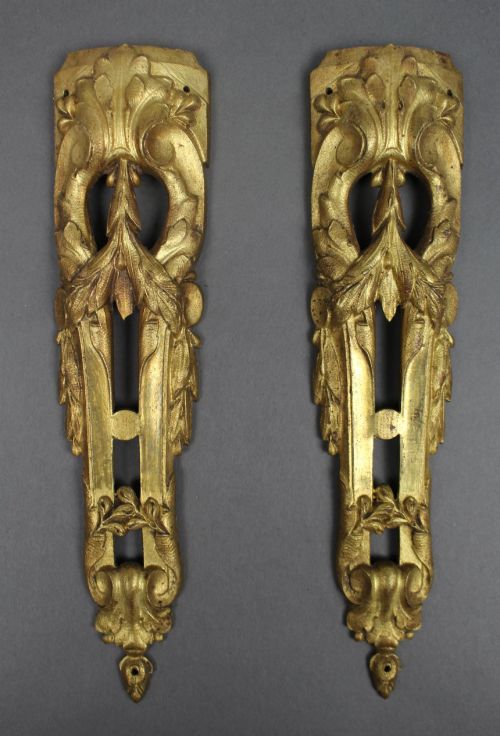
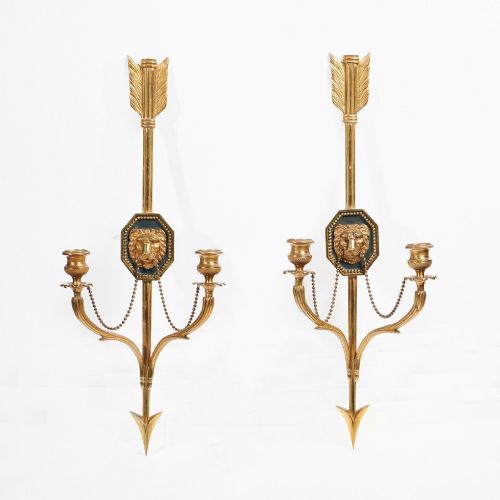
These gold ormolu mount pieces bring gilt bronze and brass detailing to clocks, furniture, and porcelain, offering a rich decorative finish.
Gold Ormolu Mount
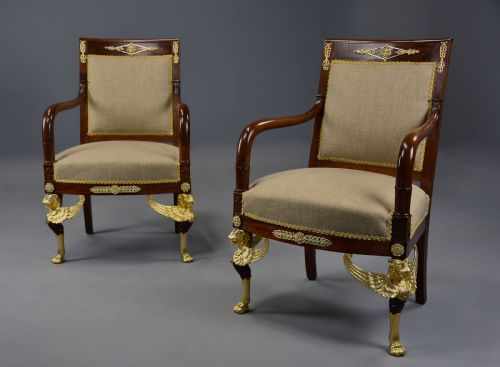
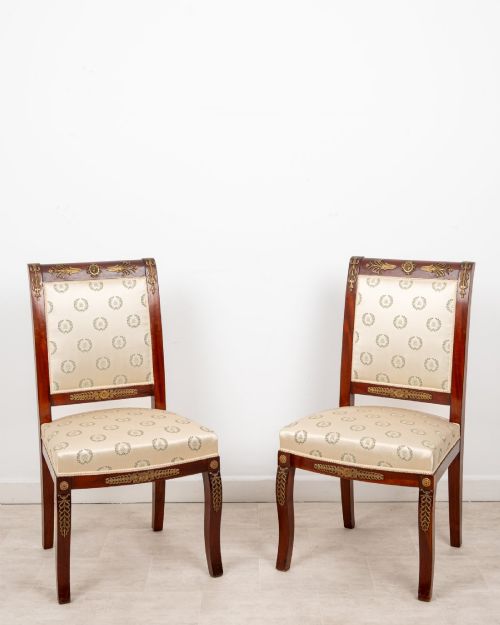
When you search for a gold ormolu mount, you encounter decorative hardware and ornamental accents applied to nineteenth-century furniture, porcelain, and clocks. The selection on this page leans heavily toward French revival styles, including Louis XVI, Napoleon III, and Empire designs.
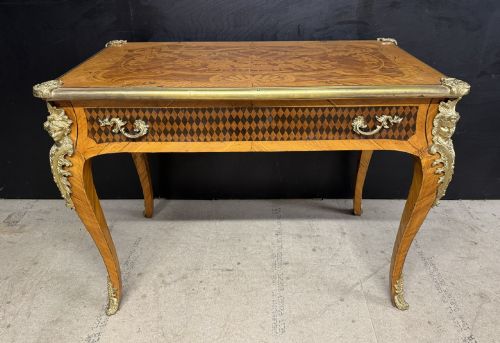
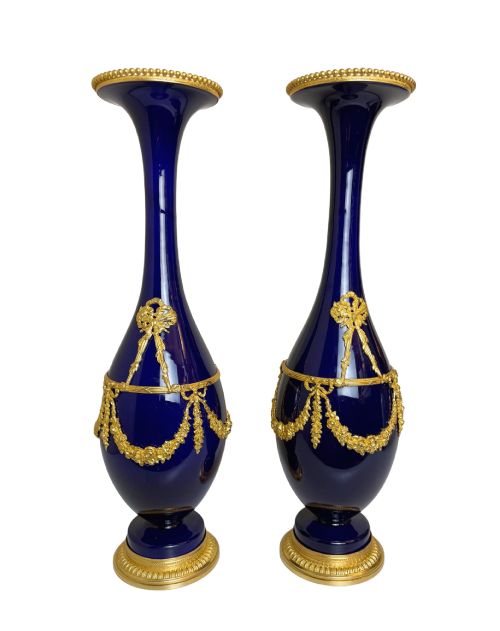
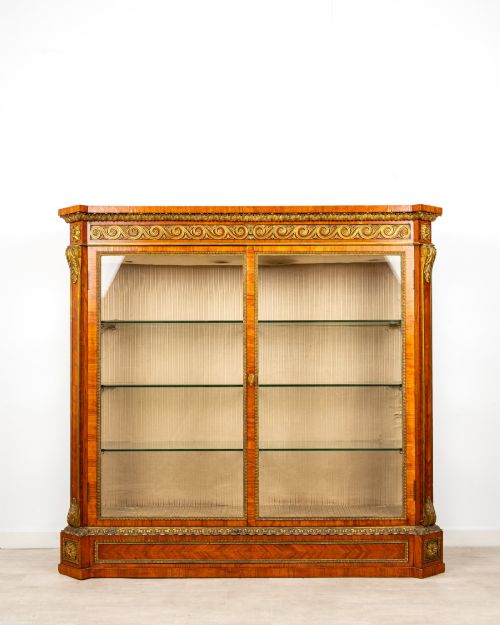
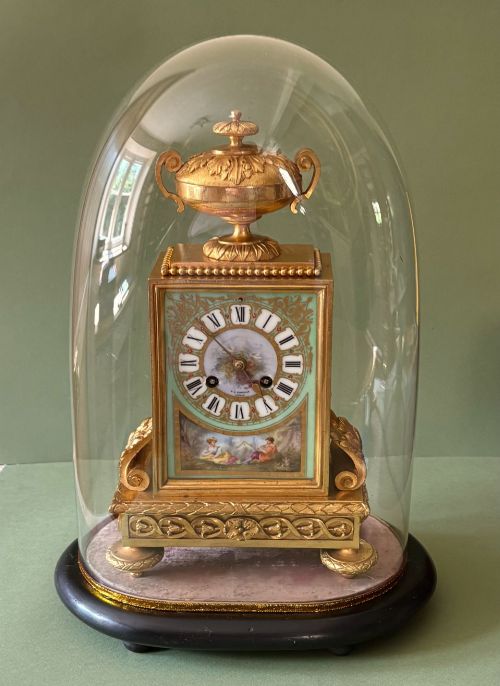
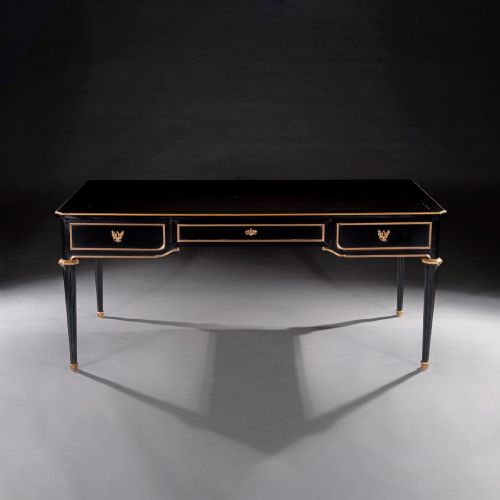
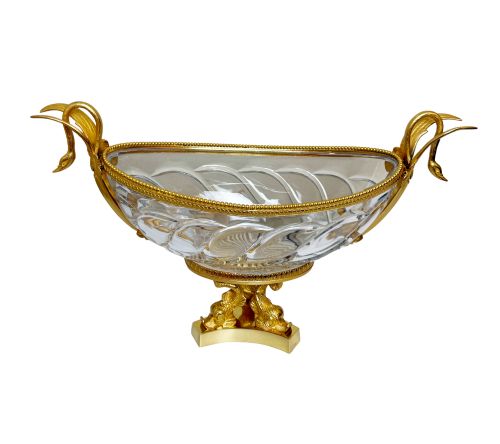
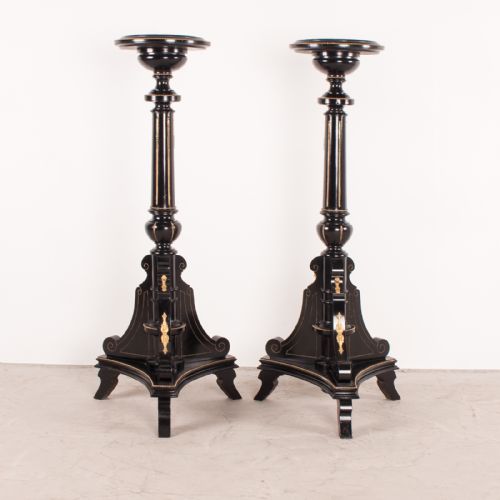
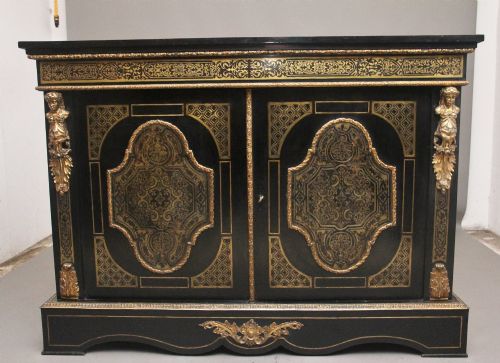
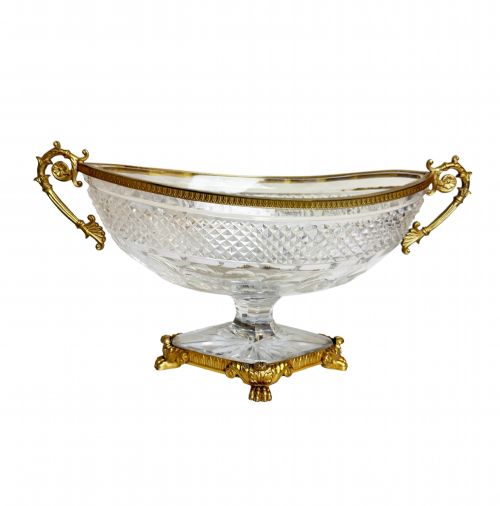
You will find these mounts cast in gilt bronze or brass, frequently enhancing items such as bureau plat writing tables, mantel clocks, and crystal centrepieces. Many pieces combine ormolu with mahogany, ebonised wood, kingwood, and Sevres porcelain.
The objects range from small furniture mounts and finials to large display cabinets, credenzas, and side cabinets. They reflect nineteenth-century European manufacturing traditions, particularly Parisian workshops producing ornate decorative arts.
How they were made
Makers cast bronze or brass into detailed ornamental shapes before applying a gold finish through mercury gilding or modern electroplating methods. These metal mounts were then secured onto timber carcasses, marble tops, and ceramic bodies using precision fixings.
Cabinet makers combined ormolu with exotic timbers such as mahogany and kingwood, often incorporating marquetry, parquetry, and boulle work into the primary structure. Porcelain plaques and panels were integrated directly into the wooden frames of cabinets and clocks alongside the metal mounts.
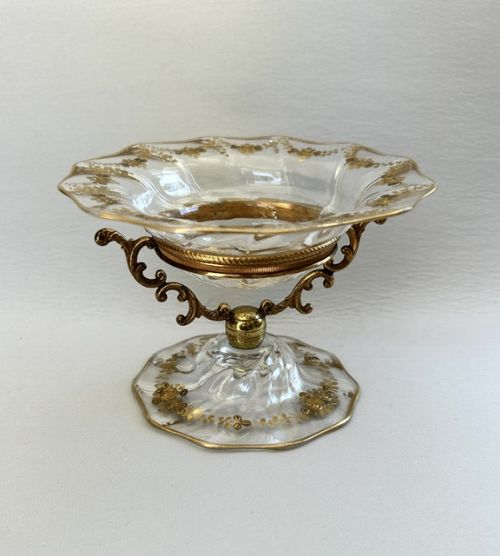
Crystal and glass elements were paired with cast bronze frames to create centrepieces, vases, and jardinières that depended on both metalworking and glass-forming skills.
Materials recorded across the inventory include ormolu, gilt bronze, brass, porcelain, glass, ebonised wood, kingwood, and mahogany.
What varies in quality
The definition and depth of the metal casting separate standard production items from masterwork pieces. High-end ormolu shows crisp chasing and hand-finished detail across foliage, figures, and scrollwork, whereas lesser examples present softer edges and simpler cast textures.
Material integration dictates the overall standard of the object, particularly in how cleanly bronze mounts fit against porcelain, marble, or veneered wood surfaces. Pieces carrying signatures or attributions to documented Parisian makers generally display superior execution in both the cabinetry and the gilding.
Poix Blin·H. J. Hatfield And Sons·Etienne Lenoir·François Linke·Louis Goret
The Gold Ormolu Mount Glossary
- Ormolu
- A gilded bronze application used for decorative mounts on furniture and clocks. The technique creates a bright gold appearance on cast metal elements.
- Boulle
- A form of marquetry utilising brass and tortoiseshell inlaid into ebonised wood furniture. This decorative technique appears frequently on nineteenth-century cabinets and desks.
- Sevres
- Porcelain produced by the French national factory, often featuring hand-painted panels and rich blue grounds. These plaques are regularly mounted within gilt bronze frames and cabinets.
- Bureau Plat
- A kneehole writing desk without a superstructure, typically fitted with leather writing surfaces and metal mounts. These tables date predominantly from the nineteenth century in revival styles.
- Champleve
- An enamelling technique where troughs are carved into metal and filled with vitreous enamel before firing. It appears on clocks and decorative centrepieces alongside gilt bronze.
Gold Ormolu Mount: Frequently Asked Questions
What is ormolu made from?
Ormolu consists of a cast bronze base treated with a gold colour finish to resemble solid gold. Historic pieces typically use mercury gilding on bronze, while later examples utilise electroplating.
The underlying metal is a copper alloy, which provides the weight and structural rigidity needed for intricate casting.
How do I date a piece with ormolu mounts?
Dating relies on examining the underlying wood, construction methods, and stylistic cues from periods like Napoleon III or Louis XVI. Cast quality and fastening types also help establish the manufacturing era.
Most items on this page originate from the nineteenth century, reflecting popular revival aesthetics of that time.
Where were these mounts used?
Mounts were applied to mantel clocks, writing desks, credenzas, and display cabinets to enhance their visual richness. They also served as decorative frames for porcelain vases and crystal centrepieces.
Cabinet makers and bronziers worked together in workshops to integrate these metal elements into functional furniture.
How do I care for gilt bronze?
Maintenance requires gentle dusting with a soft dry cloth to prevent the accumulation of dirt in the recessed cast details. Avoid harsh chemical cleaners or abrasive polishes that can strip the gold finish.
Keeping the pieces away from direct moisture preserves both the metal surface and the underlying wood or porcelain.