



Antique Putto Statue
An antique putto statue brings the mischievous grace of classical mythology into domestic and garden spaces through figures cast in bronze or carved from wood and stone.
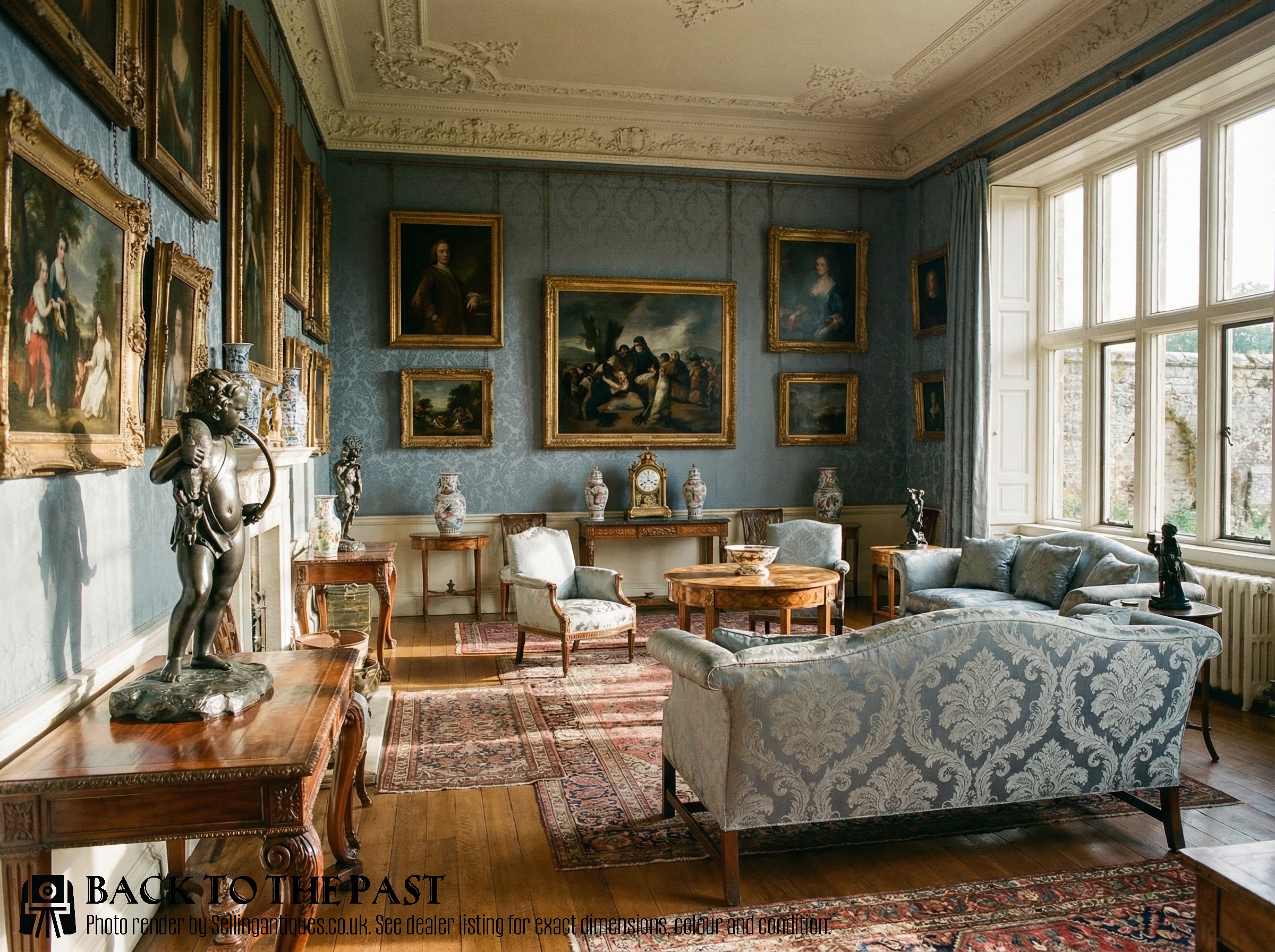
Antique Putto Statue
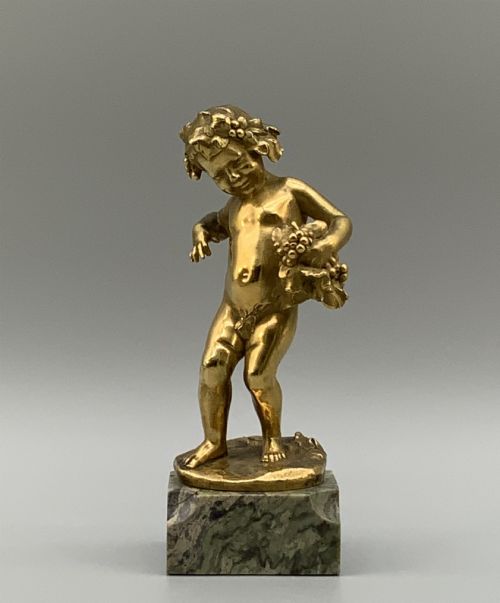
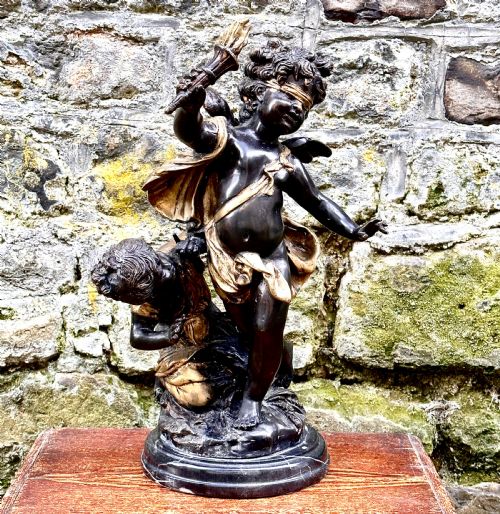
An antique putto statue depicts a plump, winged infant figure derived from classical art, frequently appearing in forms such as cherubs, cupids, or infant bacchants. These representations span a wide chronological range from the eighteenth century through to the early twentieth century, drawing on Neoclassical, Baroque, and Rococo Revival styles.
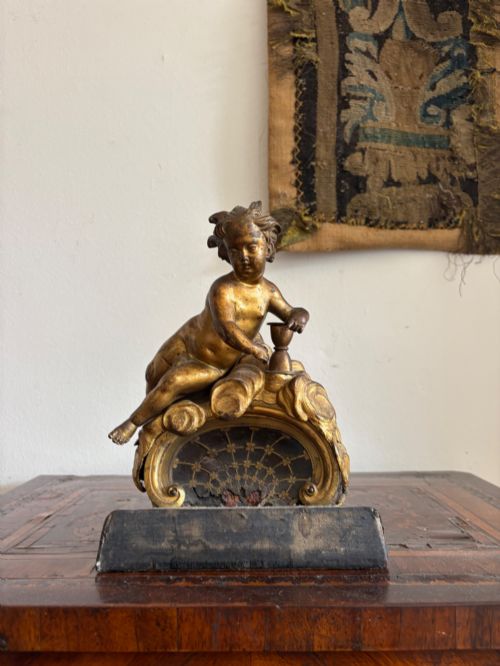
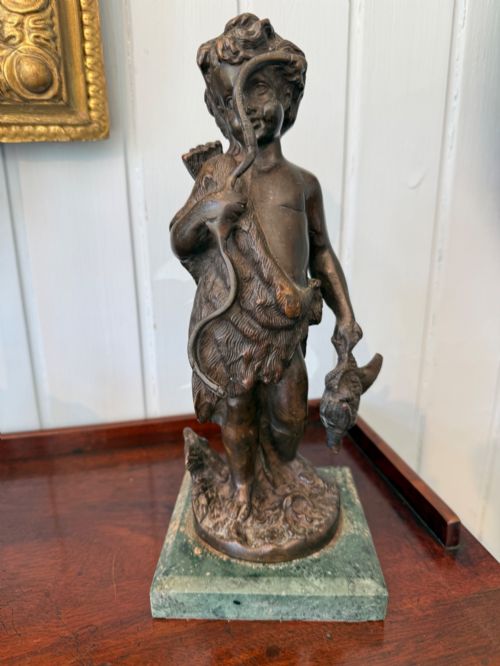
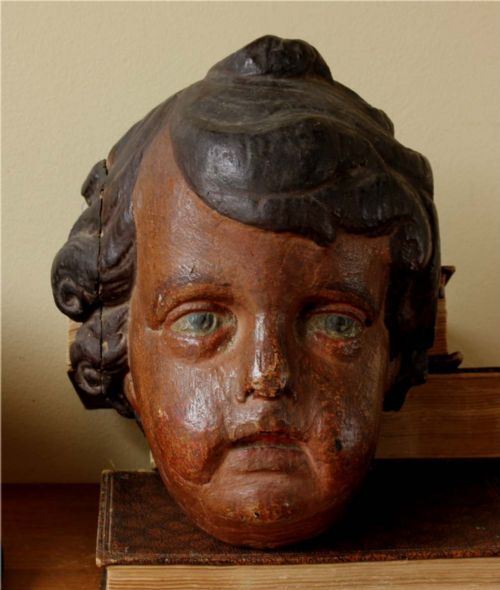
Buyers most commonly encounter these sculptures cast in bronze from French and Italian workshops, or carved from wood with polychrome and gilt finishes. The forms range from small decorative finials and bookends to garden statues and table lamps converted from original statuary.
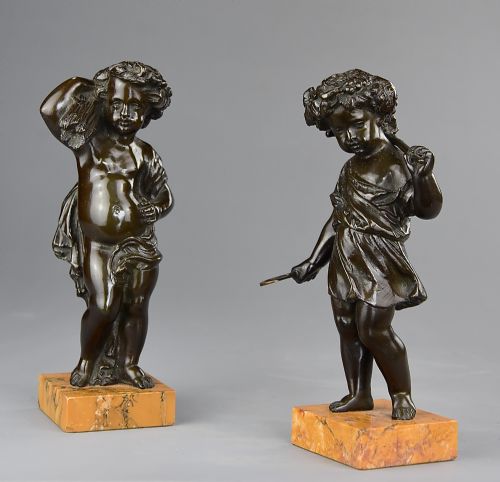
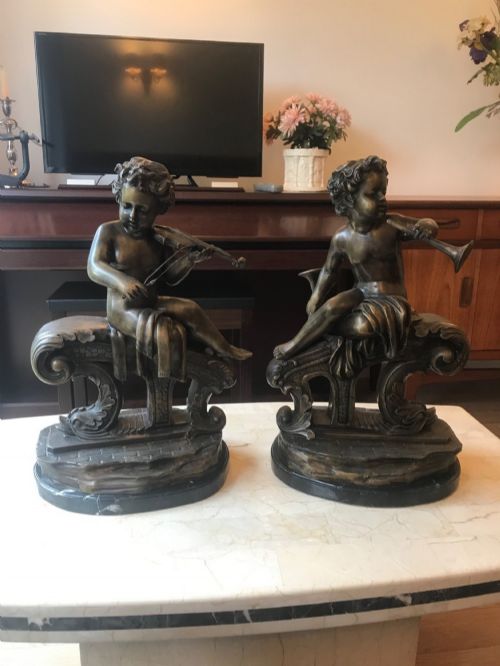
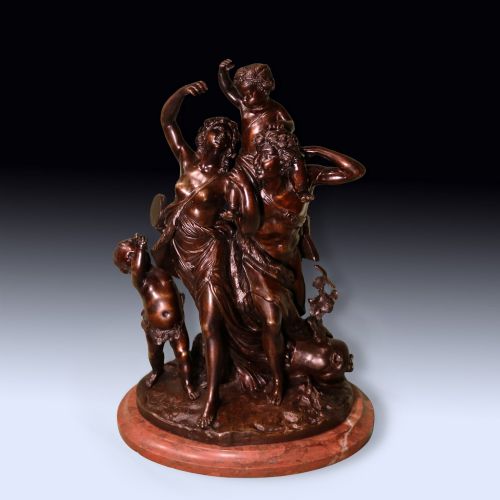
The sculptural subjects capture putti engaged in various activities, including playing musical instruments, gathering grapes, hunting, or sleeping. Originating as indoor decorative bronzes or architectural ornaments, many survive today as pairs designed for mantelpieces or larger garden ornaments.
Materials and construction
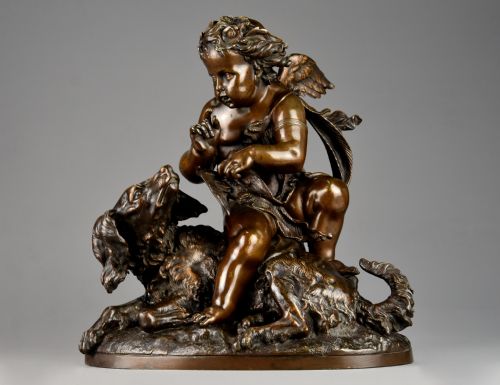
Bronze casting forms the primary method for these sculptures, often utilising the lost-wax technique to achieve fine detail in wings, hair, and drapery, frequently finished with a dark patina or ormolu gilding. Many French and Italian examples incorporate integral marble bases to support the metal figures.
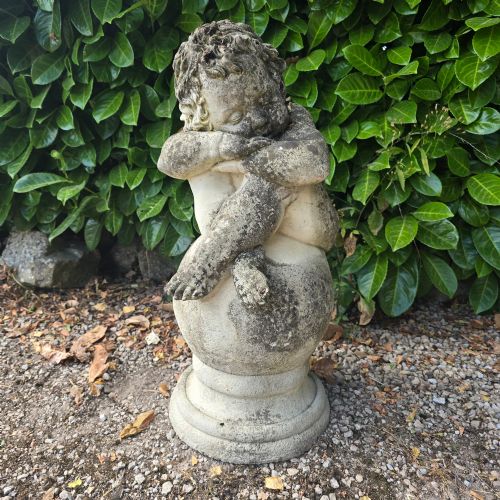
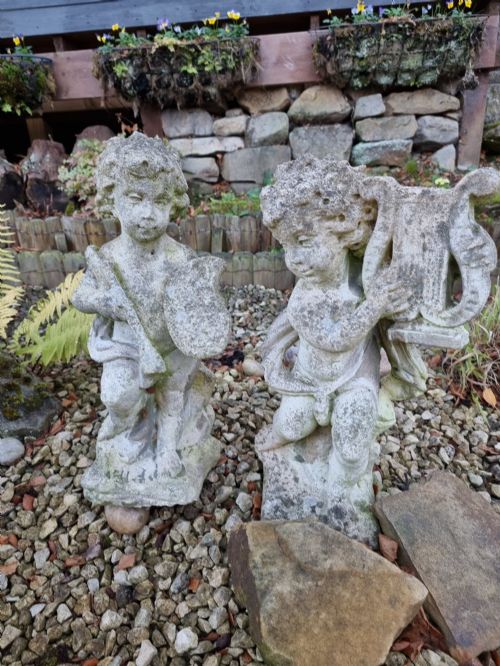
Carved wood alternatives rely on traditional hand-carving techniques applied to timbers like softwood or hardwoods, subsequently coated in gesso and finished with gold leaf or polychrome paint. Garden examples utilise more durable media such as lead, reconstituted stone, and heavy carved stone.
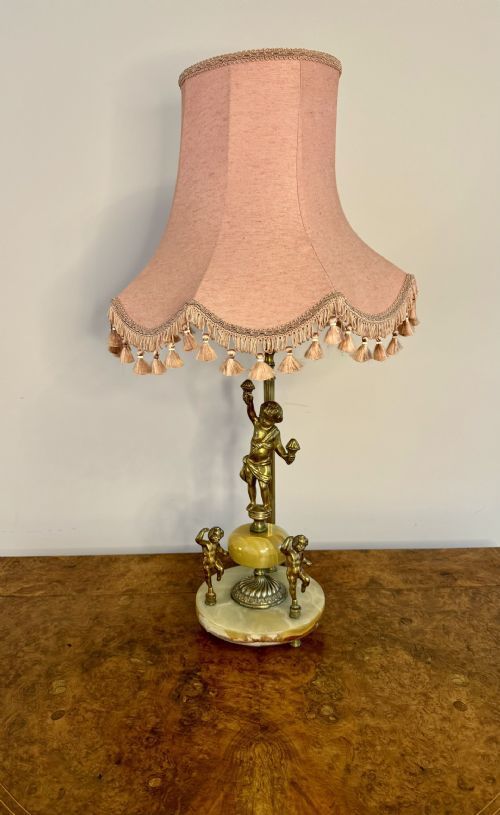
Porcelain and ceramic versions emerge from factories employing slip-casting and hand-modelling, finished with white blanc de chine glazes or enamels. Metal works also involve brass components and combined media such as onyx pedestals.
Distinctions in craftsmanship
The crispness of the chasing and finishing on metal castings dictates the visual success of a bronze putto, separating sharp, hand-tooled details from softer, mass-produced secondary casts. The depth and integration of the original patina or the preservation of the gold leaf indicate the original grade of the object.
Charles Louis Malric·Susse Frères·Claude Michael Clodion·Royal Dux Bohemia·H. Schubert·Antonio Canova·Paul Scheurich·George Kemper·Ernst Wallace·Louis Auguste Moreau
The Antique Putto Statue Glossary
- Putto
- A plump, naked male infant figure, frequently winged, common in Renaissance and later classical art. Plural putti.
- Ormolu
- Finely ground high-carat gold applied to a bronze base using a mercury amalgamation process, or simply gilded bronze. This finish creates a bright, reflective surface characteristic of French decorative arts.
- Grand Tour
- A cultural tour of Europe undertaken by wealthy young men in the eighteenth and nineteenth centuries, bringing home bronzes and antiquities as souvenirs. These pieces often depict mythological subjects like putti and bacchic figures.
- Finial
- A relatively small decorative ornament that terminates the top of an object, such as a furniture mount or clock case. They frequently take the form of small cast bronze putti.
- Blanc de chine
- A French term for white Chinese porcelain, later adopted in Europe to describe white-glazed ceramic figures without polychrome decoration. Meissen and other factories produced putti in this medium.
Antique Putto Statue: Frequently Asked Questions
What is the difference between a putto, a cherub and a cupid?
In art history terms, a putto is a generic wingless or winged infant figure of classical origin, whereas a cherub properly belongs to a celestial order of angels. Cupid is specifically the Roman god of erotic love, traditionally identified by his bow and quiver of arrows.
Makers and sellers historically used these terms interchangeably to describe any chubby infant figure. Examining the surrounding attributes, such as musical instruments or hunting gear, clarifies the specific mythological theme intended by the sculptor.
Where were these statues placed in historic interiors?
Smaller bronze and carved wood figures historically adorned mantelpieces, desks, and side tables, often arranged as symmetrical pairs flanking clocks or candelabra. Larger sculptural groups served as centrepieces for grand reception rooms or formed architectural mounts on furniture.
Garden figures occupied prominent positions near terraces, lawns, or garden paths, constructed from weather-resistant materials like lead and stone. Interior pieces were also adapted later into table lamps while retaining their figurative bases.
How should I clean an antique bronze putto?
Maintain bronze sculptures by gently dusting with a soft, dry brush to prevent dirt accumulation in the crevices of the cast. Avoid abrasive cleaners, water, or chemical polishes, which strip the original patina and damage historic finishes.
Preserve the integrity of gilt surfaces by using only a dry microfiber cloth. If a piece requires deeper conservation due to active corrosion, consult a professional metal conservator rather than attempting DIY cleaning.
How can I tell a nineteenth-century cast from a later reproduction?
Nineteenth-century casts typically display greater crispness in the chasing, where the artisan refined the metal after casting to sharpen details like hair and facial expressions. The composition of the bronze alloy, the character of the internal pinning, and the wear patterns on the base help determine age.
Examine the patination for natural signs of ageing and handling rather than uniform chemical colouring applied to modern copies. Associated signatures, foundry marks, or stamps pointing to established foundries provide additional chronological certainty.