

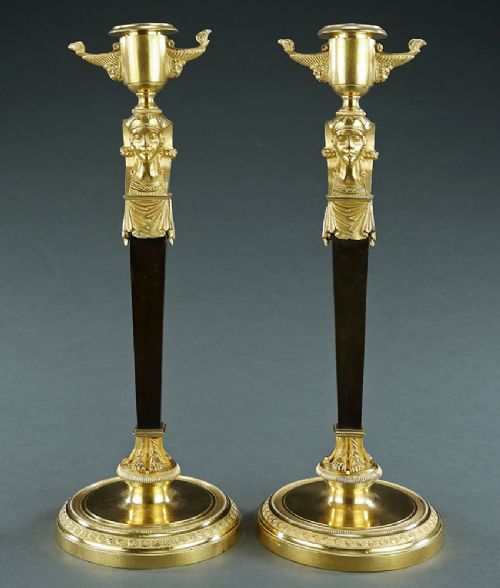
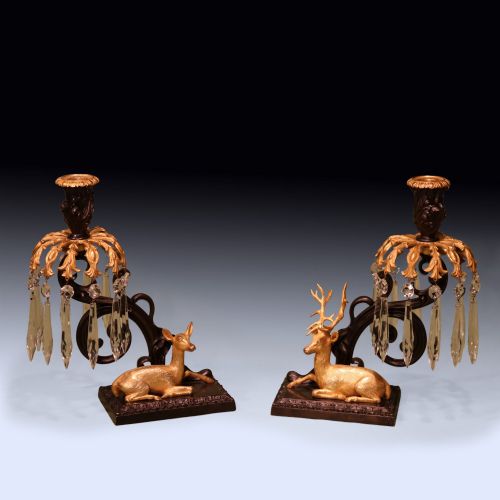
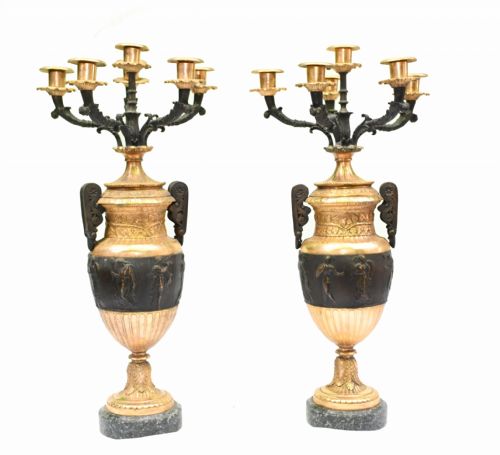
Gold Ormolu Candelabra
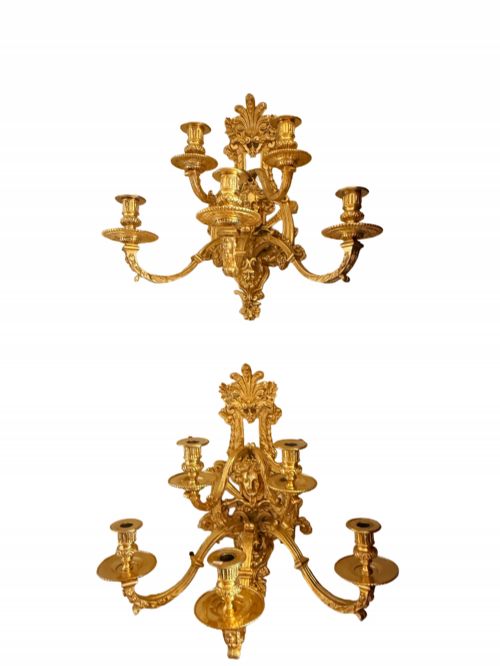
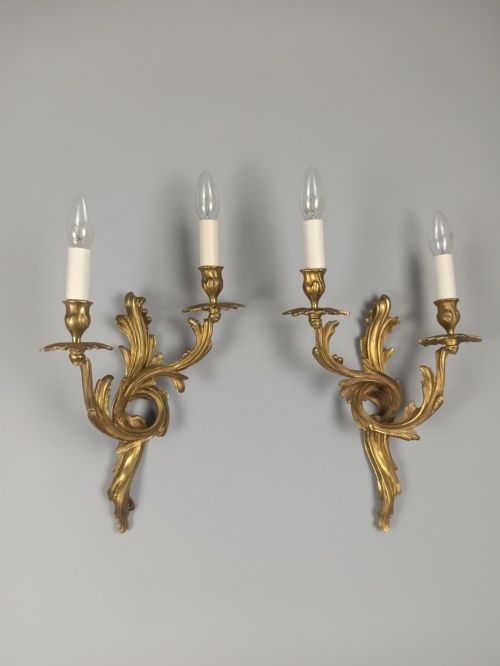
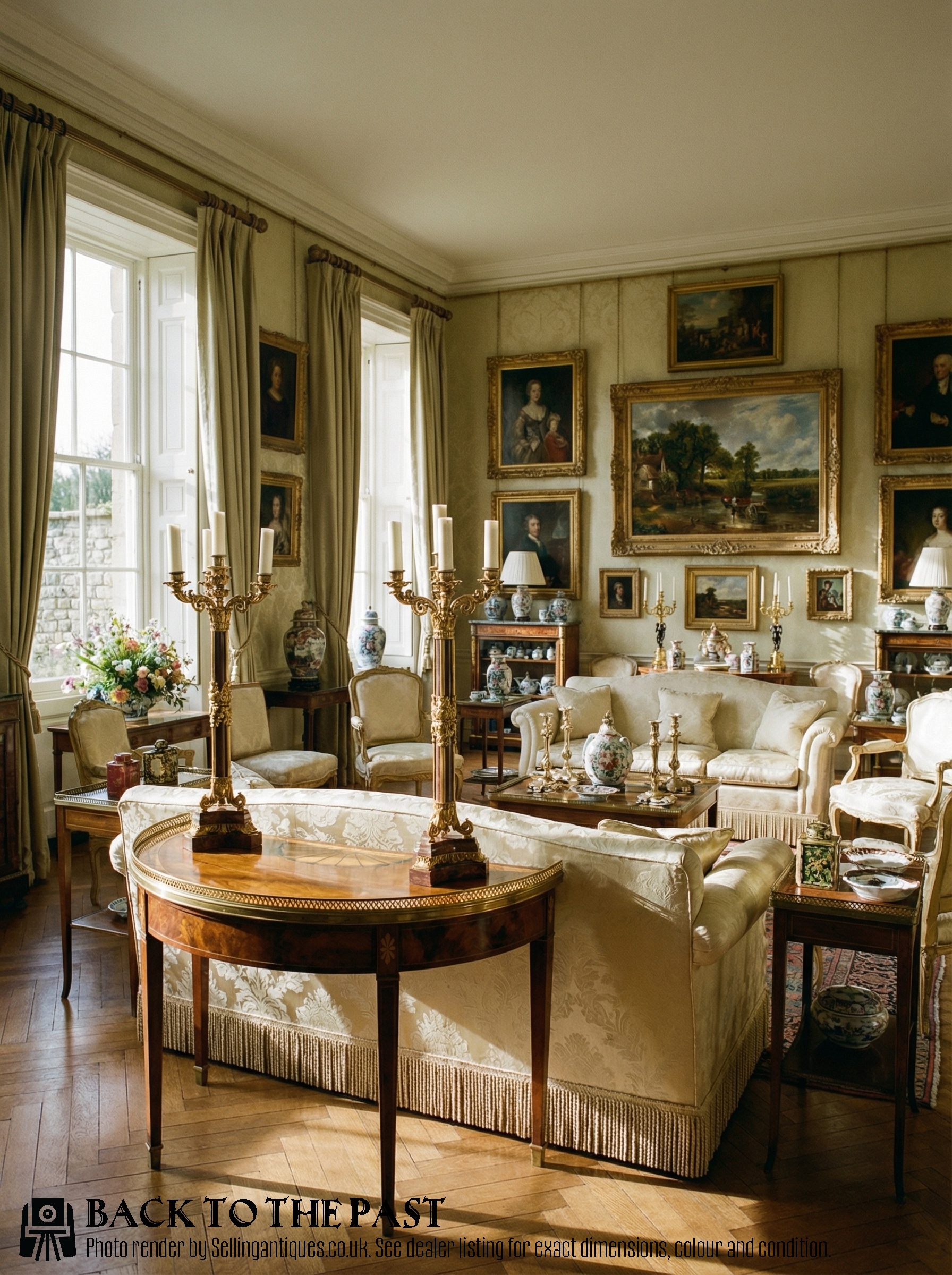
Gold ormolu candelabra bring undeniable French theatricality to a room, combining cast bronze with brilliant mercurial gilding.
Identifying gold ormolu candelabra
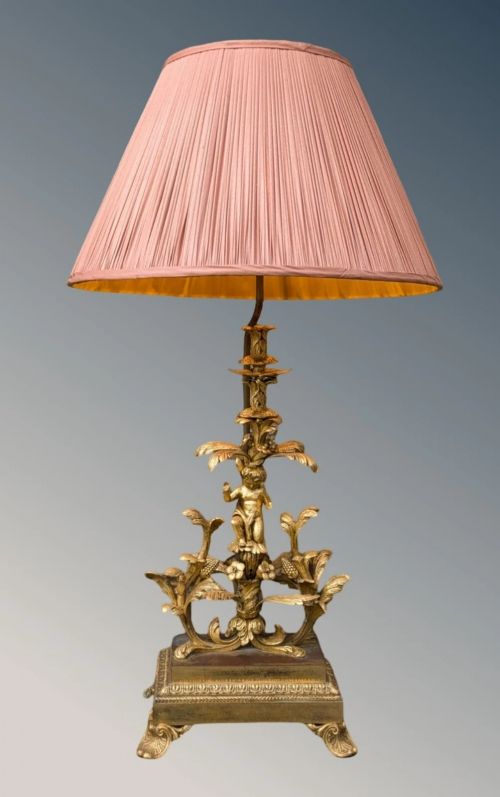
When you search for gold ormolu candelabra, you encounter nineteenth-century French lighting fixtures designed to hold multiple candles or function as table lamps. These pieces originate primarily from the nineteenth century, including specific items dated around eighteen seventy.
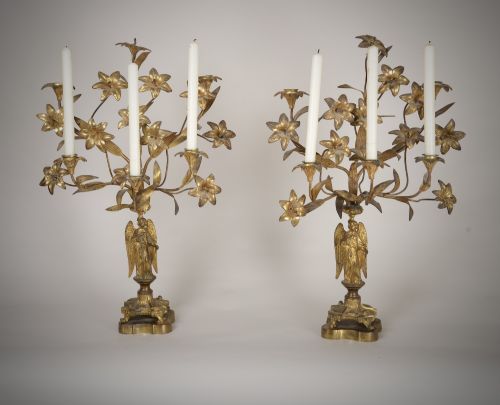
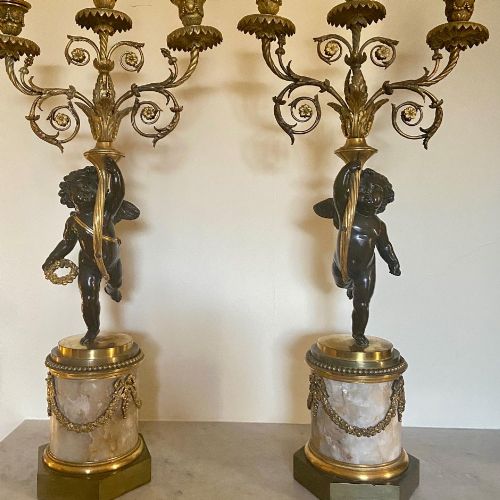
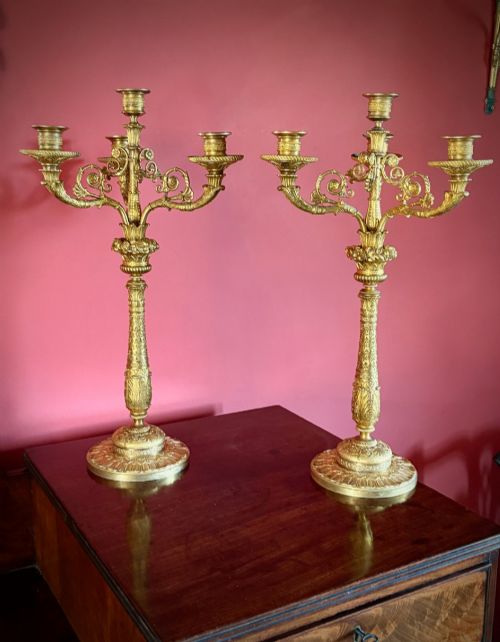
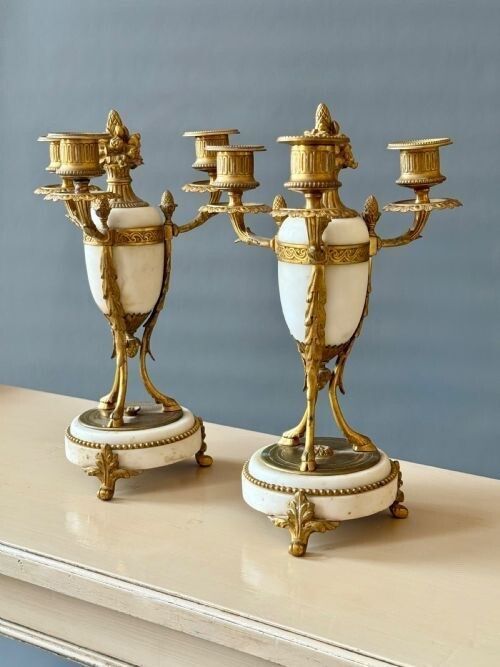
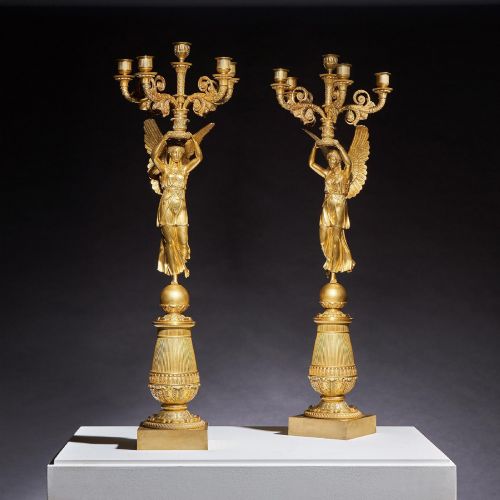
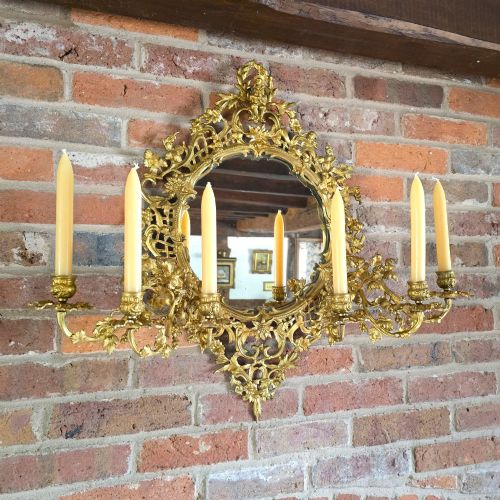
The forms span pairs of three-branch and six-candle candelabra, often incorporating white marble bases or figural elements such as cherubs. Stylistic influences draw heavily from Louis XVI, Neoclassical, French Empire, and Rococo Revival traditions.
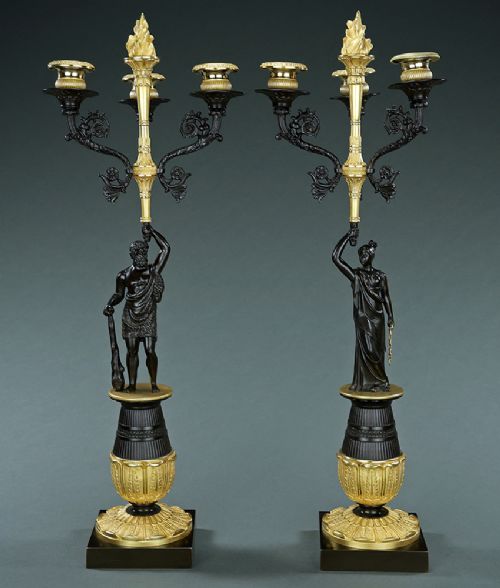
Makers and designers from this era utilised patinated bronze and silvered bronze alongside standard gilt elements, creating striking visual contrasts that define the category.
Materials and construction
Construction relies on heavy cast bronze or gilt bronze components, shaped into elaborate branches, figures, and scrollwork. Artisans applied mercury gilding, known as ormolu, to impart a deep, enduring metallic lustre across the bronze surfaces.
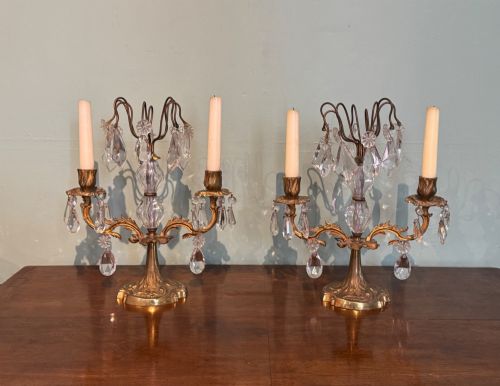
Many examples incorporate contrasting materials like white marble bases and glass elements to elevate the decorative scheme. Patinated bronze and silvered bronze often appear alongside the bright ormolu to highlight sculptural details on cherubs and floral motifs.
Retail Price Guide 2026
Typical UK retail prices for gold ormolu candelabra, calculated from the Sellingantiques database of over a million retail prices indexed since 2003. This retail price guide relies exclusively on Sellingantiques data; no external sources or auction records are used, so the figures do not describe the wider market.
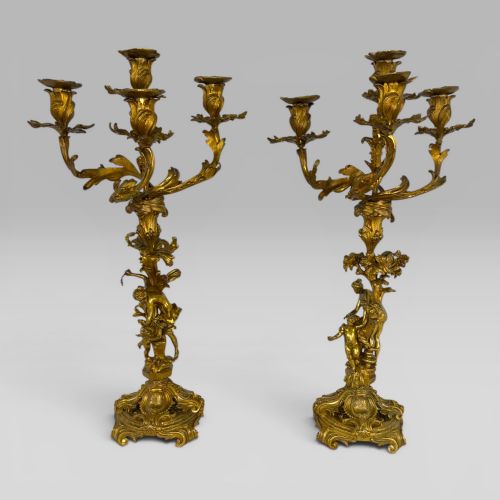
Cherubs feature heavily on these nineteenth-century branches, keeping watch over your dinner table with permanent metallic expressions.
Judging quality in ormolu metalwork
Quality rests upon the crispness of the bronze casting and the depth of the mercury gilding. Finer pieces display meticulously chiselled details on cherubs, acanthus leaves, and structural mounts where secondary tools refined the raw cast.
The integration of contrasting materials dictates the overall success of the piece, particularly how cleanly the white marble meets the gilt metal mounts. Heavier gauge bronze and sophisticated patination distinguish ambitious French salon lighting from standard commercial output.
The Gold Ormolu Candelabra Glossary
- Ormolu
- Gilt bronze created by applying a mixture of mercury and gold to a bronze base and heating it until the mercury vaporised. This historic technique produced a durable and rich golden surface.
- Patinated bronze
- Bronze treated with chemicals or heat to alter its natural colour, creating darker brown or greenish tones. This finish provides contrast against bright ormolu highlights.
- Louis XVI style
- A neoclassical aesthetic characterised by straight lines, symmetry, and classical motifs like urns and swags. It heavily influences nineteenth-century French decorative metalwork.
- Rococo Revival
- A nineteenth-century movement reviving eighteenth-century asymmetry, scrollwork, and naturalistic motifs. Candelabra in this style feature exuberant curves and organic forms.
Frequently Asked Questions
What is ormolu?
Ormolu refers to gilded bronze, created historically through a mercury amalgamation process that bonded fine gold to a cast bronze base.
This method produced the distinct, warm metallic finish seen on nineteenth-century French decorative arts.
How do I clean antique ormolu?
Cleaning requires only gentle dusting with a soft, dry cloth to protect the delicate gold layer from abrasion.
Harsh chemical polishes strip away the historic gilding and expose the base bronze underneath.
Were these electrified later?
Many nineteenth-century candelabra were adapted into table lamps during subsequent eras to suit modern domestic lighting needs.
Some conversions preserved the original candle sockets, while others altered the upper bronze branches permanently.
How do I spot Rococo Revival style?
Rococo Revival pieces show flowing asymmetrical curves, C-scrolls, and naturalistic floral details rather than rigid classical geometry.
Cherubs, acanthus leaves, and organic forms dominate these nineteenth-century French designs.