
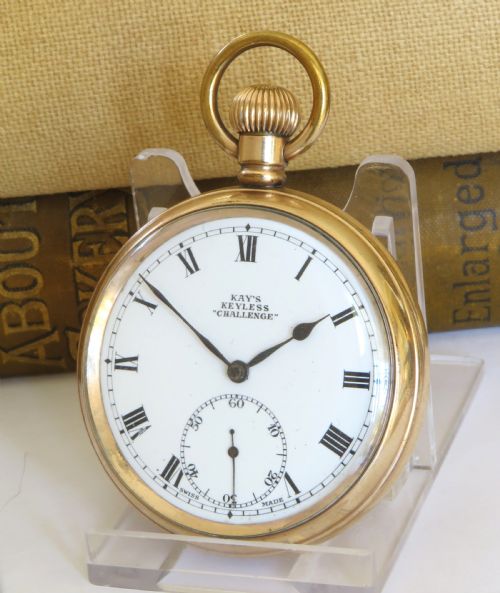

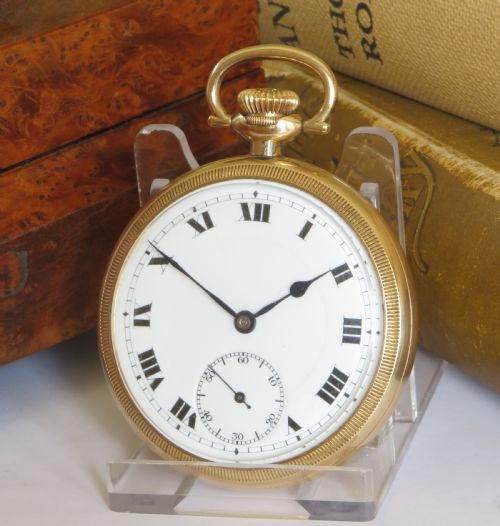
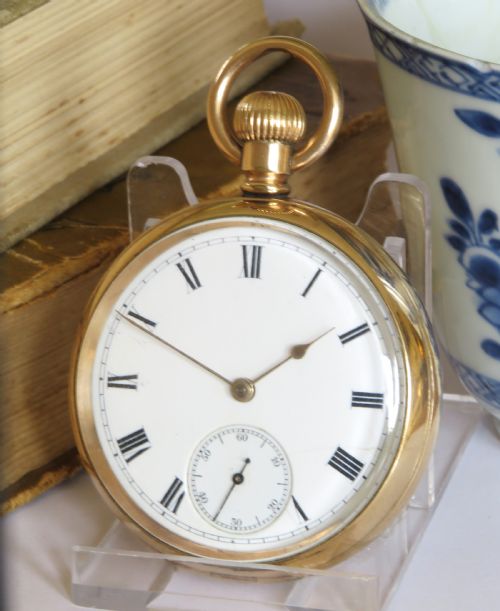
Gold Numeral Pocket Watch
A gold numeral pocket watch carries the weight of past decades, offering precise mechanics housed in precious metal.
Gold Numeral Pocket Watch
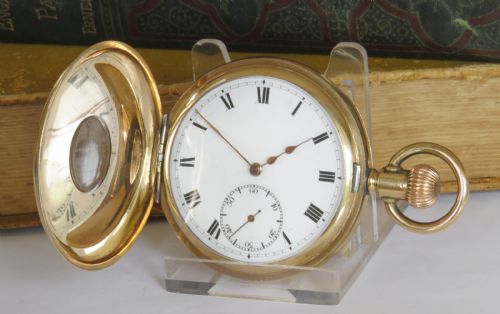
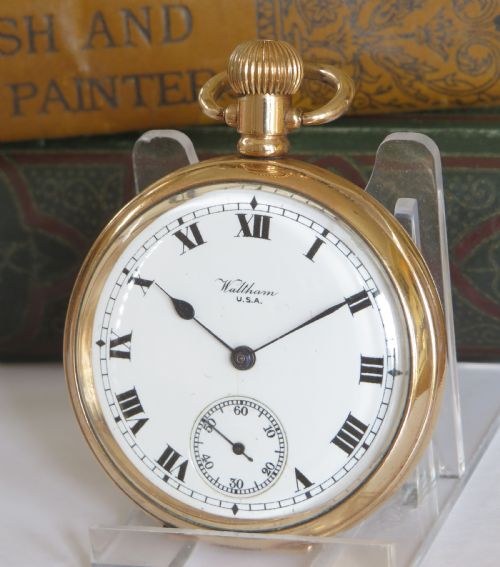
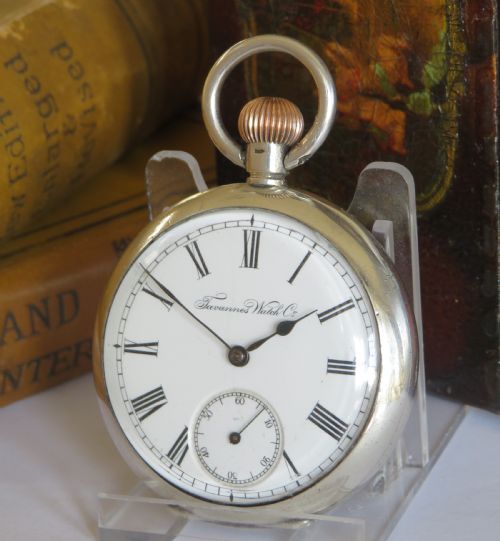
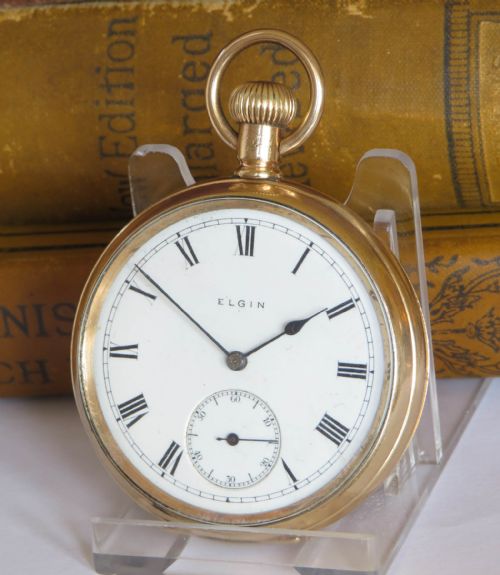
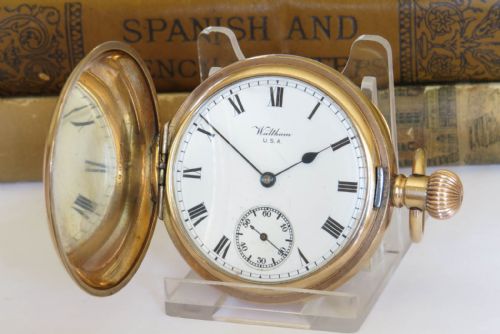
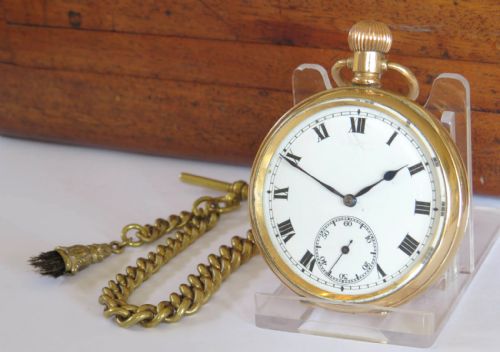
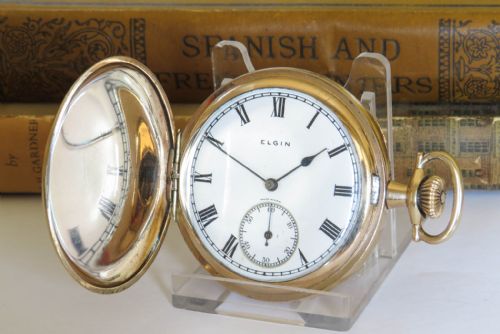
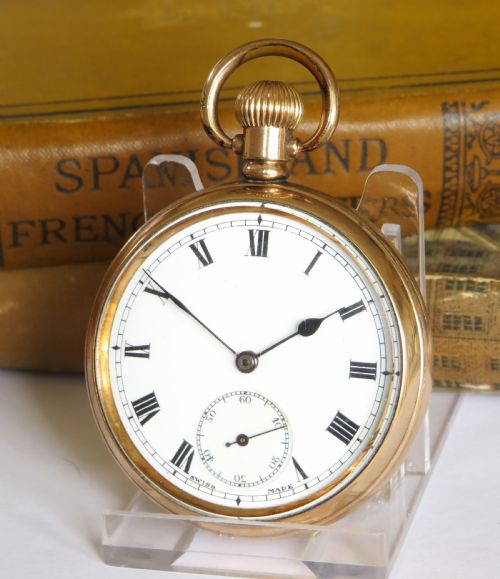
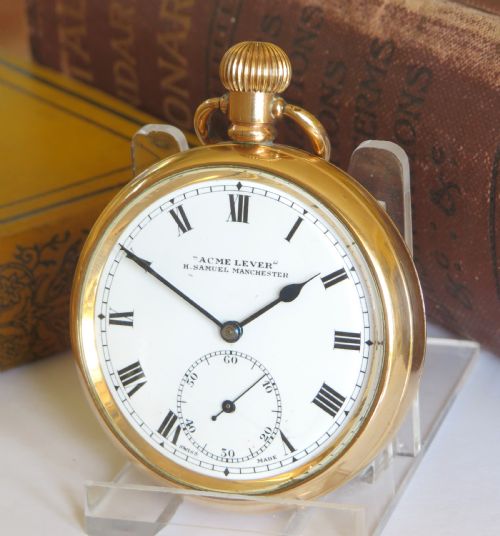
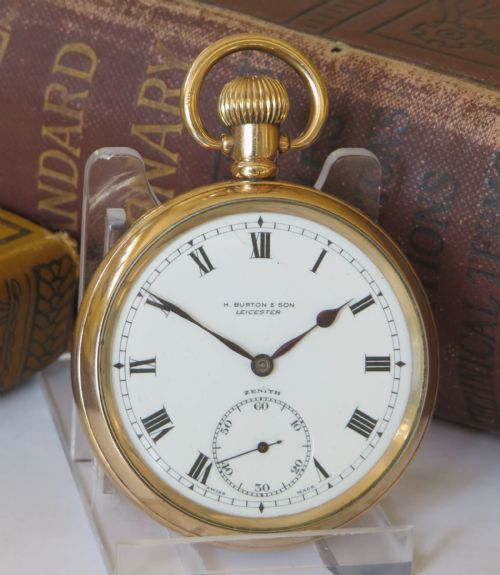
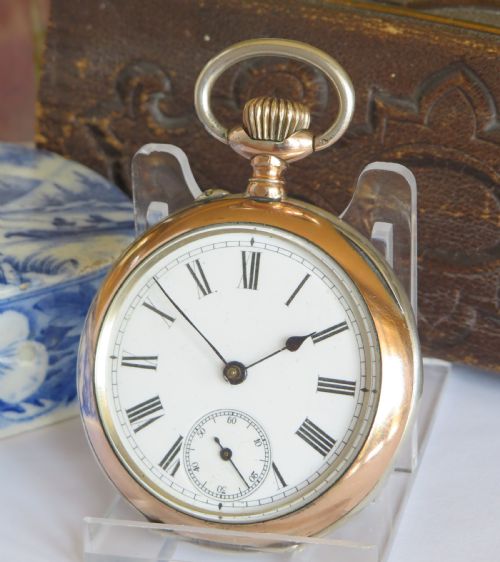
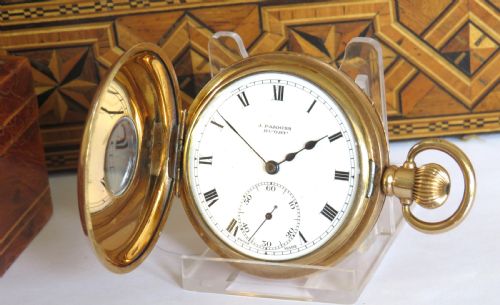
When you search for a gold numeral pocket watch, you encounter timepieces spanning the nineteenth century through the mid-twentieth century. The selection includes designs from the Victorian, Edwardian, Art Deco, and mid-century eras, featuring both open-faced configurations and hunter cases.
Most examples you meet here originate from the early decades of the twentieth century, particularly the 1920s and 1930s. These pieces often combine precious metals or gold plate with clear enamel dials and distinct numerals for daily utility.
How they were made
Makers utilised solid gold, 18ct gold, 9ct gold, and gold plate alongside robust brass and steel internal movements. Enamel provided durable, clean surfaces for dials, while glass protected the hands.
Cases frequently display intricate engraving, floral motifs, and detailed metalwork executed by hand or machine. Movements incorporated jewelled bearings to reduce friction and maintain accuracy over years of winding.
Some watches recorded specific local histories, including pieces marked for Folkestone Fishermen and regional merchants.
What varies in quality
Quality rests in the refinement of the movement and the complexity of the case construction. Solid gold and heavily engraved hunter cases represent a higher standard than simple gold-plated alternatives.
The precision of the dial enamel and the intricacy of the exterior engraving distinguish superior pieces from standard production models.
Limit Revue·Waltham·Tavannes·Elgin·Zenith·Revue·Smiths·Lonville·Consul·Lanco·Helvetia·Record·Langendorf
The Gold Numeral Pocket Watch Glossary
- Half hunter
- A pocket watch case featuring a small glass window in the front cover, allowing the wearer to read the hands without opening the case. The outer metal ring usually bears blue enamel numerals.
- Full hunter
- A pocket watch fitted with a spring-loaded metal cover that completely encloses and protects the glass dial. The cover must be popped open via the crown to check the time.
- Open faced
- A watch design lacking a protective metal front cover, exposing the glass and dial directly to view. These pieces often pair with an albert chain.
- Albert
- A chain attached to a pocket watch, designed to secure the timepiece to a waistcoat or buttonhole. It is named after Prince Albert.
- Jewel
- A tiny synthetic ruby or sapphire used as a bearing inside the watch movement to reduce friction on the pivots. More jewels usually indicate a more refined mechanism.
Gold Numeral Pocket Watch: Frequently Asked Questions
How do I wind a pocket watch?
Gently rotate the crown at the top of the watch clockwise until you feel slight resistance. Stop immediately to avoid over-winding and damaging the mainspring.
Wind the watch at the same time each day to maintain consistent tension and accurate timekeeping.
What is the difference between open faced and hunter watches?
An open faced watch exposes the dial directly to the air and allows instant time checks at a glance. A full hunter watch uses a protective metal lid that shields the glass face from scratches until you press the crown release.
Half hunter models offer a middle ground by featuring a central window in the cover so you can view the hands without opening the case.
How do I wear a pocket watch with modern clothing?
Secure the watch to a belt loop, waistcoat pocket, or buttonhole using an attached chain or albert. Slip the watch itself securely into the corresponding pocket.
Ensure the chain has enough slack to prevent pulling while allowing the watch to rest comfortably.
How can I tell the period of a pocket watch?
Examine the exterior case style, font choices on the dial, and engraving patterns for period markers. Art Deco pieces from the 1920s and 1930s often show geometric motifs, while Victorian and Edwardian examples lean toward floral engraving.
Internal movement numbers and maker signatures can also help narrow down the decade of production.