


Gold Metal Candlesticks
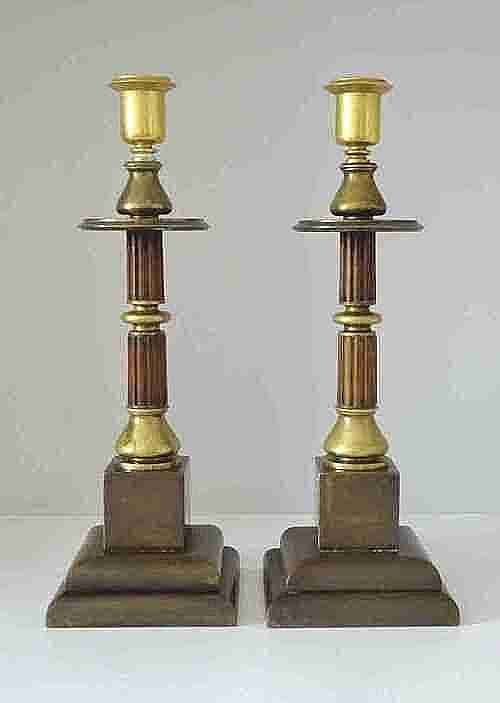
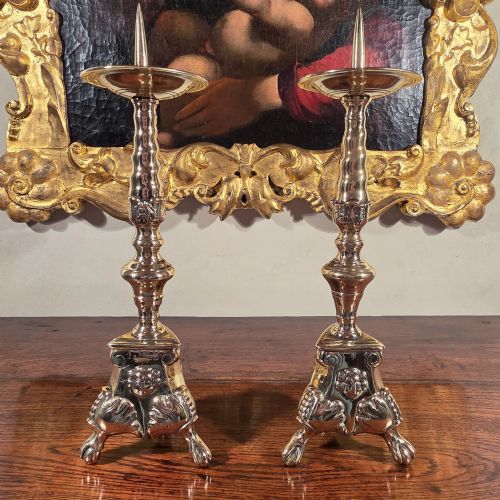
Gold metal candlesticks bring warmth and height to a room, spanning periods from the eighteenth century to the twentieth.
Gold Metal Candlesticks
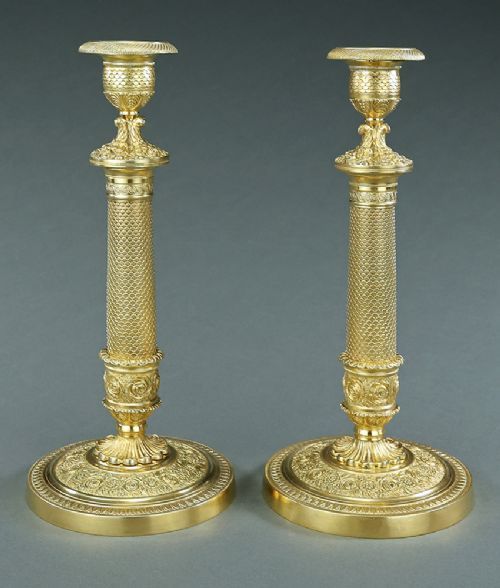
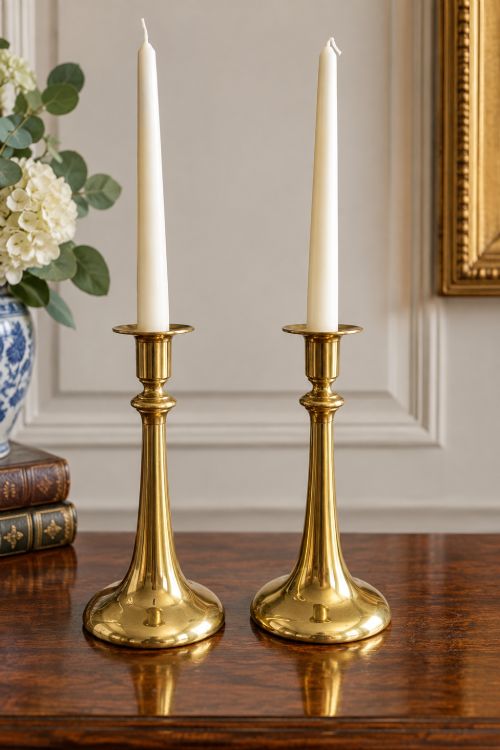
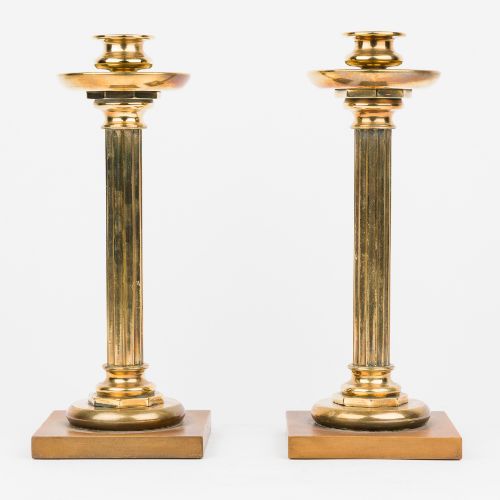
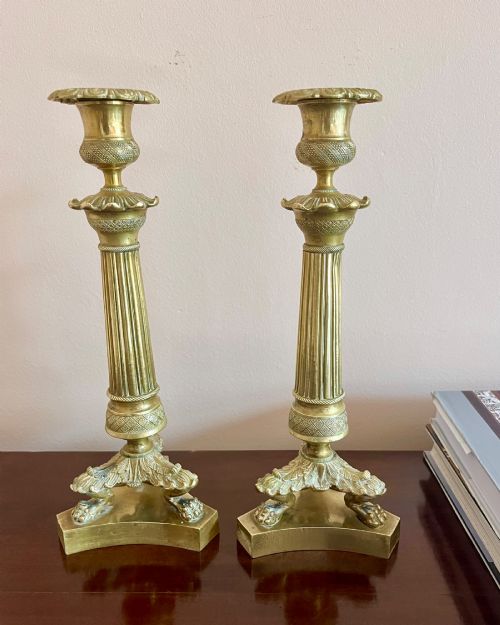
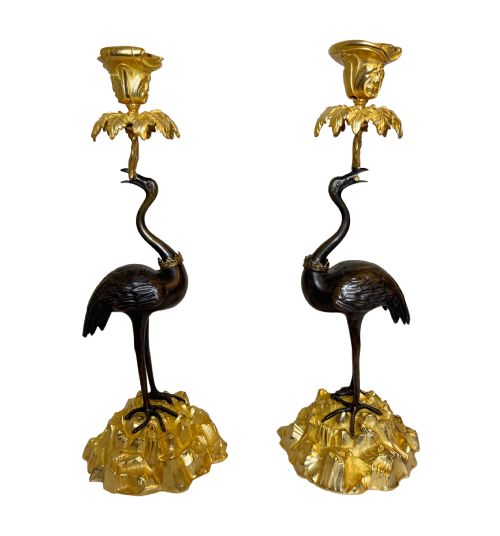
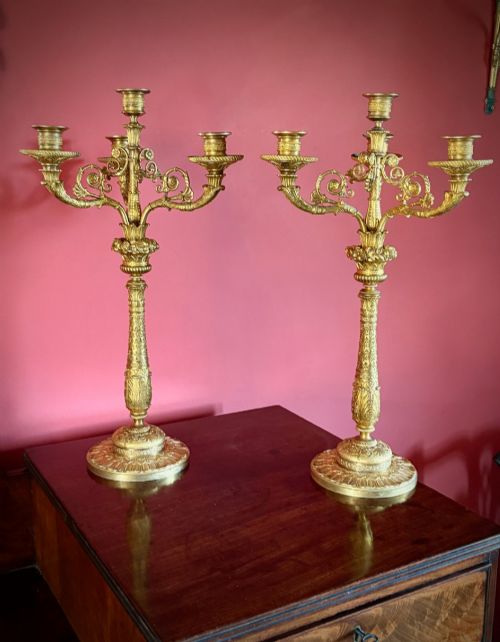
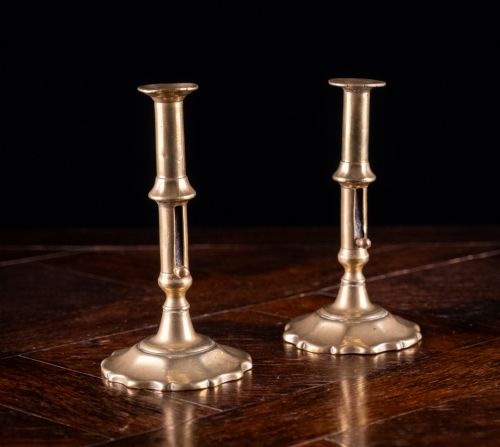
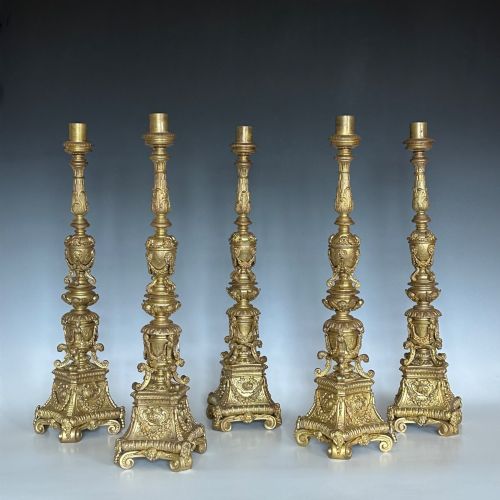
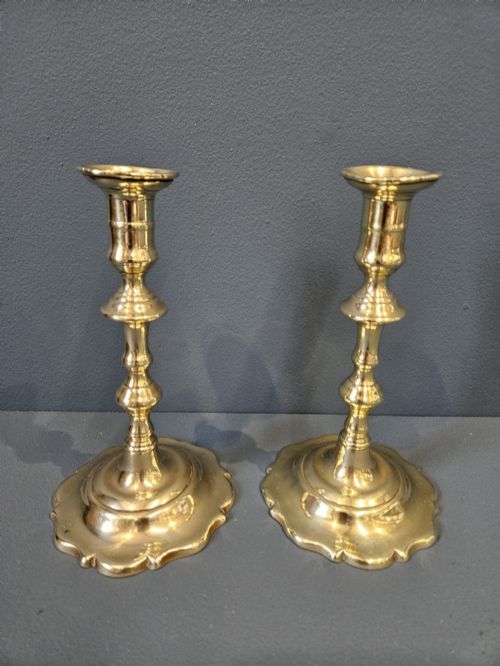
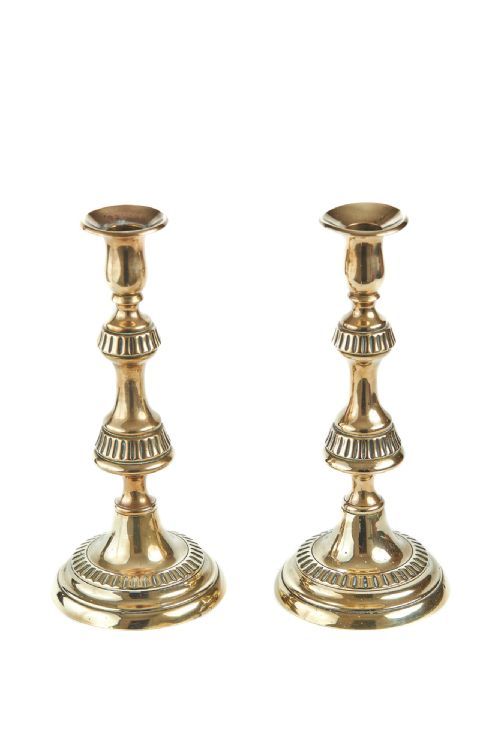
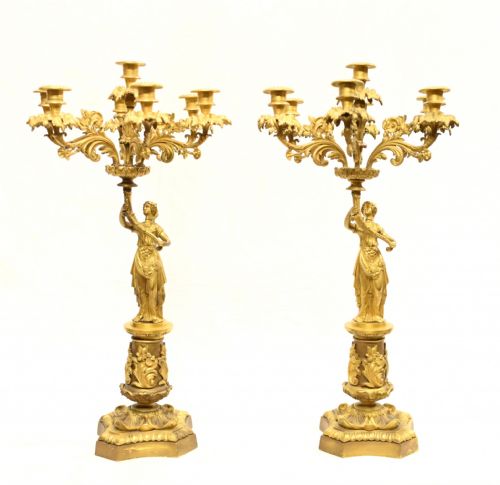
Gold metal candlesticks appear across the eighteenth, nineteenth, and early twentieth centuries in forms ranging from simple brass shafts to elaborate French ormolu candelabra. Buyers seeking gold metal candlesticks encounter Georgian petal bases alongside Victorian ornate designs and later Art Deco interpretations.
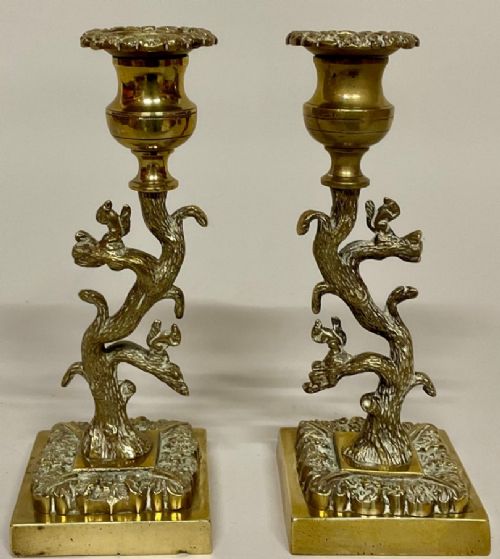
The selection includes pairs cast in brass, bronze, and gilt metal, often adapted into lamp bases or paired with marble and slate. Pieces range from modest domestic table items to large sculptural forms featuring motifs such as trees with squirrels and flamingos.
Materials and Techniques
Foundry workers utilised casting techniques for brass, bell metal, and bronze, producing solid components that were subsequently turned on lathes or hand-chased. Ormolu and gilt bronze pieces received layers of gold applied via mercury amalgamation or electrogilding to achieve a bright metallic finish.
Designers combined metalwork with contrasting materials like glass, marble, and slate to add weight and colour to the bases and columns. Individual sections were joined mechanically or pinned, while makers occasionally incorporated stamps such as the queen of diamonds.
Listings feature materials spanning brass, gilt bronze, ormolu, bronze, and gilt metal, alongside marble and glass elements.
Variations in Quality
The crispness of the cast ornament distinguishes finer examples, where chased details remain sharp and distinct rather than smoothed over by wear or poor initial moulding. Superior items retain their original fire gilding or ormolu surface, showing consistent lustre across recessed areas and raised surfaces alike.
Structural integrity and the retention of matching original components determine the standing of a pair, particularly when sconces, bases, and drip pans belong together from manufacture. Complex sculptural assemblies, such as multi-branch candelabra with figurative motifs, demand greater precision in balance and assembly.
The Gold Metal Candlesticks Glossary
- Ormolu
- Finely ground high-carat gold applied to a bronze base using a mercury process, creating a rich golden surface finish.
- Pricket
- A sharp metal spike set in the drip pan to secure a candle directly, common on earlier ecclesiastical and altar pieces.
- Campana
- A vase-shaped candle sconce resembling a classical inverted bell, frequently seen on Regency and Empire designs.
- Toleware
- Painted tin or metalware often finished in colours like green alongside gold accents, used for domestic lighting.
- Bell Metal
- A hard alloy of copper and tin traditionally used for bells, yielding a sonorous quality and robust structure in candlesticks.
Gold Metal Candlesticks: Frequently Asked Questions
How do I clean antique brass candlesticks?
Wipe surfaces gently with a soft, dry cloth to remove dust without disturbing the underlying patina.
Avoid abrasive polishes that strip away age and diminish the distinct metallic character built up over centuries.
Were these candlesticks originally wired for electricity?
Most examples began life holding wax candles before later conversion into table lamps during the twentieth century.
Original sconces and drip pans often remain intact above the added electrical fittings.
How can I tell a Georgian candlestick from a Victorian one?
Georgian pieces often display simpler petal bases or cast stems with restrained classical proportions and clean lines.
Victorian examples tend towards heavier ornamentation, incorporating elaborate floral motifs or French revival styles.
What is the difference between ormolu and brass?
Brass is a solid alloy of copper and zinc used for structural strength and everyday domestic lighting.
Ormolu consists of a bronze body coated with a layer of gold, providing a brighter and more reflective golden finish.