

Gold Leaf Victorian Frame
A gold leaf victorian frame brings immediate warmth and historical depth to any room through its brilliant metallic finish and sculptural ornamentation.
Gold Leaf Victorian Frame
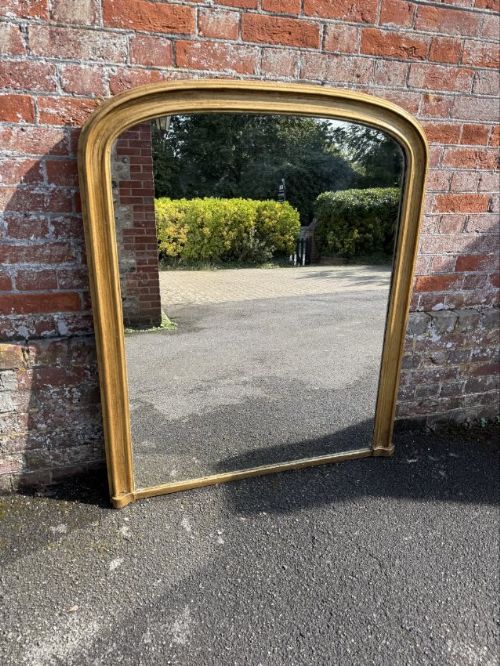
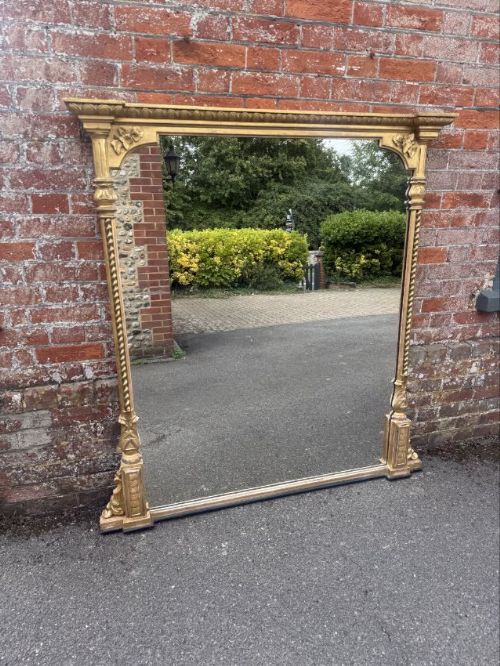
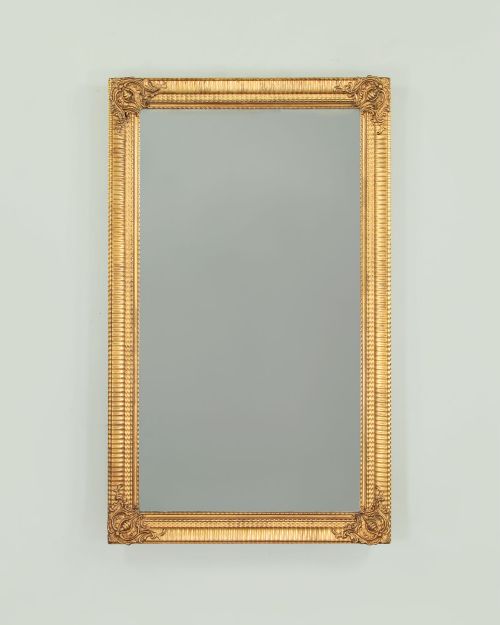
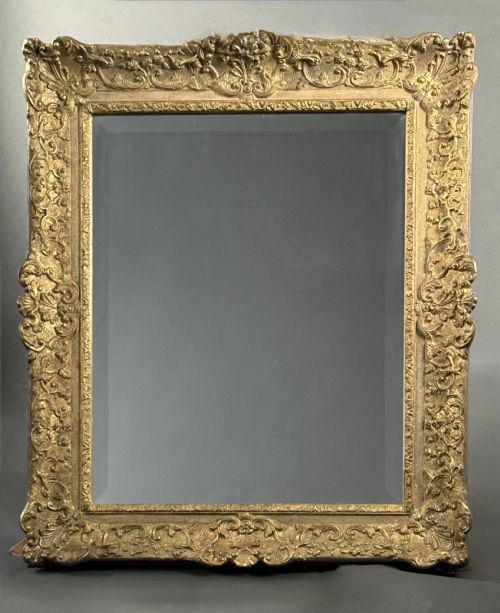
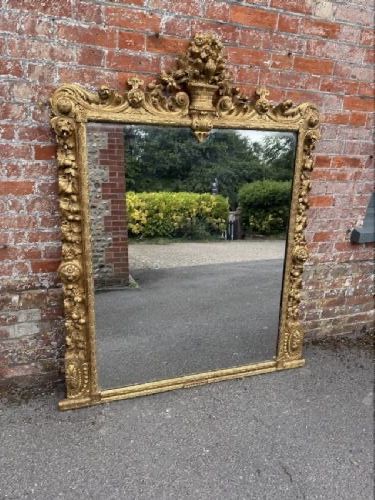
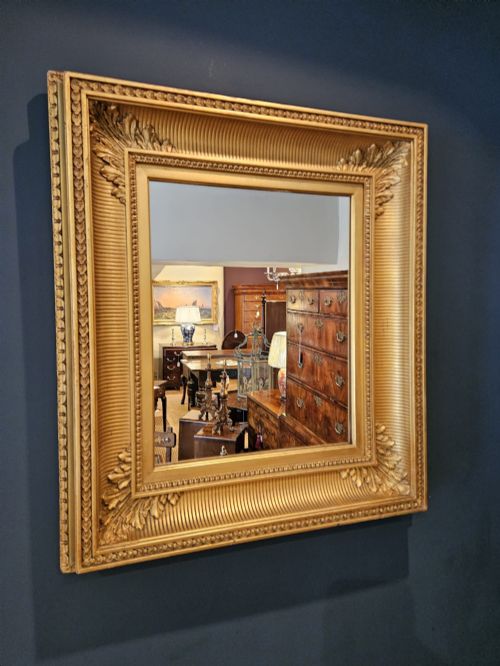
A gold leaf victorian frame encompasses substantial wall mirrors, overmantel mirrors, and oil painting surrounds originating from the nineteenth century. These objects function simultaneously as decorative architectural elements and protective housings for fine art.
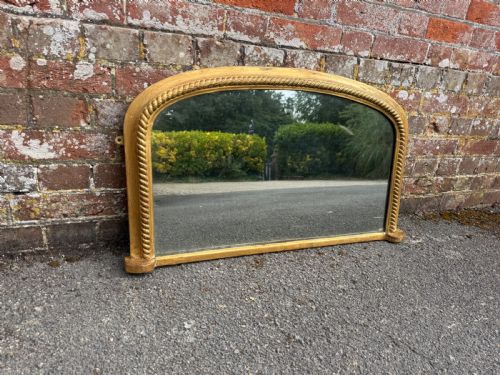
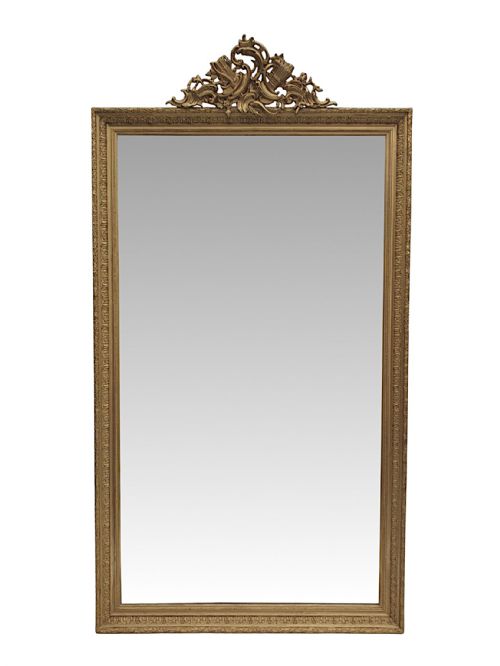
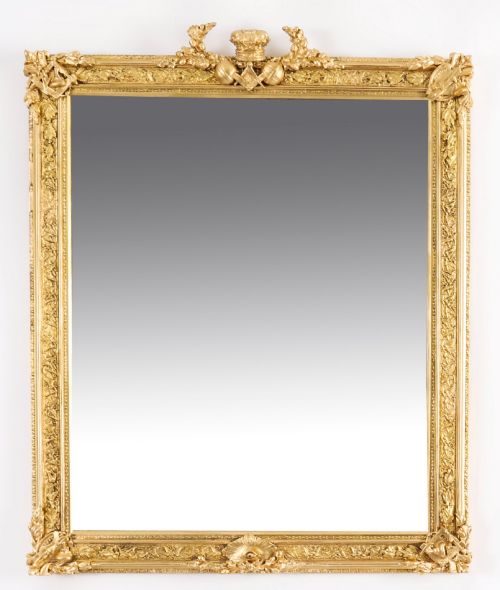
The most common form met within these listings is the large overmantel mirror designed to hang above a fireplace, often featuring arched tops, rope twists, or elaborate crestings. Alongside these mirrors, collectors encounter picture frames designed specifically to house oil paintings, watercolours, and portraits.
Production spans across the entirety of the Victorian era and into the early twentieth century, incorporating styles such as Rococo Revival, Neoclassical, and Belle Epoque. Pieces frequently utilise traditional British joinery combined with continental design influences.
How they were made
Carved timber provides the primary structural foundation for these pieces, utilising softwoods and hardwoods shaped to form the core framework. Artisans applied layers of gesso - a mixture of chalk and size - onto the wood to create a smooth surface for subsequent ornamentation.
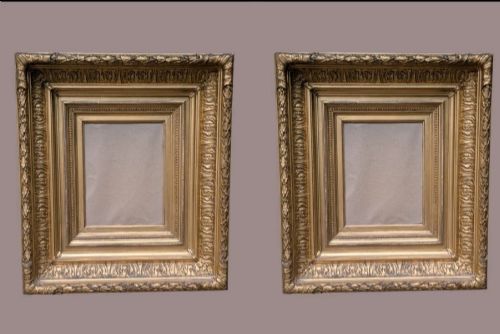
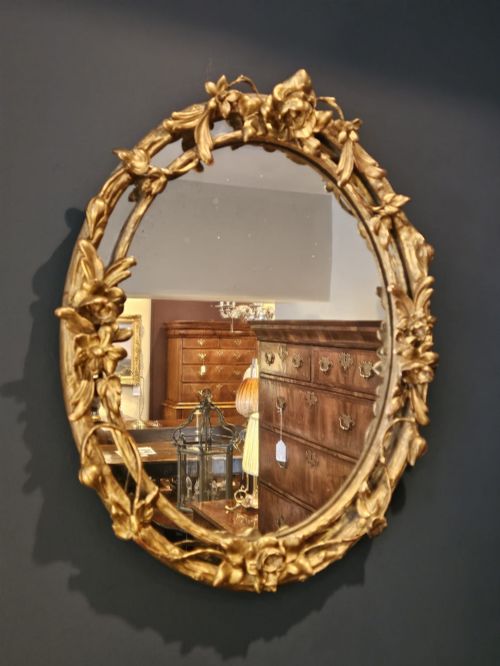
Fine sheets of gold leaf were meticulously laid over a bole base using sizing liquids, achieving the characteristic lustrous metallic sheen. Decorative motifs including acanthus leaves, rose vines, and reeded patterns were either hand-carved directly into the wood or moulded in composition paste and applied before gilding.
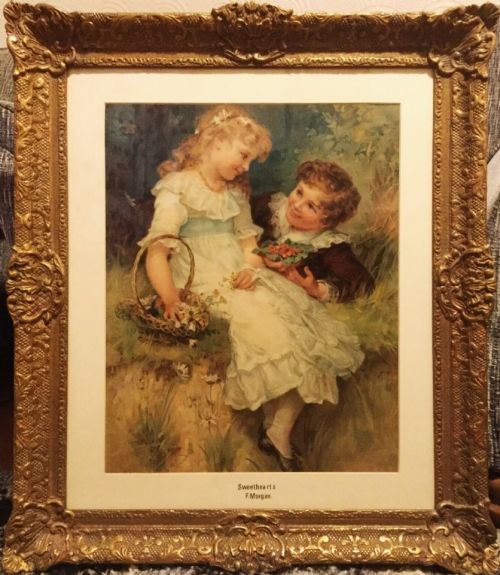
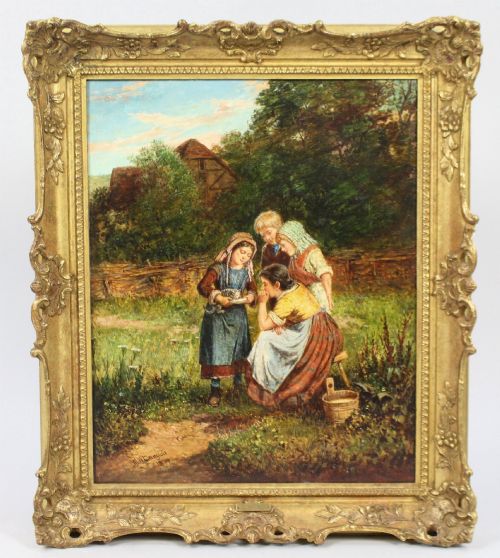
Several frames proudly preserve nineteenth-century portraits of children and pets staring steadfastly across the decades.
What varies in quality
The depth and crispness of the carved or moulded ornamentation separate standard examples from exceptional ones. Superior pieces display sharply defined acanthus leaves, clean rope twists, and carefully proportioned architectural columns rather than soft or shallow detailing.
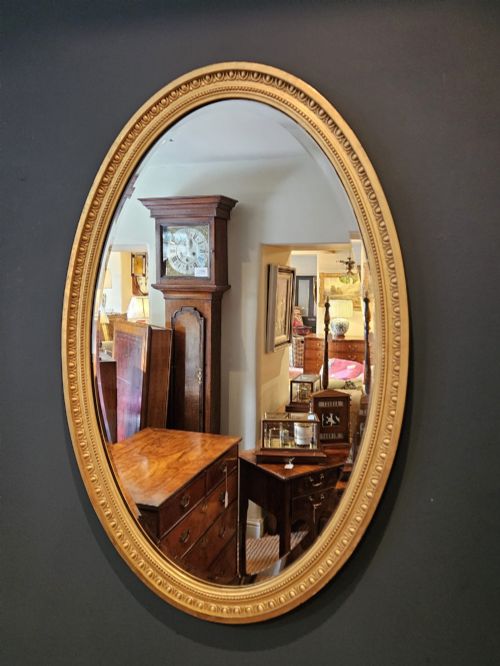
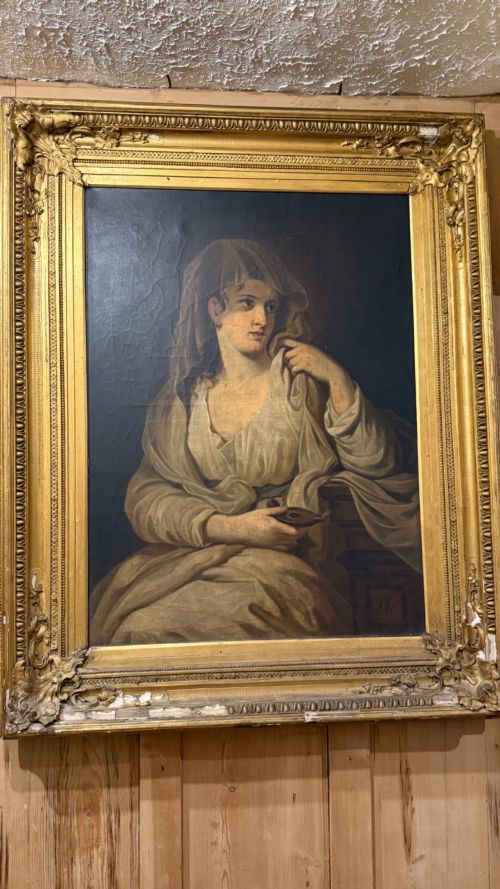
The preservation of the original gold leaf surface significantly influences the character of a piece. Examples retaining their untouched gilding, alongside authentic foxed glass plates in mirrors, demonstrate greater integrity than those with unsympathetic later touch-ups.
Mark William Langlois·Martin Theodore Ward·Howard Helmick·George Augustus Holmes
The Gold Leaf Victorian Frame Glossary
- Gesso
- A plaster-like preparation consisting of chalk and glue applied to wood to create a smooth surface for gilding. This mixture allows artisans to model intricate relief ornamentation.
- Giltwood
- Timber that has been coated with gold leaf or gold paint. It forms the primary visual identity of nineteenth-century decorative frames and mirrors.
- Overmantel
- A large mirror or painting designed specifically to be hung on the wall directly above a fireplace mantelpiece. These pieces frequently incorporate arched tops or heavy crestings.
- Rococo Revival
- A nineteenth-century design style characterised by asymmetrical scrolls, C-scrolls, and naturalistic plant motifs. It heavily influenced the swept frames of the period.
- Foxed glass
- Mirror glass that has developed spots and discolouration due to the degradation of the silver backing over time. Collectors prize original foxed plates for their authentic age.
Gold Leaf Victorian Frame: Frequently Asked Questions
How do I hang a heavy overmantel mirror safely?
Substantial overmantel mirrors require robust wall fixings secured directly into masonry or structural studs rather than standard plasterboard hooks. Due to the combined weight of the timber, gesso, and glass, professional installation is strongly recommended to distribute the load evenly.
Ensure that the hanging wire or integrated metal D-rings on the reverse are inspected for strength before mounting. Positioning the piece securely above a mantelpiece anchors the weight correctly against the architectural structure of the room.
Can these picture frames be adapted for modern canvases?
Many nineteenth-century frames can accommodate modern canvases provided the rabbet depth and internal dimensions match the new artwork. Adjustments should be handled carefully to preserve the original backing and structural joinery of the frame.
Consulting a professional framer ensures that any fitting modifications respect the antique gesso and gold leaf without causing structural stress to the historic wood.
How should I clean a antique giltwood surface?
Dusting should be performed gently using a soft, dry ostrich feather duster or a clean, dry artist's brush. Avoid applying water, chemical sprays, or abrasive cloths, as moisture and friction easily lift delicate gold leaf from the underlying gesso.
Professional conservators should be consulted if deeper cleaning is required to remove accumulated grime from intricate carved recesses.
What indicates a Victorian date on a gilt mirror?
Victorian pieces often display specific construction markers such as hand-cut joinery, pine or hardwood carcase materials, and traditional gesso preparation layers. Stylistic indicators like Rococo Revival scrolls or rope-twist mouldings further anchor pieces within the nineteenth century.
Original mirror plates frequently exhibit characteristic edge bevels, weight variations, and natural oxidation patterns consistent with Victorian manufacturing techniques.