




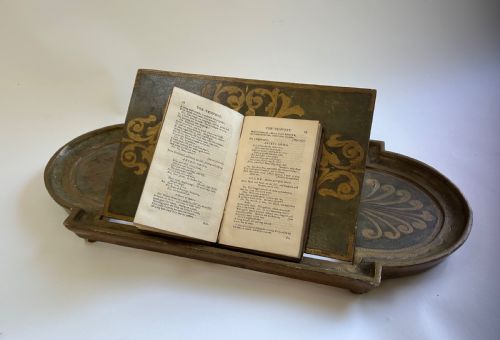


Gold Leaf Stand
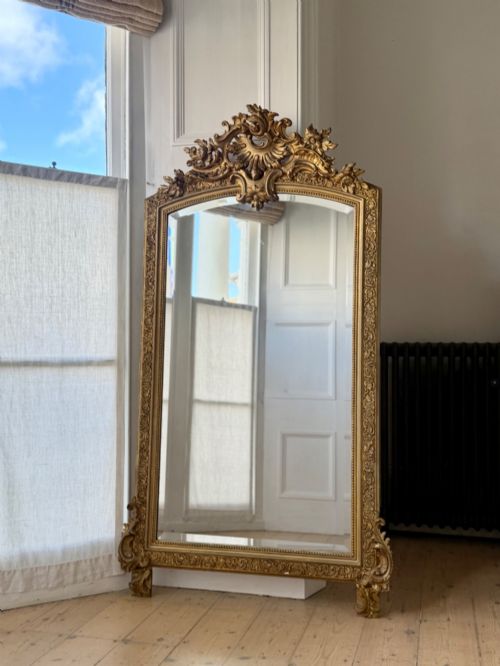
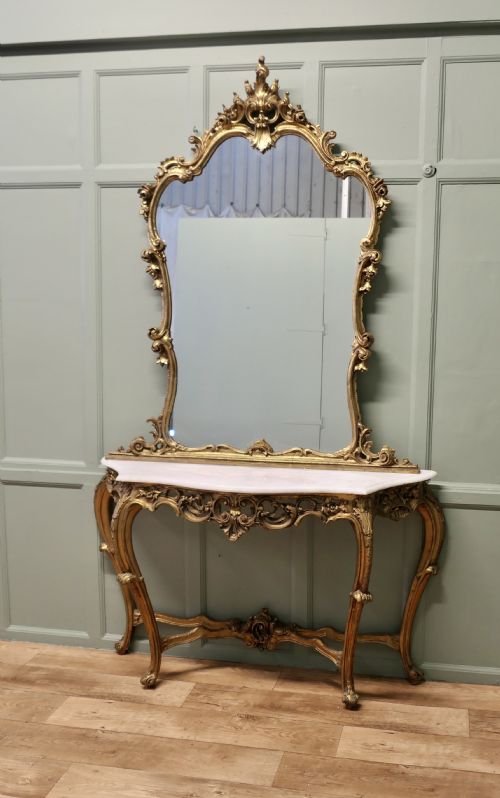
A gold leaf stand brings reflective warmth to a room, offering a gilded surface designed to elevate objects or illuminate corners.
Gold Leaf Stand
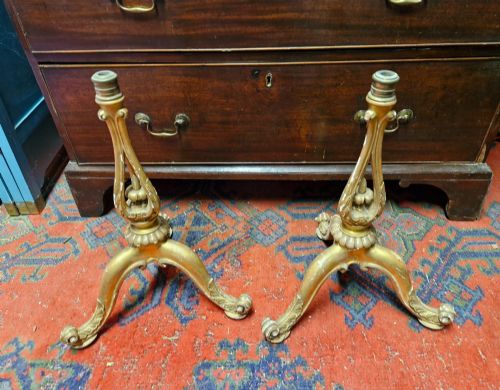
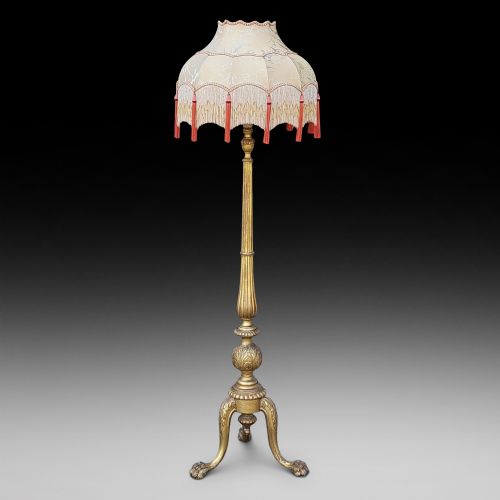
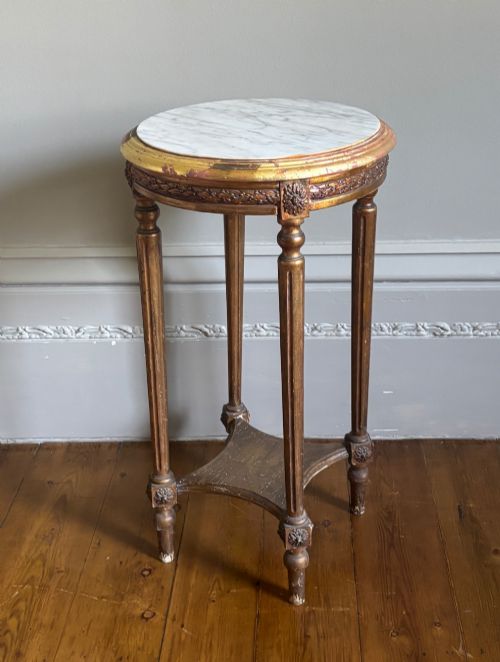
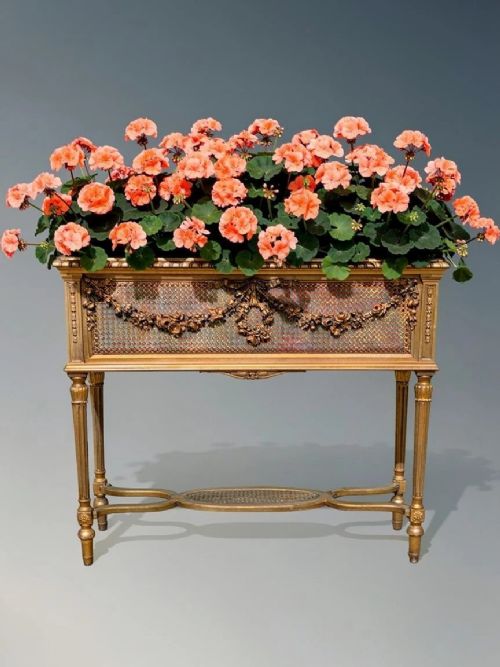
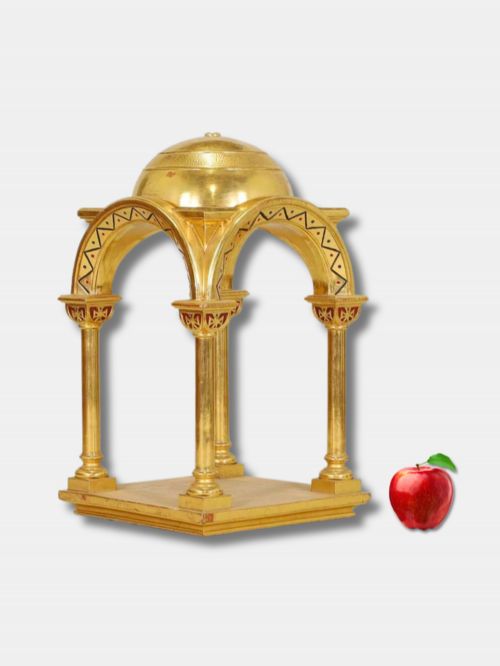
A gold leaf stand encompasses pedestals, torcheres, urn stands and small display tables finished in gilt surfaces. These pieces emerge from periods spanning the nineteenth and early twentieth centuries, drawing on Italian Baroque, Regency and Victorian styles.
Materials and construction methods
Carved wood and gesso form the structural base for the majority of these pieces, providing a stable foundation for the application of delicate metal leaf. Craftsmen shape timber before applying fine layers of gesso to smooth the surface detail prior to gilding.
Giltwood and gold leaf finishes dominate the construction, often complemented by brass, glass or marble tops. Artisans apply gold leaf by hand over prepared grounds, sometimes distressing the surface or incorporating polychrome highlights.
Gold Leaf Stand Retail Price Guide 2026
Typical asking prices for gold leaf stand among the pieces listed under this phrase on Sellingantiques today, from the lower quarter to the upper quarter. They describe what is for sale here now, not the wider market.
Current listings feature pieces spanning the eighteenth century through the 1940s, utilising gesso, giltwood, marble, brass and glass.
Distinctions in quality
Quality rests upon the depth of the carving beneath the gilding and the precision applied during the preparation of the gesso ground. Surfaces that retain crisp relief work and subtle burnishing distinguish finer pieces from standard production items.
The integrity of the underlying timber and the preservation of the original gold leaf surface dictate the standing of a piece. Original gilding showing honest signs of age holds greater integrity than later repainted surfaces.
Pierre Philippe Thomire·Robert Hennell
The Gold Leaf Stand Glossary
- Giltwood
- Wood that has been coated with gold leaf or gold paint. This finish creates a bright, reflective surface characteristic of decorative furnishings from the eighteenth century onwards.
- Gesso
- A plaster mixture used as a surface preparation for wood before gilding. It allows artisans to carve intricate relief details that hold sharp edges.
- Torchere
- A tall ornamental stand or candlestick designed to hold a light or display an object. These stands often feature slender shafts supported by tripod or pedestal bases.
- Pedestal
- An architectural support used to elevate a bust, urn or sculpture. They appear in wood and stone forms across nineteenth-century interiors.
- Parcel Gilt
- A term describing an object gilded on specific areas only, leaving other parts of the material, such as painted wood or dark timber, exposed.
Gold Leaf Stand: Frequently Asked Questions
What is a gold leaf stand used for?
These stands serve as elevated platforms for urns, lamps, sculptures and decorative ornaments within a room. Their reflective surfaces catch natural and artificial light to draw attention to displayed items.
Historically, they occupied corners or central spaces in reception rooms to add vertical interest and introduce warm metallic tones to an interior scheme.
How do I clean a gilded surface?
Dusting requires a very soft, dry brush or a feather duster to prevent scratching the delicate metallic leaf. Moisture and chemical cleaning agents can lift or damage old gold leaf.
Consult a professional restorer if the surface requires deeper cleaning or shows signs of flaking from the underlying gesso ground.
Are these stands sturdy enough for heavy items?
Construction varies between lightweight display torcheres and heavy marble-topped pedestals designed to support substantial stone urns or bronze figures. Inspecting the base construction and leg joints reveals the weight capacity of each piece.
Tripod bases and solid wood frames generally offer reliable stability for everyday decorative use.
How can I date a giltwood stand?
Dating relies on stylistic clues, such as the carved motifs reflecting Regency, Victorian or Neoclassical taste, alongside the ageing patterns of the gesso and wood beneath. Tool marks and construction techniques help distinguish nineteenth-century examples from later revivals.
Wear patterns on the gold leaf often provide additional context regarding the age and handling history of the object.