



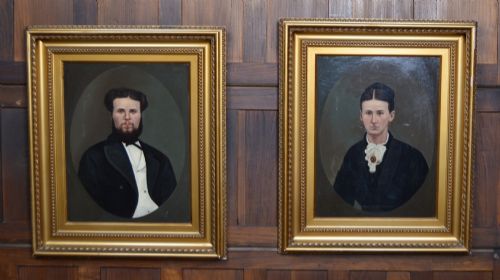
Gold Leaf Portrait Painting
Gold leaf portrait painting brings together the solemnity of historic likenesses and the rich warmth of gilded framing.
Gold Leaf Portrait Painting
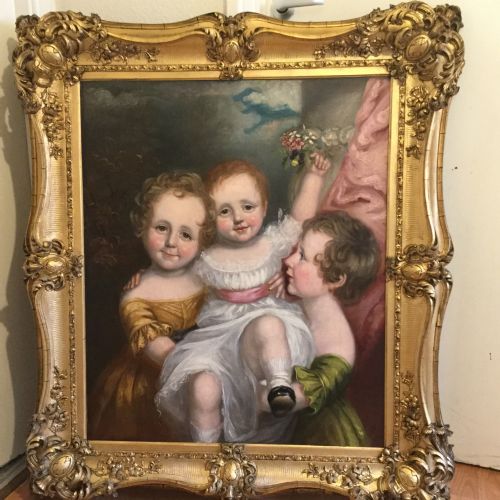
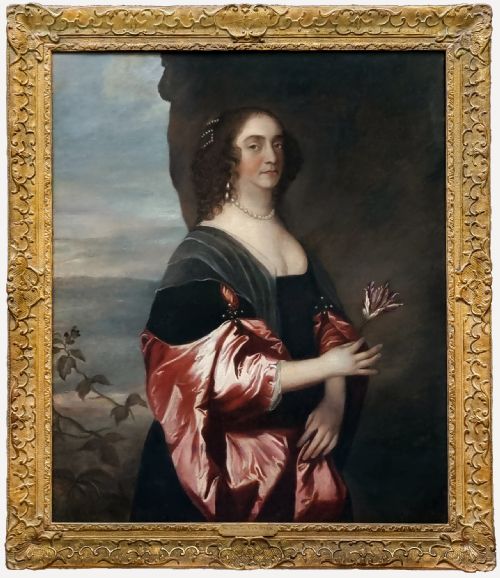
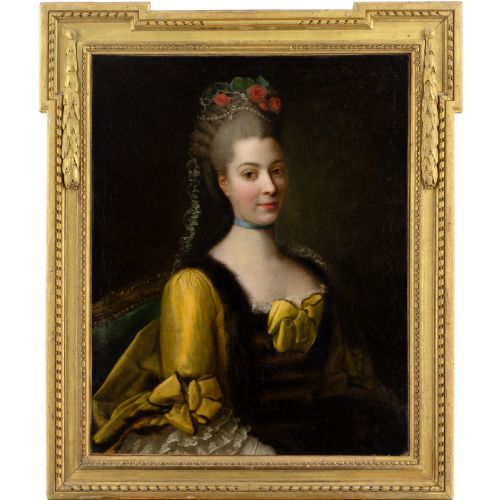
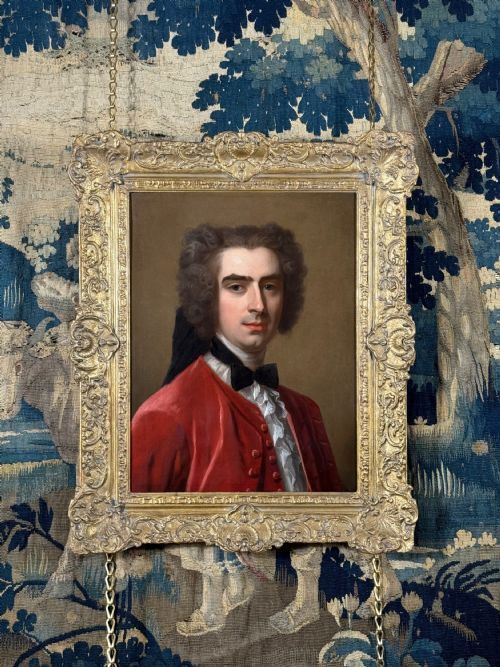
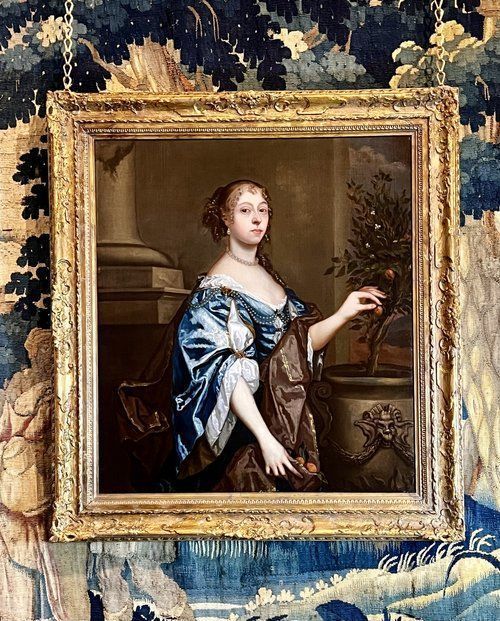
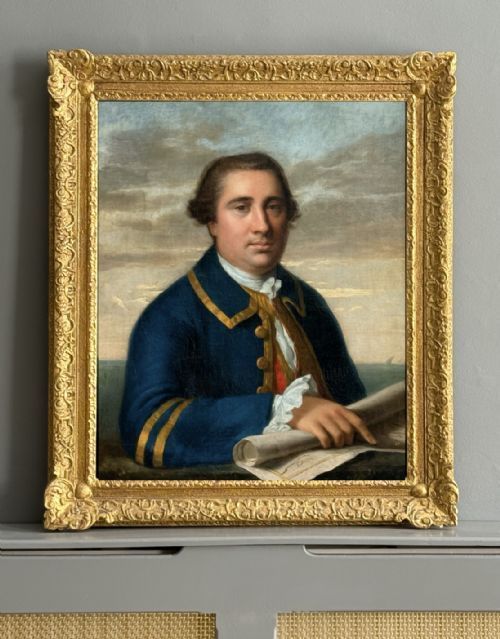
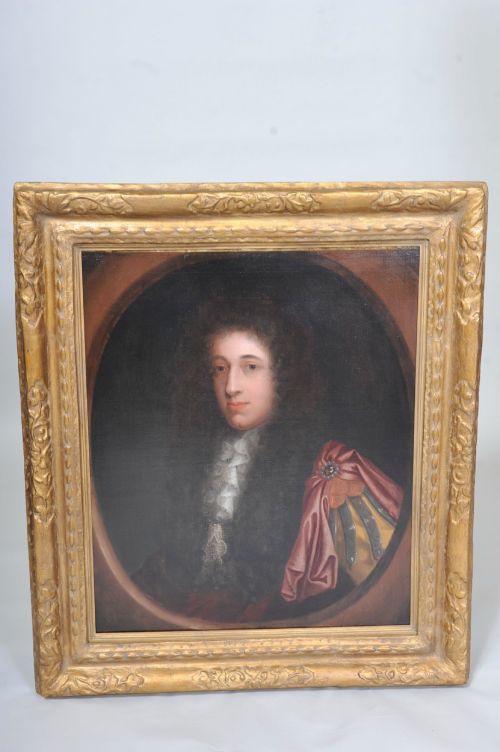
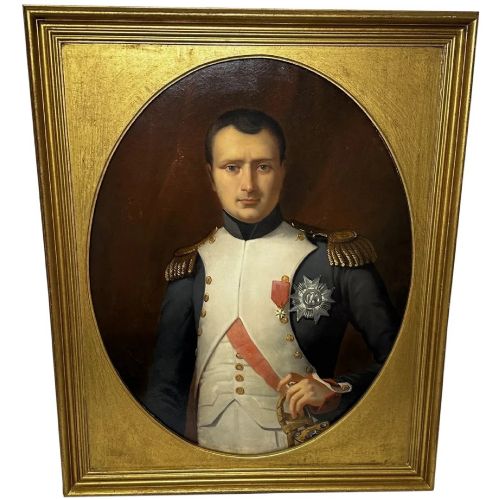
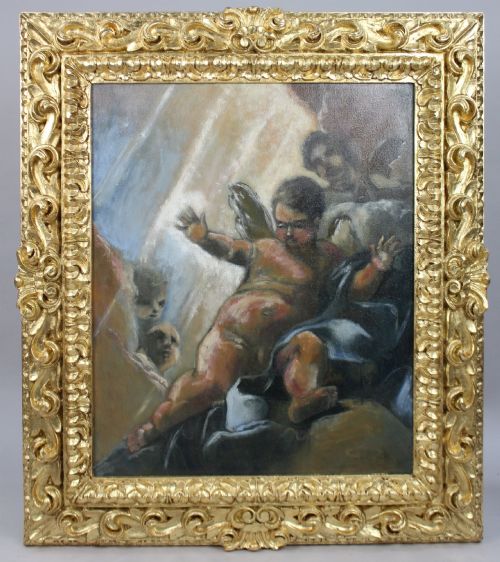
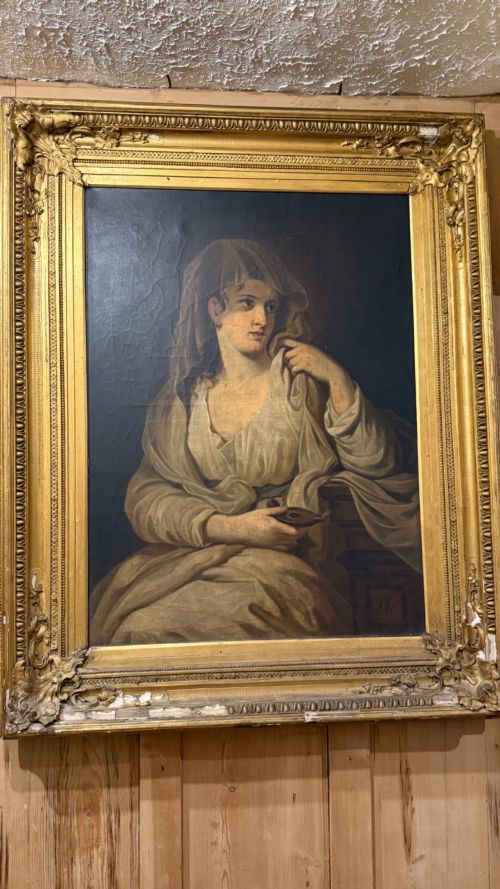
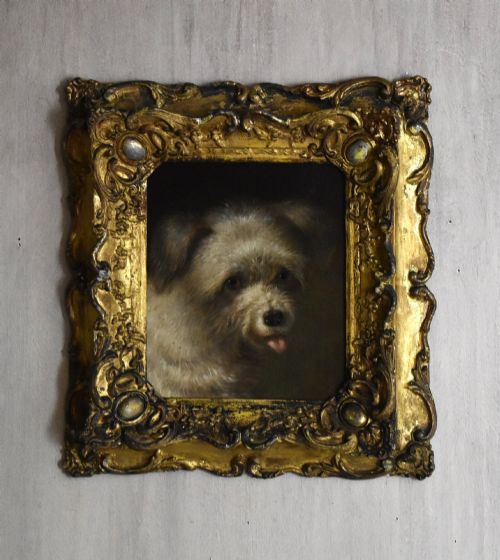
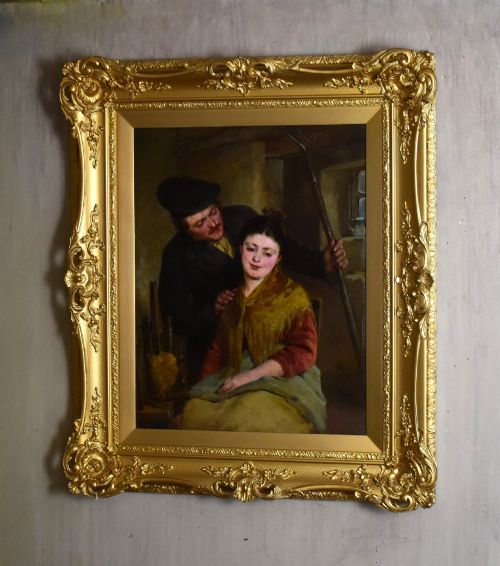
A gold leaf portrait painting is typically an oil on canvas or panel work complemented by ornate framing, capturing subjects ranging from nobility to children across the seventeenth, eighteenth and nineteenth centuries. These pieces reflect the artistic movements of their periods, spanning English, French, Italian and Scottish schools.
The buyer frequently encounters works originating in the Georgian, Victorian, Regency and Baroque styles. These artworks often present distinct regional dress, military uniforms or domestic settings alongside the central figure.
Portraits on this page include both substantial oil paintings on canvas and delicate portrait miniatures executed on paper or other intimate mediums. Each piece provides a window into the aesthetic priorities of historical portraitists.
Materials and construction methods
Artists traditionally built these works using oil paint applied to prepared canvas or wood panels, sometimes employing pastel, gouache or watercolour on paper for miniatures. The pigments were mixed by hand to achieve durable skin tones and deep fabrics.
Frames rely upon wood and gesso substrates that receive a delicate application of gold leaf to create the characteristic metallic sheen. This gesso layer was hand-carved and burnished before the leaf was laid down by the gilder.
Listings feature oil on canvas, giltwood frames and paper works spanning the seventeenth to nineteenth centuries.
Distinctions in craftsmanship and preservation
The standard of a portrait rests upon the precision of the brushwork, the anatomical accuracy of the sitter and the subtlety of the lighting effects across the face. Superior works capture individual psychology rather than mere generic likenesses.
The integrity of the surrounding giltwood frame and the stability of the canvas ground influence the overall condition. Original frames matching the period of the painting carry greater historical cohesion than later replacements.
Jean Baptiste Van Loo·James Sharples·Jeremiah Davison·Pieter Borsseler·Lemuel Francis Abbott·Sir Godfrey Kneller·Martin Theodore Ward·Howard Helmick·Edgar Hunt·Charles Hunt·George Watson·Renato Moretti·Theodore Jensen·John Greenhill·Benjamin Eugene Fichel·William Arthur Breakspeare·George Bernard O'Neill
The Gold Leaf Portrait Painting Glossary
- Giltwood
- Wood carved and covered with a thin layer of gold leaf or powder. This material defined the elaborate frames popular in Baroque and Georgian eras.
- Gesso
- A plaster mixture applied to wood or canvas as a base for paint or gold leaf. It provides a smooth surface for subsequent gilding.
- Oil on canvas
- A painting medium using pigments bound with drying oils, stretched across a woven fabric support. This technique allowed artists to achieve rich colour depths.
- Portrait miniature
- A small, highly detailed painting designed for intimate viewing. These works frequently utilised paper, vellum or ivory bases.
Gold Leaf Portrait Painting: Frequently Asked Questions
How do I date a portrait painting?
Dating relies upon examining the sitter's clothing, hairstyle and the specific pigments or canvas preparation used by the artist. Stylistic markers within the accompanying frame also offer reliable clues to the period.
Comparison with documented works by known schools or portraitists helps narrow the decade of creation. Expert analysis of the stretcher bars and backing materials further confirms the age of the piece.
How were these portraits originally displayed?
Historical portraits were typically hung in the principal rooms of country houses, town residences or institutional halls to display lineage and status. They occupied prominent positions above mantelpieces or along panelled galleries.
The heavy gilt frames were designed to catch the flickering light of candles and fireplaces, drawing the eye toward the subject. This placement underscored the social standing and prestige of the family depicted.
How should I care for a giltwood frame?
Giltwood frames require a stable indoor environment away from direct sunlight, excessive heat sources and sudden humidity fluctuations. Dust should be removed gently using a soft, dry brush without applying cleaning liquids.
Moisture can damage the delicate gesso and cause the gold leaf to flake off the wooden substrate. Professional conservators should handle any structural repairs or cleaning of the gilded surface.
What is the difference between oil and pastel portraits?
Oil paintings utilise pigment suspended in drying oil on a sturdy canvas or panel, offering longevity and rich colour blending. Pastel works employ powdered pigment compressed into sticks, creating a velvety matte texture on paper.
Pastel and gouache portraits require protective glass glazing to prevent the friable pigment from smudging. Oil paintings on canvas are more robust but still benefit from proper environmental controls.