




Sir Thomas Lawrence Portrait
A sir thomas lawrence portrait brings the supreme flair of Regency society into a room through oil, watercolour, and engraved works.
Sir Thomas Lawrence Portrait
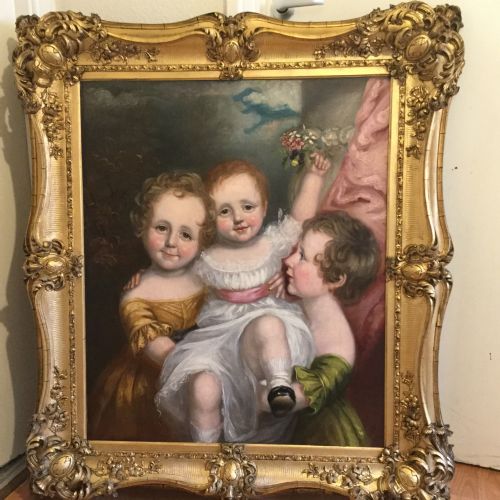
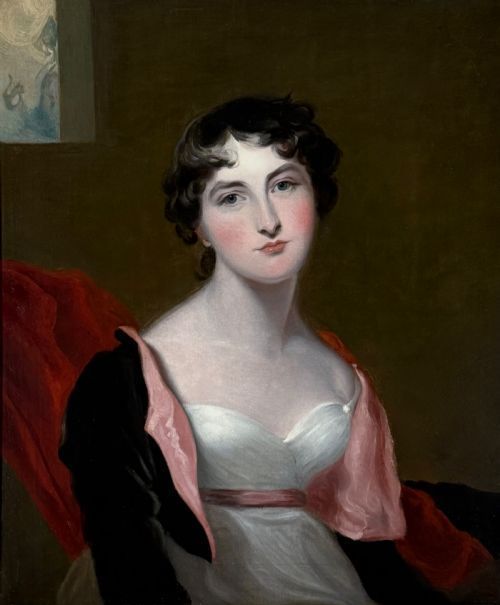
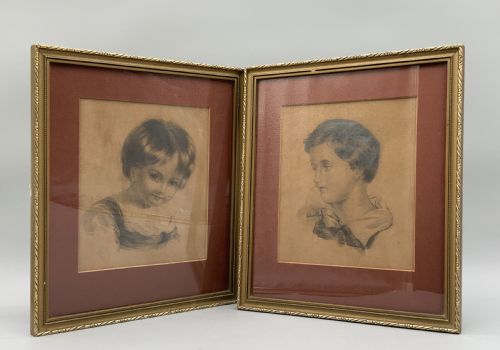
A sir thomas lawrence portrait captures the elegance of the Regency era through depictions of children, nobility, and notable figures. These works span original oils, studio productions, and later watercolours or engravings executed after the master.
Most examples found here date from the nineteenth century, reflecting both the lifetime and the enduring posthumous influence of the painter. Subjects range from celebrated child studies like the Calmady children to prominent military and political figures.
How they were made
Works in this medium rely primarily on oil paint applied to canvas or wood panels, capturing rich tones and delicate fabrics. Alternatively, artists utilised paper for pencil drawings and watercolours, often framed behind glass.
Frames themselves typically consist of wood with gilded gesso ornamentation, matching the Regency and Victorian aesthetics of the portraits they enclose. The physical structure ranges from simple wall art supports to elaborate period mouldings.
Sir Thomas Lawrence Portrait Retail Price Guide 2026
Typical asking prices for sir thomas lawrence portrait among the pieces listed under this phrase on Sellingantiques today, from the lower quarter to the upper quarter. They describe what is for sale here now, not the wider market.
Several portraits feature subjects holding beloved pets, capturing domestic warmth alongside high-society formality.
What varies in quality
The distinction between items rests on the closeness to the original hand, moving from direct studio output down to later derivative engravings. Studio pieces and close circles display superior handling of light and facial expression compared to distant interpretations.
Condition of the canvas, paint layer, and original wood or gesso frame also dictates the overall standard of the piece. Intact nineteenth-century framing and stable oil surfaces retain greater visual integrity.
The Sir Thomas Lawrence Portrait Glossary
- Studio of
- Term. Indicates a work produced in the artist's workshop under direct supervision or following established studio practices. This designation often points to a high standard of contemporary execution.
- After
- Term. Denotes a later copy or reproduction executed after an original composition by the named artist. These pieces allow collectors to own versions of famous compositions.
- Gesso
- Term. A plaster-like mixture applied to wood frames before gilding to create smooth sculptural details. It provides the foundation for ornate period ornamentation.
- Regency
- Term. The stylistic period spanning the early nineteenth century characterised by neoclassical elegance and refined portraiture. Works from this time reflect the distinctive dress and posture of the era.
Sir Thomas Lawrence Portrait: Frequently Asked Questions
Are these portraits original?
The selection includes a mix of studio pieces, works by followers, and later interpretations in watercolour or engraving.
Each listing specifies the relationship to the artist, distinguishing between direct studio output and works created after the original paintings.
How should I hang a portrait?
These works suit traditional reception rooms or studies, ideally positioned at eye level on walls with stable light and humidity.
Ensure heavy gilded wood frames are secured with appropriate fixings to support the weight safely.
What periods do these pieces span?
The available items primarily date from the nineteenth century, with some examples touching the late eighteenth century.
This timeframe encompasses both the active painting career of the artist and the Victorian period following his death.
What mediums are used?
The primary medium is oil paint on canvas or panel, supported by works on paper using watercolour and pencil.
Engravings also appear, offering monochromatic interpretations of the most famous painted compositions.