




Georgian Officer Canvas Portrait
A georgian officer canvas portrait captures the commanding presence of military leaders and naval captains in authentic period oil paint.
Georgian Officer Canvas Portrait
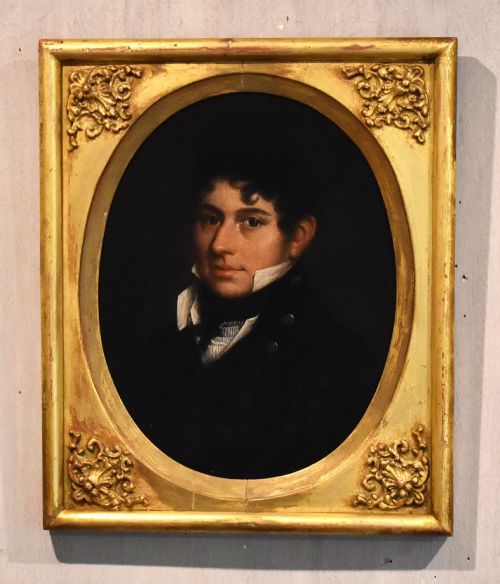
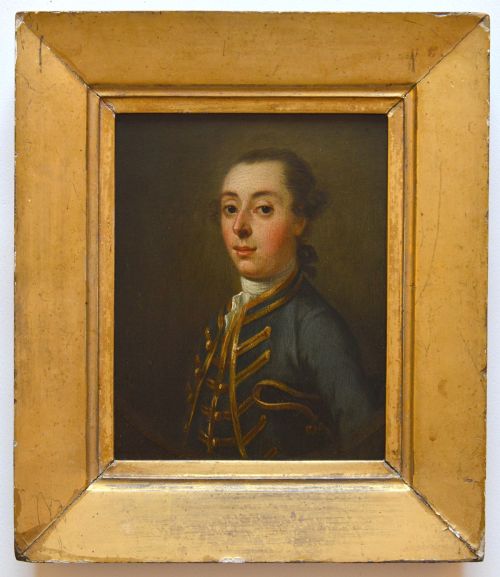
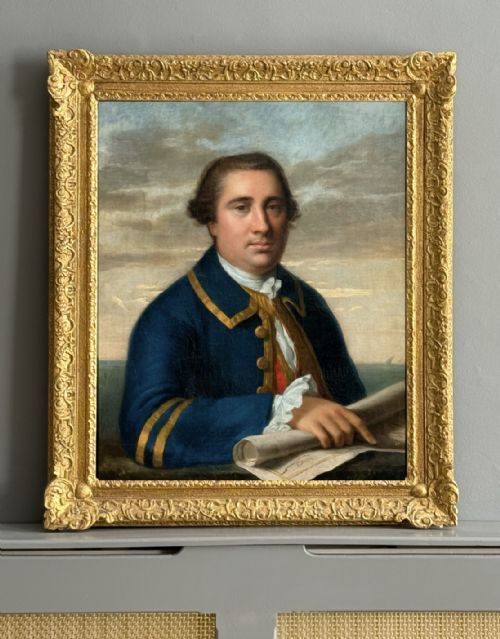
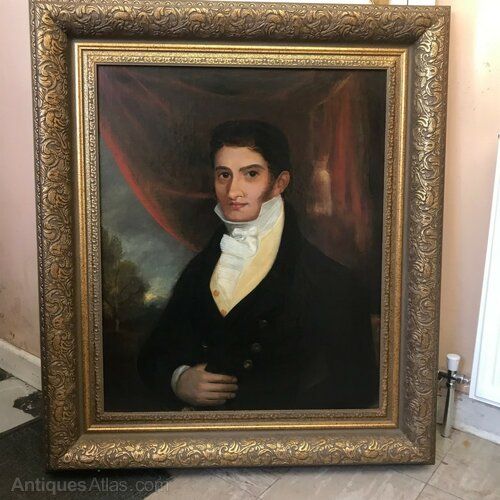
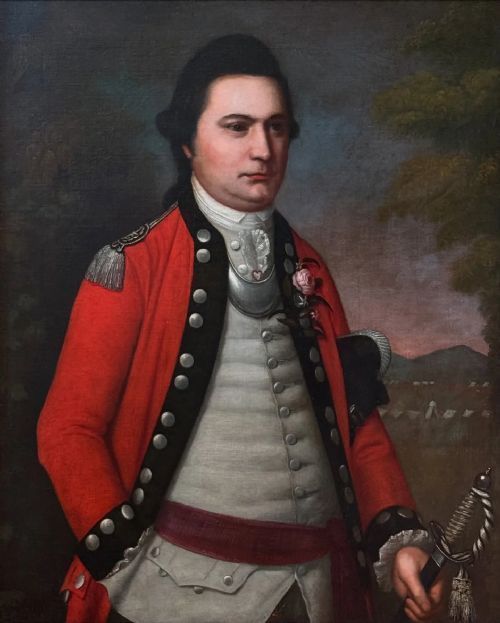
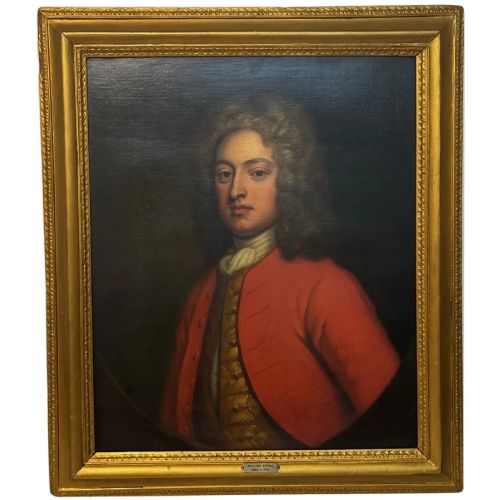
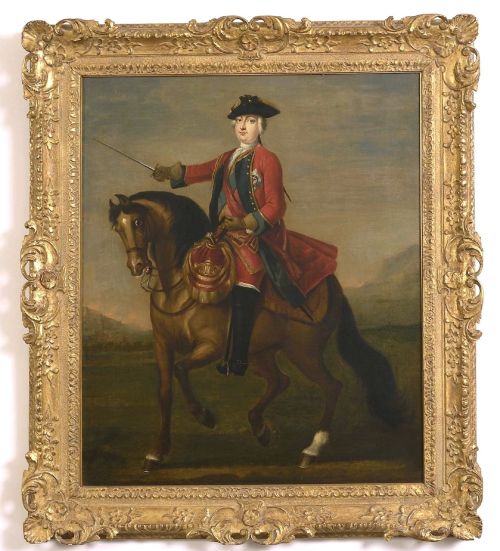
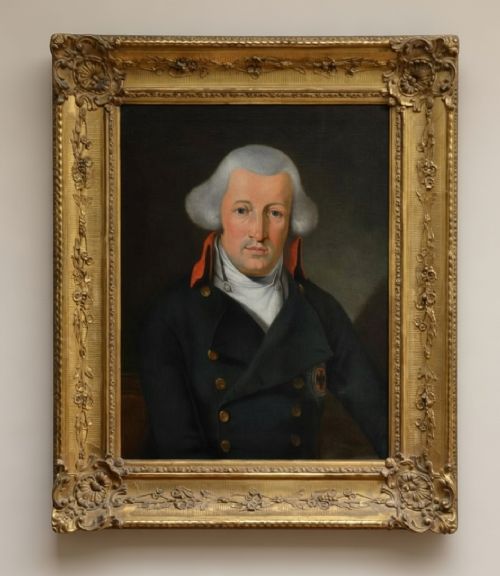
A georgian officer canvas portrait depicts military gentlemen, naval captains, and high-ranking officers rendered in oil paint on canvas. These works span the eighteenth and nineteenth centuries, capturing figures from British, French, German, Austrian, and Russian regiments.
The subjects appear in naval jackets, military dress, and uniforms bearing decorations such as the Order of St Louis. Alongside senior commanders and admirals, the selection includes younger infantry officers, militia bandsmen, and gentlemen associated with historical military campaigns.
Most examples originate from the eighteenth and nineteenth centuries, though later interpretations and specific period styles also appear. The handling ranges from accomplished academic portraiture to robust folk art expressions.
How They Were Made
Many surviving canvases retain their original giltwood frames, which complement the tonal depth of the oil paintings. Wood stretchers provide the underlying structural support for the canvas.
Georgian Officer Canvas Portrait Retail Price Guide 2026
Typical asking prices for georgian officer canvas portrait among the pieces listed under this phrase on Sellingantiques today, from the lower quarter to the upper quarter. They describe what is for sale here now, not the wider market.
Several subjects wear elaborate hats, including a young bandsman sporting a tall busby hat alongside his cymbals.
What Varies in Quality
The distinction between works lies in the draughtsmanship and the artist's ability to capture the psychological depth and likeness of the sitter. Master hands achieve subtle modulation in flesh tones and uniform detailing that lesser studio hands miss.
Provenance and attribution to recorded artists elevate certain pieces, connecting specific sitters to documented historical figures and established painters of the period.
Francis Lindo·Lemuel Francis Abbott·Stickland Lowry·John Wootton·Thomas Hudson·John Simmons·Sir Thomas Lawrence·George Frederick Clarke·Henry Walton·Henry Hoppner Meyer·Samuel Lane·George Duncan Beechey·Sir Richard Westmacott·Henry Wyatt·Angelica Kauffman·Robert Ker Porter·Harry Ashby·Ambrosini Jerome
The Georgian Officer Canvas Portrait Glossary
- Oil on Canvas
- A painting medium where pigments are suspended in a drying oil and applied to a woven fabric support. This combination allows for rich colour blending and lasting durability.
- Giltwood
- Wood carved and coated with a thin layer of gold leaf or metallic gilt powder. It forms the decorative ornamental frames common to period art.
- Folk Art
- Artistic work produced from an indigenous craft tradition or by self-taught painters. These pieces often display a charming disregard for academic perspective.
- Regency
- A stylistic period spanning the early nineteenth century characterised by neoclassical elegance and distinct military fashions. It follows the Georgian era proper.
- Provenance
- The documented history of ownership of an artwork. A clear lineage helps verify the authenticity and historical context of the sitter.
Georgian Officer Canvas Portrait: Frequently Asked Questions
What is a georgian officer canvas portrait?
These works are period oil paintings on canvas depicting military and naval commanders, captains, and officers from the eighteenth and nineteenth centuries. They record the likenesses of historical figures in authentic uniform.
Subjects range from admirals and generals to militia bandsmen and young gentlemen. Each piece serves as both a historical record and a fine art object.
How were these portraits displayed?
Period portraits hung primarily in country houses, officers' messes, and family drawing rooms to display lineage, rank, and martial achievement. They commanded focal points above mantelpieces or along panelled hallways.
Owners selected ornate giltwood frames to enhance the presence of the sitter within domestic and official interiors.
How do I identify the military rank?
Uniform details, epaulettes, facings, and headwear such as busby hats provide clear indicators of the sitter's regiment and rank. Decorations and medals worn on the chest signal specific campaigns and honours.
Inscriptional labels or contemporary biographical notes on the reverse often name the sitter and their military posting.
How should I care for an oil painting?
Keep the canvas away from direct sunlight and steady fluctuations in household humidity and temperature. This prevents the oil paint and canvas from drying out or cracking.
Dust the surface gently with a soft, dry brush and avoid using any liquid cleaners on the paint or the giltwood frame.