

Gold Leaf Glass
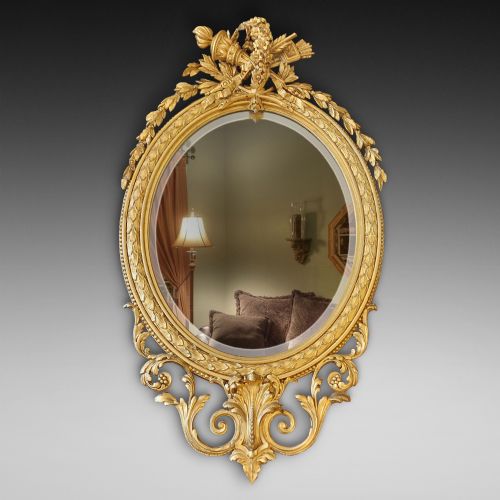
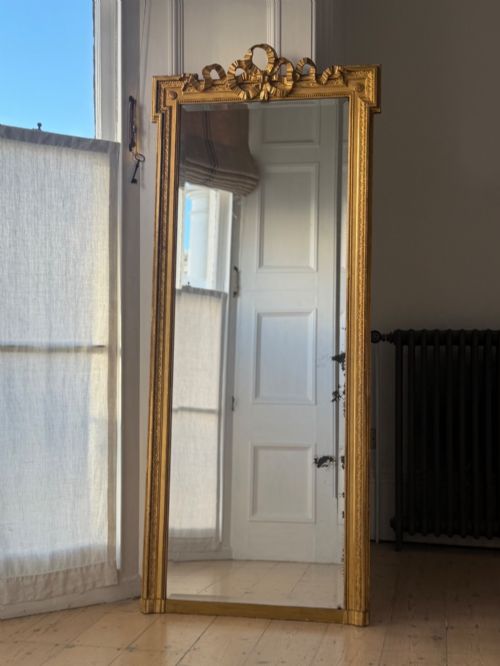
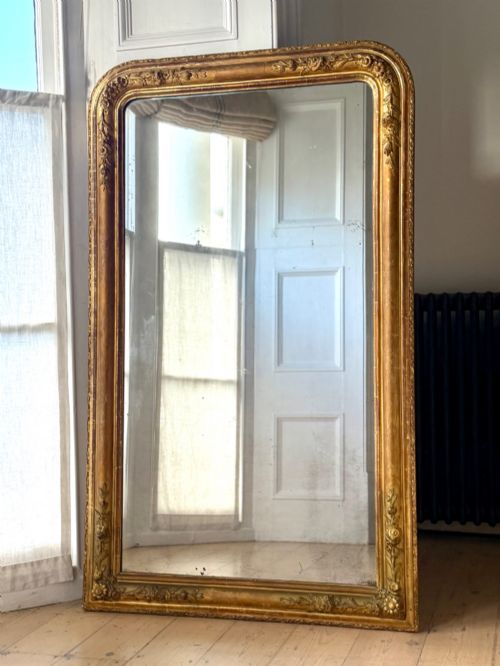
Gold leaf glass frames ornate mirrors and cabinets, bringing warm metallic reflection and historic design into rooms.
Gold Leaf Glass
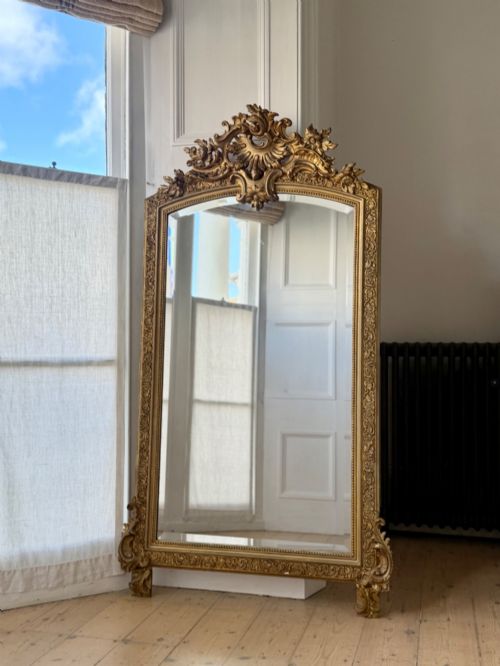
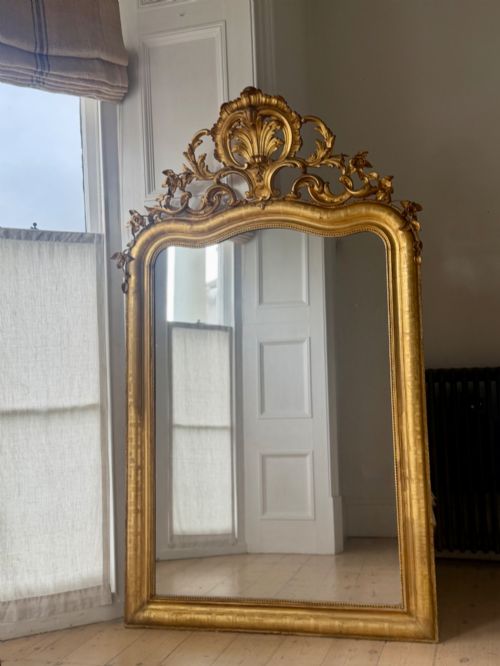
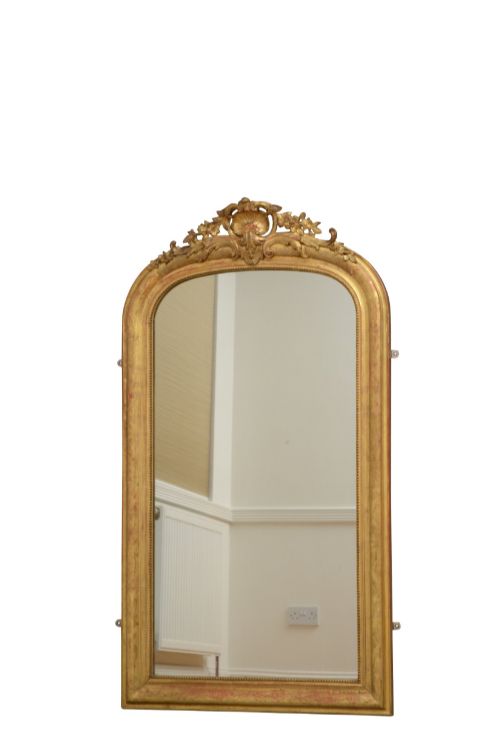
When you search for gold leaf glass, you encounter historic mirrors, cabinets and console tables defined by gilded wooden frames and reflective plates. The selection spans the eighteenth, nineteenth and early twentieth centuries, drawing heavily on French and English workshop traditions.
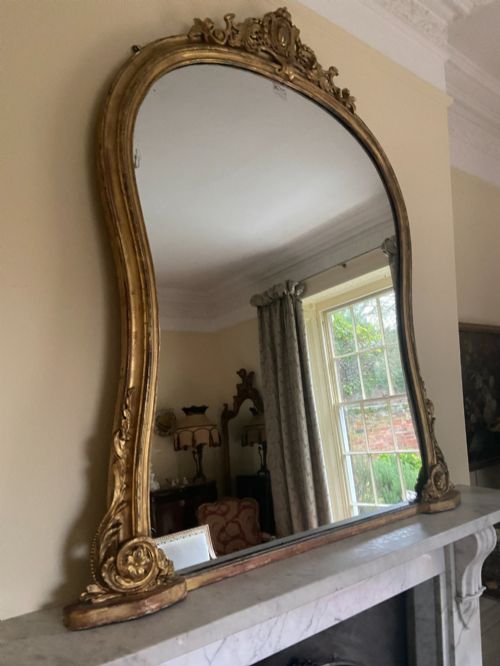
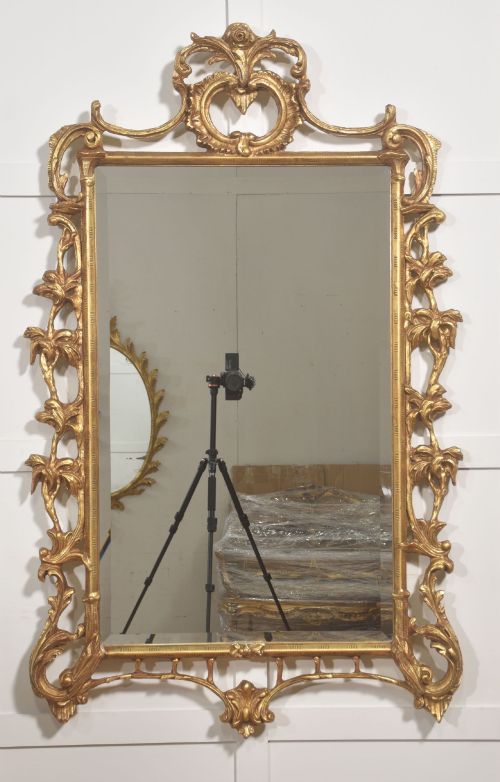
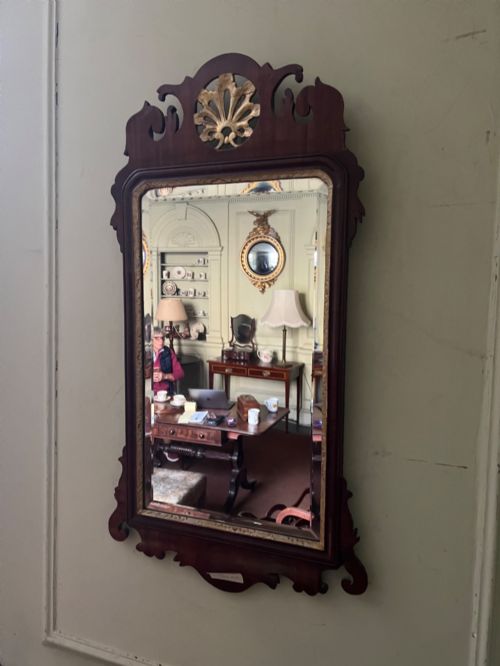
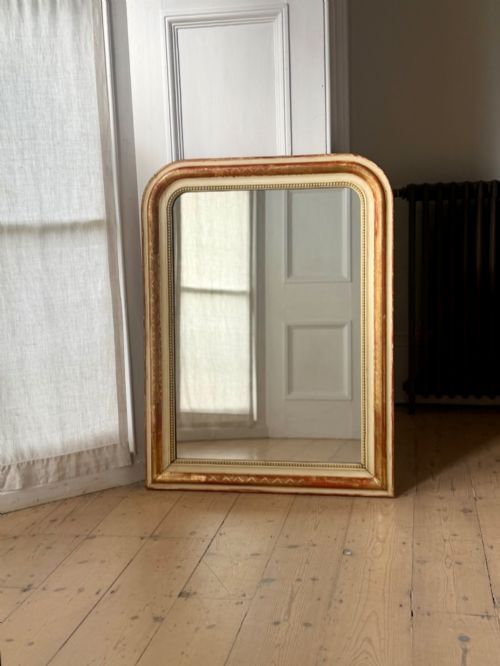
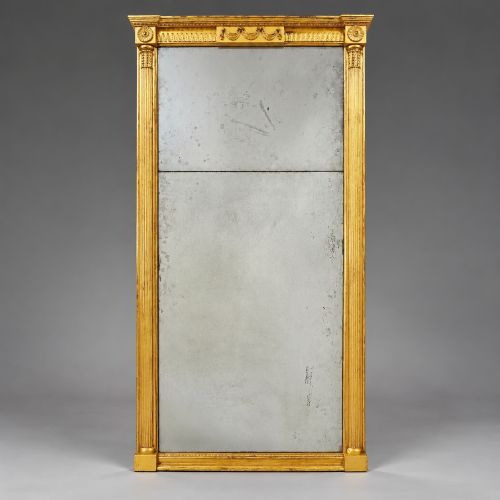
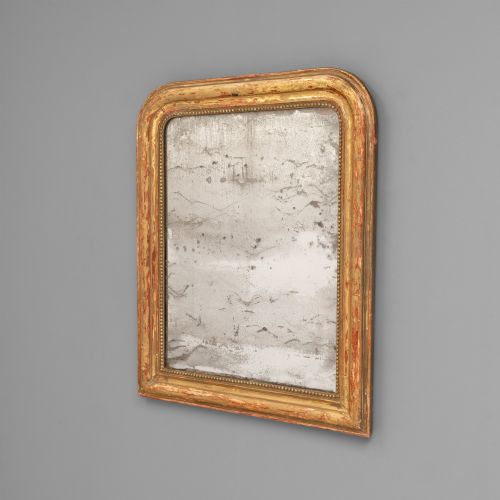
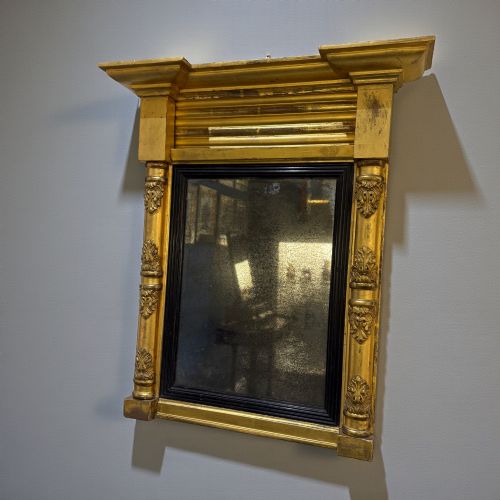
You meet nineteenth-century French Louis Philippe and Napoleon III designs alongside Regency, Georgian and Edwardian pieces. Wall mirrors, overmantel mirrors and pier mirrors dominate the forms, frequently utilising mercury glass or bevelled plates.
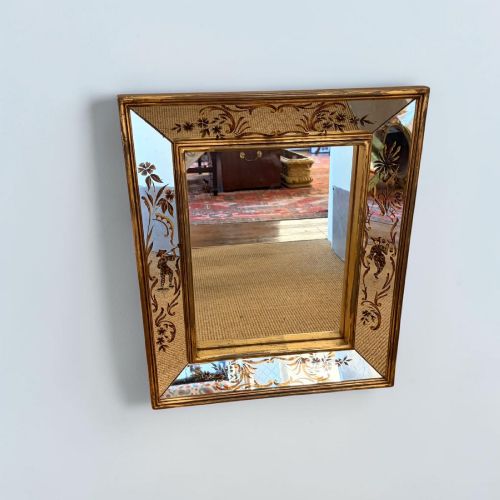
The objects combine carved wooden structures with applied gold leaf, gesso and mirror glass. Pieces range from restrained neoclassical frames to elaborate rococo revival and chinoiserie examples.
Materials and Construction
Frames rely upon timber substrates such as oak or pine, coated in layers of gesso to provide a smooth surface for gilding. Artisans applied thin sheets of gold leaf by hand, often burnishing the metal to achieve a deep lustre.
Mirror plates include early mercury glass with characteristic foxing alongside later bevelled float glass. Frames incorporate carved wooden ornamentation, composition mouldings and painted details to secure decorative relief.
Gold Leaf Glass Retail Price Guide 2026
Typical asking prices for gold leaf glass among the pieces listed under this phrase on Sellingantiques today, from the lower quarter to the upper quarter. They describe what is for sale here now, not the wider market.
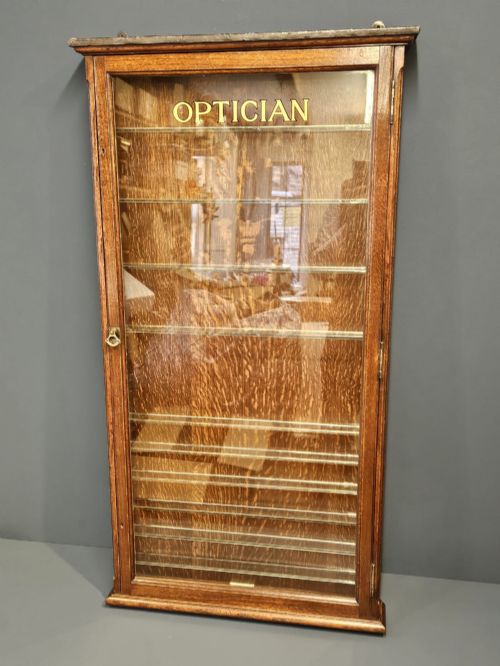
Opticians occasionally used wall-mounted cabinets fitted with glass and gilded frames to store delicate lenses in seventeenth and eighteenth-century style.
Judging Quality and Execution
Quality rests in the crispness of the hand-carved wooden ornament and the depth of the gilding technique. Superior examples display subtle tool marks and layered gold leaf that catch the light unevenly, avoiding the flat uniformity of mechanical application.
The integrity of the original mirror plate and the stability of the underlying gesso foundation distinguish exceptional survivals. Frames retaining their original gilding without heavy modern intervention command greater appreciation.
Arsène Rochette of Versailles
The Gold Leaf Glass Glossary
- Giltwood
- Wood that has been coated with gold leaf or gold paint. This technique created rich metallic frames for mirrors and furniture throughout the eighteenth and nineteenth centuries.
- Gesso
- A plaster mixture applied to wooden frames as a base for gilding. It allowed artisans to carve intricate relief details before applying gold leaf.
- Mercury Glass
- A double-walled blown glass type lined with a silvering mixture of mercury and other metals. It produces a dark, atmospheric reflection often seen in nineteenth-century mirrors.
- Pier Mirror
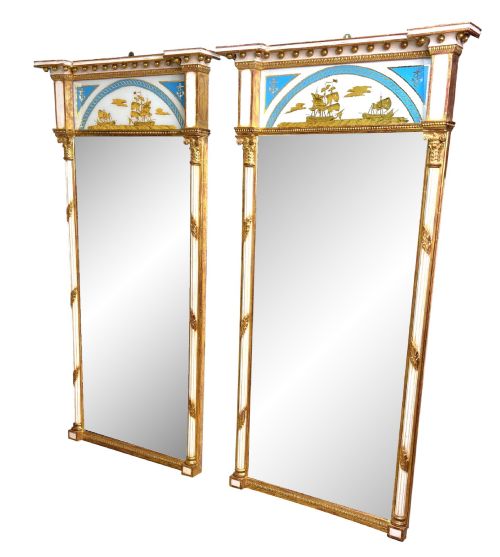
- A tall mirror designed to hang on the wall between windows, frequently positioned above a matching console table.
- Eglomise
- A decorative technique applying gold or silver leaf to glass with a design etched into the metal. It appears on specialised decorative panels and mirror frames.
Gold Leaf Glass: Frequently Asked Questions
What is mercury glass?
Mercury glass is a double-walled blown glass filled with a silvering solution, creating a speckled and deep reflection. It offers a softer, darker mirror image than modern float glass.
Over time, chemical reactions within the sealed glass layers produce dark spots and foxing, which collectors value as a sign of authenticity and age.
How do I date a giltwood mirror?
Dating relies upon examining the timber behind the frame, the composition of the gesso, and the style of the carving. Eighteenth-century pieces typically show hand-carved wooden details, while later nineteenth-century examples often incorporate moulded composition ornament.
The mirror plate itself offers clues, as original mercury plates and early bevelled edges correspond to specific historical manufacturing periods.
Where should I hang an overmantel mirror?
Overmantel mirrors are traditionally designed to sit directly above a fireplace mantelpiece, anchoring the vertical space of a room. Their large proportions reflect light across the interior and balance the weight of the hearth below.
Due to their substantial weight, secure wall fixings into masonry or structural studs are essential for safe installation.
How do I clean a gold leaf frame?
Cleaning requires a soft, dry brush to gently remove dust from the intricate recesses of the carved gesso and gold leaf. Moisture and chemical cleaners must be avoided to prevent lifting the delicate metallic surface.
Preserving the original patina involves minimal intervention and protecting the frame from direct, harsh sunlight.