

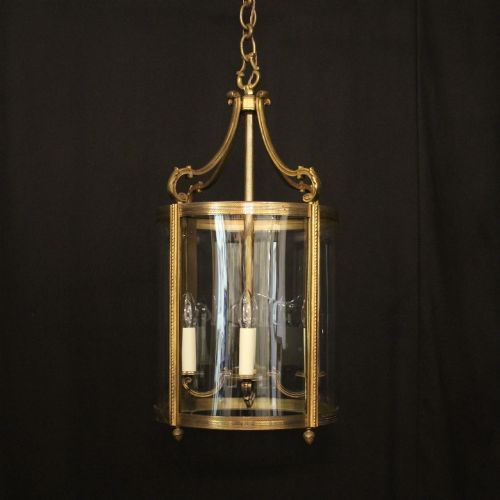
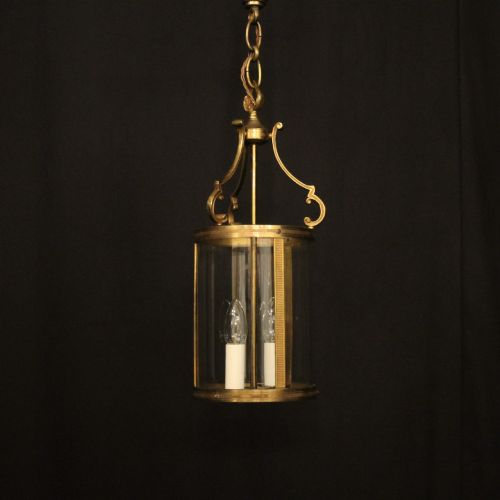
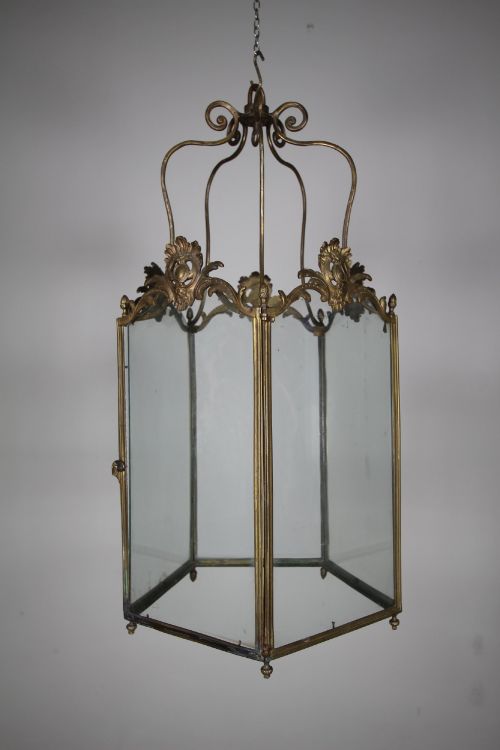
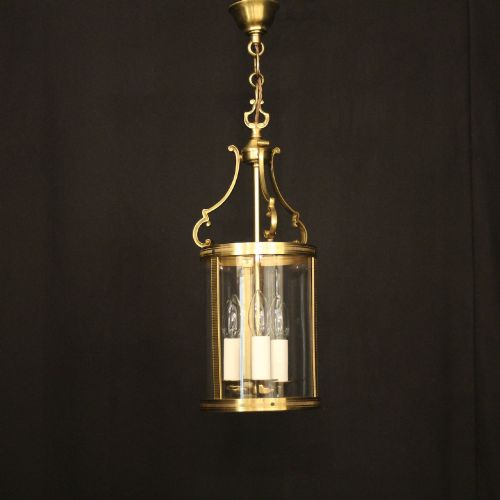
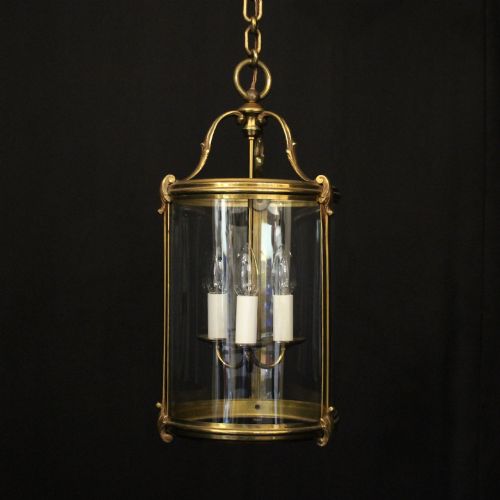

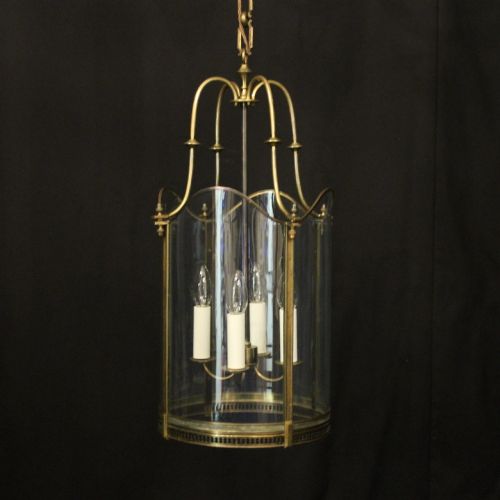
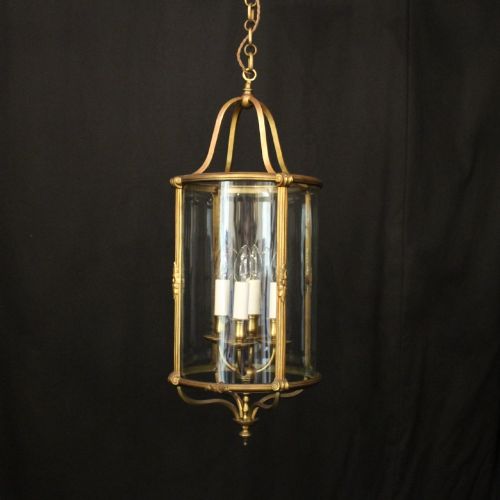
Gold Glass Ceiling Lantern
A gold glass ceiling lantern brings immediate architectural presence and warm reflection to an entrance hall or high-ceilinged room.
Gold Glass Ceiling Lantern
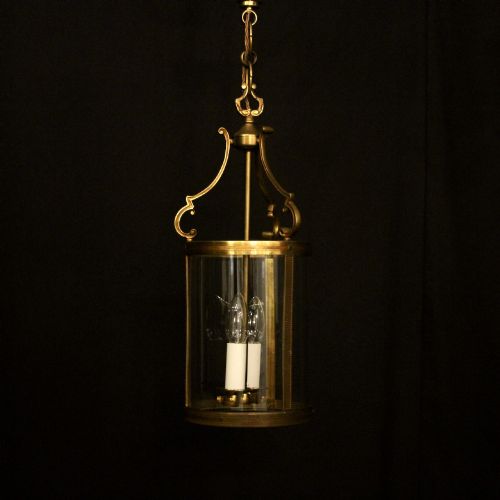
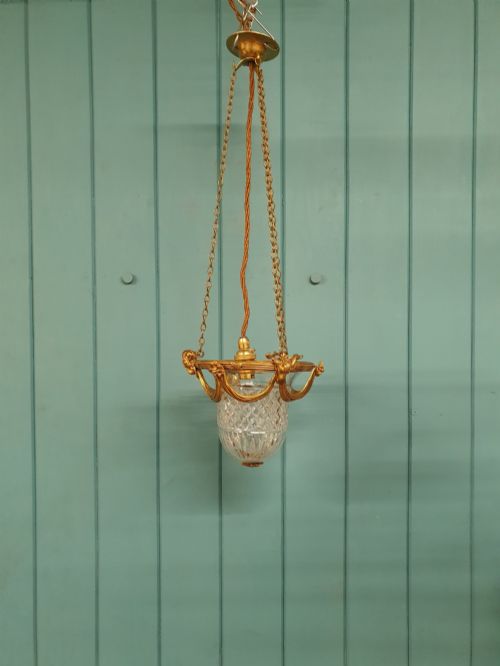
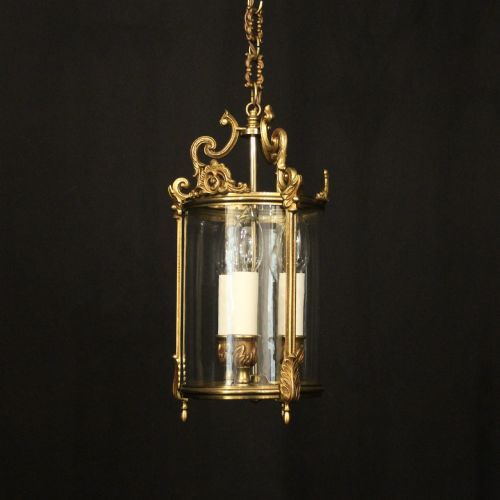
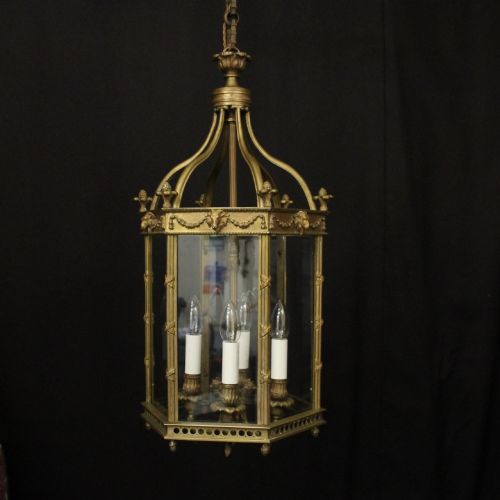
A gold glass ceiling lantern is an overhead lighting fixture designed to illuminate vestibules, corridors and stairwells while adding a decorative focal point. When searching for a gold glass ceiling lantern, collectors encounter pieces spanning from the mid-nineteenth century through the 1930s, with French and English origins predominating.
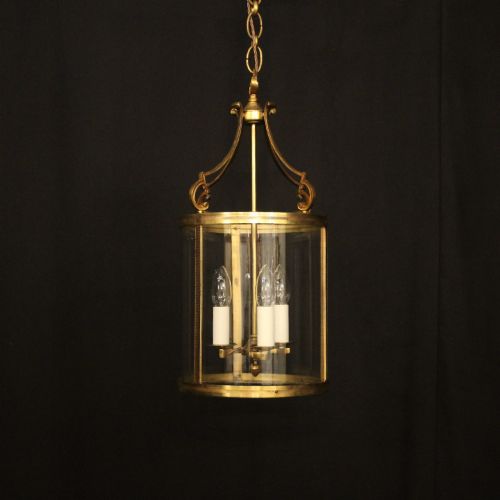
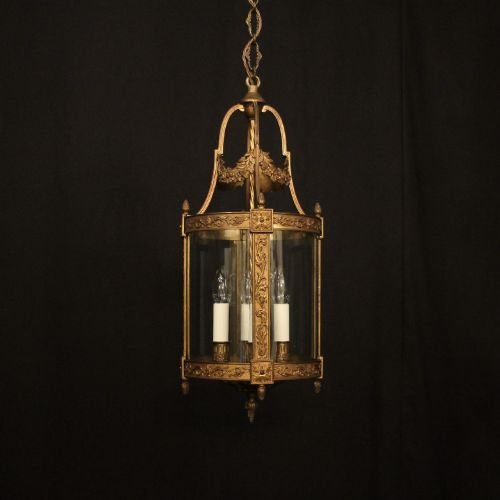
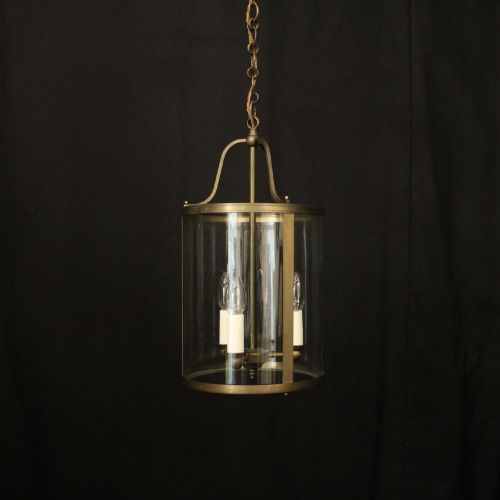
The selection on this page relies heavily on French designs from the 1920s and 1930s, alongside nineteenth-century English and Victorian examples. These pieces manifest as hall lanterns, pendant lights and multi-light chandeliers housed within metallic frames.
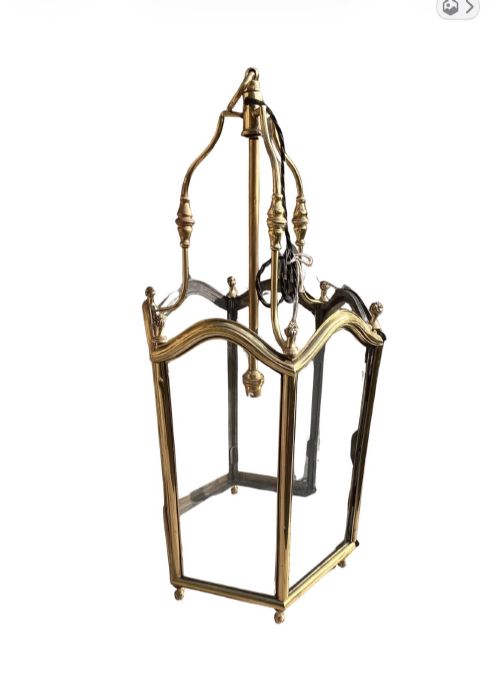
Most variations incorporate either flat panes or curved convex glass panels held securely within cast bronze, brass or gilded mountings. Buyers frequently select these overhead fixtures to establish period character in traditional interiors.
How they were made
The construction of these lanterns combines heavy metal casting with skilled glasswork. Frames are fashioned from brass, bronze or gilded copper alloys, often chased and detailed with classical motifs.
Panels are formed from clear, bevelled, etched or opaline glass, shaped to fit tightly into the metal frames. Convex glass plates require careful thermal manipulation to achieve their signature outward curve.
Gold Glass Ceiling Lantern Retail Price Guide 2026
Typical asking prices for gold glass ceiling lantern among the pieces listed under this phrase on Sellingantiques today, from the lower quarter to the upper quarter. They describe what is for sale here now, not the wider market.
The listings feature brass, gilt bronze, and cut glass across periods spanning the Victorian era through the 1930s.
What varies in quality
Quality in these lanterns rests upon the weight of the metal framework and the crispness of the cast ornamentation. Finer examples display deep gilding, substantial bronze casting rather than thin pressed brass, and heavy hand-bevelled glass panels.
The interior lighting arrangement and the complexity of the glass cutting also distinguish standard production from superior pieces. Multi-light configurations and intricate etched detailing indicate higher craftsmanship.
Perry And Co
The Gold Glass Ceiling Lantern Glossary
- Convex glass
- Curved glass panels that project outward, offering wider light distribution and a softer optical effect. They require specialised moulding techniques.
- Gilt bronze
- Bronze metal treated with a thin layer of gold or gold-coloured alloy to impart a rich, metallic finish. It resists tarnishing better than untreated brass.
- Bevelled glass
- Glass panes featuring angled, polished edges that refract light into prismatic colours. This technique adds depth and sparkle to the fixture.
- Hall lantern
- A compact overhead lighting fixture traditionally hung in narrow corridors or entrance vestibules. They prioritise vertical presence over horizontal spread.
- Rococo style
- An ornate design period characterised by asymmetrical scrollwork, C-scrolls and naturalistic plant motifs. It heavily influences French decorative metalwork.
Gold Glass Ceiling Lantern: Frequently Asked Questions
Where should a gold glass ceiling lantern be hung?
These lanterns suit entrance halls, high-ceilinged landings and reception rooms where they can command visual space. Their vertical drop makes them ideal for areas with generous headroom.
Ensure the bottom of the fixture clears standard walking height while remaining visible as you enter the room.
How do I identify a French lantern from an English one?
French lanterns from the early twentieth century often feature gilt bronze frames with convex glass and Louis XVI or Rococo stylistic details. English counterparts from the nineteenth century tend to utilise heavier brass structures with straightforward bevelled panels.
Examining the casting style and mounting hardware usually reveals the country of origin.
What is the difference between brass and gilt bronze?
Brass is an alloy of copper and zinc, valued for its bright golden metallic appearance and durability. Gilt bronze consists of a bronze base metal coated with a fine layer of gold finish.
Bronze generally offers heavier casting capabilities and deeper detail retention than standard brass.