

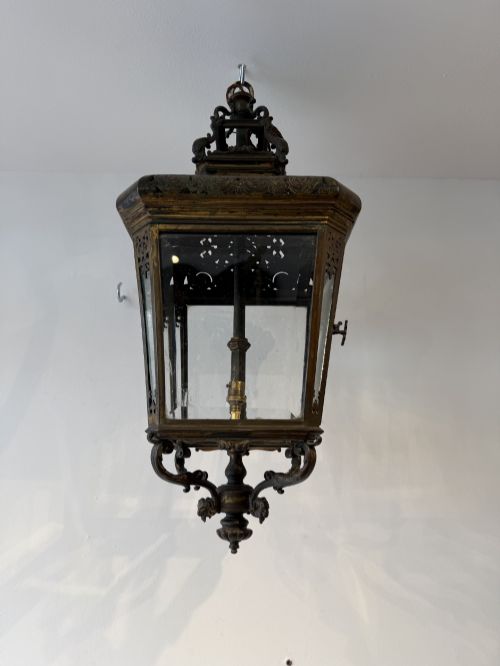


Antique Foyer Lighting Fixture
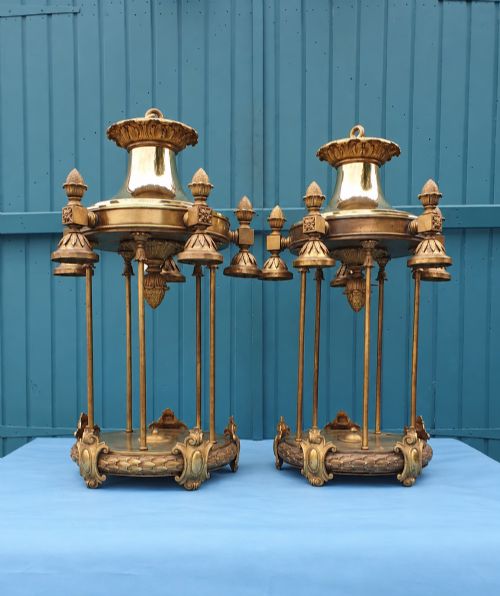
An antique foyer lighting fixture welcomes visitors with the gleam of gilded bronze and glass.
Antique Foyer Lighting Fixture
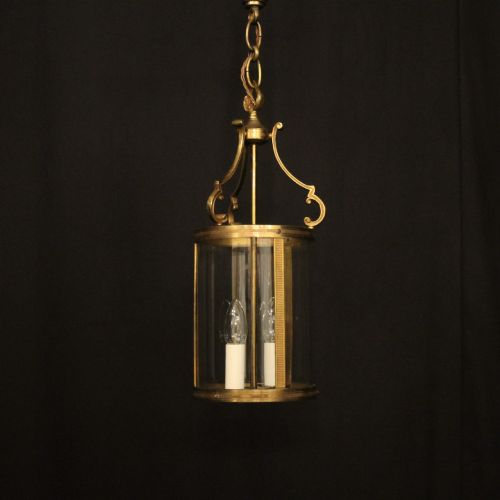
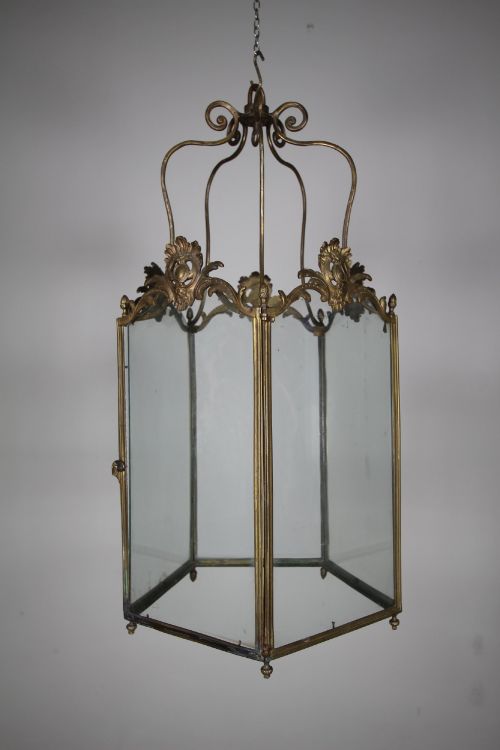
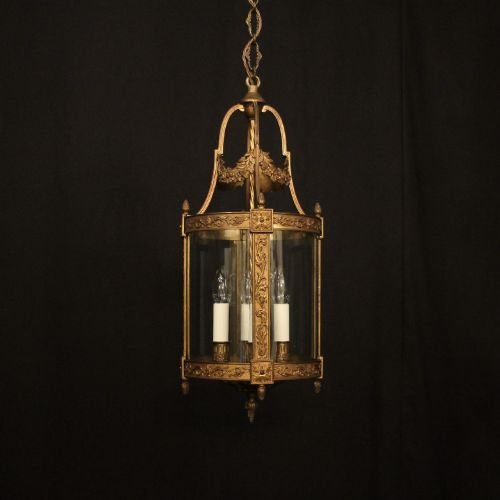
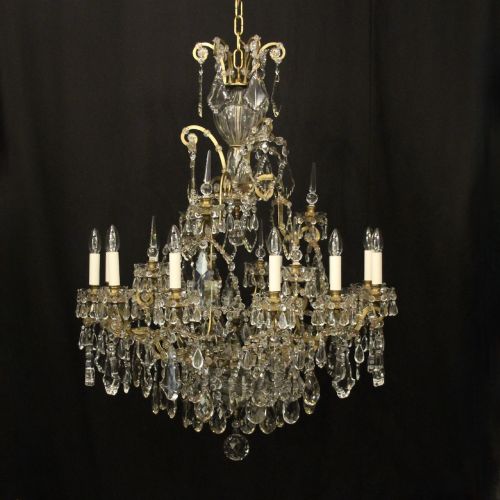
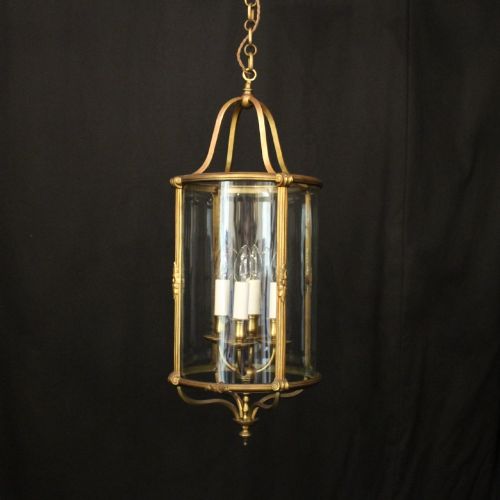
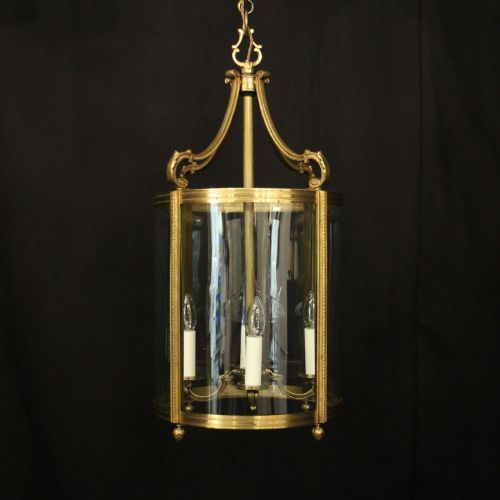
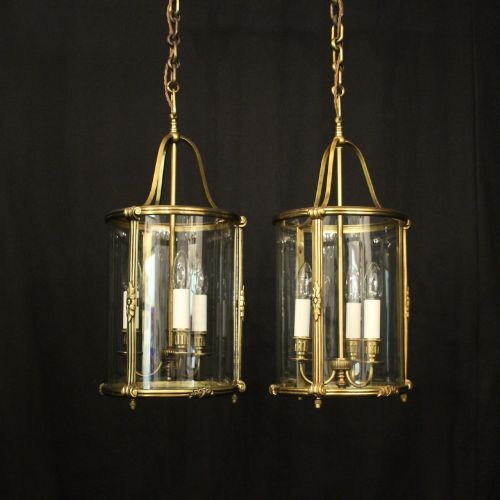
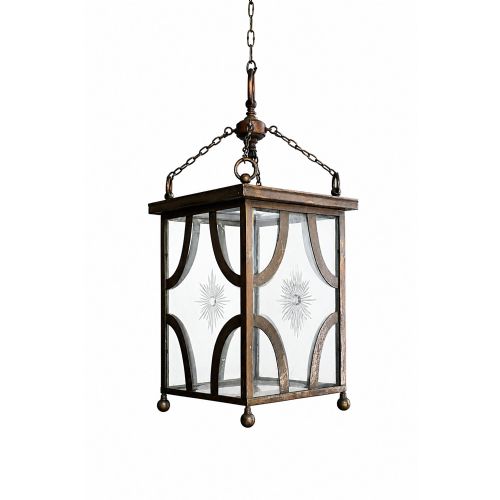
An antique foyer lighting fixture is designed to illuminate entrance halls and grand stairwells, taking forms such as hall lanterns, hanging pendants, and multi-light chandeliers. Buyers searching for an antique foyer lighting fixture encounter substantial pieces intended to make an immediate visual statement upon entering a building.
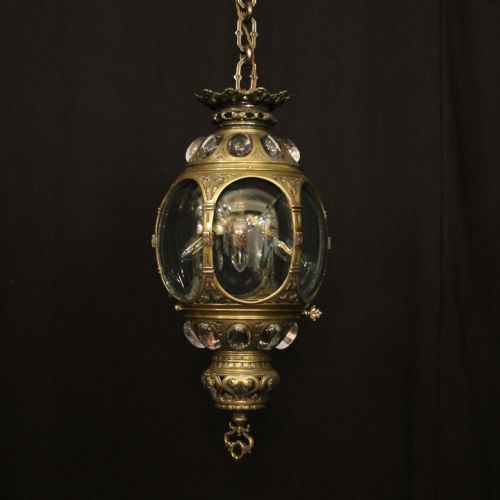
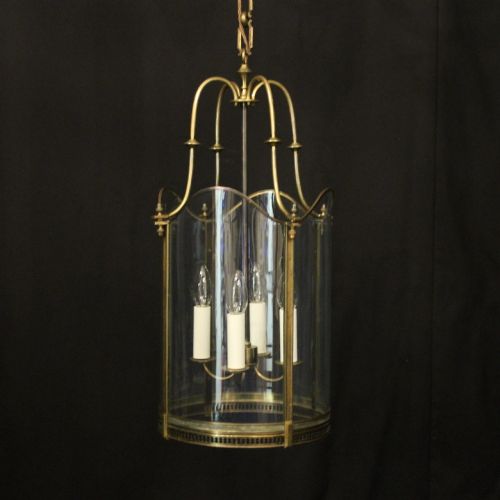
The selections span the nineteenth century through the 1930s, encompassing English Gothic designs and ornate French chateau styles. French gilded bronze lanterns featuring convex glass panels appear frequently among the available lighting.
How they were made
Master metalworkers constructed these fixtures using cast brass, bronze, and gilt metal, often applying gold leaf or mercurial gilding to the surfaces. Structural frames support heavy glass panels and cut crystal elements, secured by pins and traditional fixings.
Lanterns and chandeliers incorporate intricate cast ornamentation reflecting periods like the Louis XVI, Neoclassical, and Victorian eras. Many designs feature detailed metalwork framing blown or bent glass panels.
Antique Foyer Lighting Fixture Retail Price Guide 2026
Typical asking prices for foyer lighting fixture among the pieces listed under this phrase on Sellingantiques today, from the lower quarter to the upper quarter. They describe what is for sale here now, not the wider market.
The inventory spans the nineteenth century through 1930, featuring brass, bronze, crystal, and glass across various French and English regional styles.
What varies in quality
The weight of the cast bronze or brass framework and the crispness of the chased ornamentation distinguish exceptional fixtures from standard examples. Superior pieces display substantial metal gauge and refined detailing in the floral or classical mounts.
The complexity of the glass components, such as heavy convex panes or large cut crystals, dictates the tier of the piece. Scale also plays a role, with taller paired lanterns and multi-tiered chandeliers representing the more ambitious commissions.
The Antique Foyer Lighting Fixture Glossary
- Hall lantern
- An enclosed hanging light fixture designed specifically for narrow passages and entrance spaces. These fixtures typically feature glass panels held within a metal framework.
- Gilded bronze
- Bronze metal treated with a thin layer of gold or gold-coloured alloy applied to the surface. This finish provides a warm, reflective quality suited to formal interiors.
- Convex glass
- Curved glass panels used in lantern construction to diffuse light outward. This technique creates a rounded profile that softens the illumination.
- Birdcage chandelier
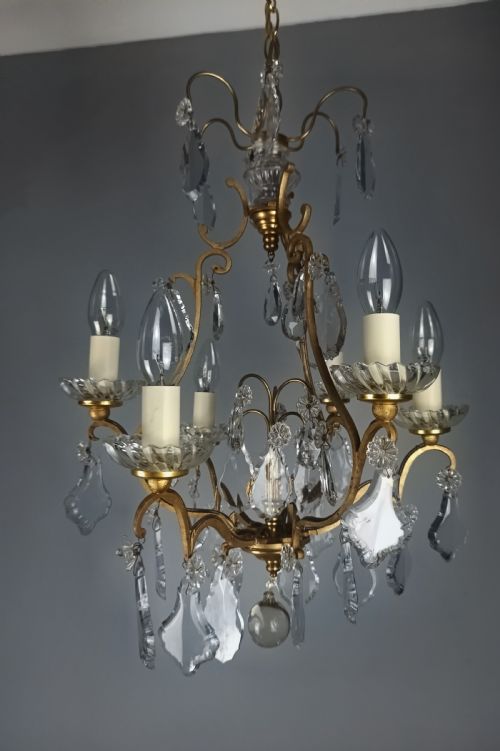
- A chandelier style characterised by a vertical metal frame resembling an aviary structure, decorated with crystal strands. The framework encloses internal light clusters.
Antique Foyer Lighting Fixture: Frequently Asked Questions
Where should an antique hall lantern be hung?
These fixtures are traditionally suspended in entrance halls, corridors, and high-ceilinged vestibules where they provide primary illumination. Their enclosed designs protect the light source while casting light across the surrounding walls.
Ensure adequate ceiling height is available, particularly for larger multi-tiered chandeliers or paired lanterns measuring a metre or more in height.
How do I identify a French antique lantern?
French examples often display characteristic styling such as Louis XVI motifs, gilt bronze mounts, and convex glass panels. Makers in France frequently utilised heavy gilded bronze and elaborate cast detailing.
English variants from the nineteenth century tend towards heavier brass construction, occasionally incorporating Gothic revival details inspired by designers like Pugin.
Are these lighting fixtures rewired for modern use?
Many vintage fixtures are adapted with modern electrical wiring to meet safety standards while retaining their original external metalwork and glass components. Professional rewiring ensures internal lamp holders accommodate standard bulbs.
Buyers should inspect the internal wiring configuration to confirm compatibility with their domestic electrical installation.
What materials are typical for these fixtures?
Common materials include brass, bronze, gilt metal, and crystal glass, often combined within a single fixture. Metal frames support clear, convex, or leaded glass panels designed to shield the internal light source.
Surface finishes range from natural patinated bronze to bright gilt layers applied over brass or bronze bases.