

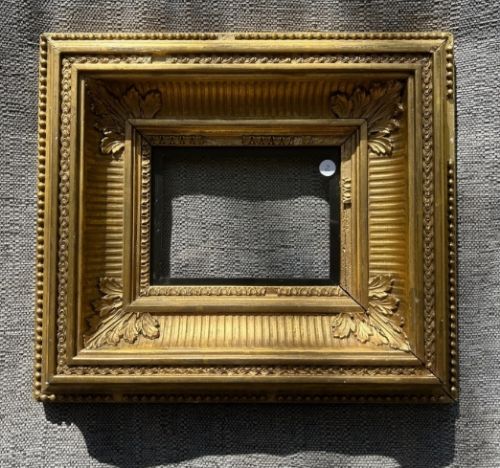
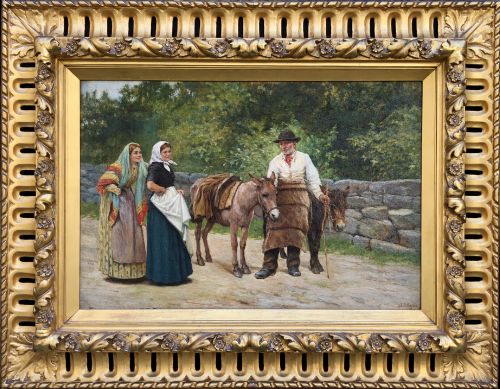
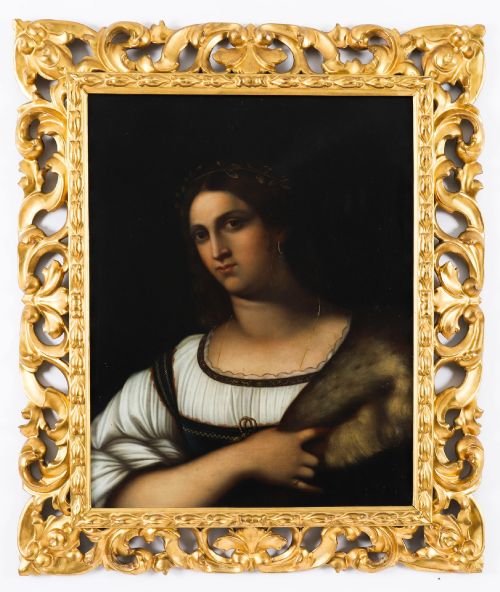
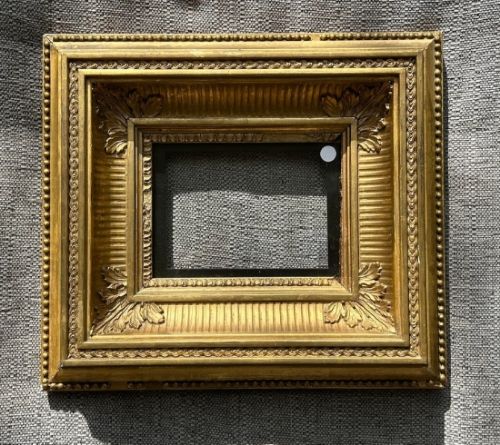


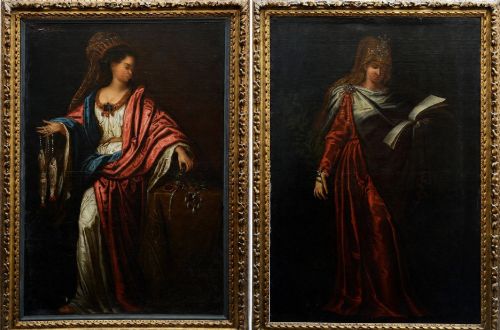
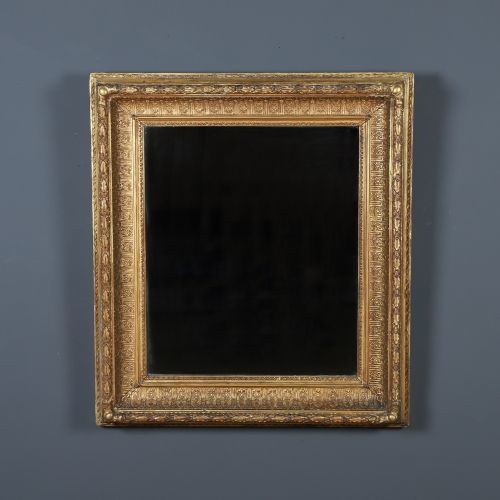
Gold Giltwood Framed Picture
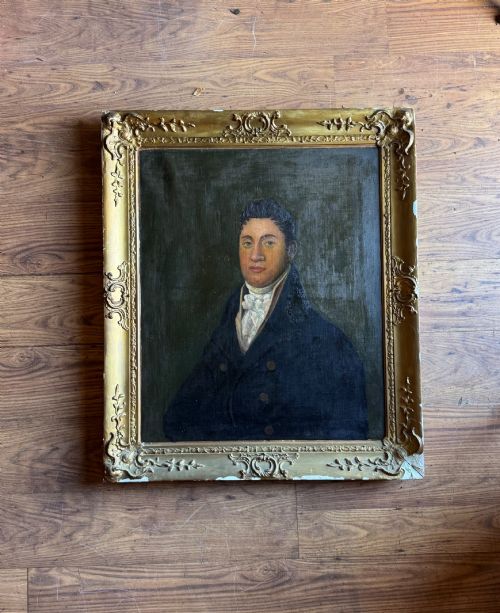
A gold giltwood framed picture brings warmth and depth to a room, uniting period paintings and mirrors within carved, gilded woodwork.
Gold Giltwood Framed Picture
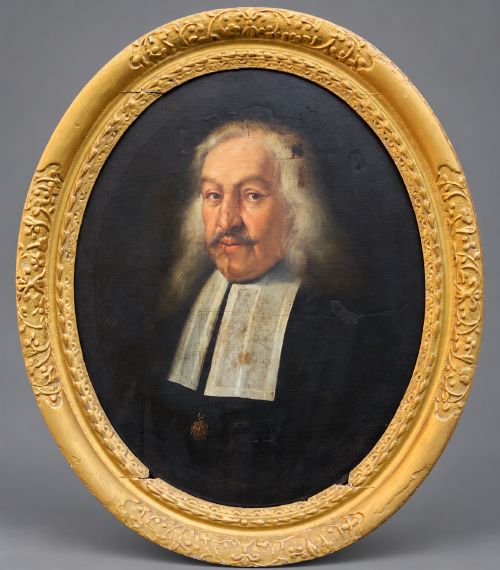
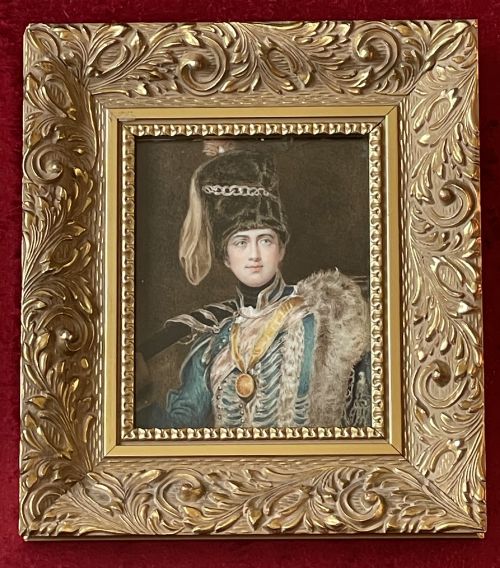
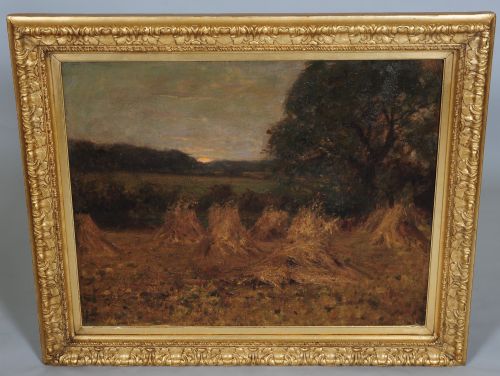
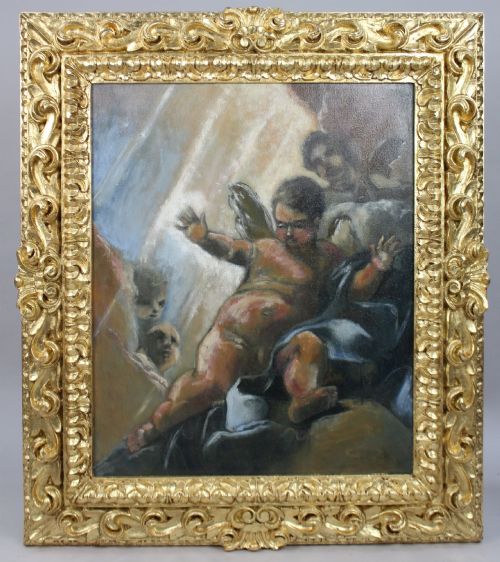
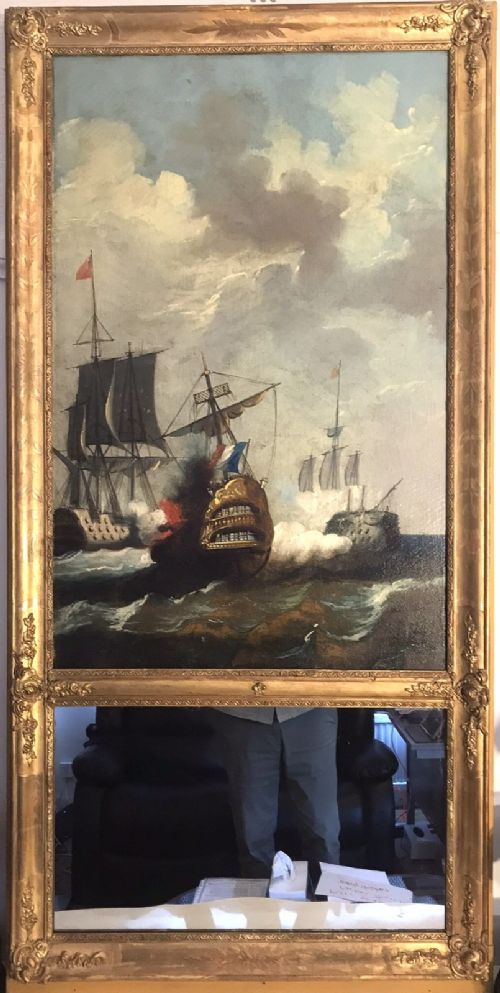
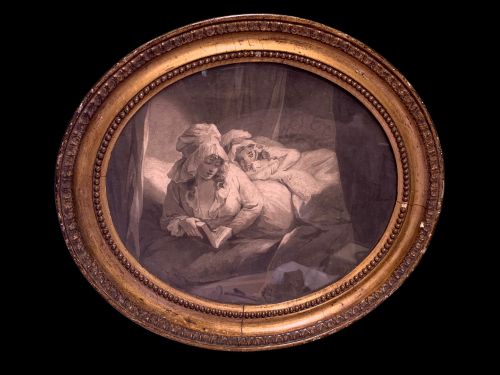
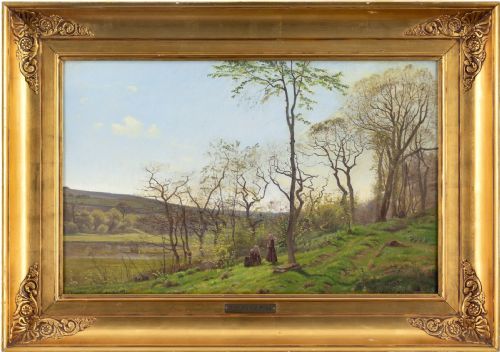
A gold giltwood framed picture encompasses oil paintings, pastels, engravings, and mirrors produced across the seventeenth, eighteenth, and nineteenth centuries. These works range from grand aristocratic portraits and maritime scenes to delicate botanical subjects and French trumeau mirrors.
The version most commonly encountered on this page is the nineteenth-century oil painting or mirror set within a deep, ornate giltwood and gesso frame. Examples span Victorian, Regency, and Georgian periods, showcasing diverse regional schools from English to Florentine.
Buyers also find earlier seventeenth-century portraits and eighteenth-century engravings housed in period surrounds. These objects serve as focal points for traditional interiors, combining historical artwork with decorative framing.
How they were made
Makers constructed the primary structure from timber such as wood, applying layers of gesso to build up intricate decorative reliefs before applying gold leaf. Carvers shaped the wood and gesso by hand to achieve ornate styles like Rococo Revival and Renaissance motifs.
Canvases, panels, and paper received oil paint, pastel, or ink, often protected behind glass. Gilders used thin sheets of gold to cover the prepared surfaces, creating a lustrous finish that caught ambient light in period rooms.
Gold Giltwood Framed Picture Retail Price Guide 2026
Typical asking prices for gold giltwood framed picture among the pieces listed under this phrase on Sellingantiques today, from the lower quarter to the upper quarter. They describe what is for sale here now, not the wider market.
Seventeenth-century aristocrats occasionally required artists to paint them looking stern enough to frighten away uninvited guests.
What varies in quality
The depth and intricacy of the hand-carved gesso work dictate the refinement of the frame, alongside the crispness of the underlying wooden profiles. Finer pieces display deep fluted hollows and sharp botanical or scroll motifs rather than shallow, simplified moulding.
Artistic execution within the composition separates standard decorative items from superior works, particularly in the handling of portraiture, maritime detail, and landscape depth. The harmony between the artwork and its period frame also influences the overall integrity of the piece.
Ernest Rigg·Alfred Walter Bayes·Sir Anthony van Dyck·Walter Heath Williams·Thomas Kent Pelham
The Gold Giltwood Framed Picture Glossary
- Giltwood
- Wood that has been coated with gold leaf or gold paint. This technique provides a durable and reflective metallic surface for frames and furniture.
- Gesso
- A plaster-like mixture applied to wood substrates to create a smooth surface for gilding and deep relief carving. It allows craftsmen to model intricate decorative details.
- Trumeau
- A decorative wall mirror often featuring an oil painting set into the upper panel. These pieces originated in eighteenth-century French interior design.
- Stipple engraving
- A printmaking technique using dots to create tonal gradations and softer shadows than traditional line engraving. It gained popularity for reproducing portraits.
Gold Giltwood Framed Picture: Frequently Asked Questions
How do I clean a giltwood frame?
Dust the gilded surface gently with a very soft, dry brush to remove accumulated particles without disturbing the leaf. Avoid liquid cleaners and commercial polishes, which can strip the gold finish.
Keep the frame away from direct sunlight and damp environments to protect the underlying gesso and wood from cracking or warping over time.
Are these frames original to the paintings?
Many listings pair period artworks with contemporary or later frames that match the aesthetic of the era. Examining the fit at the back helps determine if the artwork has inhabited the frame for generations.
Matching giltwood frames from the same century as the canvas remains a common practice among collectors and dealers.
How do I identify a Victorian frame?
Victorian frames often utilise heavy gesso ornamentation over a timber base, featuring deep profiles and robust floral or scroll motifs. They generally look denser and more elaborate than earlier Georgian examples.
Mouldings from this period frequently employ standardised machine-assisted elements alongside hand-finished details.
Where should I hang a giltwood mirror?
Position the mirror on a principal wall where it can reflect natural light from a window to brighten the surrounding space. Hallways and overmantles serve as traditional placements that showcase the reflective glass and ornate framing.
Ensure the wall fixings can support the substantial weight of the timber and gesso construction.