



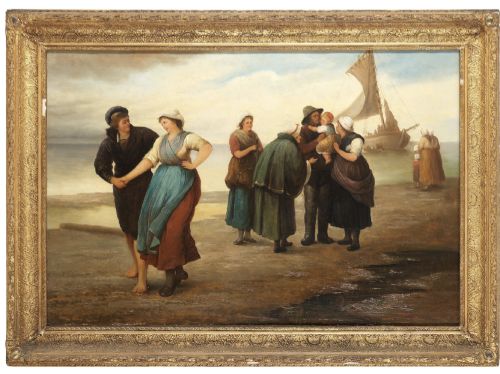




Gold Giltwood Frame Painting
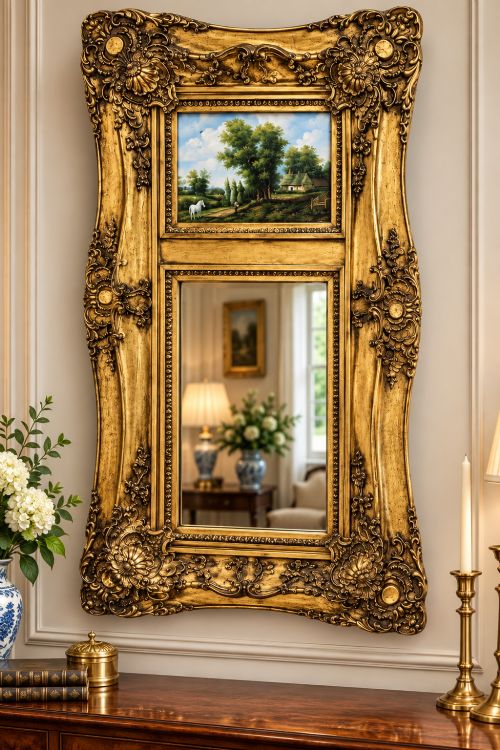
A gold giltwood frame painting brings together fine oil on canvas artistry and elaborate wooden surrounds crafted across the seventeenth, eighteenth, and nineteenth centuries.
Gold Giltwood Frame Painting
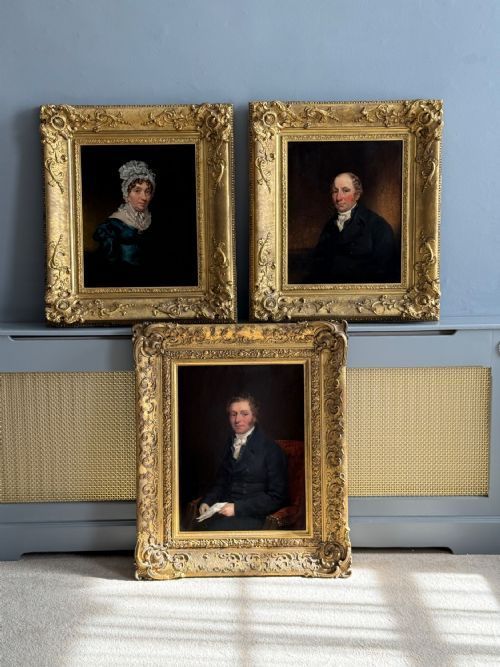
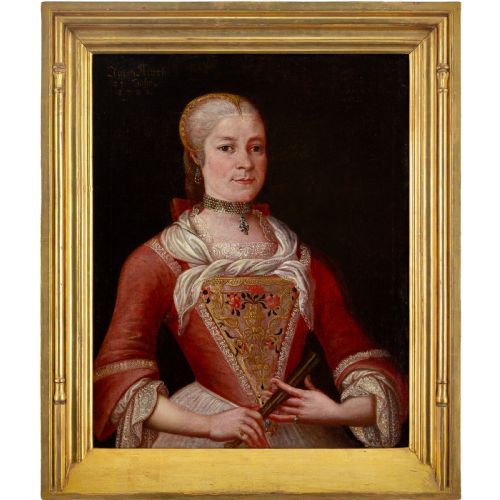
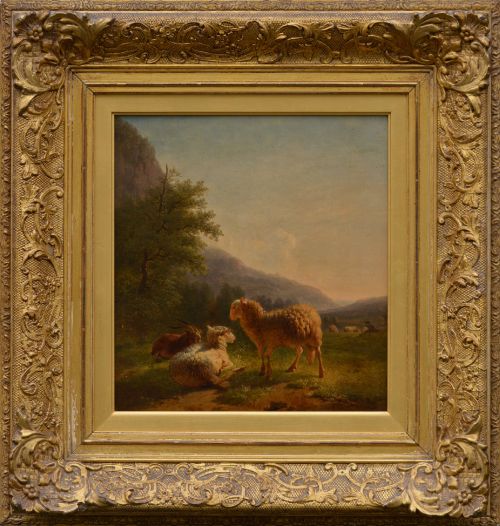
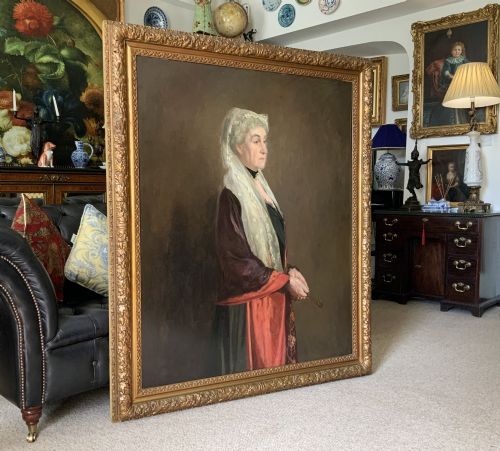
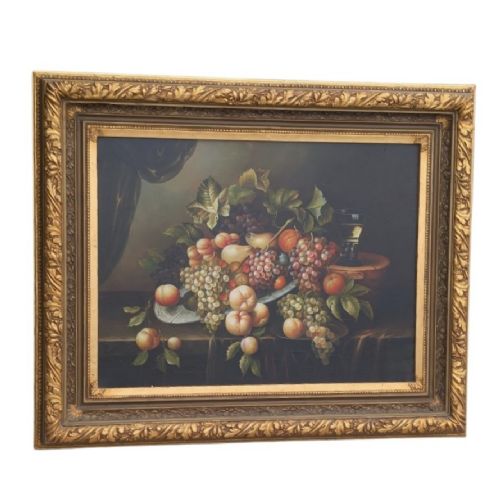
A gold giltwood frame painting comprises historical canvases and portraits enclosed within ornate gilded wooden structures. These pieces range from seventeenth-century royal depictions to nineteenth-century landscapes and French school works.
The most common examples on this page date from the eighteenth and nineteenth centuries, featuring oil on canvas mediums alongside traditional carved timber and gesso housings.
Buyers encounter diverse regional schools, including British, French, and Italian artists, often portraying notable figures, landscapes, or maritime scenes.
Materials and construction
Makers built the structural supports using wood, applying layers of gesso to create smooth surfaces for intricate carving and subsequent gilding with gold leaf.
Artisans painted compositions using oil on canvas, employing durable pigments that survived centuries while retaining depth of colour and detail.
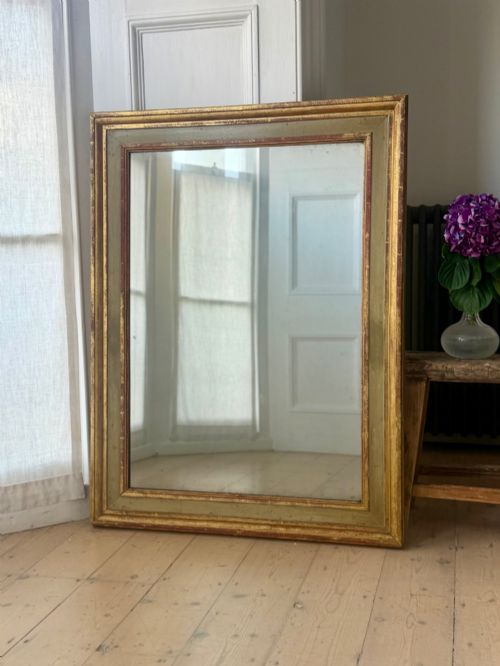
Mirrors and reverse glass prints also incorporate specialised glass components alongside traditional wooden frames.
Several portraits preserve meticulously painted periwigs and lace collars that capture the precise grooming trends of seventeenth-century aristocracy.
Evaluating craftsmanship and condition
Quality rests in the depth and precision of the carved gesso and woodwork, where hand-carved ornamentation outshines simpler moulded decoration.
The preservation of the original gold leaf surface dictates much of the visual impact, alongside the untouched condition of the underlying oil painting.
Artistic skill in portraiture or landscape execution, combined with documented attributions to recognised historical painters, separates standard decorative works from superior examples.
Eugène Verboeckhoven·Jean Baptiste Van Loo·Sir Anthony van Dyck·Thomas Murray·Edouard Pingret·Benjamin Barker Of Bath·Thomas Sidney Cooper·Henry H Parker·Edgar Hunt·Robert Cleminson
The Gold Giltwood Frame Painting Glossary
- Giltwood
- Wood that has been coated with gold leaf or gold paint. This technique provided a bright, luxurious finish for formal interior decoration.
- Gesso
- A plaster mixture applied to wood frames to create a smooth base for carving and gilding. It allowed artisans to fashion elaborate relief patterns.
- Oil on canvas
- Pigments bound in drying oil applied to a stretched cloth support. This medium became the dominant choice for fine art from the Renaissance onward.
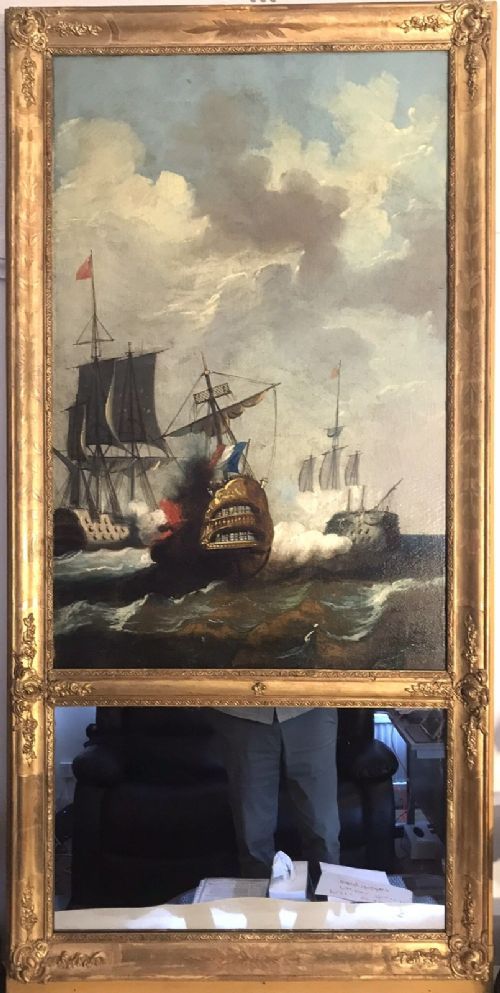
- Trumeau
- A decorative wall mirror featuring an oil painting set into the upper section. These pieces often hung above mantelpieces in period drawing rooms.
- Mercury glass
- Silvered glass produced by pouring a liquid mercury amalgam between double-walled blown glass. This method created a distinctive speckled reflective quality.
Gold Giltwood Frame Painting: Frequently Asked Questions
How do I date a gold giltwood frame painting?
Dating relies on examining the construction methods of the wooden frame, such as the composition of the gesso and the style of the carving. Stylistic clues within the oil painting itself, including costume, hair, and pigments, provide further chronological context.
Comparing the stretcher bars, canvas weave, and any historical inscriptions or labels on the reverse helps narrow down the exact decade of origin.
Where should I hang these framed paintings?
These works suit formal reception rooms, libraries, or above period fireplace mantels where their scale and gilded surfaces command attention. Ensure they avoid direct sunlight and excessive humidity to protect the delicate gold leaf and canvas.
Pairing them with period furniture enhances their historical context within a domestic interior.
Are original frames always matched to the canvas?
Many historical paintings retain their original frames, though some acquired replacement surrounds during later centuries to match changing interior fashions. Examining the fit between the canvas and the rebate helps determine if they have a shared history.
Both contemporaneous and period-appropriate replacement frames contribute to the overall visual presentation.
What subjects are most common?
Portraits of historical figures, officers, and gentlemen dominate the earlier centuries, reflecting the status of the sitters. Landscapes, pastoral scenes, and maritime views gained prominence during the nineteenth century.
Religious subjects and mythological scenes also appear frequently across European schools.