

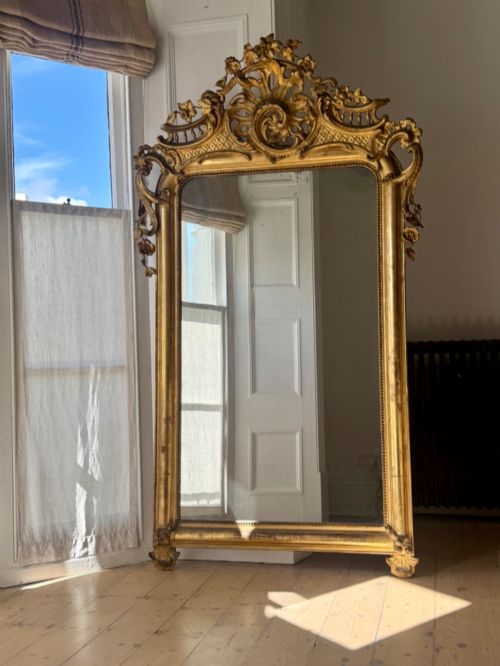
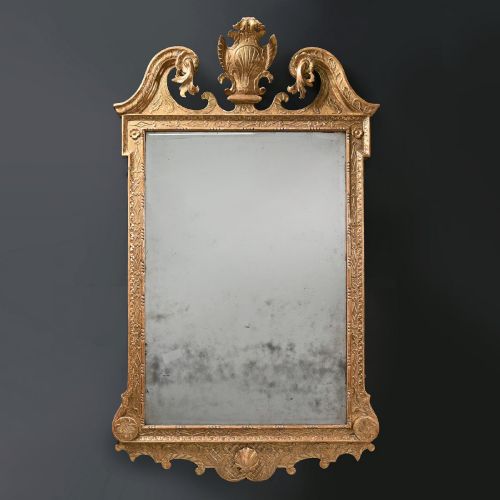
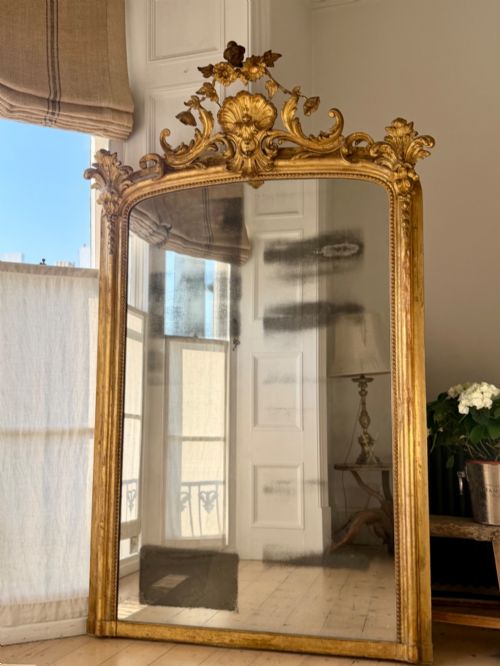
Gold Gilt Pier Glass
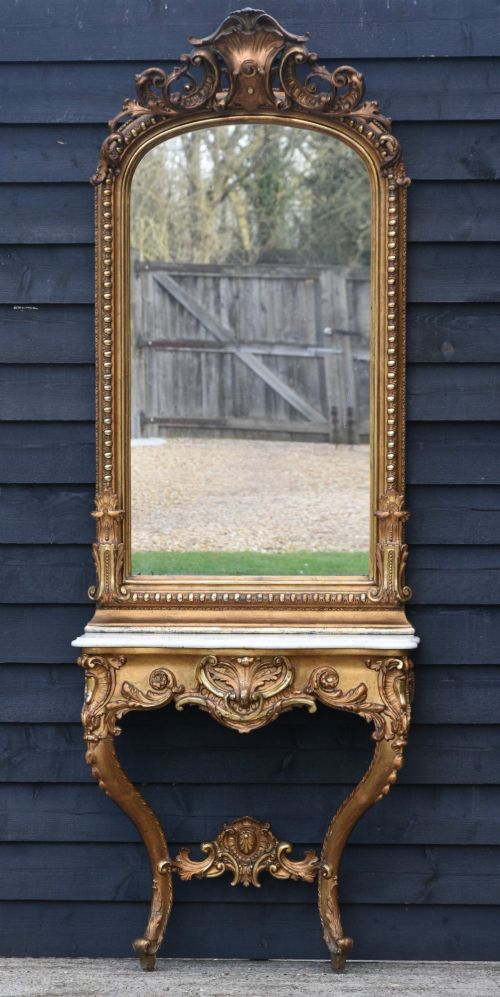
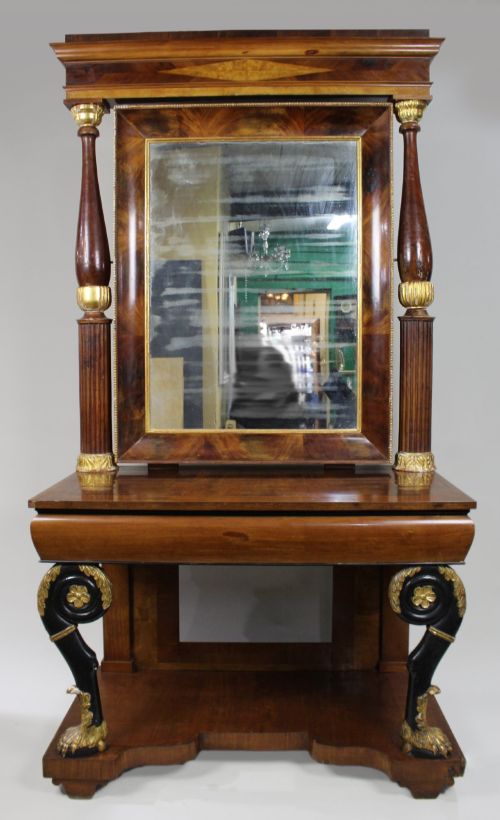
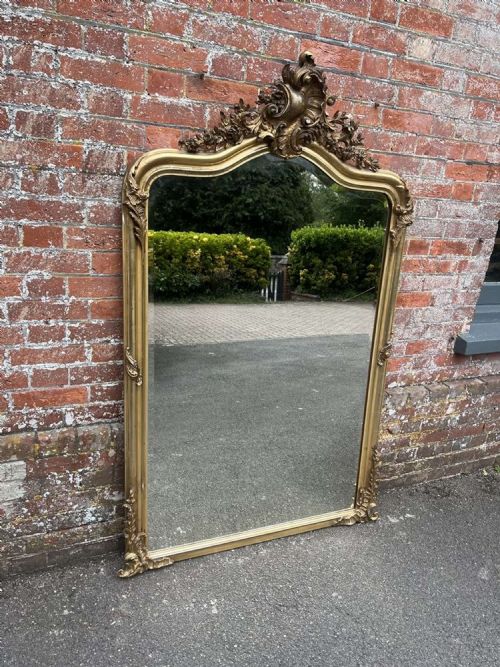
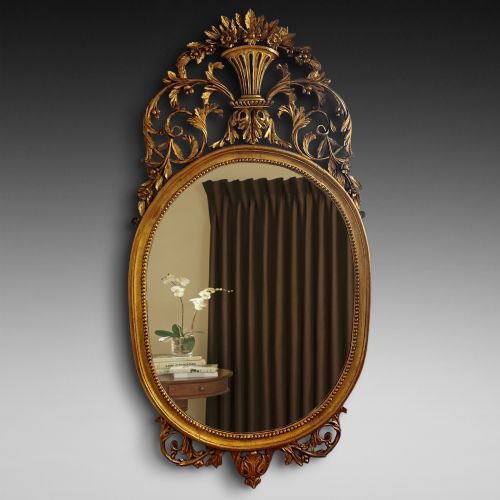
A gold gilt pier glass brings architectural presence and reflected light to a room, historically positioned between windows to brighten darker corners.
Gold Gilt Pier Glass
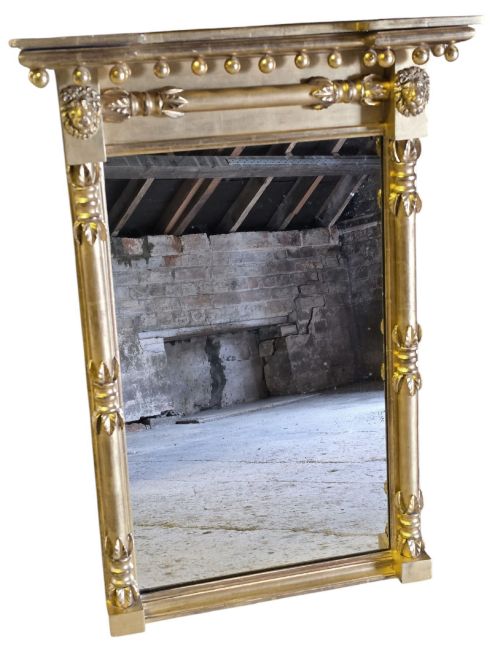
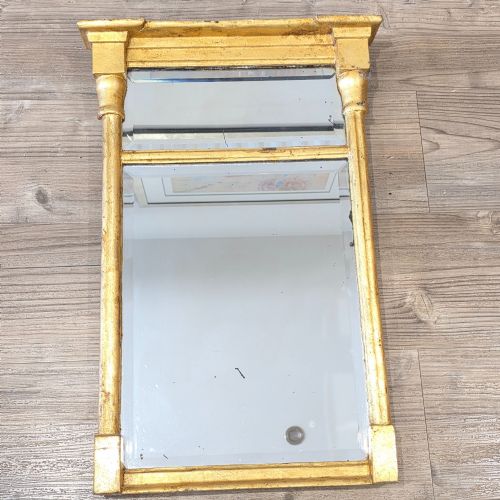
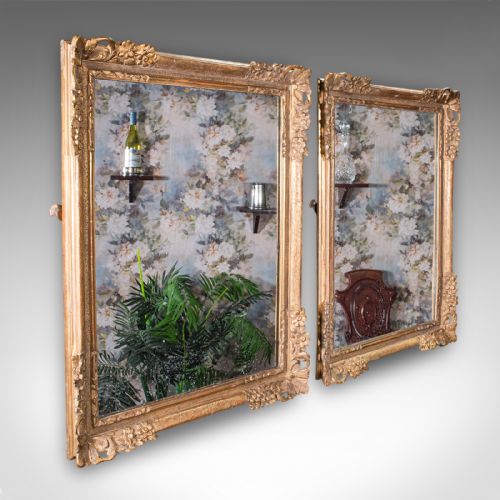
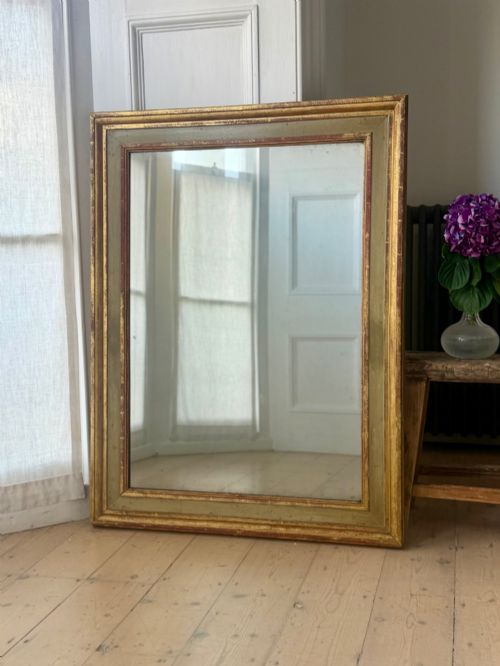
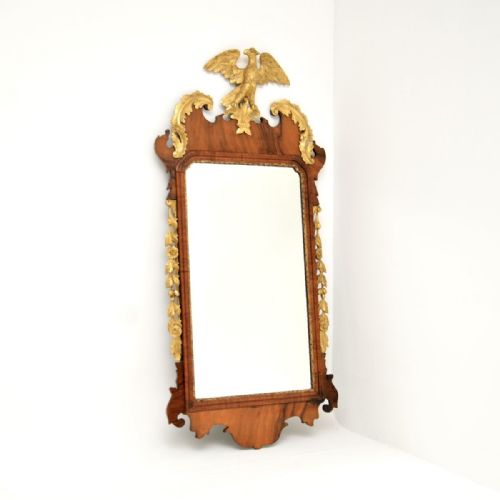
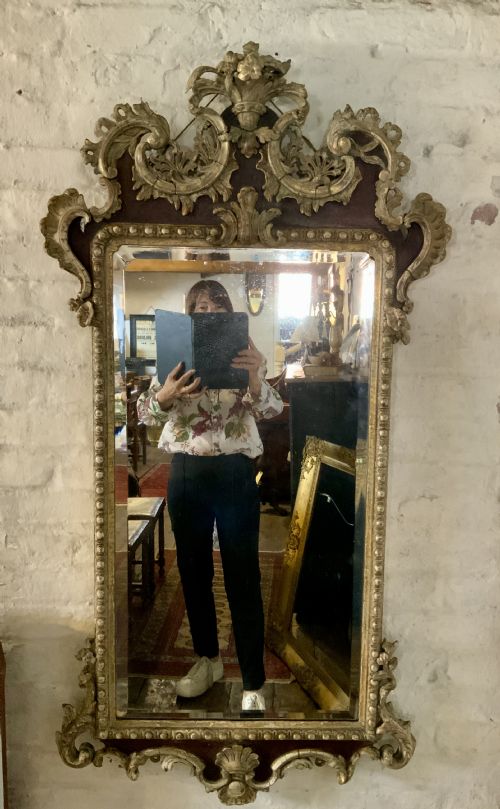
A gold gilt pier glass is a tall wall mirror designed specifically to hang on the narrow wall space between two windows. These pieces emerge across the eighteenth and nineteenth centuries in various regional interpretations including Regency, Georgian, and French neoclassical styles.
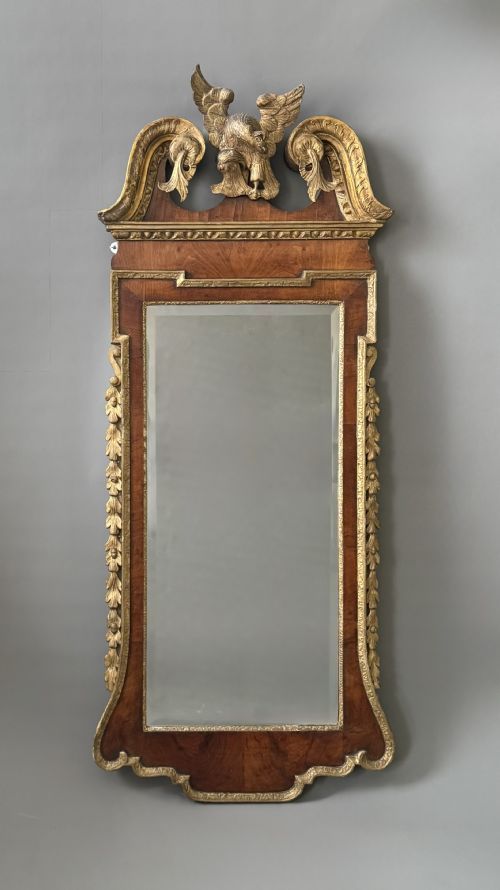
Origin points span English workshops, French chateau pieces, and Italian ateliers, reflecting diverse aesthetic movements from Rococo revival to formal George III designs. These items function primarily as decorative statements that expand visual space through reflected light.
Materials and construction methods
Makers constructed the structural frames using timber foundations of pine, walnut, or mahogany, applied with layers of gesso to create smooth surfaces for carving and gilding. Artisans then laid delicate sheets of gold leaf over the prepared gesso ground, sometimes combining this technique with parcel-gilt details on darker wood grounds.
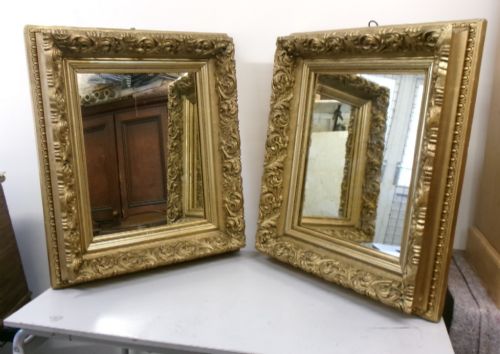
Mirrors utilise historic mirror glass plates, frequently featuring original mercury glass with natural foxing and age spots. Some examples incorporate composition ornament moulded in relief alongside hand-carved wooden elements to achieve intricate surface decoration.
Seagoing galleons painted onto glass panels remind buyers that these mirrors once watched centuries of drawing room conversation.
Distinctions in quality
Quality rests upon the crispness of the hand-carved wooden detail and the depth of the gesso preparation beneath the gold leaf. Pieces with deep, articulate carving and intact original gilding demonstrate superior craftsmanship compared to heavily restored surfaces.
The integrity of the glass plate also determines standard, with original mercury glass plates holding distinct historical value over later replacement mirror glass. Furthermore, harmonious proportions between the frame height and the reflective surface separate standard production from exceptional examples.
The Gold Gilt Pier Glass Glossary
- Pier glass
- A tall mirror designed to hang on the wall space between windows. These mirrors frequently match console tables placed directly below them.
- Giltwood
- Timber carved and coated with gold leaf. This material forms the primary visual character of these decorative frames.
- Gesso
- A plaster mixture applied to wood frames to provide a smooth base for carving and gilding. It allows artisans to shape intricate relief ornamentation.
- Verre eglomise
- A process of cold painting and gilding on the reverse side of glass. This technique creates decorative panels often seen in the upper sections of Regency mirrors.
- Mercury glass
- Historic silvering technique using a mercury amalgam behind the glass plate. This process produces characteristic dark spots and foxing over time.
- Trumeau
- A decorative wall mirror incorporating an oil painting or painted panel within the upper frame. These French pieces combine artwork with reflective glass.
Gold Gilt Pier Glass: Frequently Asked Questions
Where should I hang a pier glass?
These mirrors suit narrow wall sections between windows or above low console tables where they capture and distribute natural light.
Ensure the wall construction supports the considerable weight of heavy carved wood and gesso frames.
How do I identify original mercury glass?
Original mercury glass displays characteristic dark foxing spots, irregular reflections, and subtle cloudiness across the plate.
Modern replacement glass appears uniformly clear and lacks the historic depth found in nineteenth-century plates.
What is the difference between a pier glass and an overmantel mirror?
Pier glasses are built with tall, narrow proportions to fit wall spaces between architectural openings.
Overmantel mirrors are generally wider than they are tall, designed specifically to span the horizontal space above a fireplace mantel.
How do I care for antique giltwood?
Dust the carved surfaces gently with a soft dry brush, avoiding liquid cleaners or chemical polishes that damage delicate gold leaf.
Keep the frame away from direct sunlight and excessive humidity to prevent the gesso foundation from cracking.