
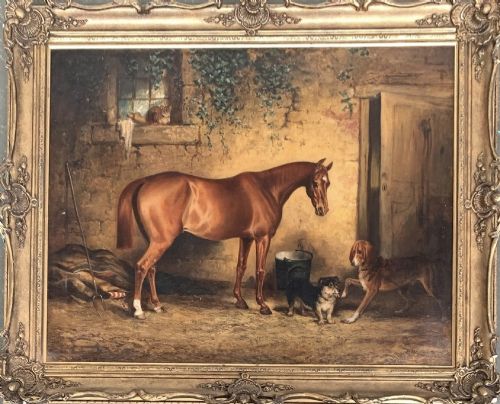
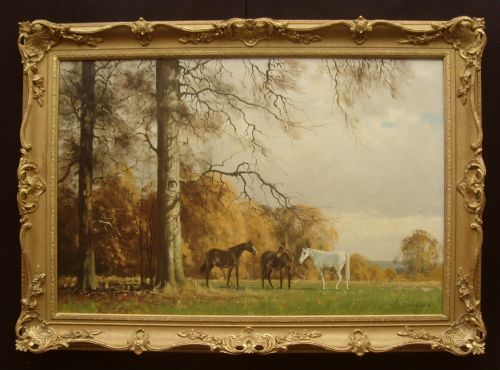
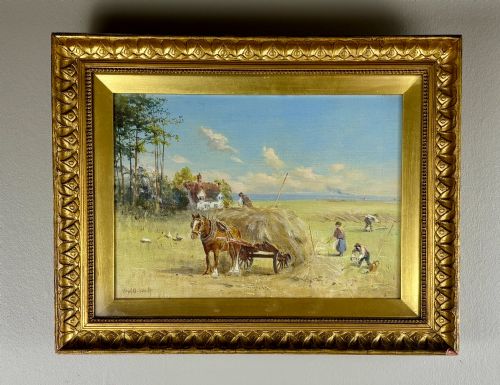
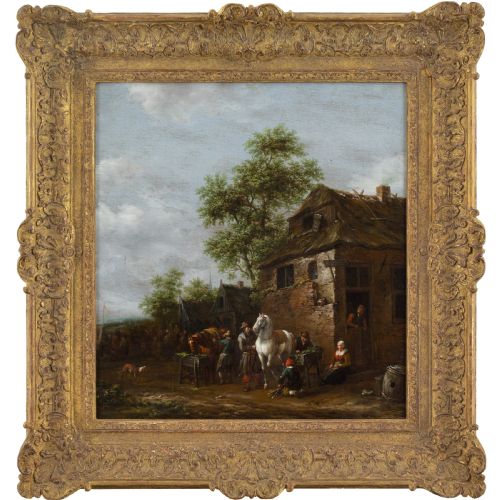
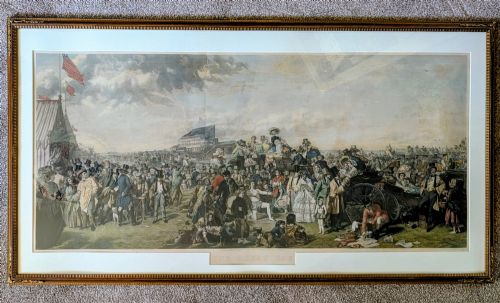
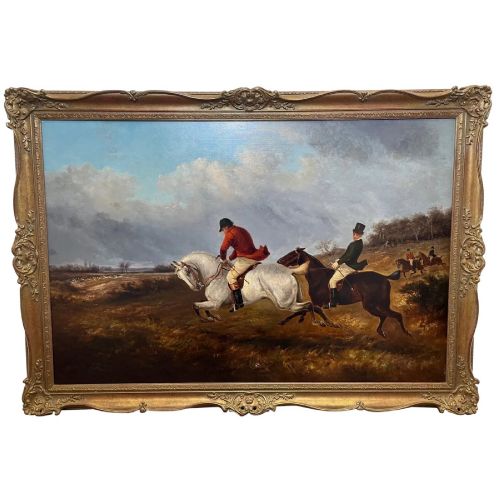
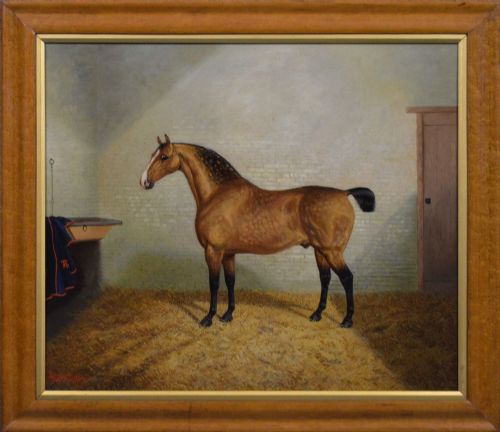
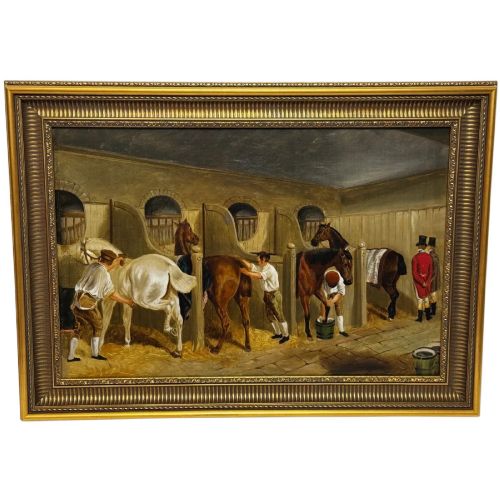
Gold Gilt Horse Painting
A gold gilt horse painting brings the rich tradition of equine portraiture and sporting art into a room.
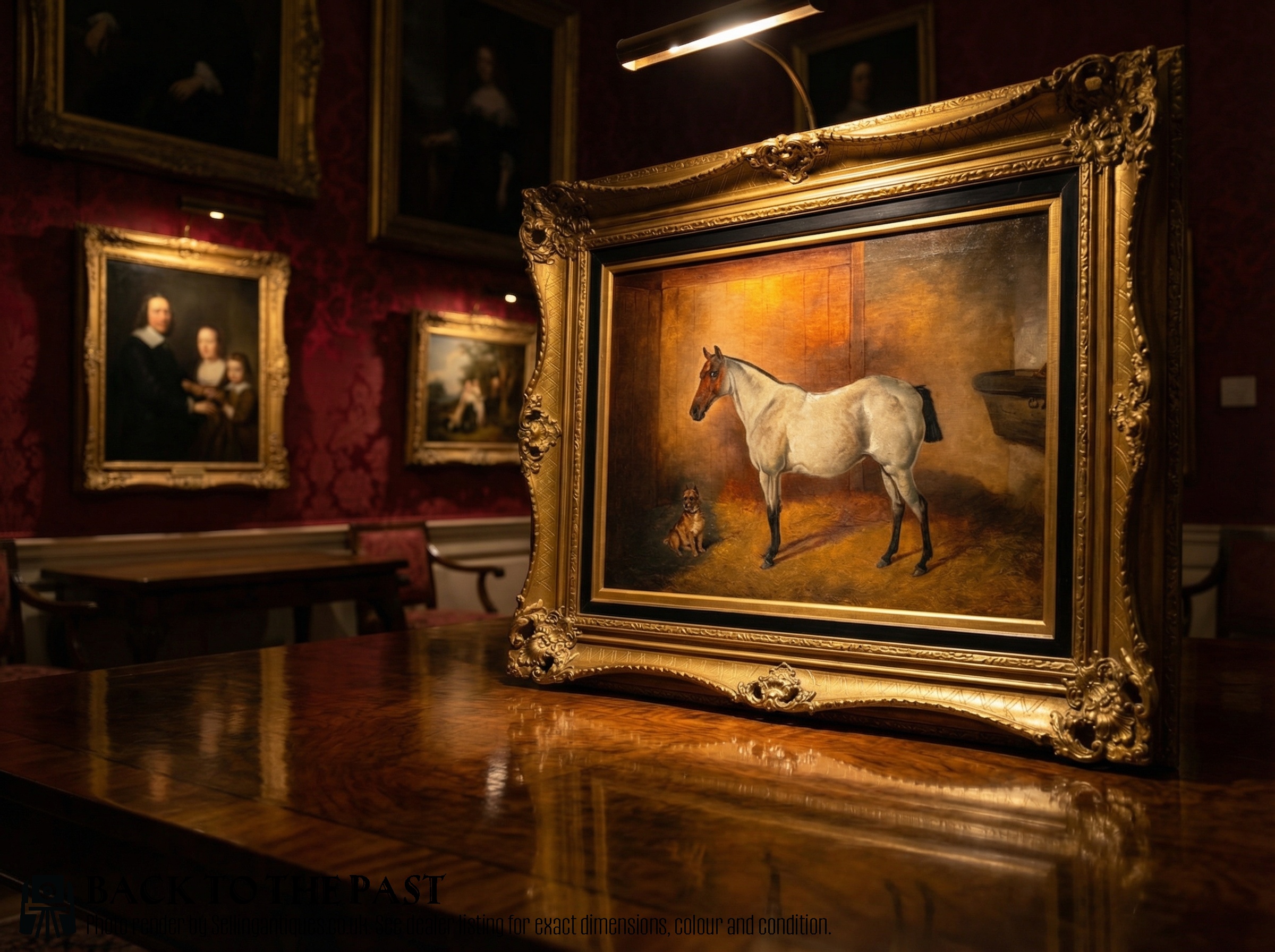
Gold Gilt Horse Painting
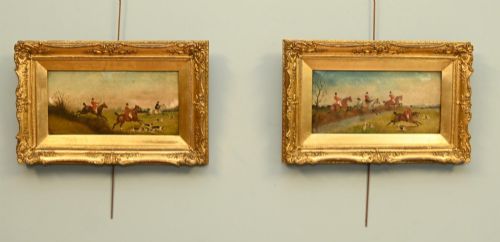
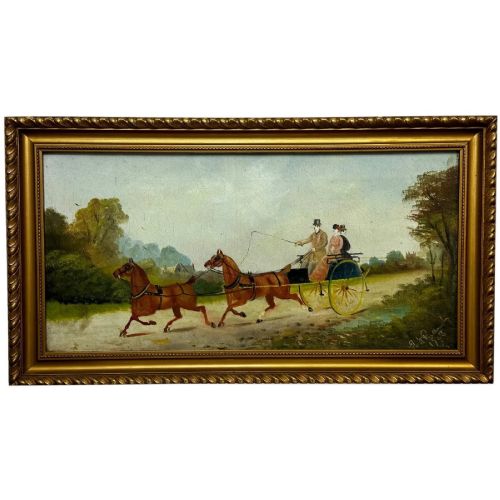
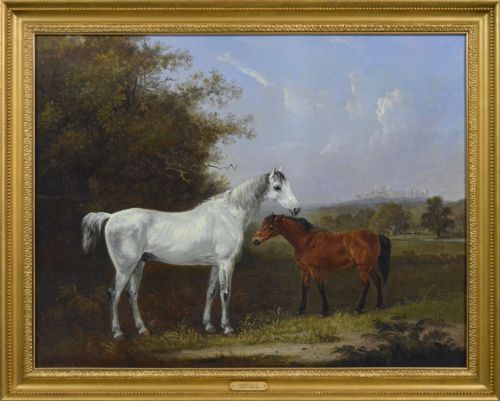
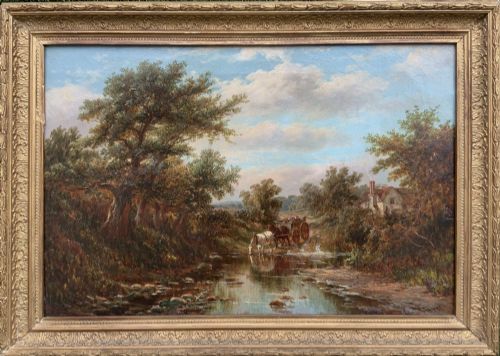
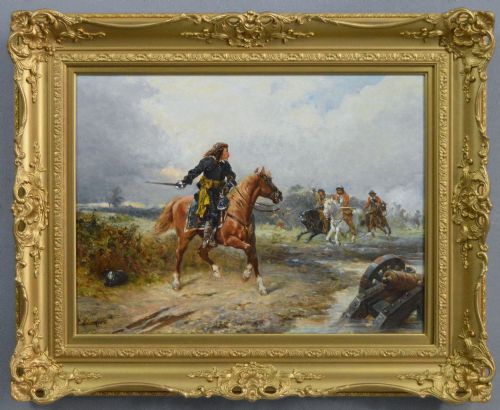
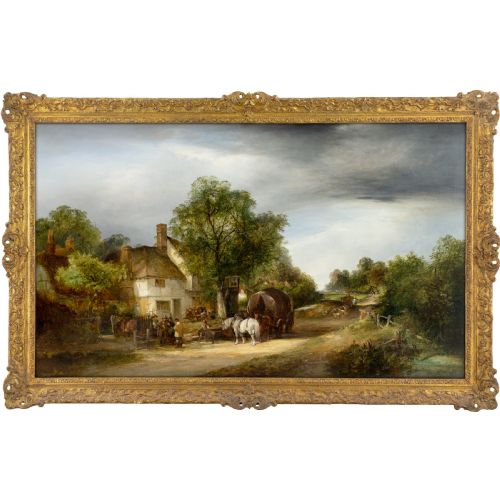
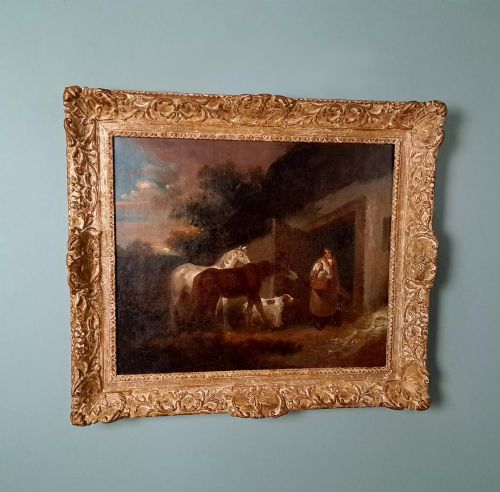
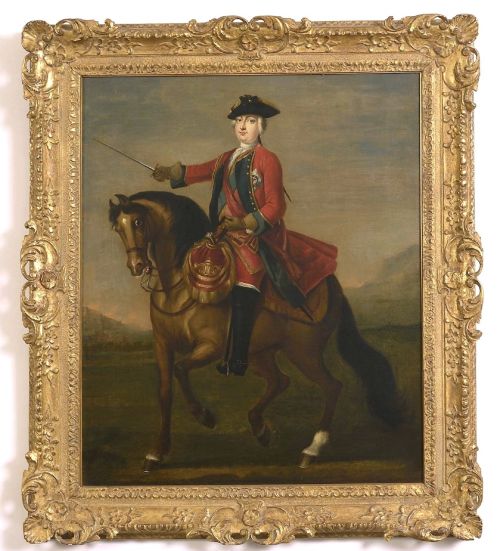
A gold gilt horse painting typically depicts equines in Victorian sporting art, traditional country scenes, and 19th-century British pastoral settings. These works range from detailed portraits of named racehorses and hunters to coaching scenes and farmyard views framed in gilt wood.
The pieces available on this page span several eras, with a strong representation of Victorian equestrian art alongside Georgian, Edwardian, and mid-century examples. Buyers encounter everything from individual horse portraits in stables to dramatic hunting scenes and rural landscapes involving horses.
Subjects include specific animals like racehorses and royal thoroughbreds, alongside broader depictions of coaching, ploughing, and hunting. The defining visual element uniting these works is the presence of oil paint on canvas or paper housed within a gilded frame.
Materials and techniques
Framing techniques involve applying gold leaf or gilt finishes to wood mouldings, often featuring ornate surface ornamentation that complements the equestrian subject matter within.
Listings feature oil paintings on canvas and watercolours on paper, housed primarily in gilt wood frames from the 18th, 19th, and 20th centuries.
Factors determining quality
Quality rests upon the skill of the artist in capturing the anatomical precision, muscular structure, and individual character of the horse. Works by documented painters command attention for their confident brushwork and accurate proportions.
The condition and craftsmanship of the gilt wood frame also contribute significantly to the overall piece. Frames that retain their original gilding and match the period of the artwork elevate the presentation.
William Joseph Shayer Senior·Thomas Smythe·Albert Clark·Abraham Cooper RA·Fred Fitzpatrick·Vernon DeBeauvoir Ward·John Alfred Wheeler·Philip Rideout·George Wright·John Frederick Herring Jnr·Samuel Spode
The Gold Gilt Horse Painting Glossary
- Giltwood
- Wood that has been treated with a thin layer of gold leaf or gilt paste. This finish provides a bright, reflective border to traditional oil paintings.
- Equine art
- Artwork that focuses primarily on horses as the central subject. This category includes racing portraits, hunting scenes, and stable studies.
- Sporting art
- A genre of painting dedicated to rural sports such as hunting, shooting, and horse racing. These works often record specific events and notable animals.
- Oil on canvas
- A painting medium where pigments are suspended in a drying oil and applied to a woven fabric surface. This combination allows for rich colour depth and textured brushwork.
Gold Gilt Horse Painting: Frequently Asked Questions
What periods do these paintings come from?
The selection includes pieces spanning from the 18th century through to the mid-20th century. Victorian and 19th-century works form a large portion of the available selection.
Earlier Georgian pieces and later Edwardian examples also appear, reflecting the enduring popularity of equestrian subjects among artists over multiple centuries.
How were these paintings originally displayed?
Equine art was traditionally commissioned by landowners, nobility, and racing enthusiasts to adorn country houses and estate drawing rooms. These works celebrated prized possessions, successful racehorses, and favourite hunting moments.
Framed in prominent gilt wood, they were designed to project status and a deep connection to rural sporting traditions.
How do I identify the subject of a horse painting?
Many equine portraits record the names of specific racehorses, hunters, or estate animals directly within the composition or on associated labels. Details such as jockey colours, specific racing cups, or named stables offer clues to the identity of the animal.
Sporting scenes often reference particular hunts, locations, or historical events involving horses and riders.
How should I care for a gilt wood frame?
Gilt wood frames require gentle handling to preserve the delicate gold leaf finish. Dusting should be performed softly with a dry, lint-free cloth without applying chemical cleaning products.
Keeping the artwork away from direct sunlight and excessive humidity helps protect both the canvas and the gilded wooden moulding.