
Gold Gilt French Clock
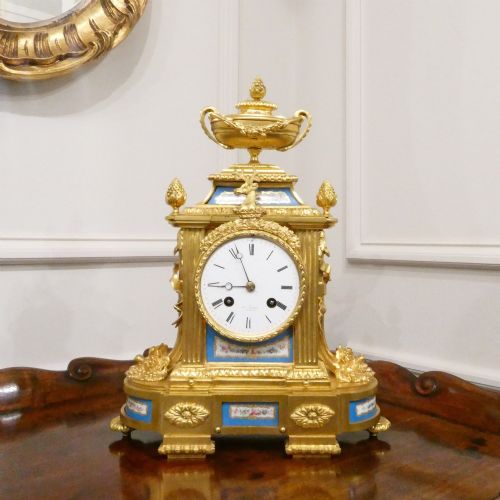
These gold gilt french clock pieces combine brass, ormolu, and porcelain to bring decorative brilliance and precise timekeeping into a room.
Gold Gilt French Clock
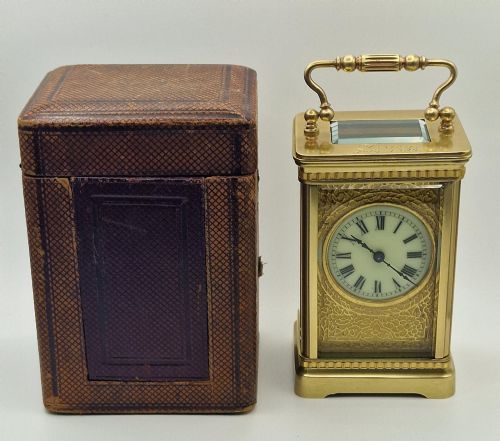
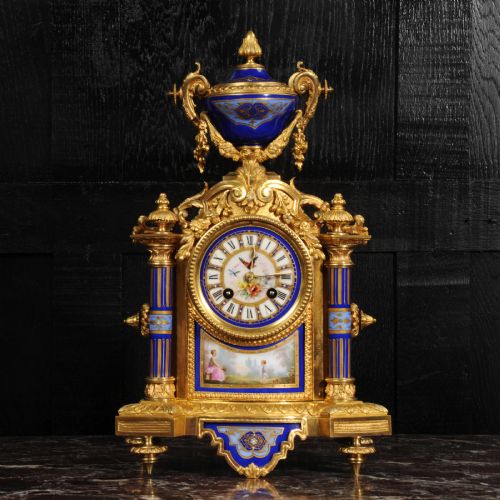
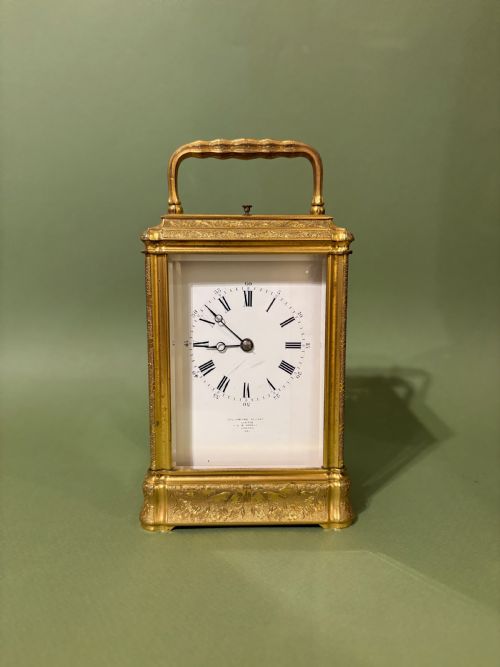
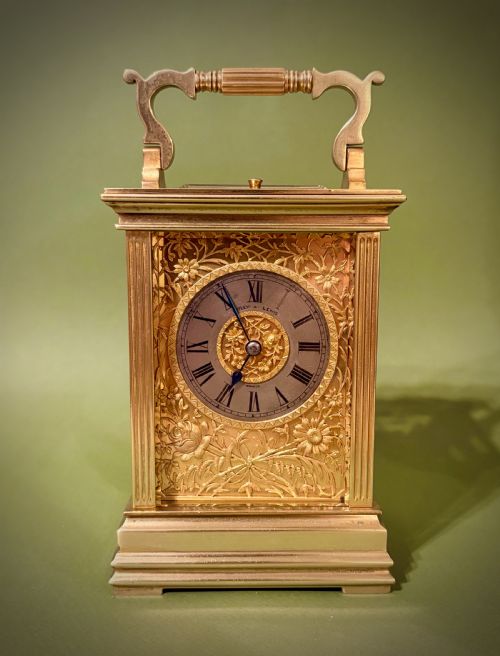
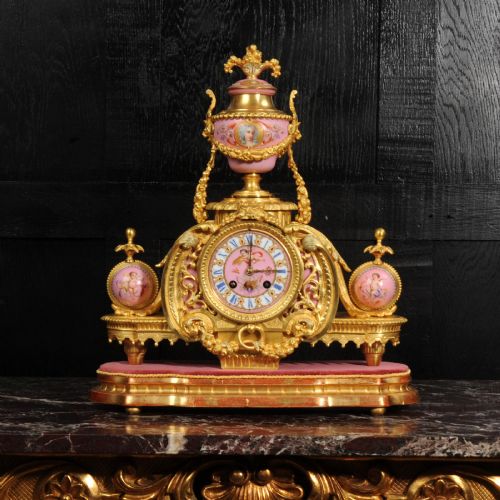
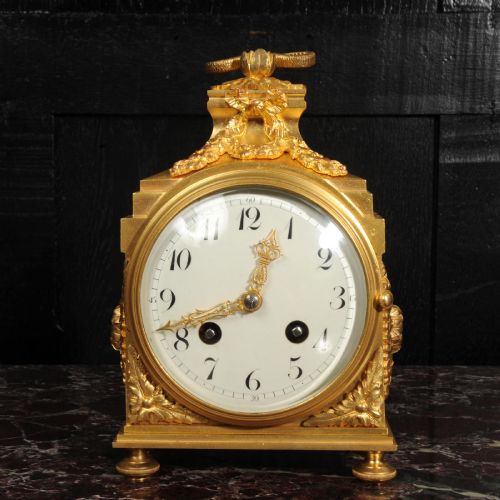
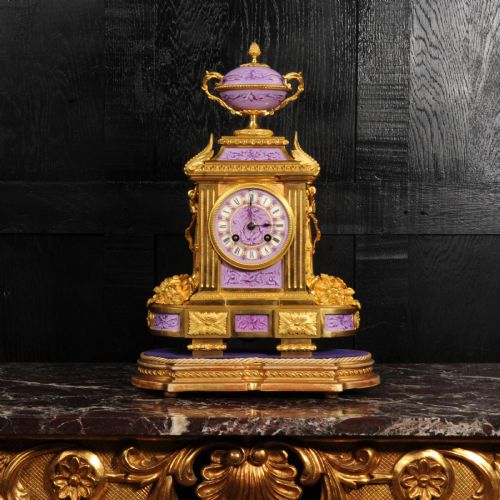
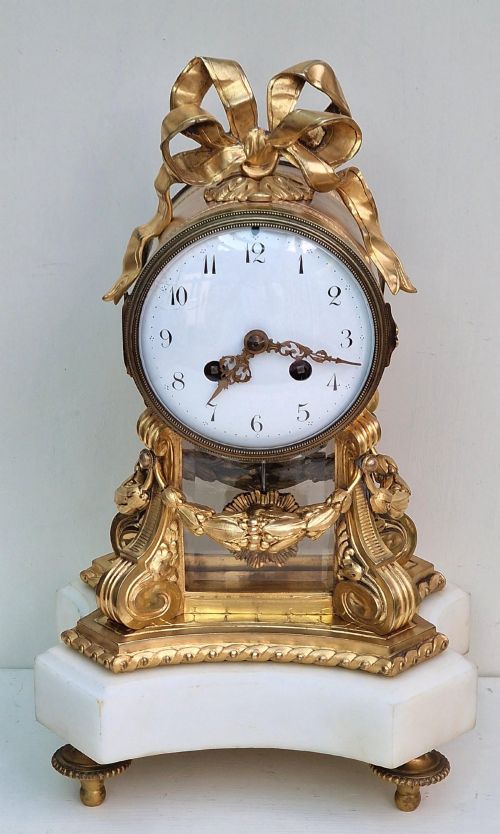
When you search for a gold gilt french clock, you encounter a range of nineteenth century horology that spans from intricate carriage timepieces to substantial mantel ornaments. The most common examples on this page are mantel clocks and carriage clocks dating between eighteen fifty and nineteen hundred.
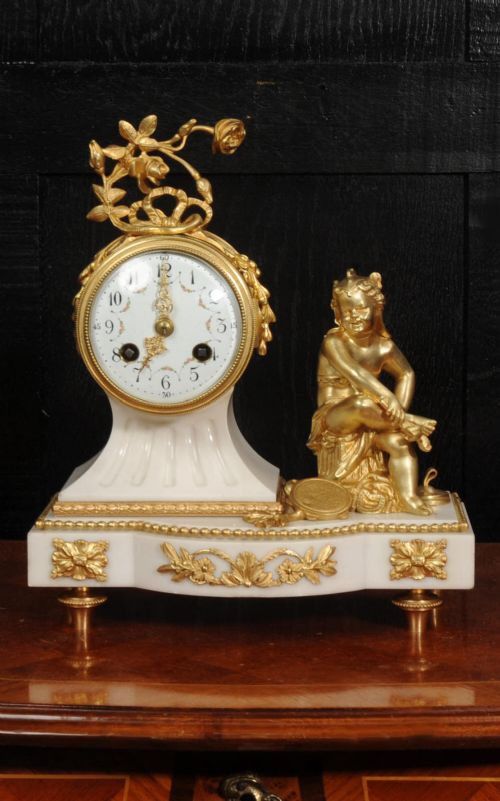
Makers housed these movements in cases shaped by French Rococo Revival, Louis XVI style, and French Empire aesthetics. Materials such as white marble and gilt bronze frequently frame porcelain panels and glazed viewing windows.
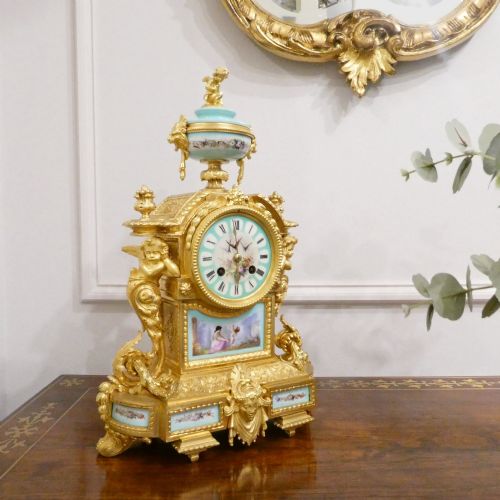
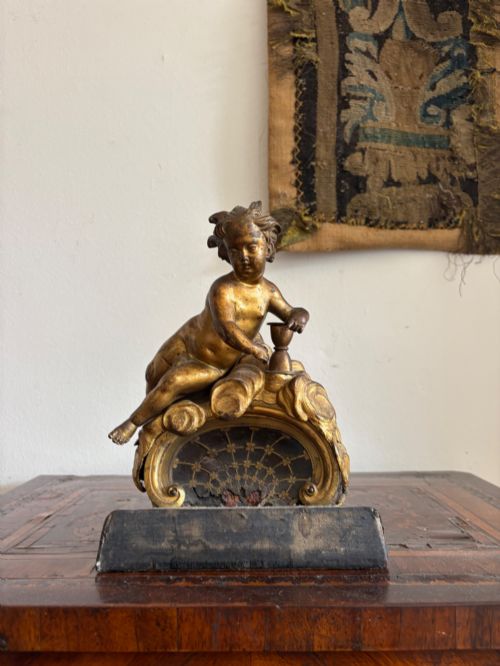
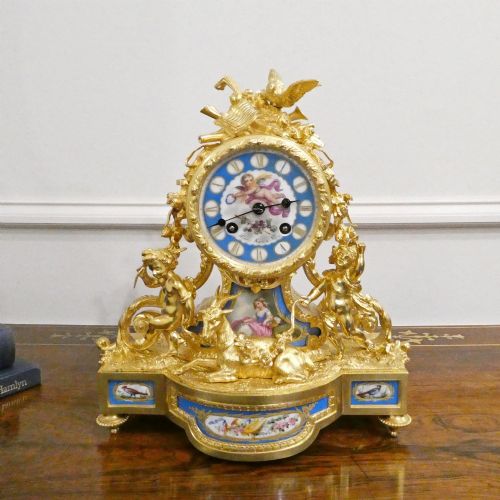
The selection also includes decorative mounts, wall clocks, and architectural ormolu cases featuring figural subjects like putti or mythological scenes. These objects reflect the decorative ambitions of nineteenth century French workshops and major makers.
How they were made
Casework relies heavily on cast bronze and brass finished with mercury gilding or modern electroplating to create the characteristic gold surface. Ormolu elements are often chased by hand after casting to sharpen the floral and foliate details.
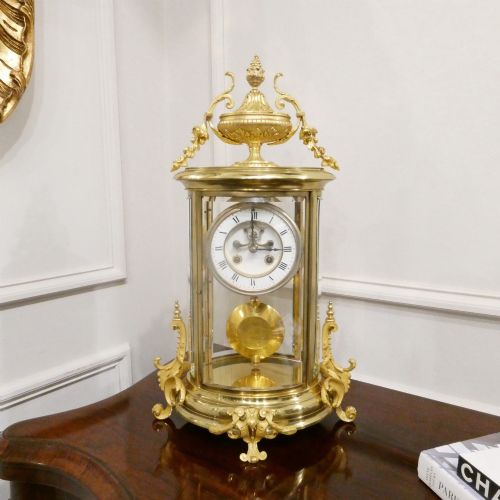
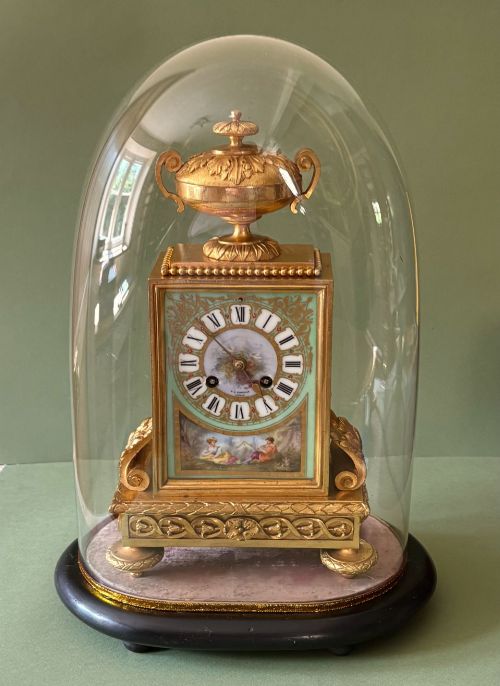
Dials and inset panels frequently employ painted porcelain, including Sevres style plaques decorated with figures or cobalt blue grounds. Enamel chapters on metal dials display the numerals, protected behind bevelled glass panes fitted into brass or gilt bronze frames.
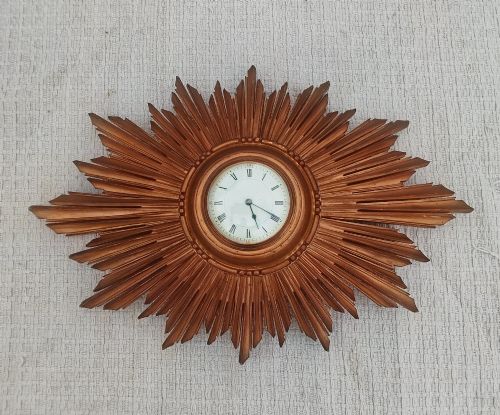
Elephant forms and star burst frames occasionally stand guard among the traditional mantel and carriage clocks.
What varies in quality
The refinement of the casting and subsequent hand-chasing separates standard production pieces from exceptional works by known makers. Crisp definition in the acanthus leaves, drapery, and figural mounts indicates superior skill in the foundry.
The complexity of the movement also dictates standing, with repeating mechanisms, bell strikes, and carriage designs requiring greater horological expertise. Furthermore, the preservation of original gilding and undamaged porcelain panels determines the overall integrity of the piece.
Japy Freres·Henri Jacot·Achille Brocot·Henry Marc·Samuel Marti·Henry Dasson·Etienne Lenoir
The Gold Gilt French Clock Glossary
- Ormolu
- Gilded bronze produced by applying a mercury and gold amalgam to a bronze casting and heating it. This technique creates a durable, warm golden finish seen on many nineteenth century French clock cases.
- Carriage clock
- A portable spring-driven timepiece designed for travel during the nineteenth century. These clocks usually feature glass panels and a folding handle on top.
- Sevres
- Porcelain produced by the royal French manufactory, recognisable by painted pastoral scenes and rich coloured grounds. Such porcelain is frequently mounted onto the front of mantel clocks.
- Pendule d'Officier
- A compact French military or officer clock style from the late eighteenth and nineteenth centuries. They often feature robust movements housed in architectural bronze cases.
- Repeater
- A clock mechanism that chimes the hours and quarters upon pressing a button or pendant. This complication allowed owners to check the time in the dark.
Gold Gilt French Clock: Frequently Asked Questions
How do I wind a French carriage clock?
Most carriage clocks use a double-ended key to wind both the time train and the strike train through arbors located on the backplate. Turn the key gently until you feel resistance, taking care not to overwind the mainspring.
Ensure you handle the clock by its solid case rather than the folding handle when moving it for winding. Keeping the clock level on its shelf ensures the balance wheel beats evenly.
What is the difference between ormolu and gilt brass?
Ormolu is mercury-gilded bronze that exhibits a deep, warm metallic lustre due to the heavy application of gold amalgamation. It is typically found on higher quality nineteenth century French clock cases.
Gilts brass or gilt bronze relies on a thinner metallic coating applied to a brass base. Brass is generally lighter in weight and shows a brighter, yellower tone compared to chased ormolu.
Where should I place a marble and bronze mantel clock?
Position the clock on a stable, level surface away from direct sunlight and heat sources that could dry out clock oils or damage the marble. Heavy bronze and marble pieces require a strong mantelpiece or console table.
Keep the clock away from damp exterior walls to prevent oxidation on the brass and gilt surfaces. A secure foundation ensures the pendulum swings without striking the back of the case.