


Gold Gilt Frame Art
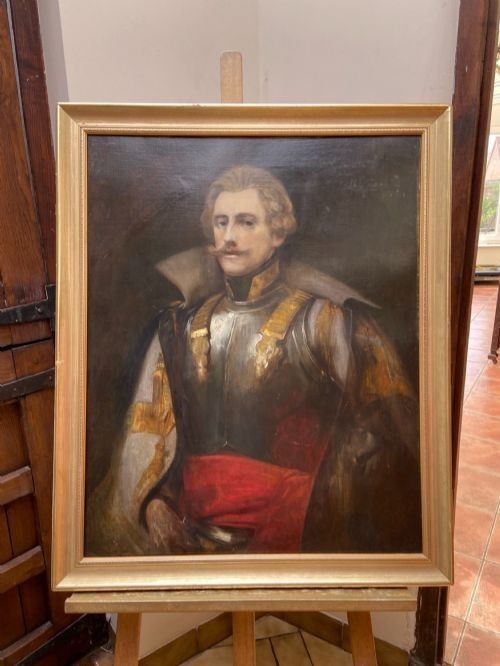
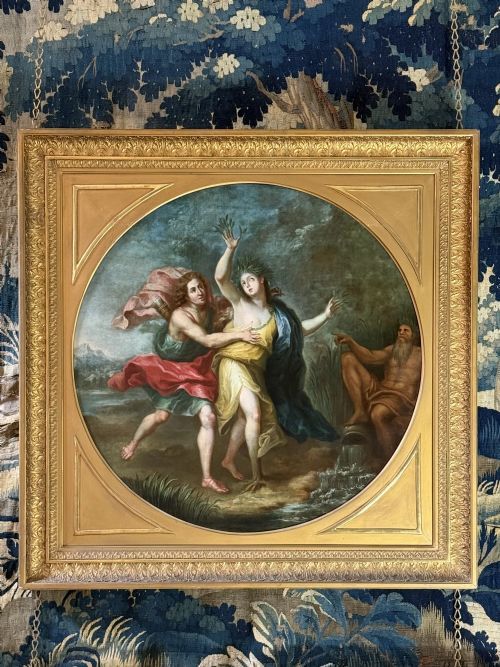
Gold gilt frame art encompasses centuries of painted portraits, seascapes and mirrors enclosed within ornate gilded surrounds designed to catch the light.
Gold Gilt Frame Art
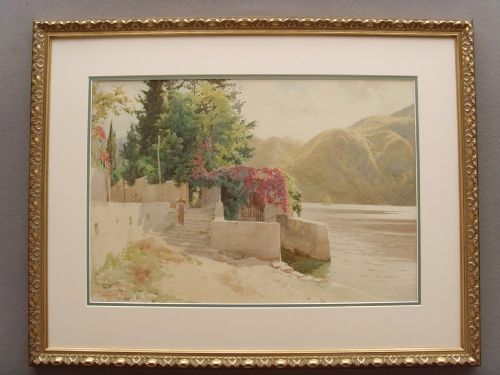
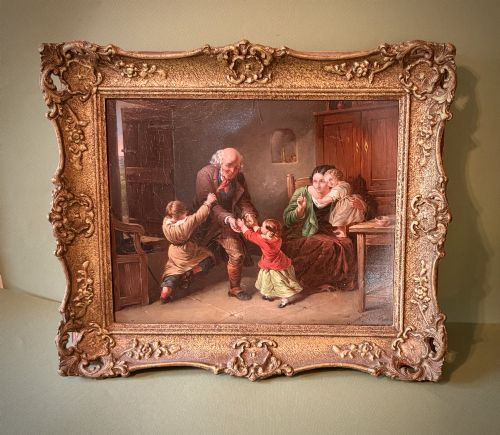
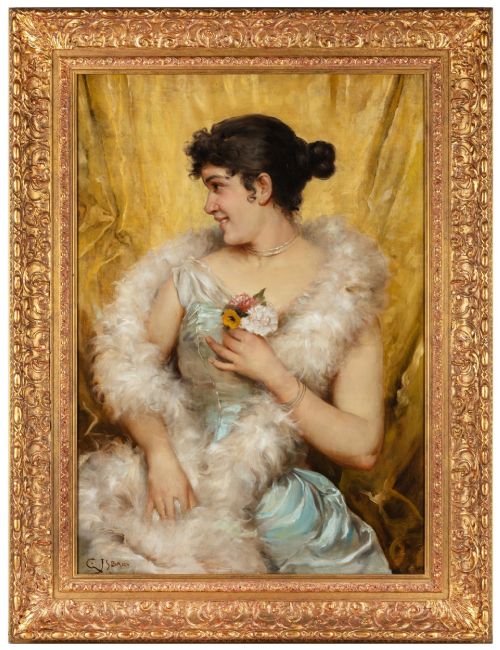
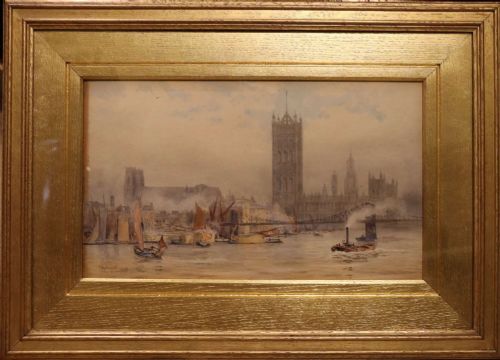
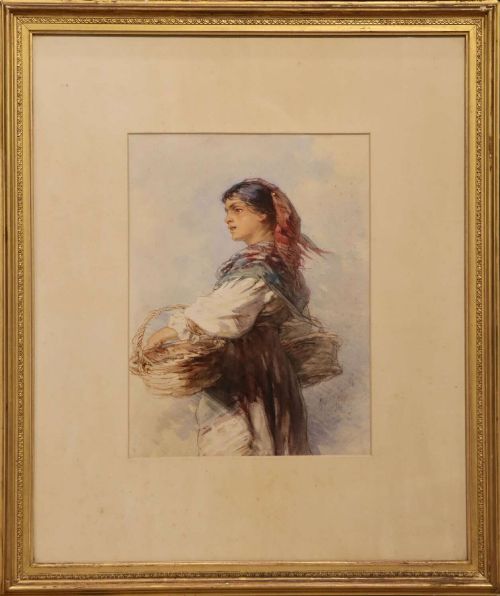
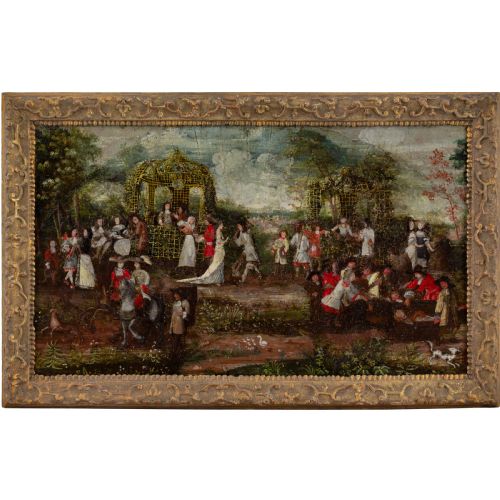
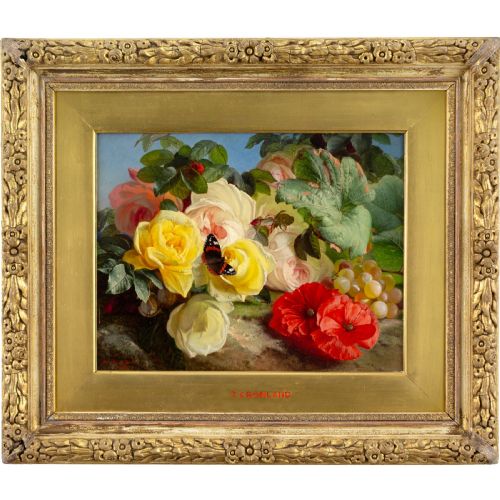
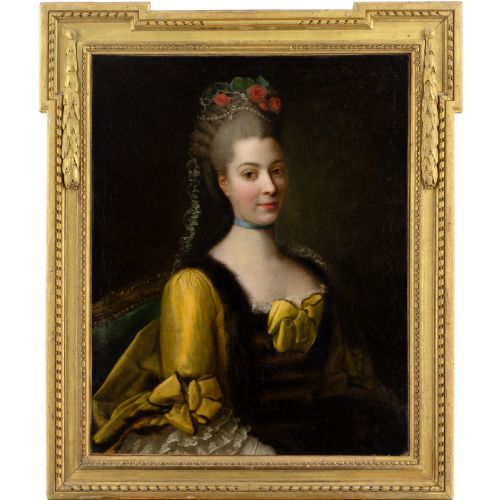
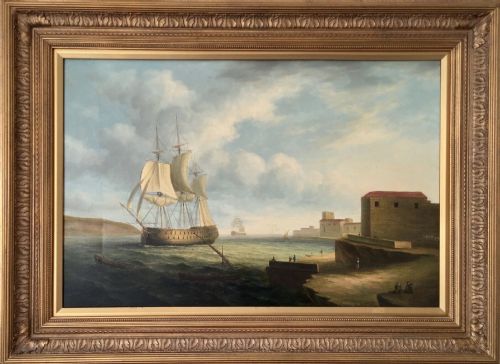
When buyers search for gold gilt frame art, they encounter a diverse selection of oil paintings, watercolours and trumeau mirrors originating from the seventeenth century through to the mid-twentieth century. The surviving pieces span domestic portraiture, classical mythology, landscapes and still life, reflecting the aesthetic preferences of various historical periods including the Georgian and Victorian eras.
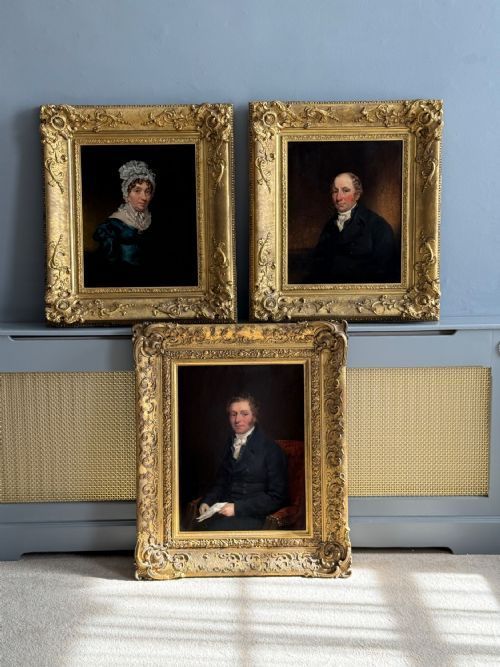
The most common items on this page are eighteenth and nineteenth-century oil paintings on canvas or panel, frequently housed in their original or period-matched gilded wooden frames. These works range from grand aristocratic portraits attributed to known schools and circles to charming naïve depictions and architectural studies.
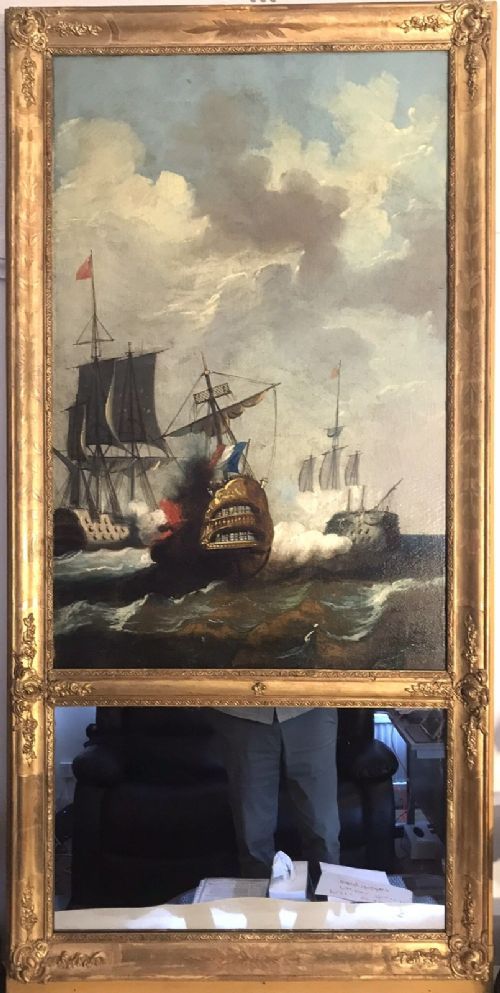
Beyond standard canvas paintings, the selection includes specialised decorative forms such as French trumeau mirrors incorporating integrated seascapes, pastel drawings on paper, and detailed engravings. Each piece demonstrates how historical artists and framers worked in tandem to create cohesive decorative statements.
How They Were Made
The physical objects combine traditional woodworking with precise finishing techniques, relying principally on solid wood, gesso, and applied gold leaf to construct the distinctive frames. Artisans carved wooden mouldings by hand before applying layers of chalk or gesso to create a smooth base for gilding.
Paintings within these surrounds utilised oil paint or water-based media applied to stretched canvas, wooden panels, or heavy paper supports. Artists built up compositions using layered pigments, while framers secured the finished artwork with traditional backing boards and protective glazing where appropriate.
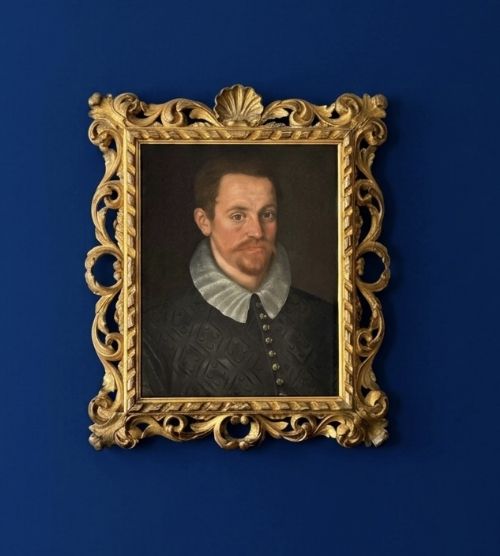
Several portraits preserve the intense gazes of historical gentlemen who wore elaborate embroidered doublets and stiff white ruffs into battle.
What Varies in Quality
Quality in these pieces depends heavily on the finesse of the brushwork and the anatomical accuracy within the painted surface, alongside the depth of relief and crispness of carving on the surrounding woodwork. Master works demonstrate confident handling of light and shadow, whereas simpler student pieces or regional school outputs show stiffer execution.
The integrity of the gilding further defines the upper tier of pieces, with hand-carved wooden frames retaining their original gold leaf surfaces scoring higher than later composition mouldings or heavily over-painted repairs. The harmony between the artwork and its specific frame also dictates overall desirability.
Joseph Clover RA·Sir Joshua Reynolds·Sir Godfrey Kneller·Charles-Antoine Coypel·Jean-Baptiste Van Loo·Sir Peter Lely
The Gold Gilt Frame Art Glossary
- Giltwood
- Wood that has been covered with a thin layer of gold leaf. This material forms the primary structure of luxury antique frames from the seventeenth century onwards.
- Trumeau
- An architectural term for a pier glass mirror often placed between windows, frequently featuring an oil painting set into the upper wooden panel.
- Gesso
- A plaster-like mixture used as a smooth foundation surface on wooden frames before the application of gold leaf. It allows artisans to carve intricate relief details.
- Panel
- A rigid support for oil painting, typically made from wood, used extensively before canvas became the dominant medium for artists.
- Provenance
- The documented history of ownership surrounding a work of art, providing verifiable clues to its origin, attribution and past exhibitions.
Gold Gilt Frame Art: Frequently Asked Questions
How do I date a gilt frame?
Dating relies on examining the underlying construction techniques, such as hand-carved wooden corners versus moulded composition ornament, alongside the wood type and tool marks visible on the reverse.
Changes in fashion dictate the profile and decorative motifs of the moulding, helping collectors align the frame with known periods like the Georgian or Victorian eras.
Were frames made for the paintings?
Many historical artworks retain their original matched frames, designed specifically by the maker or framer to complement the palette and subject matter of the canvas.
Other pieces were reframed during subsequent centuries as interior decoration styles shifted, making period-appropriate pairings a common subject of study for collectors.
How should I clean a gilt frame?
Maintenance requires extreme caution because antique gold leaf is delicate and prone to flaking or rubbing away if treated with liquid cleaners or abrasive cloths.
Dusting gently with a very soft, dry brush represents the safest method for preserving the fragile gilded surface without causing accidental damage.
What is a trumeau mirror?
A trumeau is a decorative wall mirror originating in France, designed to fit the wall space between two windows and incorporating a painted panel above the glass.
The upper panels frequently display oil paintings depicting marine scenes, pastoral landscapes or classical figures enclosed within the overarching gilded woodwork.