


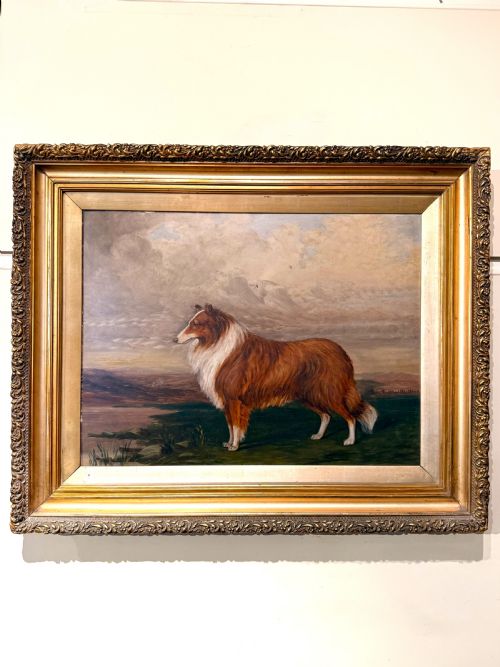
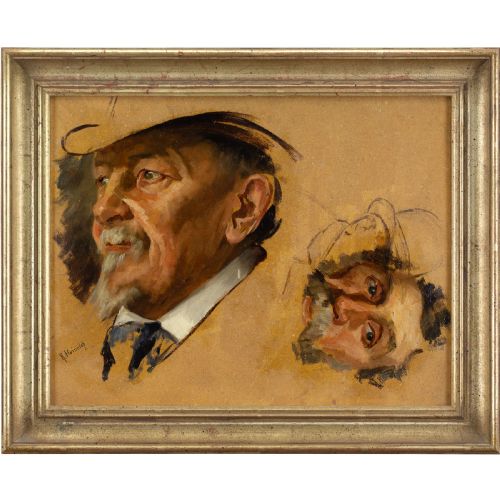
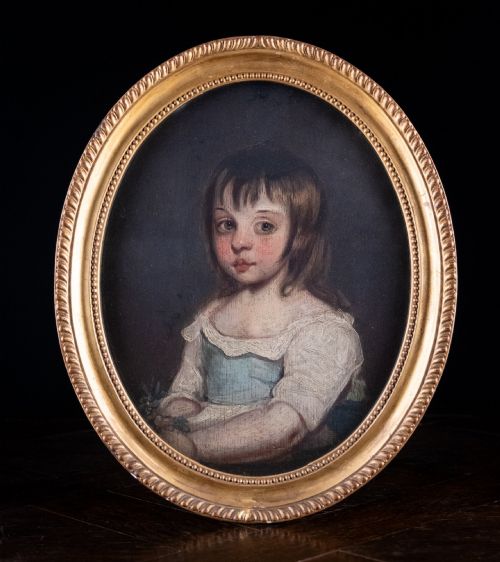

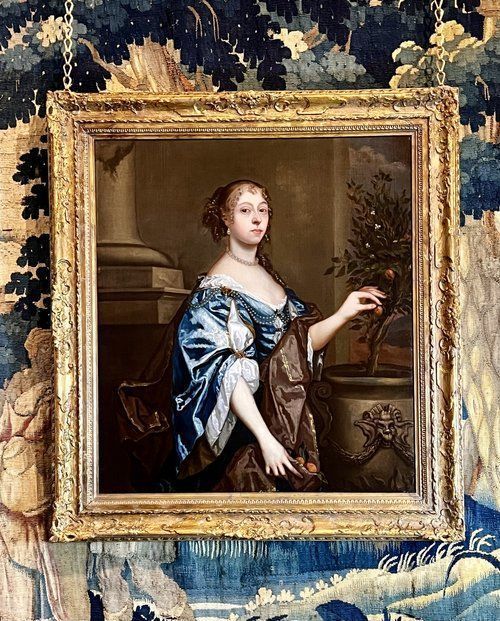
Gold Gilded Portrait Frame
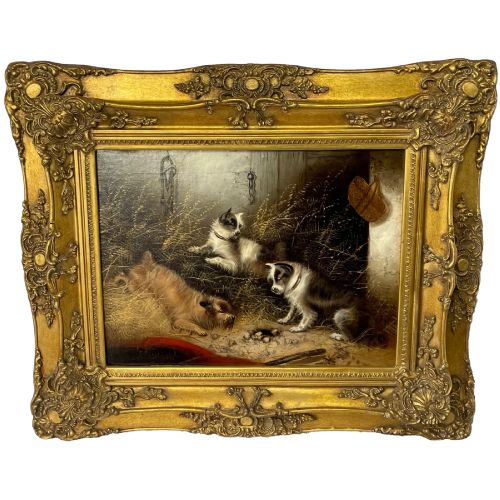
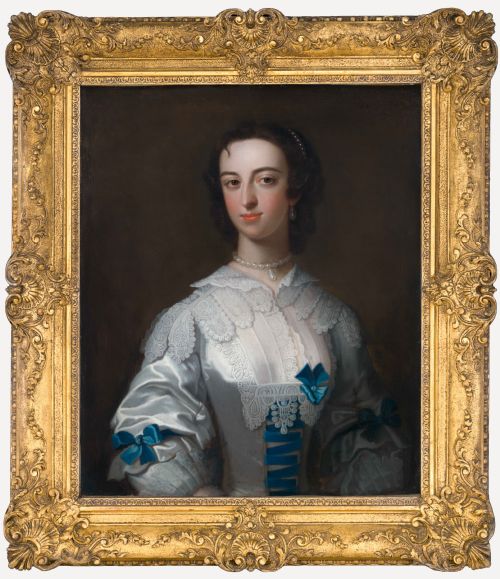
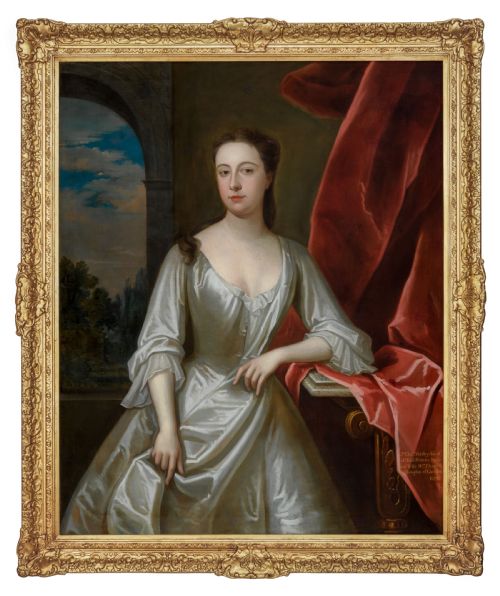
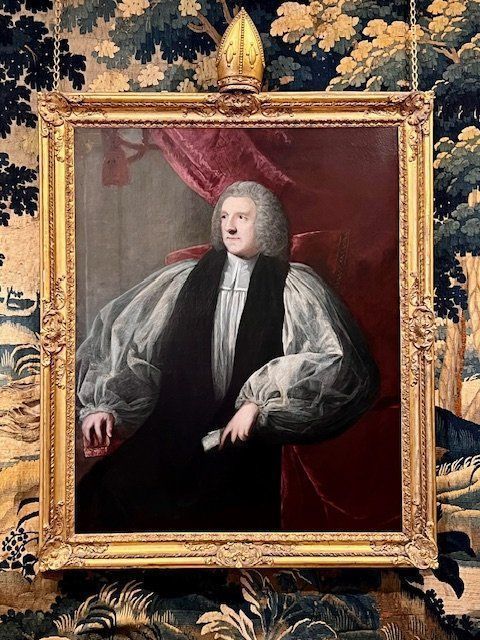
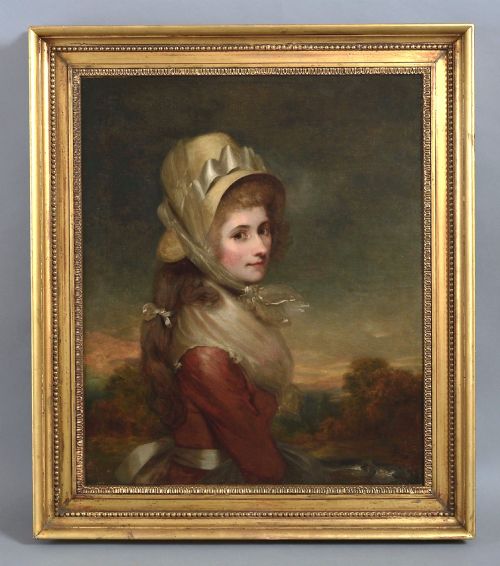
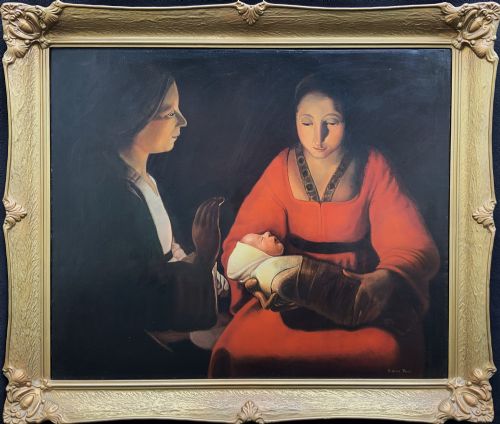
A gold gilded portrait frame holds centuries of oil paintings and drawings within carved timber and gleaming leaf.
Gold Gilded Portrait Frame
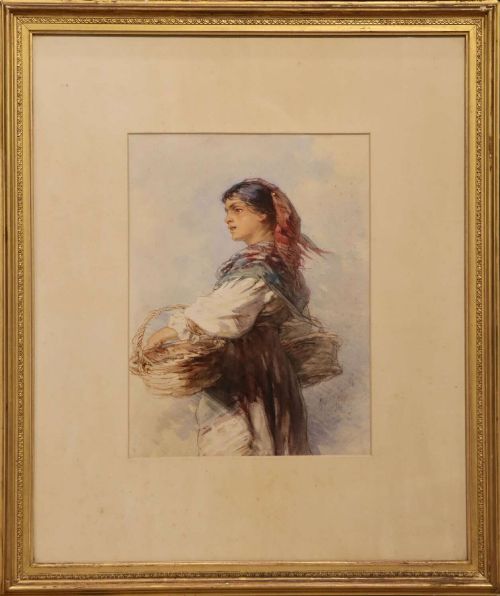
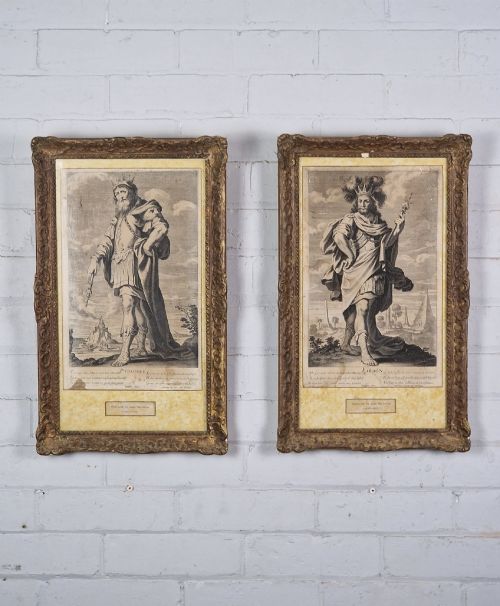
A gold gilded portrait frame encloses oil paintings, pastels, prints, and drawings produced across the seventeenth, eighteenth, and nineteenth centuries. These works record sitters from aristocratic ladies to country girls, framed in styles spanning Baroque, Georgian, Regency, and Victorian revivals.
The objects meeting this search most frequently combine historic portraiture with carved wooden surrounds treated in gold leaf or gesso. Many examples pair oil on canvas with elaborate ornamental mouldings designed to complement the status of the depicted subject.
Materials and Construction
Carvers shaped solid wood cores into decorative profiles before applying layers of gesso to smooth the surface for gilding. Artisans laid thin sheets of gold leaf over these prepared grounds, burnishing the metal to achieve a brilliant reflective sheen.
Makers utilised traditional joinery for the wooden corners and applied cast ornaments in gesso to build up high-relief foliage or scrollwork. These methods produced robust enclosures that protected delicate oil paintings and pastels on canvas or board.
Listings feature oil paintings, pastels, and engravings housed in giltwood, gesso, and carved wood from the seventeenth to the twentieth centuries.
Assessing Craftsmanship
The depth and clarity of the hand-carved ornamentation separate superior examples from routine commercial output. Skilled artisans cut crisp details directly into the timber rather than relying entirely on heavy composition ornament moulds.
The condition and application of the original gilding dictate the visual impact of the piece. Retained gold leaf with subtle burnishing displays a warmth and historical integrity absent from modern metallic paints.
Sir Godfrey Kneller·Sir Joshua Reynolds·Joseph Clover·Sir Martin Archer Shee·Jean Mariette
The Gold Gilded Portrait Frame Glossary
- Giltwood
- Timber decorated with thin sheets of gold leaf. This material forms the primary structure of high-status historic frames.
- Gesso
- A plaster mixture applied to wood frames as a base for gilding. Artisans carve and stamp intricate designs into this layer before applying gold.
- Baroque
- An artistic style characterised by dramatic ornamentation and grand scale. Frames from this period feature bold, sculptural leaf motifs and deep profiles.
- Regency
- A British design period spanning the early nineteenth century. Pieces from this era often incorporate classical restraint alongside neat reeded or gilded borders.
Gold Gilded Portrait Frame: Frequently Asked Questions
What periods do these frames represent?
The inventory spans the seventeenth century through to the mid-twentieth century, capturing shifts in aesthetic preference from Baroque opulence to Victorian academic taste.
Earlier pieces often display deep mouldings and hand-carved timber, while later examples frequently adopt revival styles inspired by Renaissance or Georgian models.
How were portrait frames originally displayed?
These surrounds hung principally within domestic reception rooms, galleries, and country houses to showcase family lineage and status.
Owners matched the scale and gilding of the enclosure to the importance of the sitter and the architectural proportions of the interior space.
Can I hang a modern painting inside an antique frame?
Historic surrounds accommodate standard canvas sizes from past centuries, meaning contemporary works must match the internal rebate dimensions precisely.
Collectors often re-frame historic oil paintings or compatible prints, provided the depth of the rebate supports the stretcher or board safely.
How do I identify a Regency frame?
Regency examples typically exhibit cleaner classical lines, sometimes utilising convex cavetto profiles or subtle foliate appliques rather than heavy Baroque carving.
They frequently accompany early nineteenth-century oil portraits on panel or canvas, reflecting the prevailing interior fashions of the British Regency.