



Victorian Oil Portrait Art
Victorian oil portrait art captures the likenesses of people and animals through enduring 19th-century painting techniques.
Victorian Oil Portrait Art
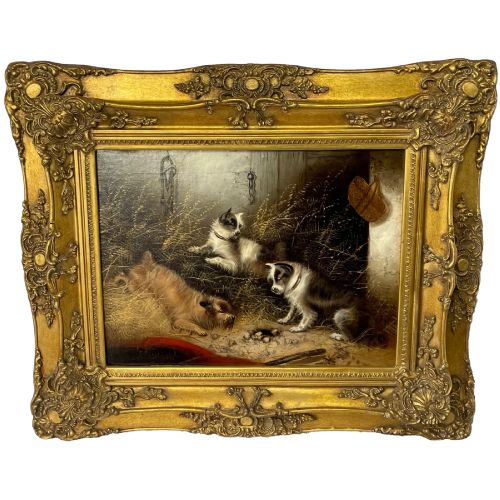
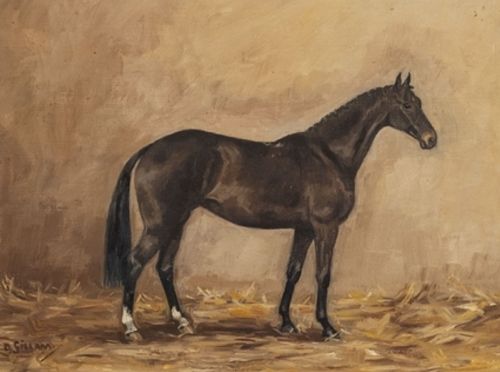
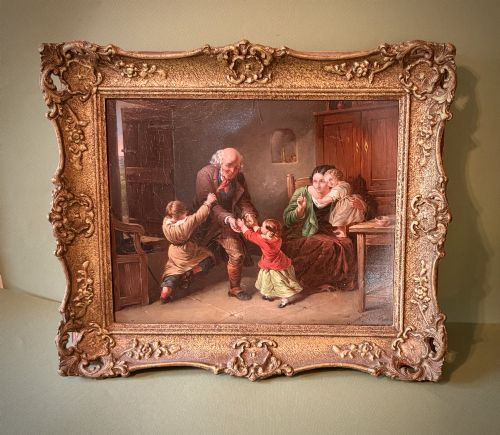
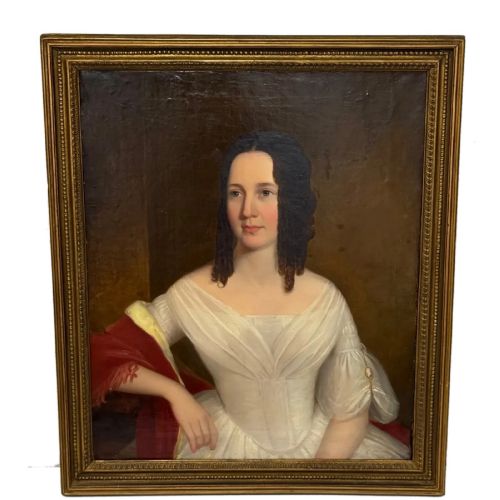
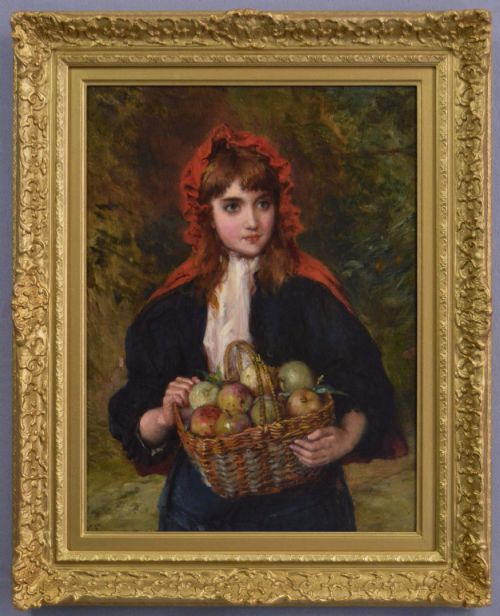
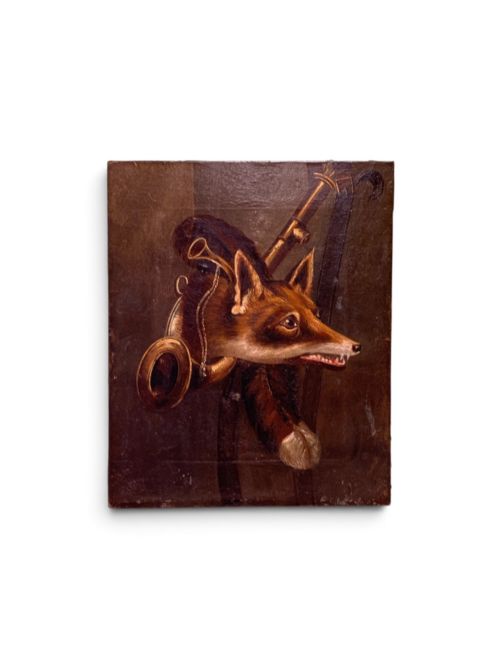
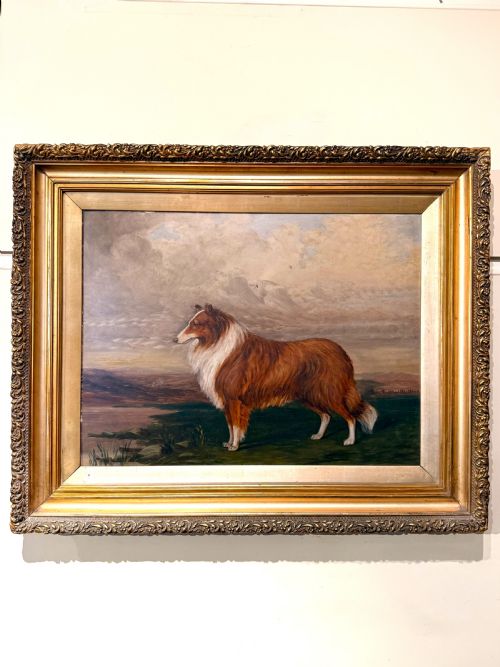
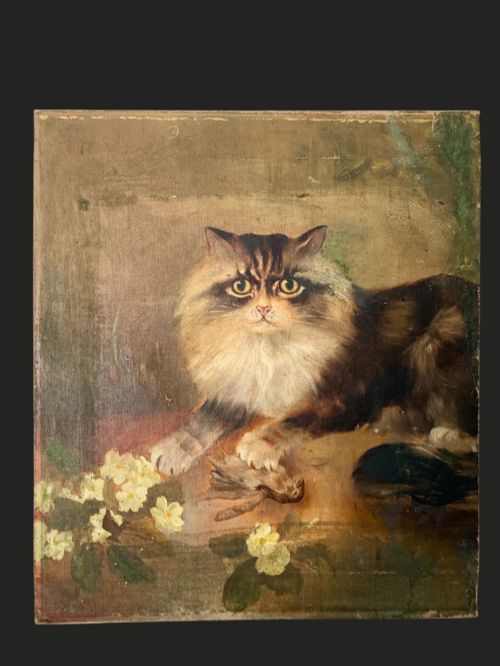
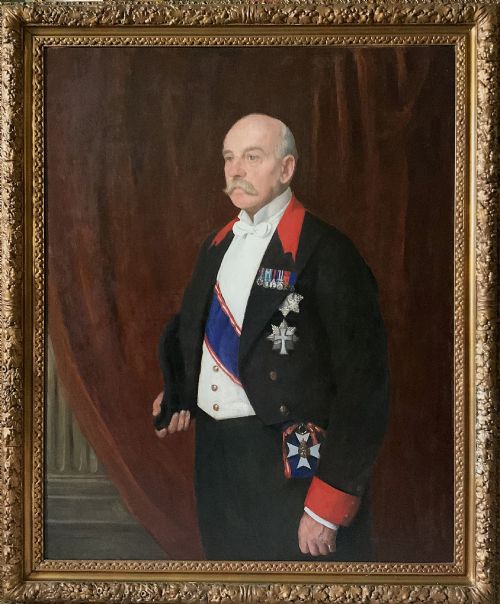
Victorian oil portrait art encompasses paintings rendered on canvas or wood panel, depicting individuals, animals, and sporting subjects from the 19th century and surrounding periods. Buyers encounter works ranging from naive school animal studies and academic human likenesses to detailed depictions of dogs, horses, and gentlemen.
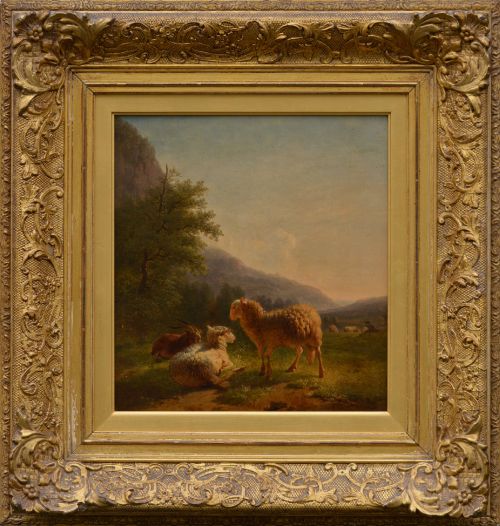
The selections span standard human portraits, such as ladies knitting or actors in character, alongside canine, equine, and livestock subjects like prized shorthorn bulls and racing pigeons. These pieces reflect the varied aesthetic priorities of British, French, and Italian schools across the 1800s.
Works on this page frequently originate from the Victorian era and 19th-century academic or romantic traditions, often preserved in original giltwood frames. Collectors look to these canvases for authentic period character and historical representation.
Materials and Construction
Painters applied oil paint to stretched canvas or prepared wood panels, building depth through layered pigments and glazes. Many works employ gesso underlayers to seal surfaces before the application of the final oil layers.
Framing materials typically comprise gessoed and gilded wood, often utilising gold leaf to accentuate the decorative moulding surrounding the canvas. These giltwood surrounds complete the traditional presentation of 19th-century fine art.
Several portraits capture the intense gaze of Victorian racing pigeons and prizewinning bulls alongside human aristocracy.
Evaluating Quality in Period Portraits
Quality in these portraits depends upon the precision of brushwork, anatomical accuracy in human and animal subjects, and the psychological depth of the sitter's expression. Masterful handling of light, shadow, and texture distinguishes academic works from simpler naive school pieces.
The preservation of the original canvas, stability of the paint layer, and the integrity of the period gilt frame influence the overall standard of a piece. Works retaining their initial framing and untouched surfaces hold greater historical cohesion.
William Oliver·Eugène Verboeckhoven·Valentine T Garland·John Maler Collier·Vittorio Reggianini·Albert Clark·Martin Theodore Ward·Howard Helmick·Margaret Sarah Carpenter·Adelaïde Salles-Wagner·Max Kaltenmoser
The Victorian Oil Portrait Art Glossary
- Oil on Canvas
- Pigments bound in a drying oil applied to a woven fabric support. This combination provides flexibility and longevity for large-scale portraiture.
- Giltwood
- Wood that has been coated with a thin layer of gold leaf or metallic powder. It is commonly found on ornate 19th-century picture frames.
- Naive School
- Art produced by artists without formal academic training. These pieces are characterised by a charming directness and simplified perspective.
- Gesso
- A paint mixture consisting of a binder mixed with chalk, gypsum, or pigment. It creates a smooth absorbent surface on wood panels or canvases before painting.
- Academic
- Art created under the influence of European academies of fine art. These works follow strict conventions of composition, proportion, and finish.
Victorian Oil Portrait Art: Frequently Asked Questions
What subjects appear in these portraits?
Paintings depict individual sitters, including gentlemen, ladies, and actors in character. Animal subjects such as dogs, horses, and livestock also feature prominently.
Commissioned works often recorded family members, prized animals, or specific professions like architects and designers.
How do I identify the period of a painting?
Stylistic markers, clothing fashions, and painting techniques help indicate the era. Dates are sometimes inscribed directly onto the canvas or frame by the artist.
Construction methods of the stretcher bars and the composition of the frame offer further clues to age.
Where should I hang an oil portrait?
Portraits suit traditional living spaces, libraries, and hallways where lighting can be controlled. Direct sunlight and excessive humidity should be avoided to protect the canvas and paint.
Sturdy wall fixings are necessary to support the weight of heavy giltwood frames.
What is the difference between academic and naive works?
Academic portraits follow formal rules of anatomy, perspective, and lighting taught by European academies. They aim for realistic proportions and psychological depth.
Naive works are produced outside formal training traditions, prioritising expressive character over strict anatomical precision.