

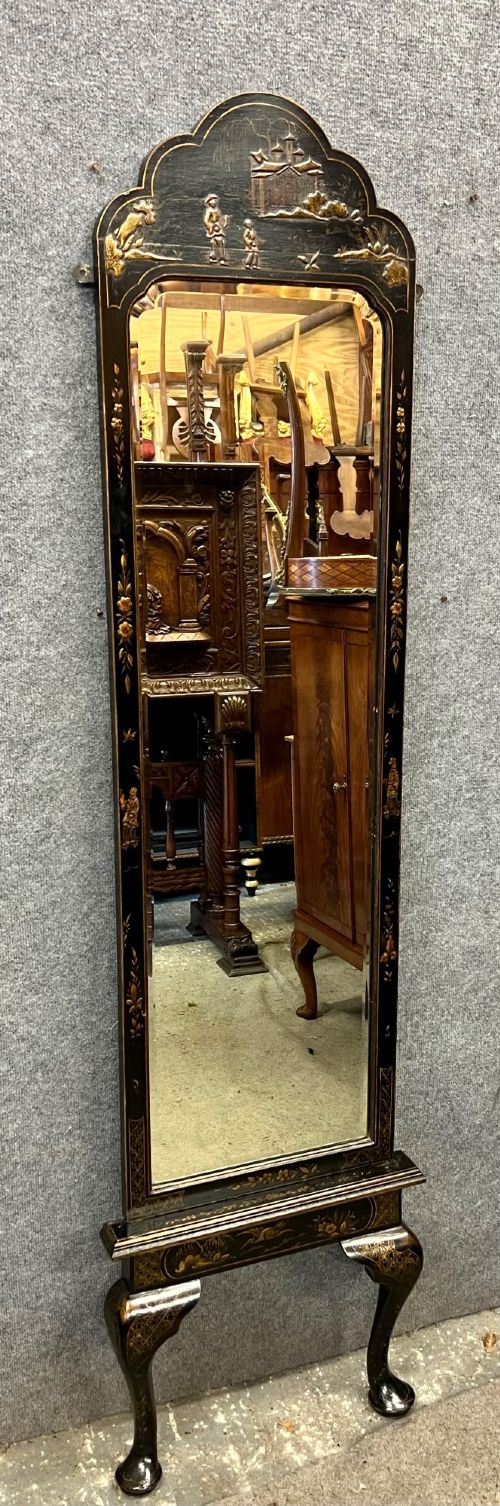
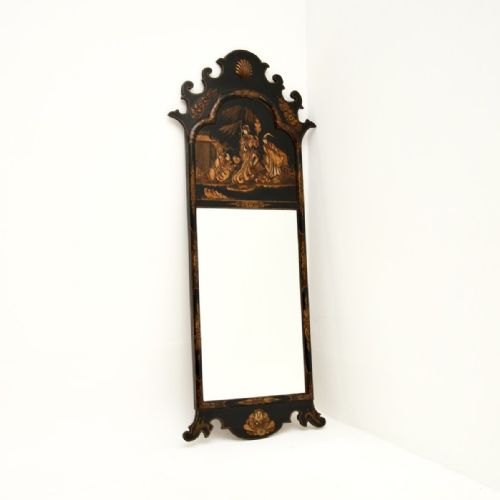
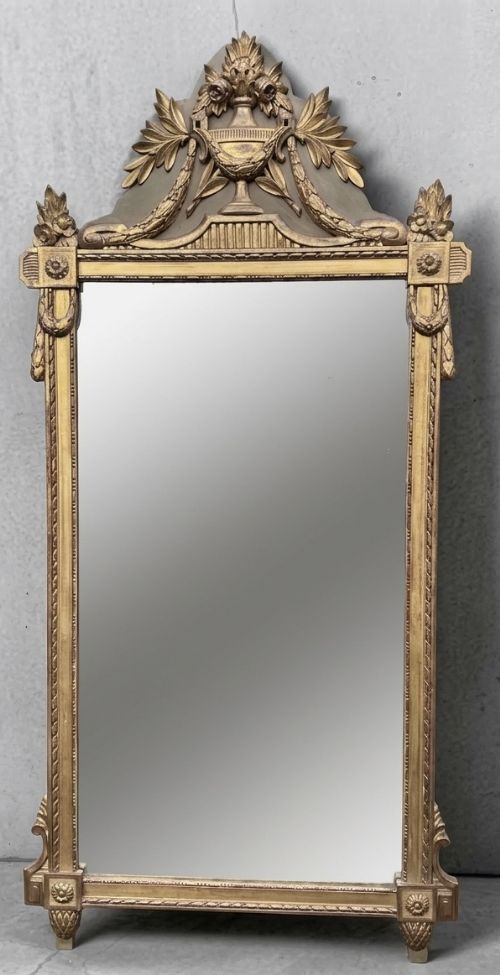
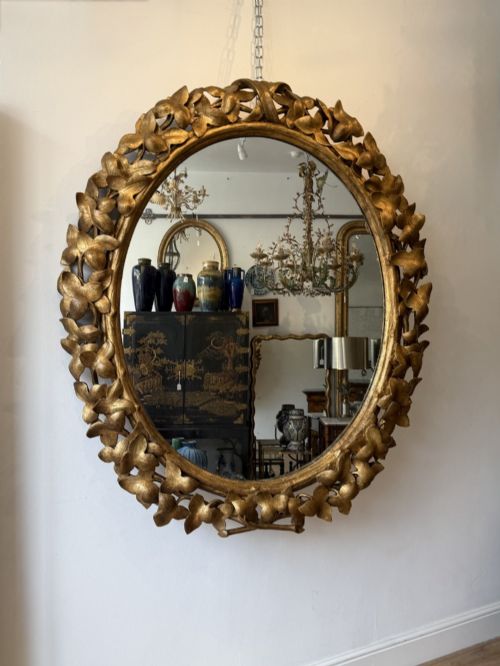


Gold Gilded Hall Mirror
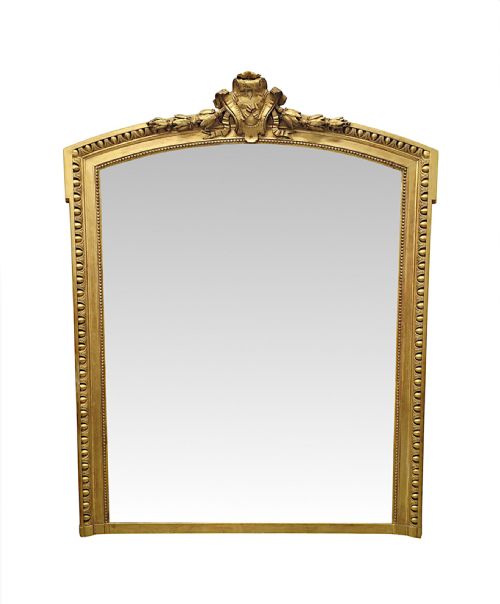
A gold gilded hall mirror catches the daylight immediately, lifting a narrow entrance with carved detail and reflective depth.
Gold Gilded Hall Mirror
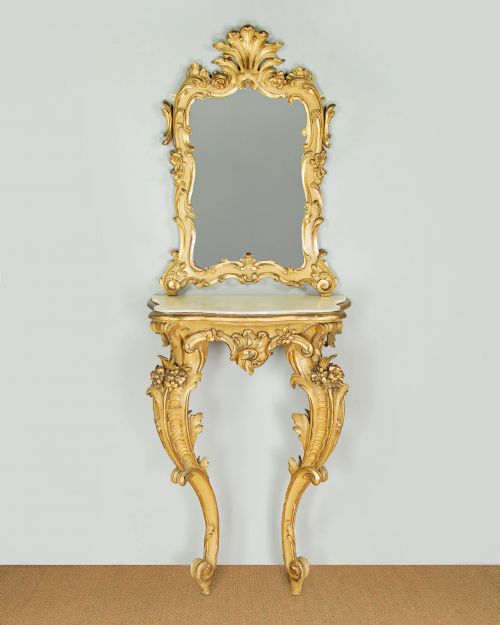
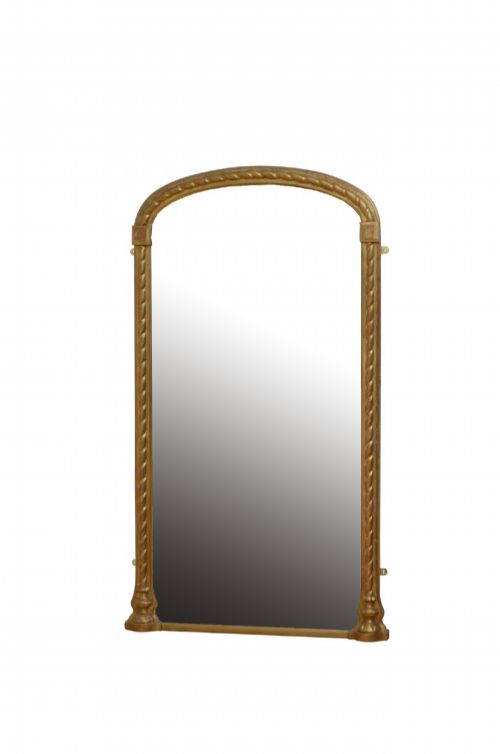
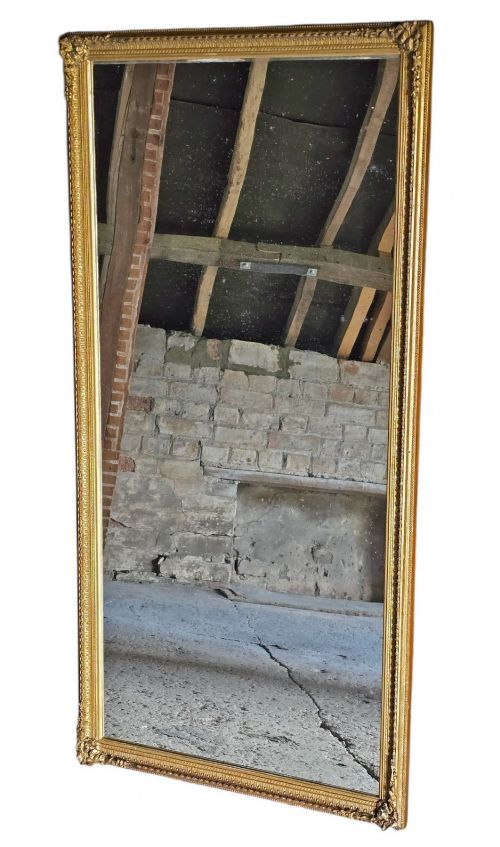
A gold gilded hall mirror serves as a prominent focal point for an entranceway, drawing the eye with polished surfaces and ornate frames. These pieces span periods from the Georgian and Regency eras through the Victorian age and into the early twentieth century, reflecting shifting tastes in interior decoration.
Stylistic influences range from Neoclassical and Rococo Revival to Chinoiserie and French Chateau aesthetics. Pieces incorporate arched tops, oval formats, and rectangular proportions suited to tall spaces.
Materials and construction
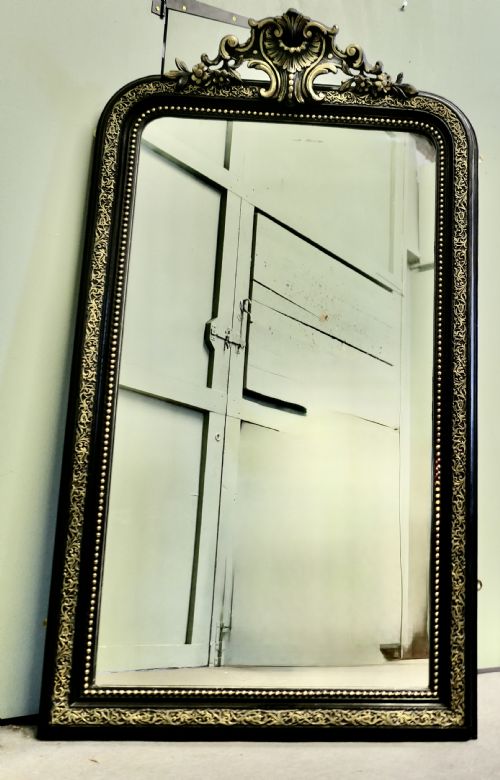
Makers built the foundational frames of these mirrors using carved wood or gesso applied over a wooden base, often employing giltwood and gold leaf to achieve a brilliant metallic sheen. Ebonised wood and painted finishes also appear, sometimes combined with parcel-gilt details or bronze mounts.
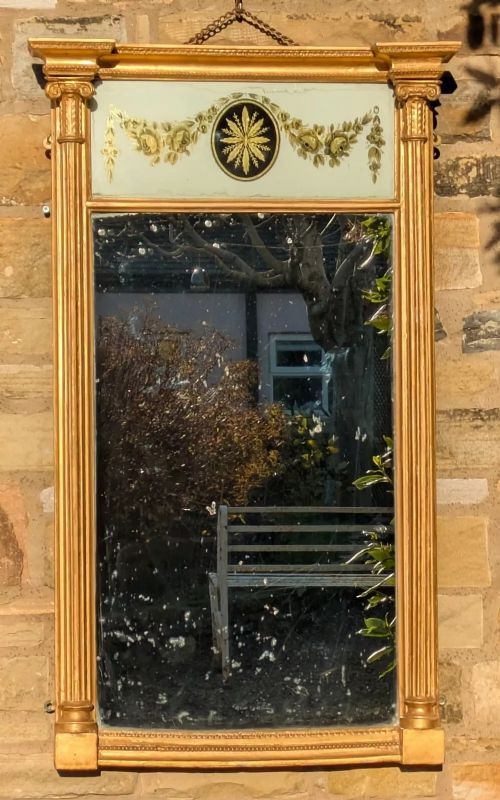
The reflective surfaces utilise mirror glass, occasionally featuring original bevelling or specialised decorative panels such as verre eglomise. Structural integrity relies on traditional joinery within the carved frames to support heavy glass panels and ornate crestings.
Gold Gilded Hall Mirror Retail Price Guide 2026
Typical asking prices for gold gilded hall mirror among the pieces listed under this phrase on Sellingantiques today, from the lower quarter to the upper quarter. They describe what is for sale here now, not the wider market.
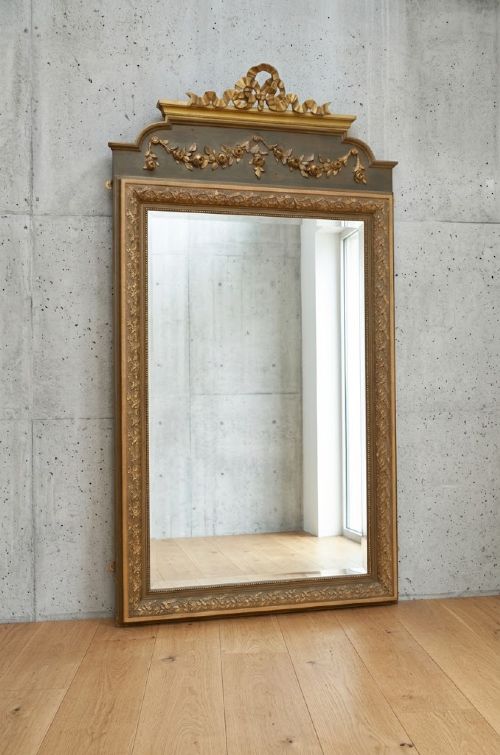
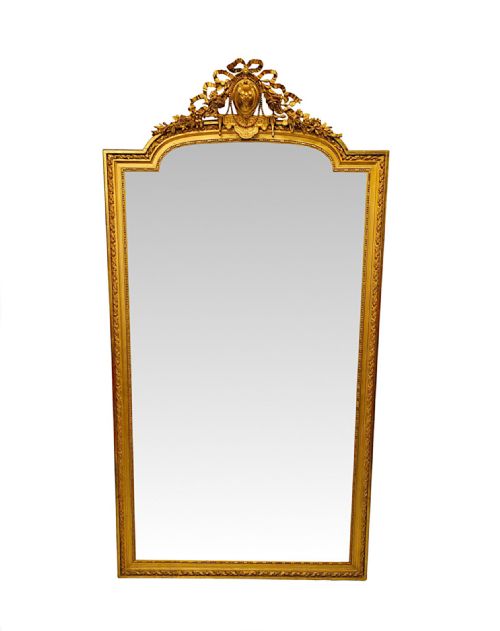
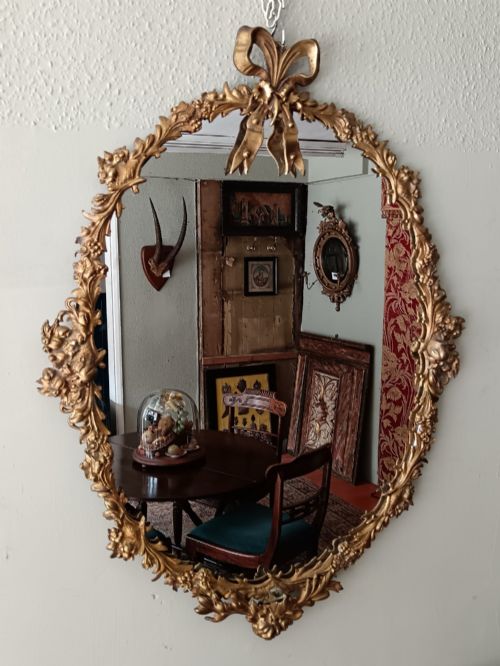
A ribbon crest holds up a looking glass with the polite fiction that a soft bow supports heavy timber.
Craftsmanship and distinction
The distinction between tiers of quality rests upon the depth and crispness of the hand-carved ornamentation within the giltwood or gesso. Superior examples display intricate floral motifs, cartouche centres, and ribbon crests executed with precision rather than mass-produced uniformity.
Proportion and the integrity of the original gilding dictate the standing of a piece. Finer mirrors retain their original reflective glass and cohesive surface patination, while pieces showing heavier restoration or replacement glass sit lower in the scale.
The Gold Gilded Hall Mirror Glossary
- Giltwood
- Wood that has been coated with gold leaf or a gold-coloured metallic finish. This technique creates a luminous, durable surface characteristic of formal antique mirrors.
- Gesso
- A plaster-like mixture applied to wooden frames as a base for carving and gilding. It allows artisans to model intricate relief ornamentation before applying gold leaf.
- Pier Mirror
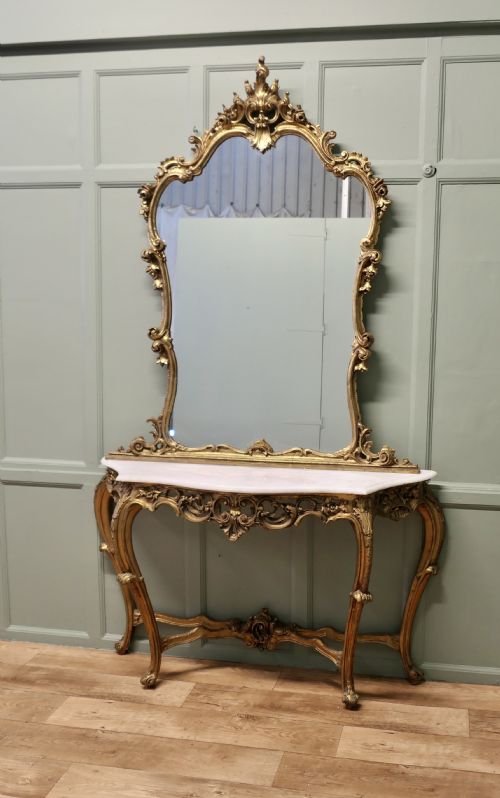
- A tall mirror designed specifically to hang on the wall space between windows. These pieces often sit above console tables to maximise light in a room.
- Verre Eglomise
- A process of cold painting and gilding on the reverse side of glass. It produces a decorative panel with a reflective, metallic background.
- Overmantel Mirror
- A wide mirror designed to sit directly above a fireplace mantelpiece. They share stylistic traits with hall mirrors and frequently use landscape orientations.
Gold Gilded Hall Mirror: Frequently Asked Questions
How do I place a hall mirror?
Position the piece opposite a light source to maximise brightness in a narrow corridor. Hanging height should align the centre of the glass with average eye level.
Ensure the wall fixings match the substantial weight of carved giltwood and plaster frames. Secure mounting directly into wall studs provides necessary structural support.
What defines a pier mirror?
These tall, narrow mirrors originated to occupy the architectural wall space situated between two windows. Their vertical proportions draw the eye upward and reflect ambient daylight.
Many examples coordinate directly with matching console tables positioned immediately below them. This combination creates a unified furnishing scheme for grand entranceways.
How do I identify a Victorian mirror?
Victorian pieces frequently display robust proportions, heavy gesso ornamentation, and rich gilt finishes. Stylistic revivals such as Rococo and Neoclassical designs dominate this era.
Look for original bevelled glass plates and traditional backboards held by old nails. These construction markers help distinguish nineteenth-century production from later reproductions.
What is gesso framing?
Gesso acts as a smooth preparation layer applied over a carved wooden armature. Artisans build up this plaster compound to sculpt fine relief details before gilding.
This technique enables intricate floral and scrollwork designs that solid wood carving alone cannot achieve easily. The resulting surface accepts gold leaf evenly.