




Narrow Pier Mirror
A narrow pier mirror brings height and vertical grace to slender wall spaces between windows or doors.
Narrow Pier Mirror
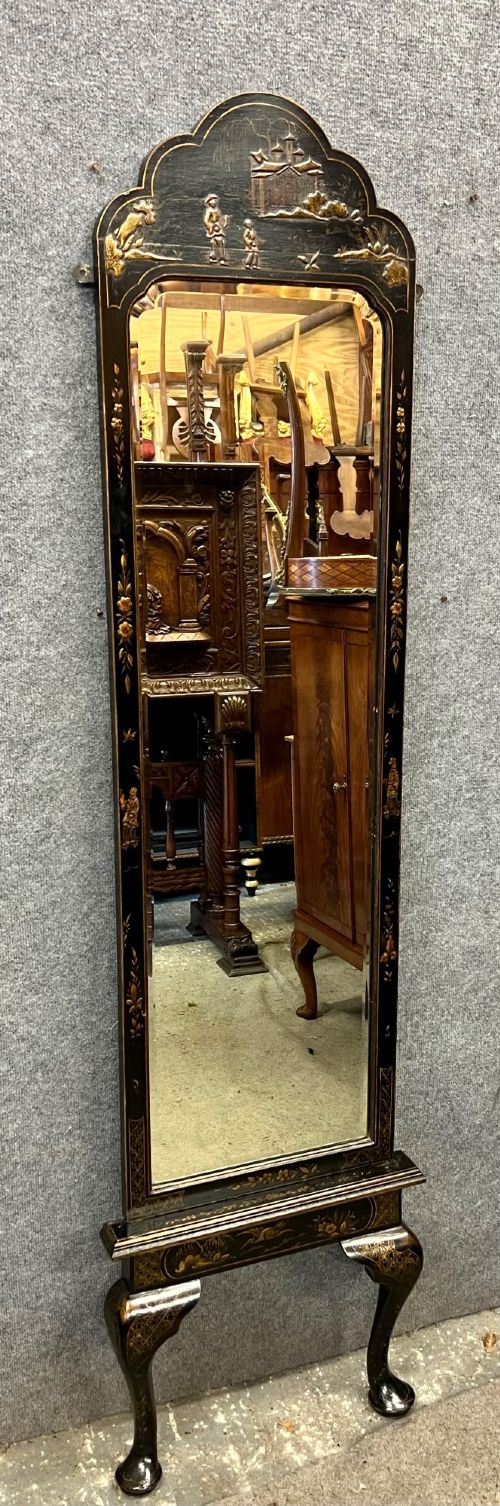
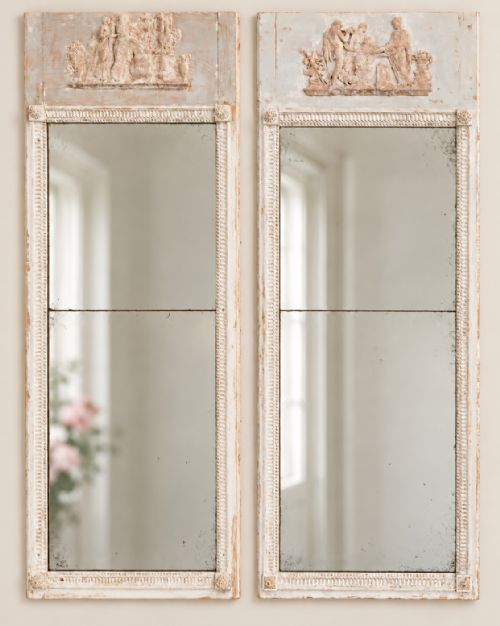
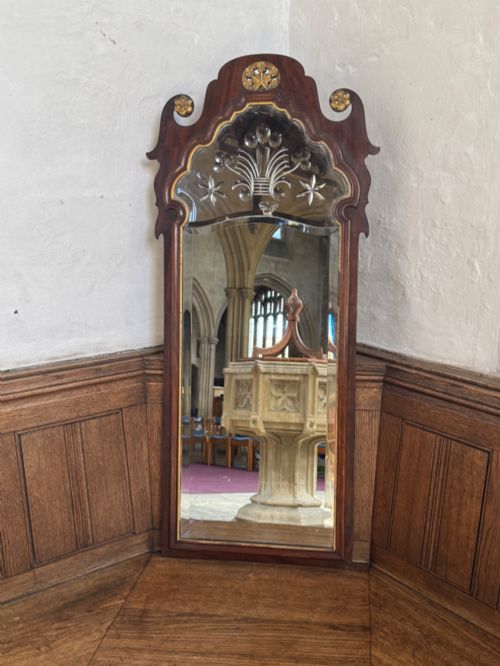
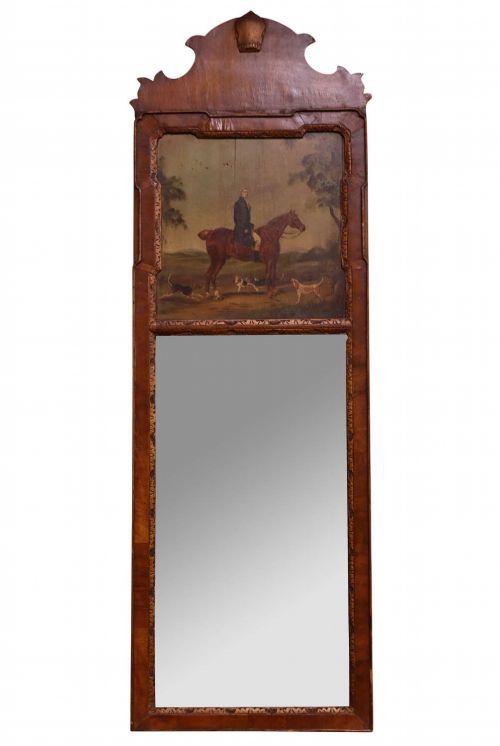
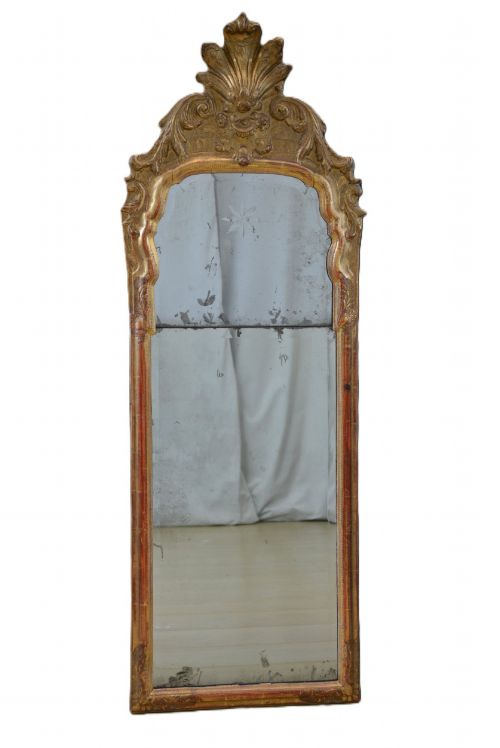
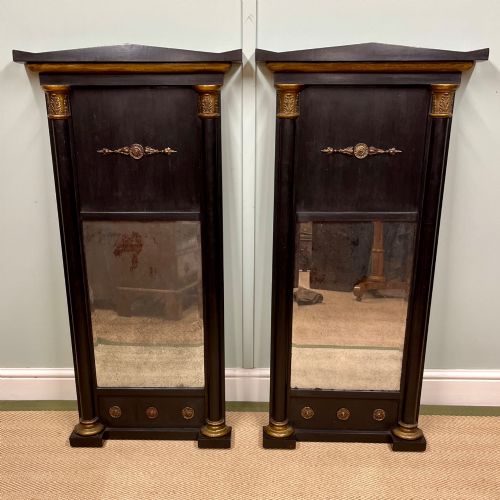
A narrow pier mirror is designed specifically to hang on the narrow wall space between architectural openings, utilising vertical proportions to draw the eye upward. When exploring a narrow pier mirror, you encounter pieces spanning the eighteenth century through to the twentieth century, reflecting periods from Georgian and Regency to Edwardian revivals.
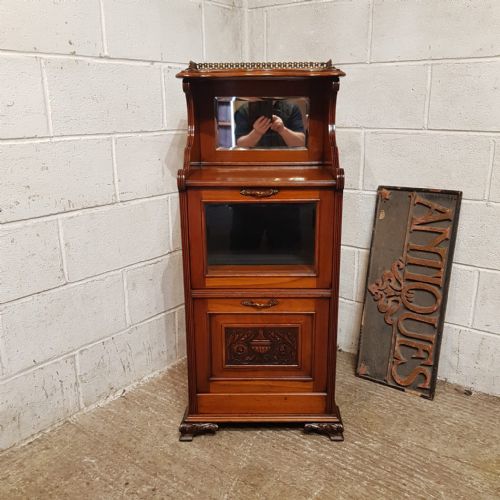
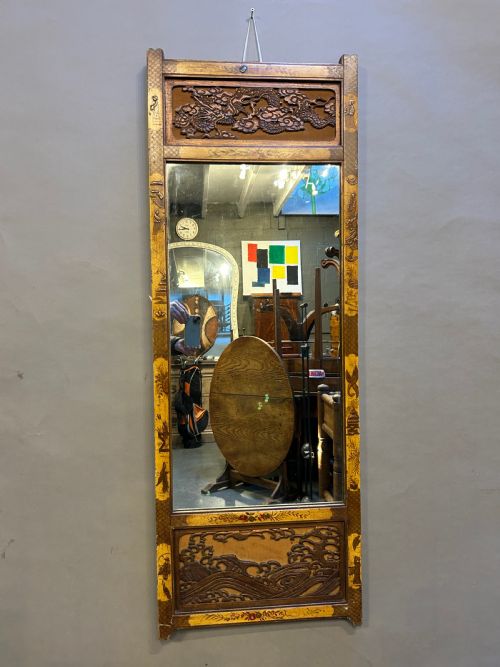
The selections on this page encompass various interpretations including giltwood and gesso frames, Chinoiserie decoration, and walnut veneers. Alongside traditional wall-hanging glasses, you also discover related forms such as pier tables, side cabinets, and console tables designed to sit directly beneath the mirror plate.
Materials and construction
Frames are constructed from timbers such as mahogany, walnut, oak, and rosewood, frequently enhanced with hand-carved gesso and applied gilding or painted surfaces. Artisans shaped intricate mouldings and applied parcel gilt details to achieve the refined aesthetic characteristic of periods like the George I revival and the Adam style.
Mirror plates utilise traditional glass methods, including reverse cut plates and original mercury plates held securely within wooden carcasses. Joinery methods range from pegged joints on eighteenth-century examples to later twentieth-century constructions employing marquetry and silver-gilt elements.
Narrow Pier Mirror Retail Price Guide 2026
Typical asking prices for narrow pier mirror among the pieces listed under this phrase on Sellingantiques today, from the lower quarter to the upper quarter. They describe what is for sale here now, not the wider market.
Listings feature walnut, mahogany, oak, and rosewood alongside giltwood and gesso finishes spanning the 18th, 19th, and 20th centuries.
Distinctions in quality
The distinction between standard examples and the finest pieces lies in the crispness of the hand-carved gesso, the depth of the gilding, and the integrity of the original mirror plate. Superior examples display meticulous attention to detail in stylistic revivals, whether capturing the exact proportions of a George II design or the delicate motifs of Chinoiserie.
Materials also dictate standing, with burr walnut veneers, finely figured mahogany, and authentic period mercury glass elevating a piece above simpler painted or standard softwood constructions. The harmony between the frame's proportions and its decorative elements determines its overall visual impact.
John Belchier·A.J Rowley
The Narrow Pier Mirror Glossary
- Pier mirror
- A tall, narrow looking glass designed to hang on the wall space between two windows. These mirrors often incorporate console tables or stands placed directly beneath them.
- Gesso
- A plaster-like mixture applied to wooden frames and carved or moulded into intricate decorative reliefs before being gilded or painted. This technique defines the ornate surface texture of many eighteenth-century and revival pieces.
- Mercury plate
- An older style of mirror glass manufactured using a tin-mercury amalgam backing. This process produces a characteristic mottled, deep reflection distinct from modern silvered glass.
- Chinoiserie
- A European decorative style interpreting Chinese artistic motifs, frequently featuring hand-painted figures, landscapes, and lacquered surfaces in red, cream, or black.
- Parcel gilt
- A decorative finish where only specific carved details, mouldings, or raised motifs on a painted or wood frame are highlighted with gold leaf.
Narrow Pier Mirror: Frequently Asked Questions
Where should I hang a narrow pier mirror?
These vertical glasses suit tight wall spaces, particularly the narrow pillar of wall situated between two windows or flanking a doorway.
Their elongated proportions bounce natural light around the room without overwhelming the available wall space.
What is an original mercury plate?
An original mercury plate refers to traditional mirror glass backed with a tin and mercury amalgamation rather than modern silvering.
This historical method creates a softer, slightly cloudy reflection with characteristic dark speckling over time.
How do I identify a revival piece?
Revival pieces replicate earlier historical aesthetics, such as George I or Adam designs, while utilising nineteenth or twentieth-century construction methods and timber cuts.
Examinations of the backing boards, screw types, and framing techniques typically reveal the actual period of manufacture.
Can I place a table beneath my mirror?
Many pier mirrors are designed to coordinate with a matching pier table, console table, or small side cabinet positioned directly underneath.
This pairing creates a cohesive architectural unit traditionally used in formal halls and drawing rooms.