


Gold Gilded Cup Saucer
These gold gilded cup saucer sets combine brilliant ceramic forms with rich metallic embellishments, offering a tangible connection to the elegant tea rituals of past centuries.
Gold Gilded Cup Saucer
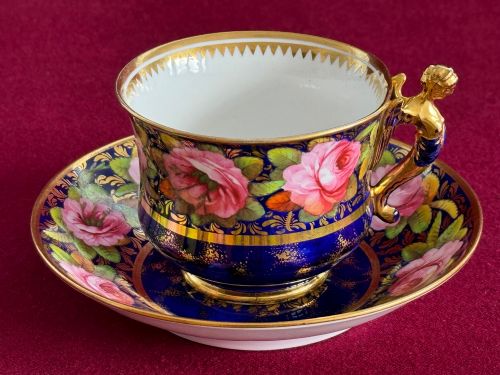
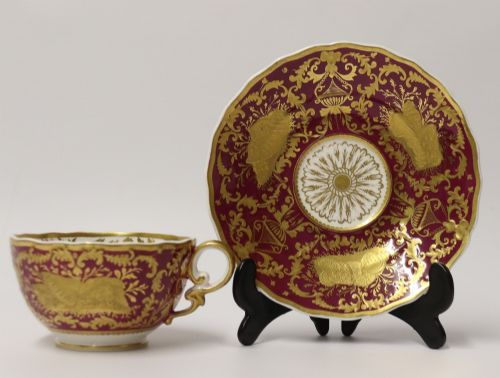
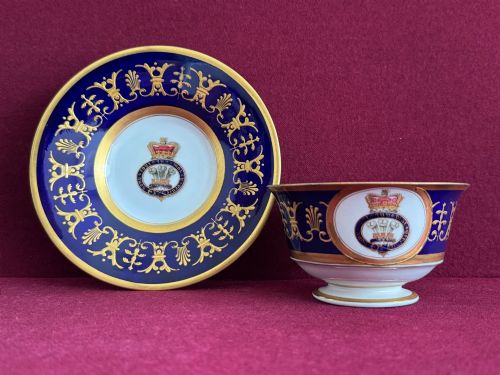
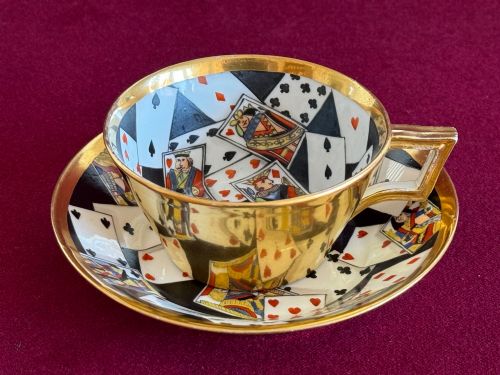
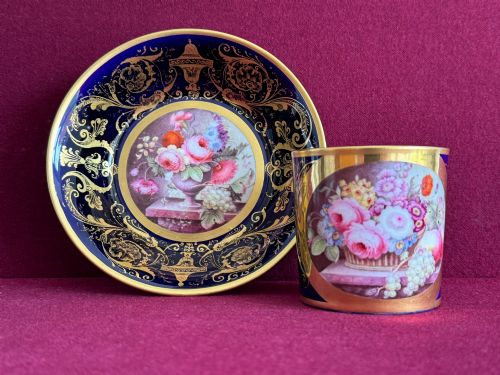
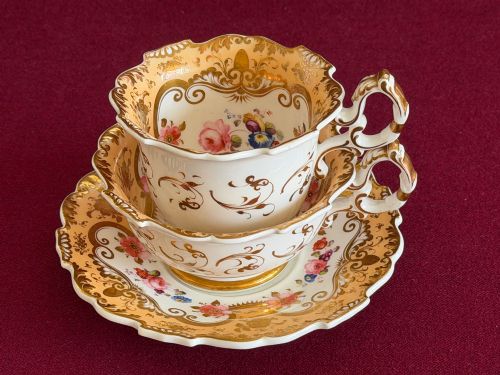
A gold gilded cup saucer search brings together an array of drinking vessels, tea sets, and individual cabinet pieces produced primarily during the Georgian, Regency, and nineteenth century periods. These items range from sturdy morning cups to delicate demitasse vessels and complete tea sets designed for formal parlour use.
The selections encountered here span English factories like Worcester, Spode, and Coalport alongside continental makers such as KPM Berlin and Old Paris. Forms vary from straightforward tea cups to pedestal cups, chocolate cups with covers, and coffee cans accompanied by their matching saucers.
Assessing Craftsmanship and Execution
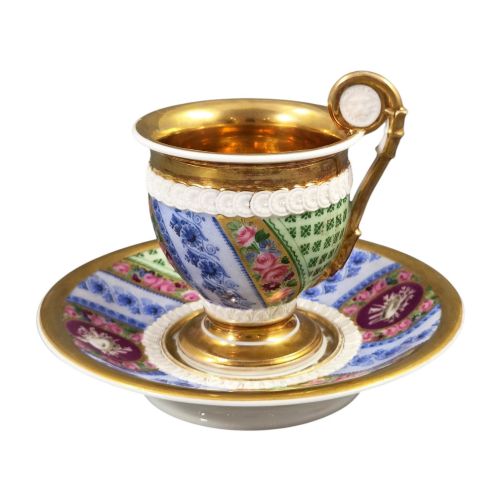
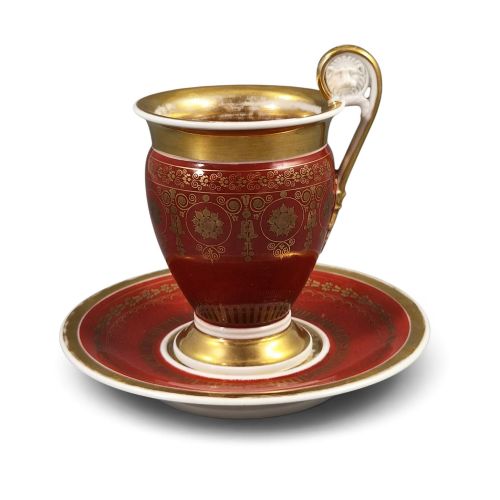
Quality in a gold gilded cup saucer is primarily determined by the precision of the hand-painting and the thickness and burnishing of the gold application. Superior examples display crisp, finely detailed brushwork in the painted scenes and smooth, reflective gilt edges that show minimal rubbing from handling.
The elegance of the porcelain body and the sculptural sophistication of handles, such as lion mask motifs or image handles, further separate standard production wares from high-status cabinet pieces. The clarity of the porcelain paste and the harmony between the ceramic form and the gilt ornamentation dictate the overall standing of each piece.
Materials represented across the inventory include hard-paste porcelain, bone china, enamel, and applied gold leaf.
Spode·Barr and Barr·Derby·Minton·H and R Daniel·Coalport·KPM Berlin·Flight and Barr·Davenport·Royal Worcester·Hutschenreuther
The Gold Gilded Cup Saucer Glossary
- Cabinet cup
- A decorative cup intended for display in a cabinet rather than for daily use. These pieces often feature elaborate hand-painted landscapes or raised gilding.
- Coffee can
- A straight-sided cylindrical cup designed specifically for drinking coffee during the eighteenth and nineteenth centuries. They frequently accompany matching saucers in breakfast sets.
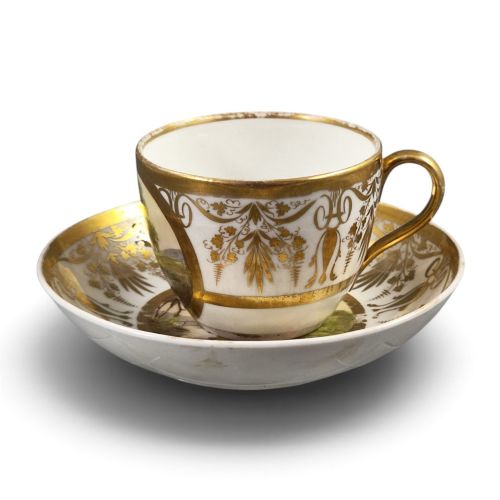
- Gilding
- The application of gold leaf or gold paint to the surface of porcelain. Skilled artisans burnished this metal layer to create a bright, reflective finish.
- Hard-paste porcelain
- A dense, vitrified ceramic material composed of kaolin and petuntse, fired at very high temperatures. It produces a durable, translucent body characteristic of many European factories.
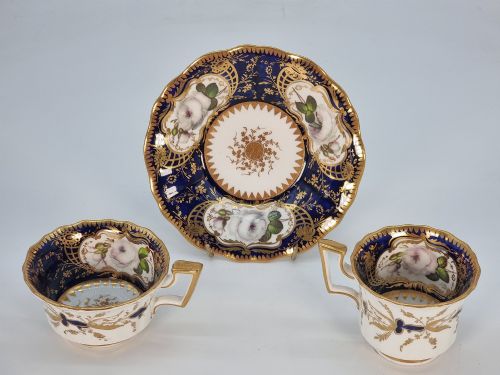
- Trio
- A matching set comprising a teacup, a coffee cup or saucer, and a matching plate. They formed a standard component of nineteenth-century tea service arrangements.
Gold Gilded Cup Saucer: Frequently Asked Questions
What is a cabinet cup and saucer?
A cabinet cup and saucer is a decorative ceramic piece made primarily for display in a drawing room cabinet rather than practical use. These items typically feature intricate hand-painted artwork and lavish gilding.
Such vessels were collected as works of art to showcase the owner's refined taste and the manufacturer's technical skill. They often remain in pristine condition due to their ornamental purpose.
What distinguishes a coffee can from a teacup?
A coffee can is characterised by its straight, cylindrical sides and lack of a traditional curved bowl shape. These vessels were specifically fashioned for serving strong coffee in the Georgian and Regency periods.
Teacups are generally wider and shallower to allow the tea to cool more rapidly. Both forms frequently share matching saucers within surviving sets.
How can I identify Regency porcelain?
Regency porcelain is often recognised by its classical revival forms, vibrant enamel colours, and rich application of burnished gold. Many pieces incorporate motifs inspired by ancient Greece, Rome, and French Empire styles.
Examining the shape of the handle, the style of floral or landscape painting, and any factory marks on the base helps narrow down the period of production.