
Gold French Clock
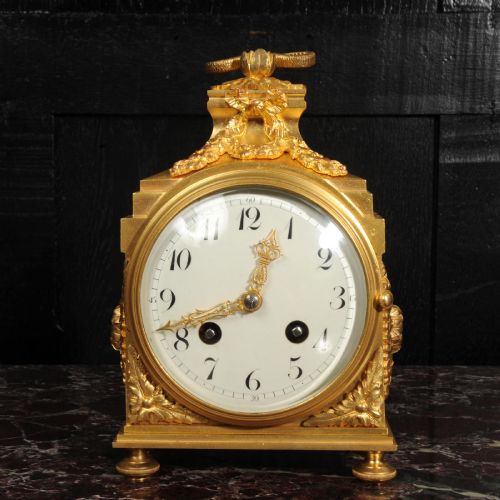
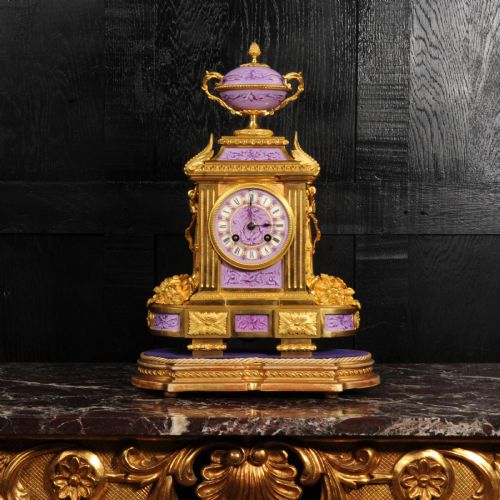
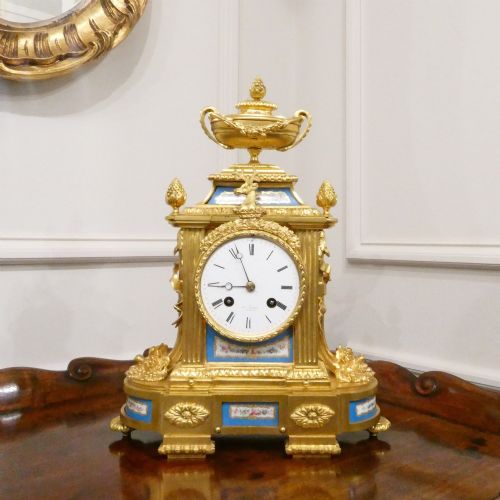
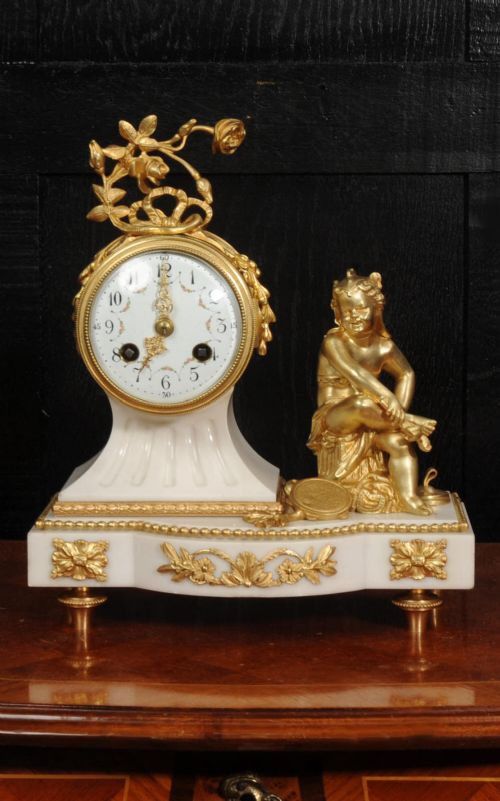
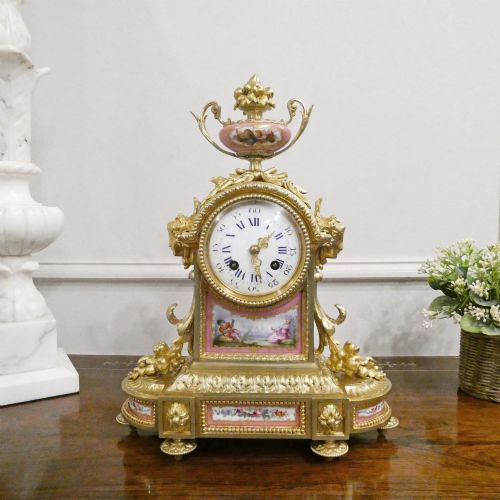
A gold french clock brings nineteenth-century salon elegance to a mantelpiece through gleaming ormolu, polished brass, and intricate hand-painted porcelain panels.
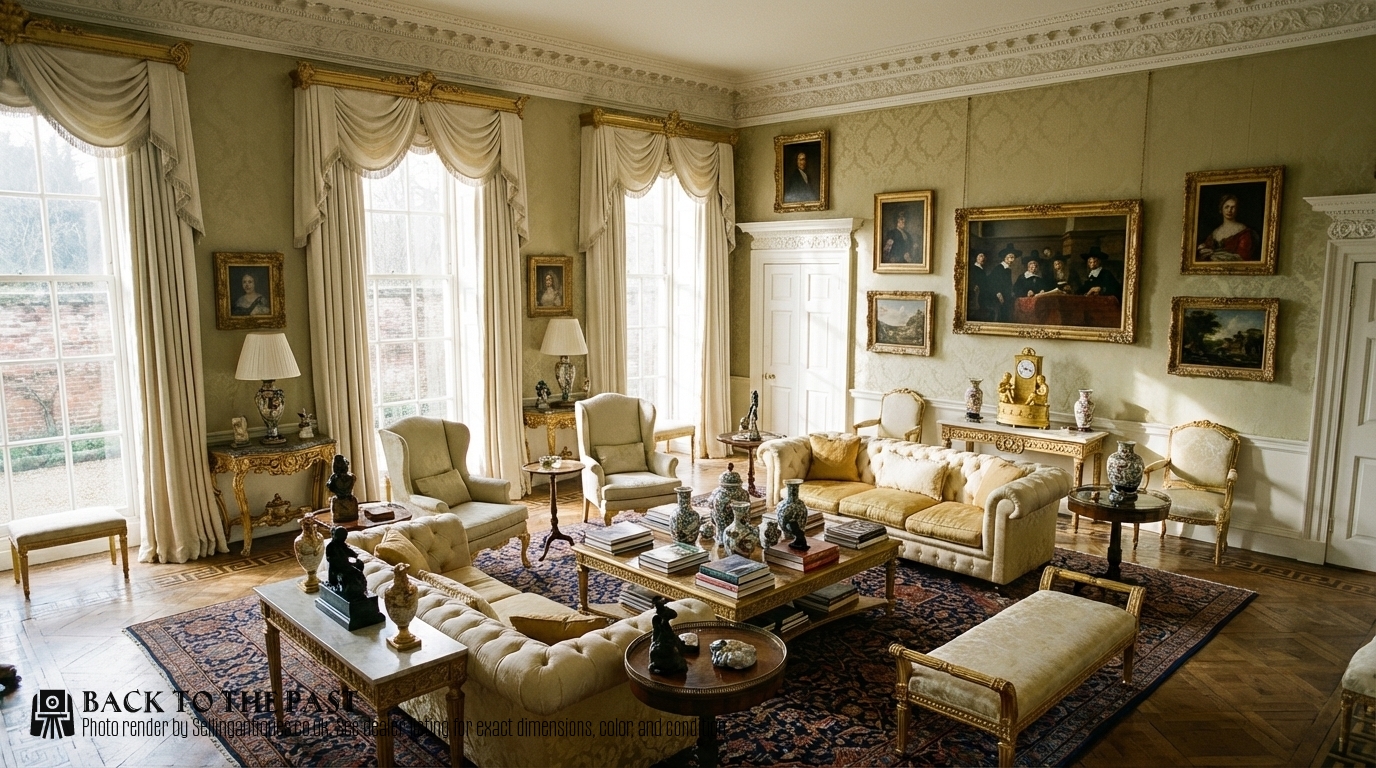
Gold French Clock
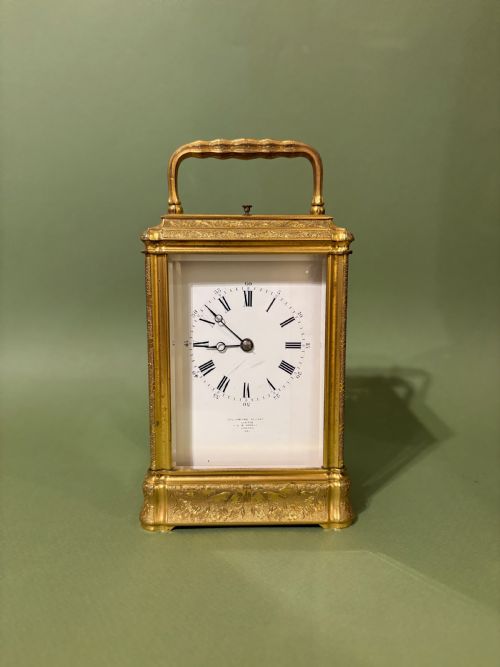
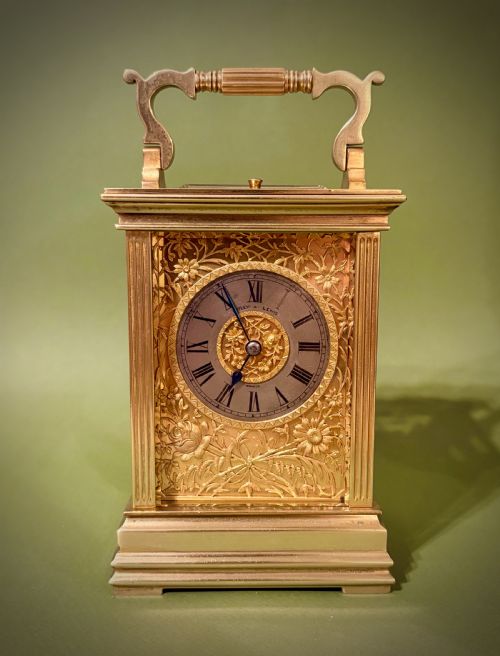
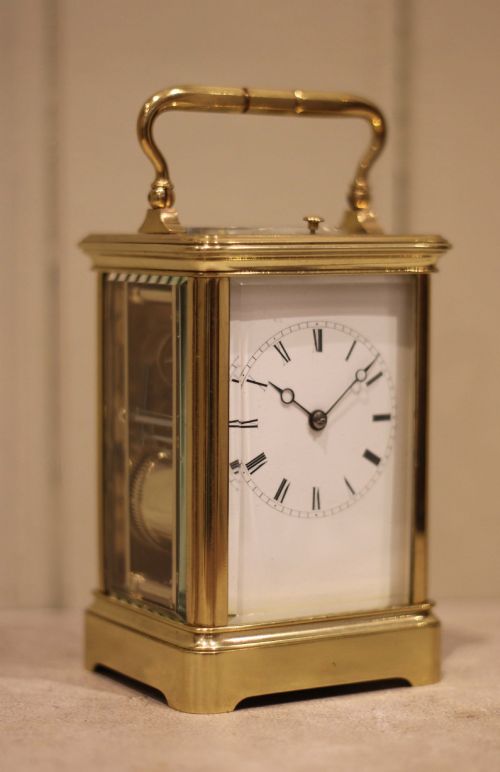
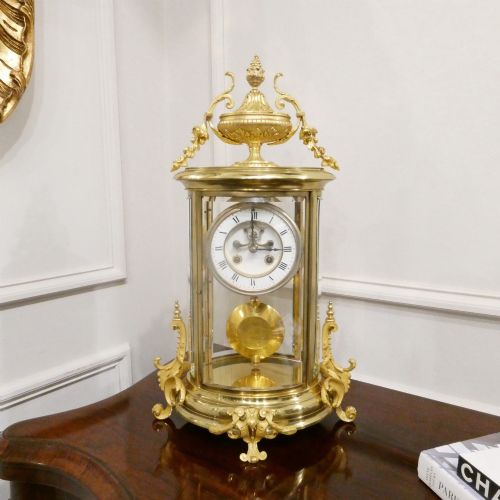
When you search for a gold french clock, you encounter a range of nineteenth-century timepieces spanning carriage clocks, architectural mantel clocks, and striking four-glass designs. The pieces frequently incorporate French Empire, Louis XVI, and Rococo revival styles from periods such as eighteen-sixty and eighteen-eighty.
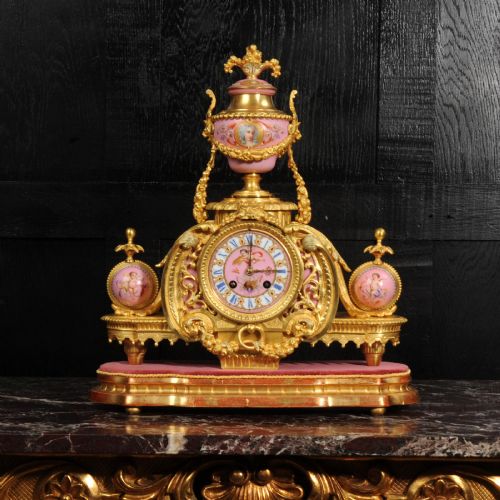
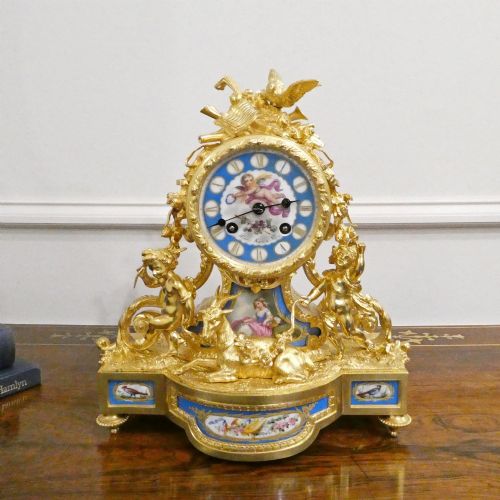
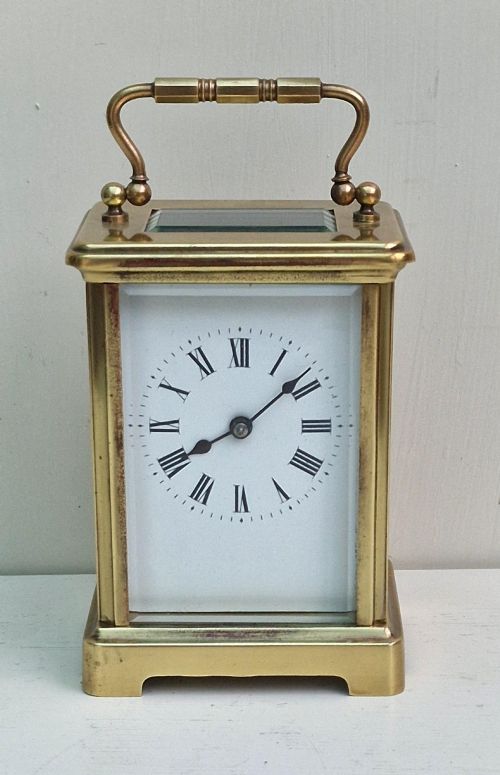
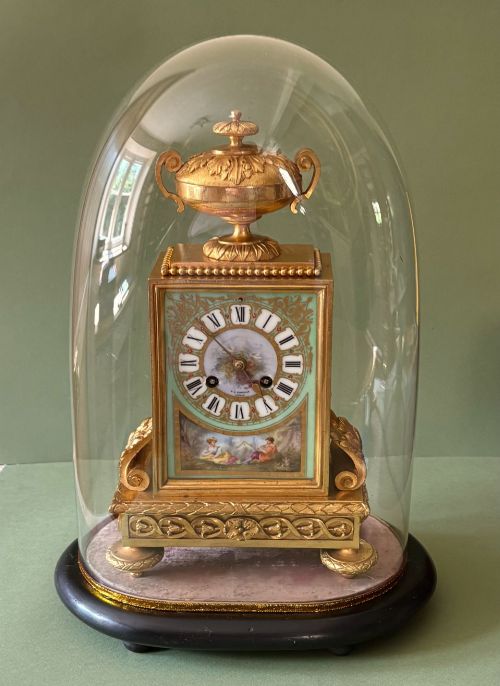
You are most likely to meet heavy brass carriage clocks with glass panels alongside ornate gilt bronze and ormolu mantel clocks mounted with Sèvres porcelain. These objects reflect nineteenth-century European horology designed for wealthy domestic interiors.
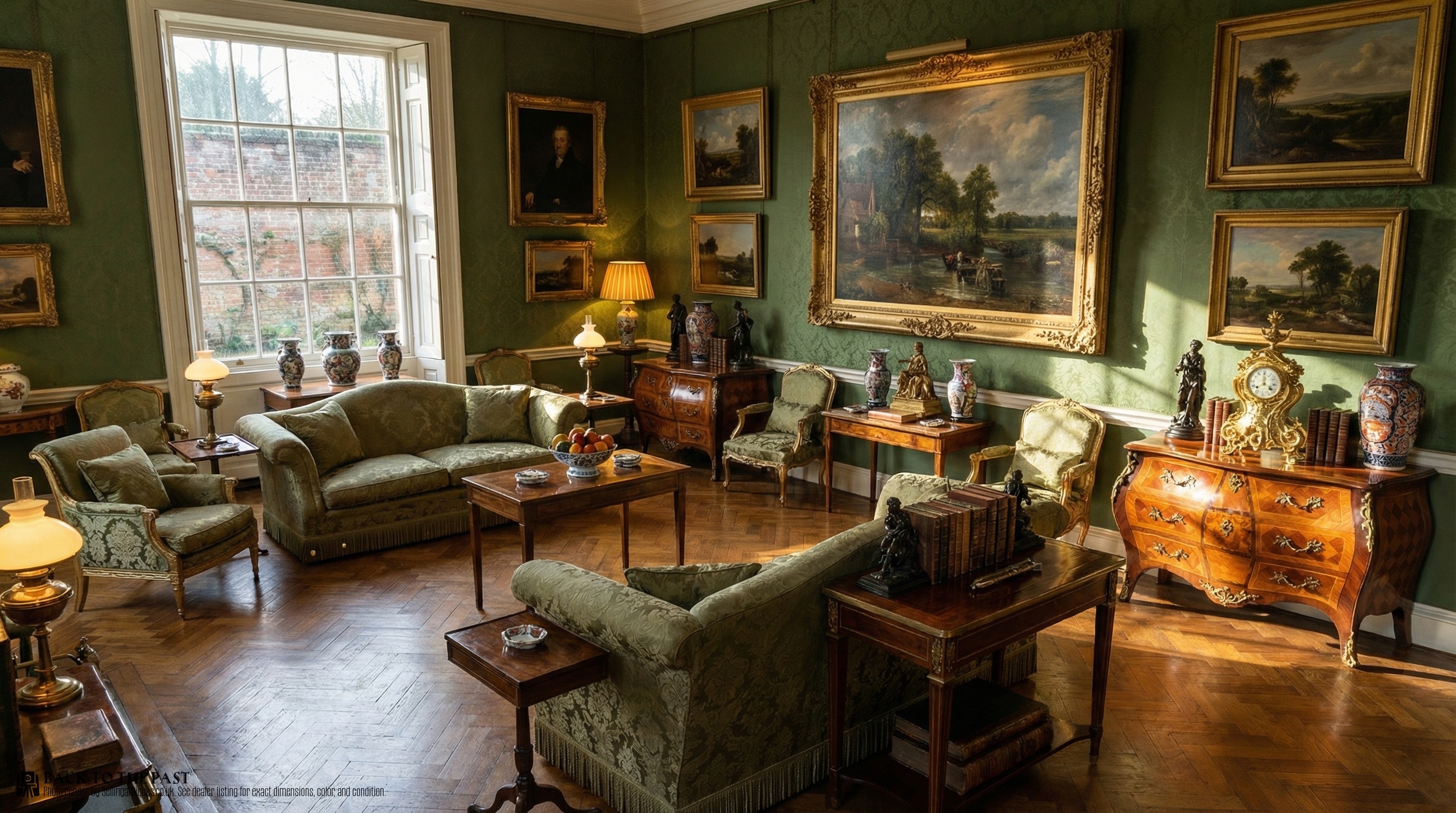
How they were made
Maker-led workshops constructed movements from brass and steel components, often housing them in heavy cast bronze cases finished with mercury gilt or ormolu. These metal housings were frequently combined with white marble bases, giltwood accents, or delicate enamel clock faces.
Many designs integrated hand-painted porcelain plaques depicting figures or floral scenes, secured into the metal framework alongside bevelled glass panels. Skilled artisans utilised casting, chasing, and gilding techniques to achieve high decorative detail across both carriage and mantel formats.
Gold French Clock Retail Price Guide 2026
Typical asking prices for gold french clock among the pieces listed under this phrase on Sellingantiques today, from the lower quarter to the upper quarter. They describe what is for sale here now, not the wider market.
Listings feature periods spanning from the early nineteenth century through to nineteen-twenty, incorporating materials such as marble, porcelain, and gilt bronze.
What varies in quality
The standard of a piece depends heavily on the crispness of the gilt bronze chasing and the reputation of the horologist behind the movement. Signed mechanisms from makers such as Achille Brocot, Henri Jacot, or Japy Freres elevate a timepiece above standard commercial production.
Superior examples maintain intact mercury gilding, undamaged porcelain mounts, and fully functioning striking or repeating complications. The weight of the case, the quality of the bevelled glass, and the precision of the cast ornamentation separate ordinary clocks from exceptional ones.

HENRI JACOT·Achille Brocot·Henry Marc·Japy Freres·Samuel Marti·Henry Dasson·Drocourt Paris
The Gold French Clock Glossary
- Ormolu
- A gilded bronze technique utilising finely ground gold mercury applied to a cast brass or bronze base. This process creates a rich, lasting metallic sheen characteristic of nineteenth-century decorative items.
- Carriage clock
- A portable spring-driven timepiece designed for travel during the nineteenth century. These clocks typically feature brass gorge cases with glass viewing panels.
- Repeating movement
- A complication that chimes the hours and quarters upon demand when a lever or button is pressed. This mechanism allowed owners to check the time in the dark.
- Pendule d'Officier
- A military-style French officer clock featuring a portable carriage format with an exposed platform escapement. They often display robust brass framing and clear enamel dials.
- Four-glass clock
- A mantel clock design encased in four glass panels that expose the mechanical movement within a gilt bronze or brass framework. These pieces allow a full view of the pendulum and gear train from all angles.
Gold French Clock: Frequently Asked Questions
How do I wind a carriage clock?
You use a dedicated winding key inserted into the arbours on the backplate of the movement. Turn the key gently until you feel resistance, taking care not to overwind the mainspring.
Most carriage clocks run for eight days on a single wind. Ensure the clock is stationary on a level surface before setting the time through the hands.
Where were these clocks placed?
Nineteenth-century owners displayed mantel clocks prominently on salon fireplace surrounds or console tables as focal points of interior decoration. Smaller carriage clocks sat on desks or travelled with wealthy owners in custom leather cases.
Their dual purpose as reliable timekeepers and decorative sculptures made them central fixtures in formal European drawing rooms.
How do I identify a Louis XVI style clock?
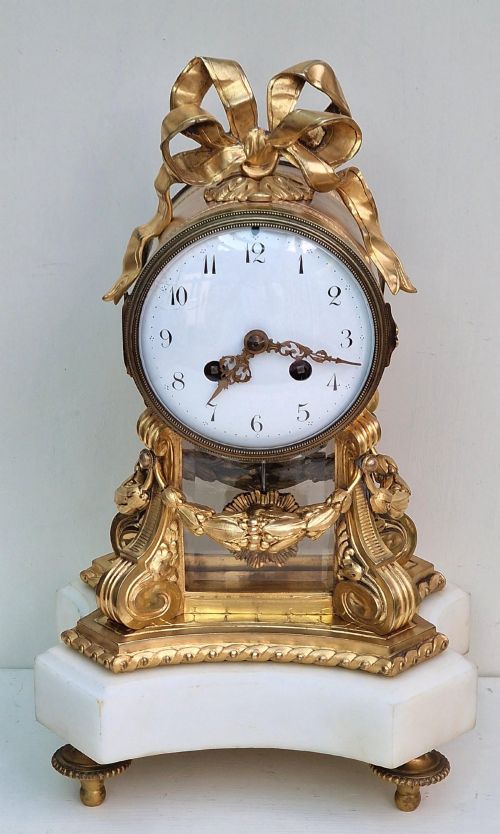
Louis XVI style clocks display neoclassical symmetry, straight architectural lines, and classical motifs such as urns, ribbons, and floral garlands. They often combine gilt bronze mounts with white marble columns and enamel dials.
This aesthetic contrasts with the asymmetrical curves of earlier Rococo designs, favouring geometric balance and restrained ornamentation.