


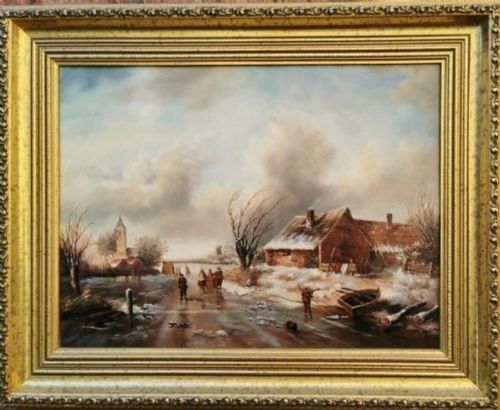
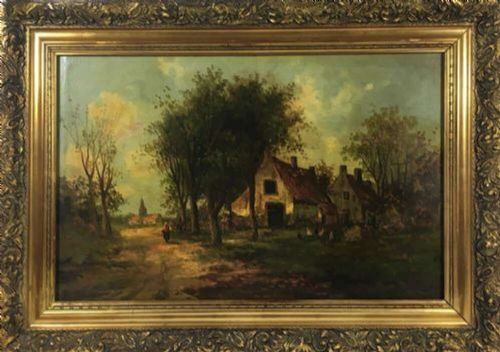
Gold Framed Landscape Artwork
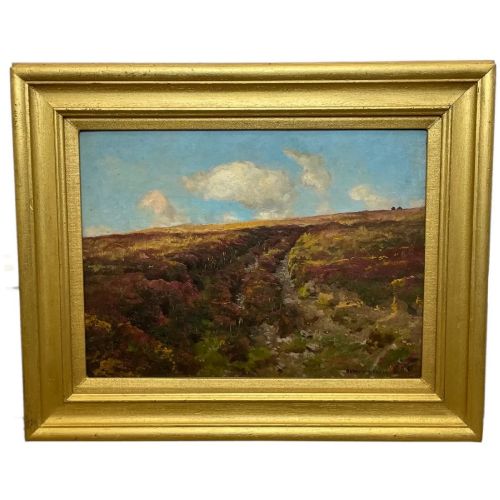
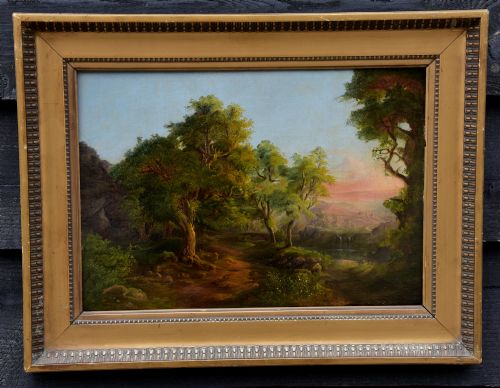
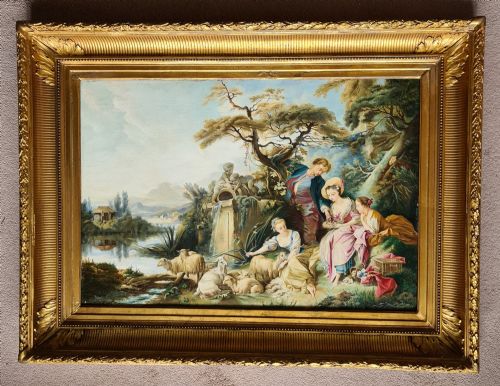
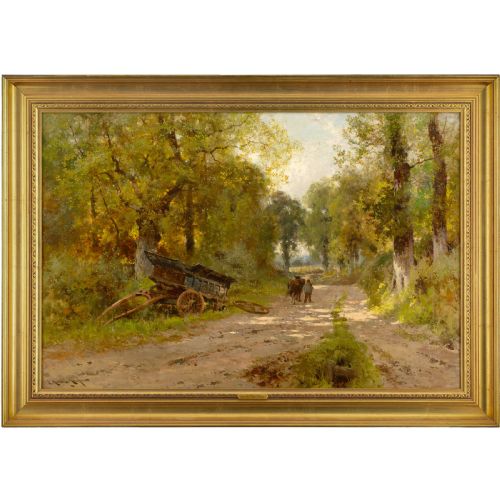
Gold framed landscape artwork brings nature indoors, offering pastoral scenes and sweeping vistas captured in oil and watercolour.
What these gold framed landscape artwork pieces are
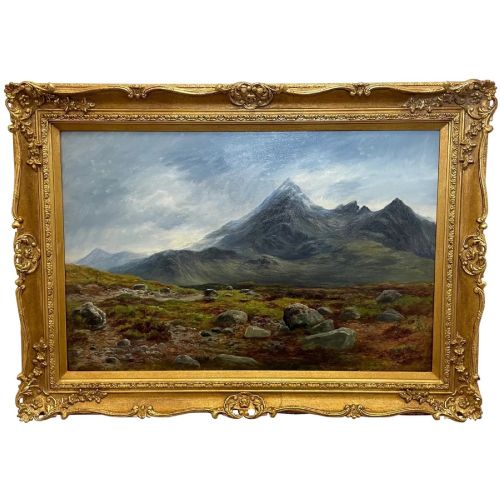
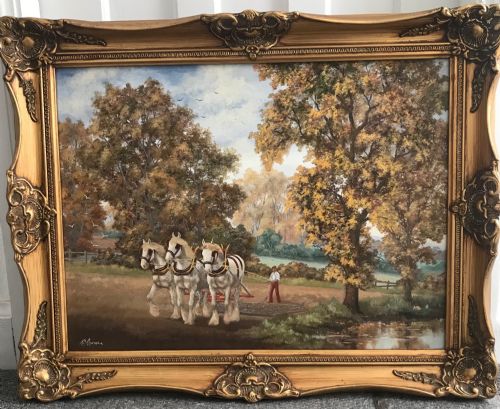
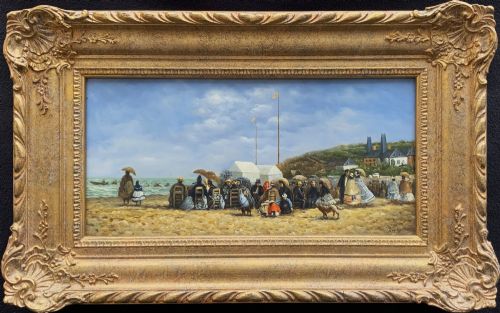
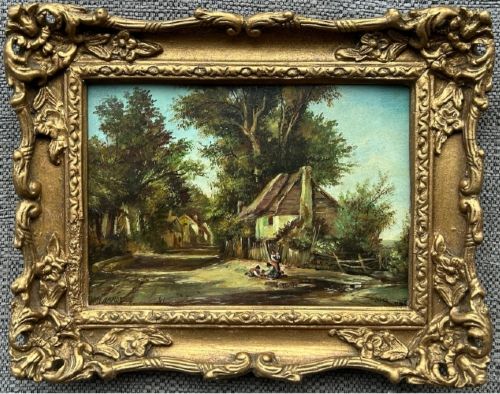
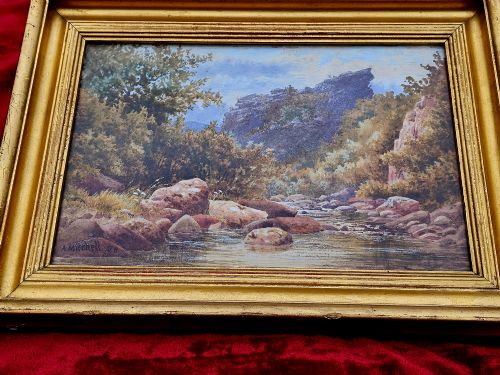
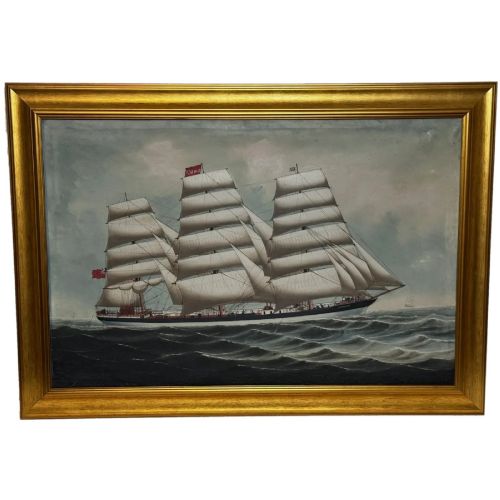
Gold framed landscape artwork encompasses pastoral scenes, rural village views, and expansive natural vistas housed within gilded surrounds. These works range across the nineteenth century, the Edwardian era, and mid-century modern production, capturing subjects from French farmyards to Scottish lochs and the English fens. Buyers find both intimate watercolours and grand oil paintings on canvas that celebrate topography, wildlife, and rural architecture.
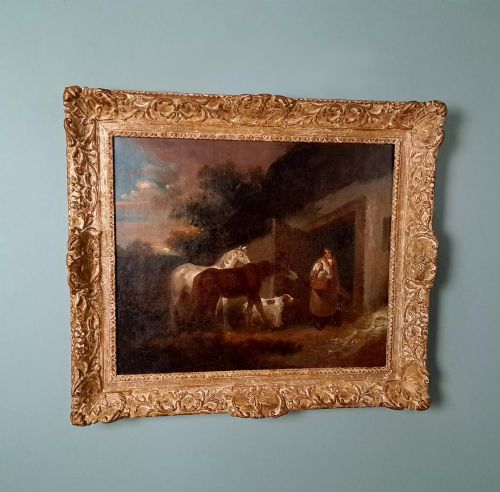
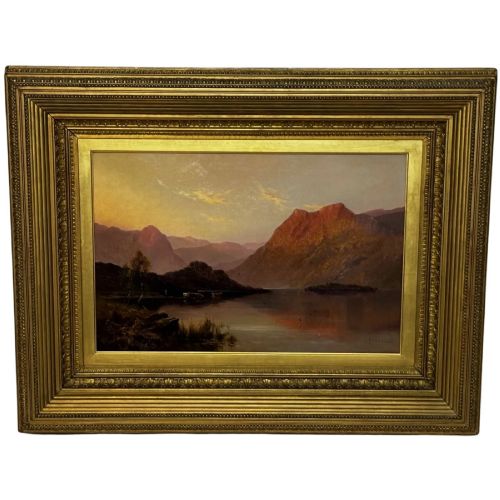
The assortment on this page draws heavily upon nineteenth-century realism, the Barbizon school, and Grand Tour traditions. Pieces frequently depict specific locations such as Welsh lakes, Tuscan countryside, Niagara Falls, and Highland waterways at sunset. Artists rendered these subjects with varying scales, from expansive panoramas to detailed studies of geese in flight or horses outside village inns.
How they were made
Makers applied oil paint or watercolour onto prepared canvas and paper supports, building up depth and atmosphere through layered brushwork. Canvases received priming before artists worked pigment across the surface to depict water, sky, and foliage. Watercolours utilised pigment suspended in water applied to paper to achieve luminous atmospheric effects in lake and pastoral scenes.
Frames surrounding these paintings consist of wood enriched with gold leaf, gilded wood, or giltwood mouldings. Craftsmen carved or moulded decorative borders to complement the artistic style of the period, applying metallic leaf to create a reflective surround that enhanced the painted composition.
Retail Price Guide 2026
Typical UK retail prices for gold framed landscape artwork, calculated from the Sellingantiques database of over a million retail prices indexed since 2003. This retail price guide relies exclusively on Sellingantiques data; no external sources or auction records are used, so the figures do not describe the wider market.
Geese caught mid-flight over the Fens share wall space with grand waterfalls and serene Welsh lakes.
What varies in quality
Quality rests in the fidelity of the brushwork and the expressive handling of light, shade, and natural topography within the painted scene. Master painters command perspective and atmospheric depth convincingly, whereas lesser works remain stiff and formulaic in their depiction of foliage, water, and sky. The preservation of the original paint surface dictates aesthetic success over time.
Frame construction and gilding technique distinguish superior examples from standard production. Finely carved wooden mouldings with intact gold leaf retain their visual harmony with the canvas, while heavier or later replacements alter the intended aesthetic balance of the piece.
Sidney Yates Johnson·Alexandre Le Bihan·Alfred de Breanski Snr·Georgina Lara·Laurens Plas
The Gold Framed Landscape Artwork Glossary
- Giltwood
- Wood carved and coated with gold leaf or metallic powder to create a brilliant, reflective surface. This material formed the primary structural base for many decorative frames.
- Barbizon School
- A nineteenth-century French art movement dedicated to naturalistic landscape painting. Artists painted directly from nature, focusing on rural realism and atmospheric conditions.
- Grand Tour
- A traditional journey through Europe undertaken by upper-class individuals during the eighteenth and nineteenth centuries. Travellers collected local art, including Italian Tuscan landscape paintings, as souvenirs.
- Oil on Canvas
- A traditional painting medium consisting of pigments suspended in drying oils applied to stretched woven fabric. This combination allowed artists to achieve rich colour saturation and subtle tonal gradations.
- Watercolour
- A painting method where water-soluble pigments are applied to paper. It produces translucent washes of colour well suited for capturing atmospheric light and weather.
Frequently Asked Questions
How do I hang a heavy oil painting?
Heavy oil paintings require robust picture hooks secured directly into wall studs or appropriate masonry fixings to support the combined weight of the canvas and wooden frame safely.
Ensure the hanging wire or brackets on the back of the frame match the load capacity of your chosen wall hardware.
How should I clean a gilded frame?
Dust gilded wooden frames gently with a soft, dry brush to remove surface particles without disturbing the delicate metallic leaf. Avoid liquid cleaners and chemical sprays, which strip the gilding and damage the wooden substrate underneath.
Professional conservators should handle deeper grime or repairs to flaking gold leaf.
What subjects appear in these landscapes?
These artworks depict a diverse range of natural and rural subjects, including French farmyards, Scottish lochs at sunset, marshes with flying geese, and Italian pastoral views. Artists also recorded specific regional architecture, such as village inns and rural Welsh lakes.
Each scene reflects the geographical interests and artistic conventions of its respective nineteenth or twentieth-century period.
How do I tell canvas from watercolour?
Canvas paintings present a textured woven fabric surface covered in thick layers of oil paint with visible brushstrokes. Watercolours appear flat and paper-based, often protected beneath glass to prevent moisture damage.
Examining the edge of the work or the back of the support clarifies the material used.