




Gold Framed Fine Art
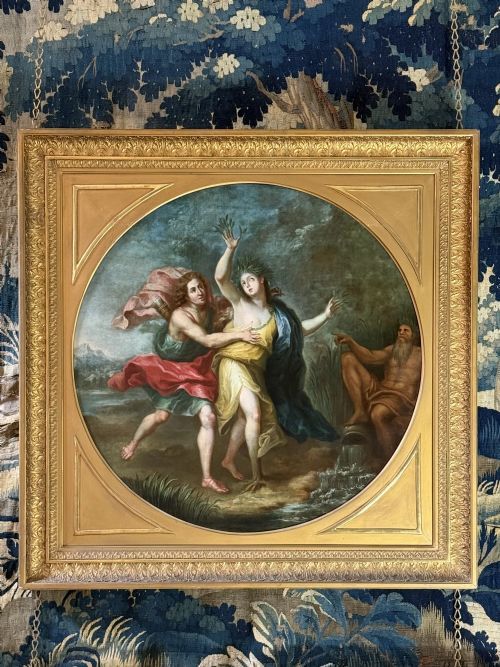
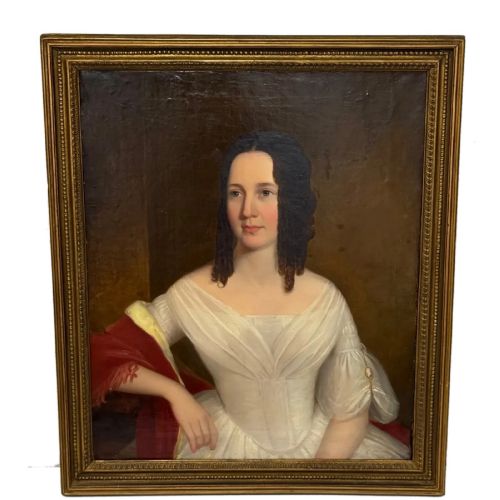
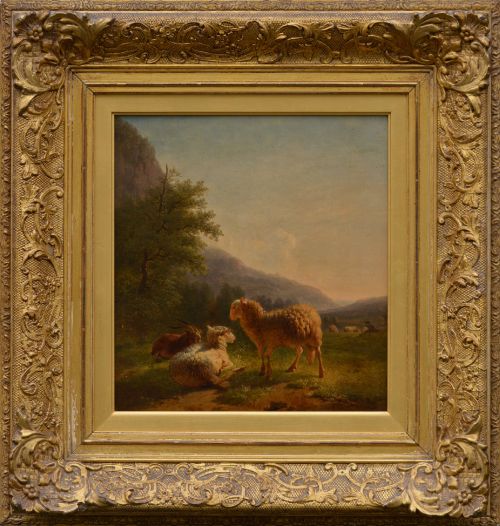
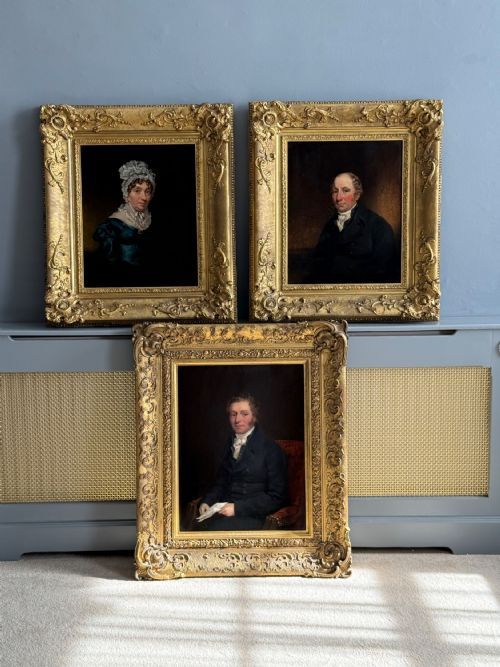
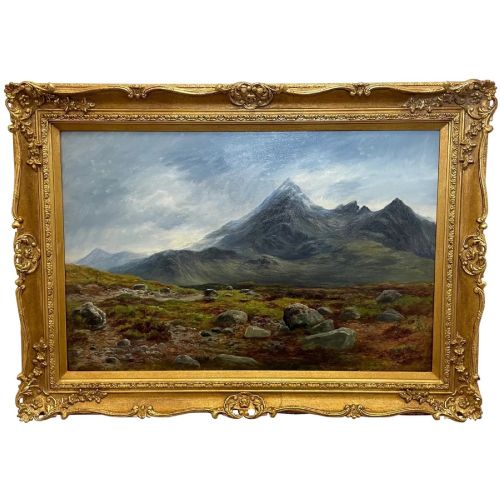
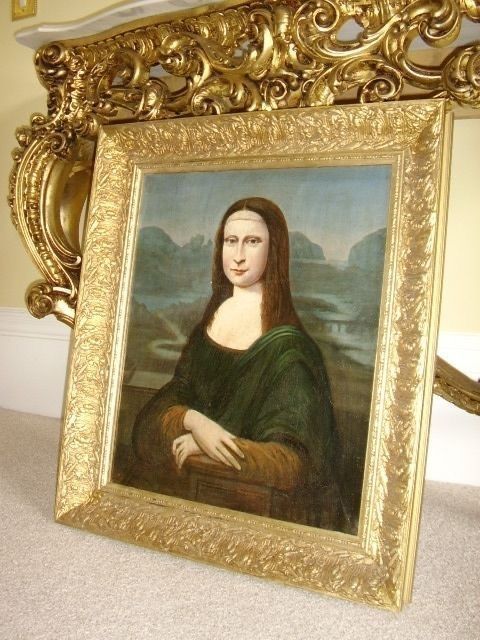
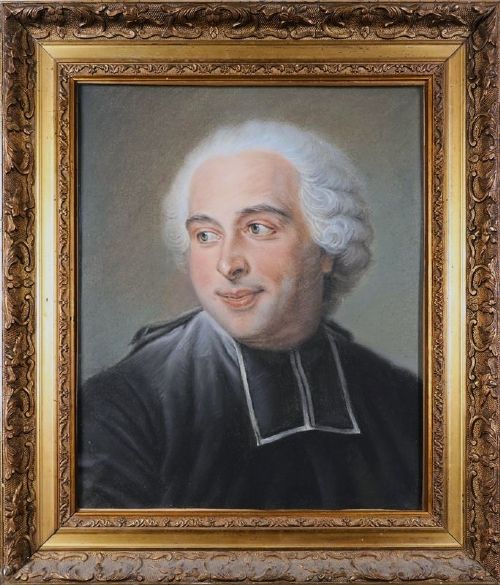
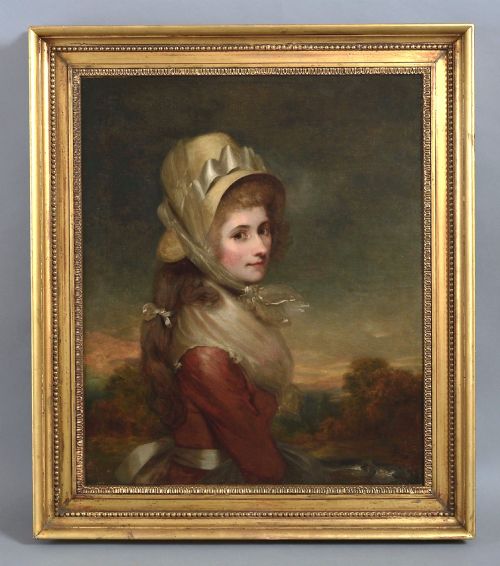
Gold framed fine art brings together oil paintings and gilt moulding, offering interiors rich historical depth and luminous colour.
What gold framed fine art is
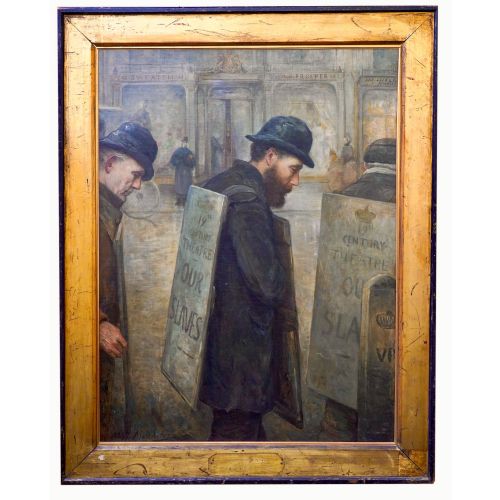
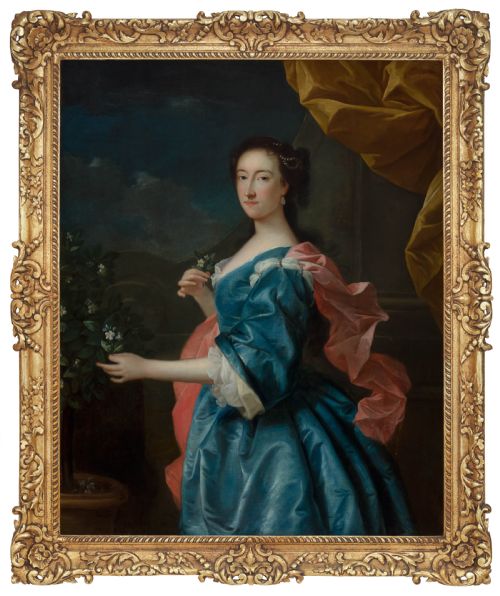
Gold framed fine art comprises oil paintings set within gilded wooden surrounds, spanning centuries from the seventeenth to the early twentieth century. These works capture portraits, still life, sporting scenes and domestic interiors across British, Scandinavian and Italian schools.
The pieces present significant variety in format, moving from intimate panels to large canvas compositions. Collectors encounter framed portraits on oak panel alongside impressionist canvases and detailed Victorian studies.
How they were made
Makers built these pieces using traditional media including oil paint applied to canvas or oak panel. Canvases stretch over wooden supports while earlier panels utilise solid oak grounds for stability.
Surrounds utilise gilded wood and gold leaf applied over carved wooden bases. Craftsmen shaped and gilded the frames to complement the tonal qualities of the paintings within.
Retail Price Guide 2026
Typical UK retail prices for gold framed fine art, calculated from the Sellingantiques database of over a million retail prices indexed since 2003. This retail price guide relies exclusively on Sellingantiques data; no external sources or auction records are used, so the figures do not describe the wider market.
Current listings feature oil paintings on canvas and oak panel, alongside nineteenth century sporting art and Victorian fine art.
What varies in quality
Frame craftsmanship contributes significantly to the overall merit, particularly the depth of carving and the integrity of the original gilding. Harmony between the painting's palette and the surrounding gold leaf defines the finest surviving pieces.
John Lübschitz·Francis Hayman·William Oliver·Umberto Volpato·Bertram Priestman·William Duffield
The Gold Framed Fine Art Glossary
- Giltwood
- Wood decorated with gold leaf or gold powder. This surface treatment provides a reflective border that enhances the illumination within oil paintings.
- Oil on Canvas
- Pigment mixed with drying oil applied to a woven fabric support. This technique allows for rich colour blending and textured brushwork.
- Oak Panel
- A solid wood board used as a painting support. This rigid ground appears frequently in earlier works before canvas gained widespread use.
- Impressionist
- A style focusing on the visual impression of the moment, particularly shifting light. Such works employ rapid brushstrokes and unblended colour.
Frequently Asked Questions
How do I date oil paintings?
Dating relies upon stylistic markers, costume details in portraits, and the physical construction of the canvas support or wooden panel. Pigment analysis and stretcher frame design also provide reliable chronological indicators.
Secondary clues include artist signatures, exhibition labels on the reverse, and the construction methods used in the accompanying giltwood frame.
How were oak panels prepared?
Carpenters selected quartersawn oak to minimise warping, planing the board flat before applying a ground layer of gesso or sizing. This smooth preparation surface received the initial underdrawing and subsequent layers of oil paint.
Panel paintings from the seventeenth century demonstrate this robust construction, which protects the pigment layer across centuries of environmental change.
Where should I hang giltwood art?
Giltwood pieces require stable interior environments away from direct sunlight and excessive humidity to protect both the canvas and the delicate gold leaf. Placing them on interior walls with controlled ambient temperature preserves the wood and paint layers.
Consider natural light paths within the room, as angled daylight activates the metallic sheen of the gilded frame and illuminates the dark pigments of the oil painting.
What defines impressionist oil paintings?
Impressionist works prioritise transient effects of light and atmosphere over meticulous academic finish, using visible brushstrokes and bright palettes. Artists captured everyday scenes, gardens, and natural light directly from observation.
These pieces break from traditional darker varnishes, presenting vibrant hues that interact dynamically with the warm tones of gold leaf frames.