


Gold Framed Equestrian Picture
When you search for a gold framed equestrian picture, you seek a window into the heritage of the turf, the hunt, and the paddock.
Gold Framed Equestrian Picture
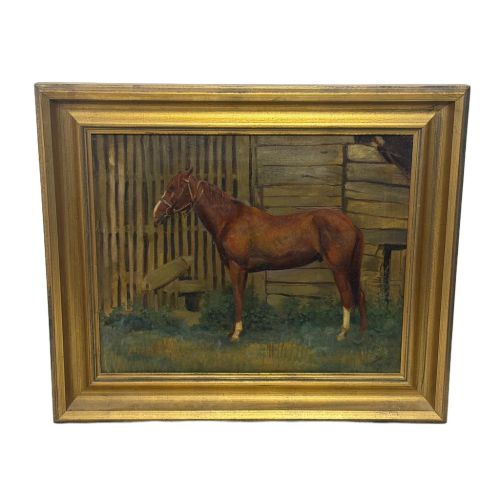
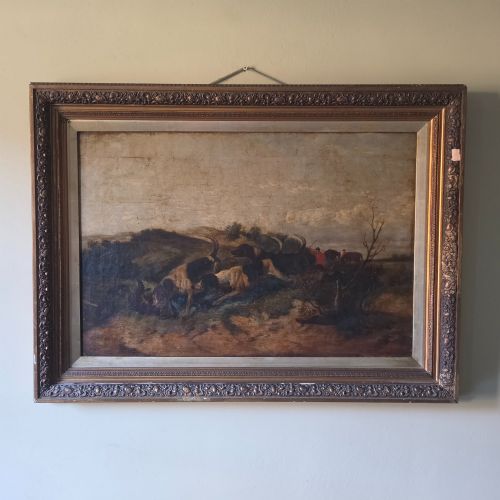
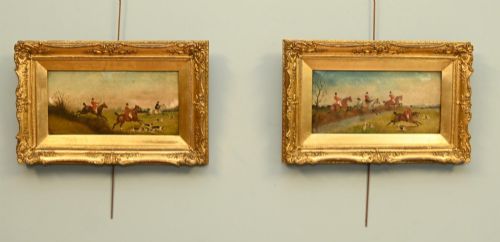
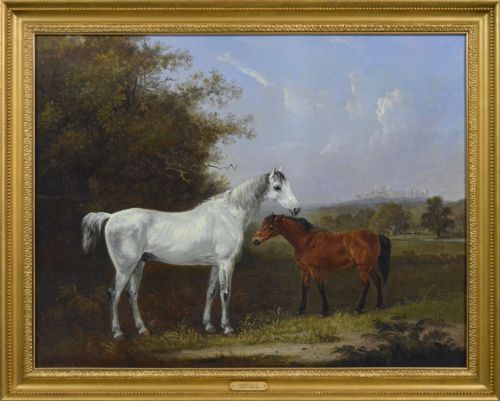
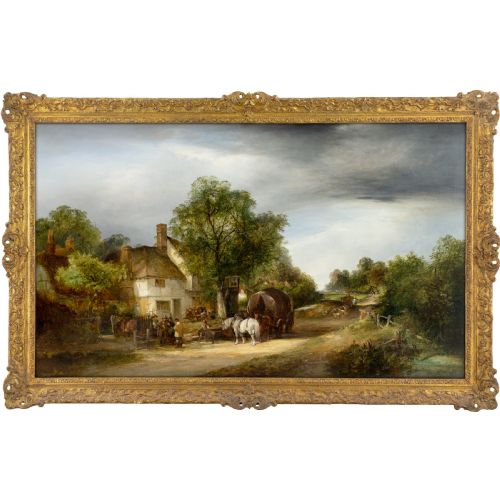
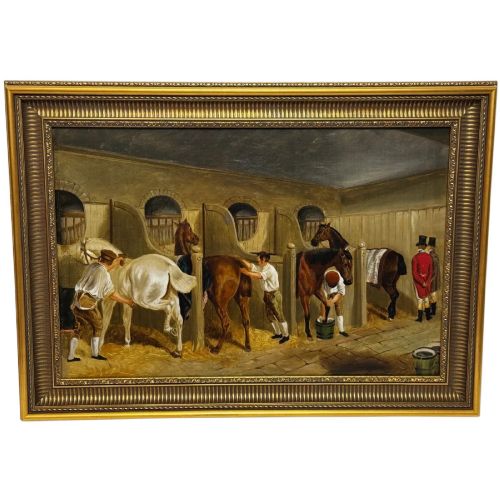
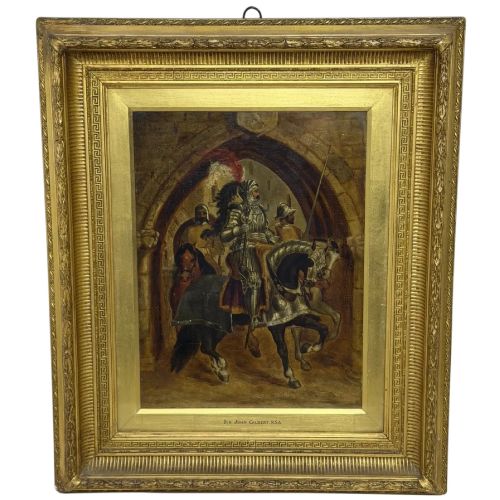
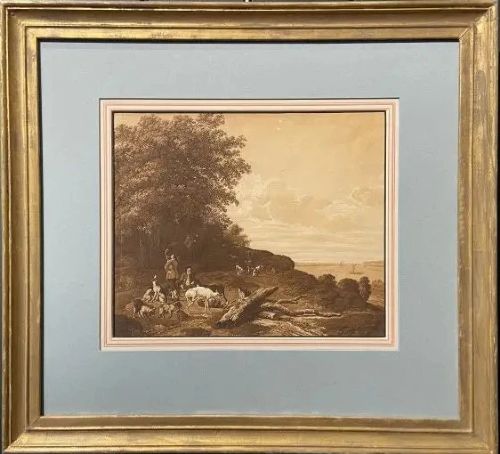
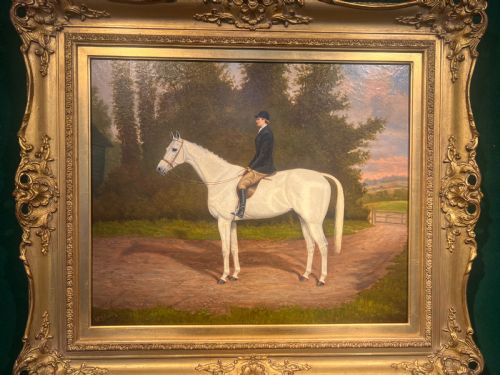
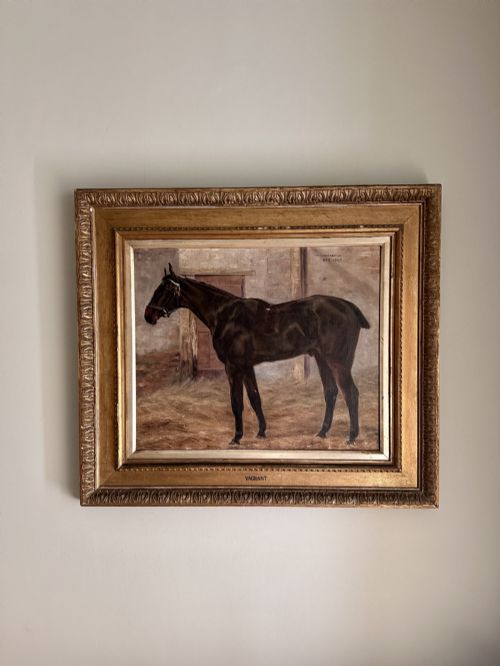
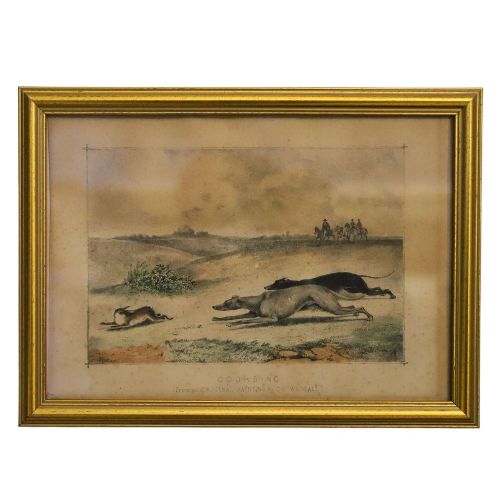
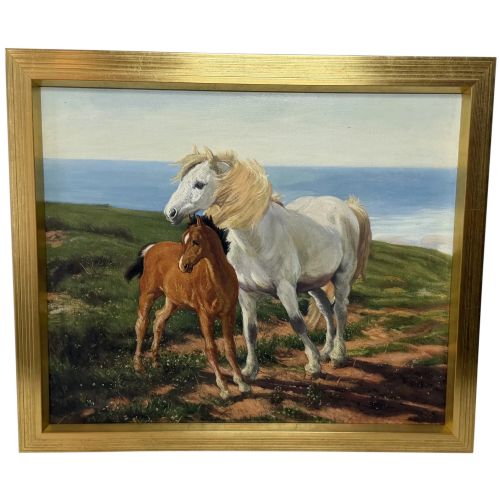
A gold framed equestrian picture brings together centuries of British sporting art, capturing horses, hounds, riders, and rural estates. You will encounter oil paintings on canvas, watercolours, lithographs, and silk needleworks framed in ornate giltwood and gold leaf.
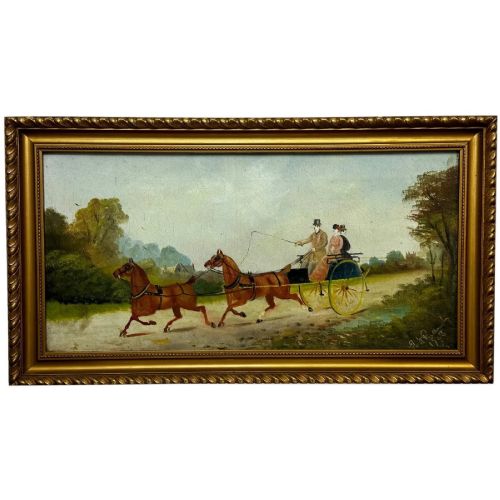
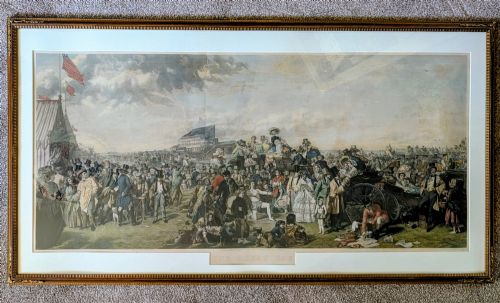
The selections span from the early nineteenth century through the Victorian and Edwardian eras up to the mid-twentieth century. Works range from intimate oil studies and detailed portraits of named thoroughbreds to sweeping depictions of hunts, racecourses, and coaching scenes.
How they were made
Artists employed oil on canvas or watercolour on paper, often working within regional British schools to record equine anatomy and landscape backgrounds. Canvas works utilise layered oil pigments to build depth in coats and terrain, while watercolours rely on delicate washes on paper.
Frames are constructed from wood and finished with applied gold leaf or giltwood, providing the characteristic metallic border. Certain items incorporate glass to protect paper prints, watercolours, reverse silhouette paintings, or textiles like silk needlework.
Listings feature works spanning the 17th, 18th, 19th, and 20th centuries, executed in oil, watercolour, lithograph, and silk needlework.
What varies in quality
Quality rests in the anatomical accuracy of the horse and the painter's command of light, movement, and composition. The finest pieces capture distinct muscle structure and individual character rather than generic equine forms.
The craftsmanship of the surrounding woodwork and the application of gold leaf dictate the visual weight of the presentation. Original period frames that match the age and style of the artwork elevate the piece above later replacements.
Fred Fitzpatrick·C. H. Weigall·Herman S Melville·John Ferneley Senior·Charles Walter Simpson·John Arthur Lomax·John Frederick Herring Jnr·Edward Lloyd of Ellesmere·Charles Faulkner·Alexander Maclean·Alfred Wheeler·Gilbert Scott Wright·Thomas Mackay·Abraham Cooper RA·Samuel Henry Alken·John Sanderson-Wells·Alfred Duke·Henri Schouten·Snaffles·Isaac Cullin
The Gold Framed Equestrian Picture Glossary
- Giltwood
- Wood carved and coated with gold leaf or a gold-coloured finish. This material forms the ornate borders characteristic of traditional picture framing.
- Lithograph
- A print made from a flat stone or metal plate on which an image is applied using oil-based ink. This technique allowed for the reproduction of detailed sporting illustrations.
- Needlework
- Stitched textile art created using thread on a fabric backing. Pieces depict specific sporting subjects such as racehorse tracks using varied coloured threads.
- Provenance
- The documented history of ownership of an artwork. Records link specific paintings to estates, galleries, and historical collections.
Gold Framed Equestrian Picture: Frequently Asked Questions
What periods do these pictures come from?
The listings feature works originating from the eighteenth, nineteenth, and twentieth centuries. Key eras represented include the Georgian, Victorian, and Edwardian periods.
Items span specific decades from the early eighteen-hundreds through to the nineteen-sixties. Each era brings distinct artistic techniques and framing styles to the sporting genre.
What materials are used in these frames?
Frames are primarily constructed from wood finished with gold leaf or giltwood. This creates the traditional metallic sheen surrounding the artwork.
Additional materials include glass used to protect delicate paper works, watercolours, and textiles. Some pieces pair canvas with deep wooden mouldings.
How do I identify a portrait of a named horse?
Artists often inscribed the identity of the animal, the jockey, or the race meeting directly onto the canvas or the mount. Records frequently name famous thoroughbreds such as Persimmon, Balmoral, or Diamond Jubilee.
Historical provenance and accompanying documentation help link specific equine portraits to notable owners, trainers, and estates.
What subjects are depicted in these artworks?
Themes include racehorses, hunters, polo ponies, and farmyard scenes featuring horses alongside dogs and livestock. Depictions range from quiet stable portraits to dynamic racing and hunting action.
Other common subjects involve coaching scenes, military cavalry skirmishes, and rural landscapes with rivers and estates.